Book of Satanic Ritual
 61
61

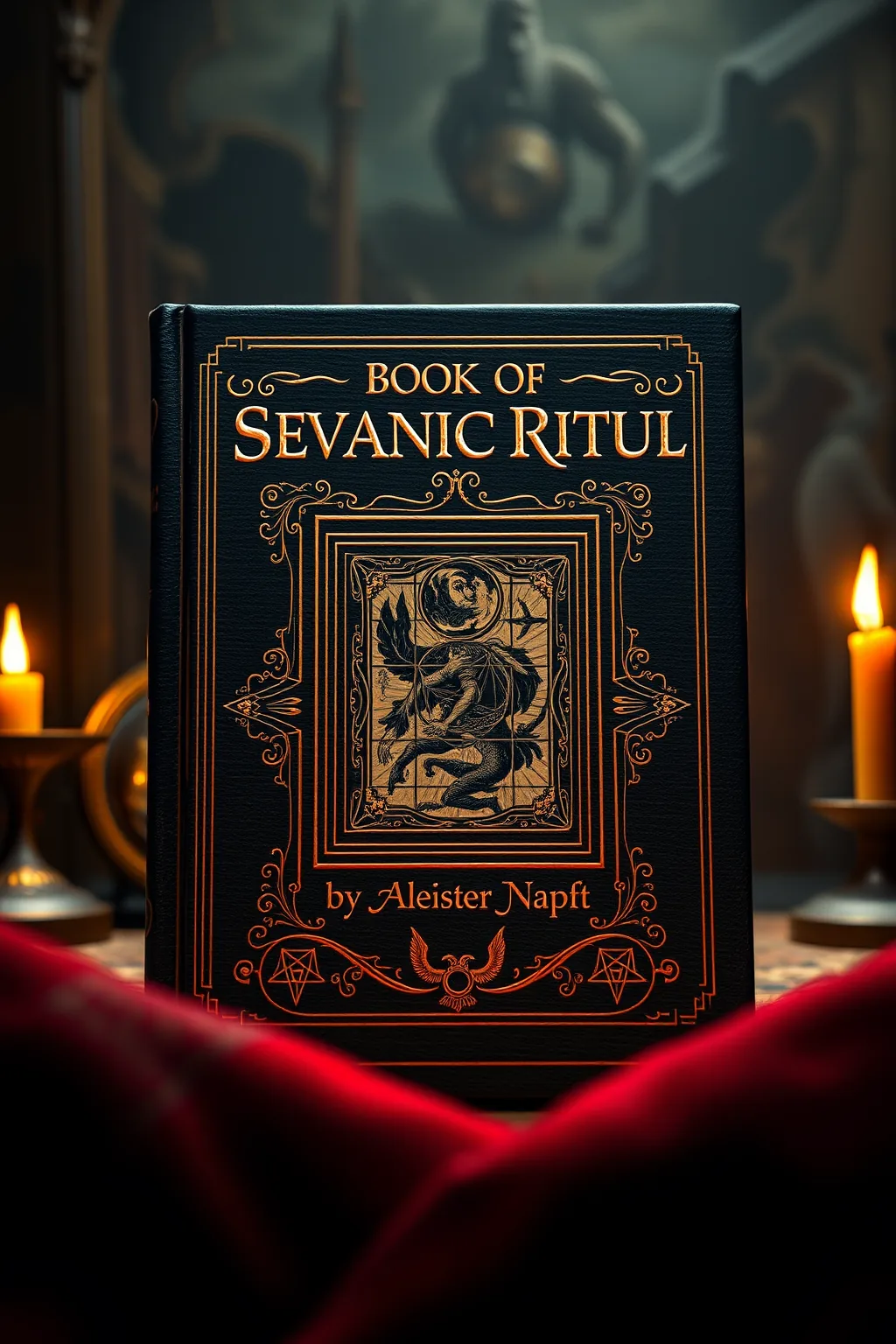
Book of Satanic Ritual


Aurelia Blackwood (Occult Philosophy Critic) — Aleister Nacht's "Book of Satanic Ritual" is a formidable and deeply resonant work that transcends typical occult fare. Nacht's prose is both commanding and evocative, drawing the reader into a world of potent symbolism and transformative ritual. The book excels in its exploration of the adversarial path, offering practical applications for those seeking inner liberation and self-empowerment. Its strength lies in its philosophical underpinnings, which encourage critical thought and the forging of one's own spiritual destiny. This is an essential text for serious practitioners and scholars of Satanic philosophy who are prepared to engage with its profound challenges and rewarding insights.
📝 Description
61
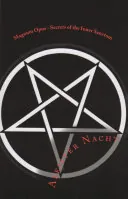
Aleister Nacht's 'Book of Satanic Ritual' was first published in 2017.
This text presents a system of Satanic ritual practice. It details specific evocations and sigil magic intended for the practitioner's personal development. The book discusses philosophical ideas concerning self-sovereignty and the adversarial will, contrasting them with conventional morality. It aims to facilitate the awakening of inner potential through structured magical work. The rituals are described as conduits for arcane power, guiding the user to confront and integrate their inner 'shadow' aspects. The goal is self-mastery, achieved through direct engagement with these energies rather than seeking external validation or salvation.
Nacht's work focuses on the internal transformation of the practitioner. It emphasizes the inherent divinity within the individual, to be realized outside established religious frameworks. The book functions as a guide for those who wish to pursue unconventional magical paths. It seeks to empower the reader through a process of self-discovery and the transmutation of perceived weaknesses into strength. The content is structured to assist both novice and experienced practitioners in their magical endeavors.
The 'Book of Satanic Ritual' emerges within contemporary Western esotericism, particularly drawing from traditions that emphasize individual will and the rejection of external authority. It aligns with currents of occultism that explore the darker aspects of the psyche and cosmology, often through symbolic representation and ritualistic practice. The work can be seen as a modern expression of magical systems that seek direct experience of power and consciousness, distinct from established religious doctrines. It reflects a focus on personal gnosis and the attainment of self-realization through disciplined magical work.
💡 Why Read This Book?
Embark on a transformative journey beyond conventional spiritual boundaries. "Book of Satanic Ritual" offers profound insights into self-sovereignty, primal energy work, and the forging of personal will. Ideal for seekers of authentic power, practitioners of advanced magic, and scholars of esoteric traditions who are ready to explore the untamed aspects of the divine within. Discover hidden knowledge and unlock your true potential.
⭐ Reader Reviews
Honest opinions from readers who have explored this book.
❓ Frequently Asked Questions
Is this book suitable for beginners?
While "Book of Satanic Ritual" is deeply potent, it is recommended for individuals with some prior exposure to occult concepts or a strong philosophical inclination. Beginners should approach with a prepared mind and a commitment to rigorous self-exploration.
What is the primary focus of the rituals presented?
The rituals primarily focus on self-empowerment, the invocation of primal forces, the development of the adversarial will, and the unveiling of inner divinity. They are designed for personal transformation and the mastery of one's own being.
Does the book promote any specific deity or dogma?
Nacht's work emphasizes self-deification and the rejection of external dogma. While symbolic entities and archetypes may be invoked, the core philosophy centers on the practitioner's own inherent power and will.
What kind of atmosphere can I expect from this book?
The atmosphere is one of potent, arcane energy, profound introspection, and a fearless exploration of the forbidden. It is both challenging and deeply empowering, resonating with primal magic.
Are the rituals dangerous?
Like any potent tool of magic, these rituals require respect, preparation, and a clear understanding of intent. Nacht stresses the importance of self-knowledge and mental fortitude to navigate the energies involved safely and effectively.
🔮 Key Themes & Symbolism
The Adversarial Will and Self-Sovereignty
This central theme explores the concept of the adversarial will as a force of liberation and self-determination. It challenges external authorities and dogmas, advocating for the individual's absolute right to define their own reality and spiritual path. The book posits that true power lies not in submission, but in the conscious assertion of one's innate divine potential, emphasizing the dismantling of internal and external limitations to achieve ultimate self-mastery and independence.
Primal Energy and Archetypal Evocation
The text examines the invocation of primal, untamed energies that lie dormant within the cosmos and the human psyche. Through potent rituals and symbolic language, Nacht guides the practitioner in connecting with these fundamental forces, often represented by archetypal figures or elemental powers. The aim is to harness this raw energy for transformation, manifestation, and the expansion of consciousness, moving beyond conventional spiritual paradigms to embrace the wilder, more potent aspects of existence.
The Alchemy of Shadow and Light
This theme examines the integration and transmutation of the 'shadow' aspects of the self – those traits and experiences often suppressed or deemed undesirable. Rather than rejecting these elements, the rituals encourage their acknowledgment and alchemical transformation into sources of strength and wisdom. By confronting and embracing all facets of the self, the practitioner can achieve a more complete and balanced state of being, informative the path from darkness to a profound inner radiance.
💬 Memorable Quotes
Direct passages from the work, attributed to the author.
“Embrace the darkness, for within it lies the unmanifested seed of creation.”
— This highlights the transformative power found in confronting and accepting one's shadow self, suggesting that potential and creative energy reside in what is often feared or rejected.
“Ritual is the forge where the soul is tempered.”
— This emphasizes the active, transformative nature of ritual practice, likening it to a blacksmith's forge where the raw material of the soul is shaped and strengthened through deliberate action.
“To know thyself is to know the universe.”
— A profound statement on the microcosm-macrocosm principle, suggesting that deep self-understanding leads to an equally profound understanding of the greater cosmos and its workings.
“Shed the chains of dogma; forge your own path.”
— This is a direct call to spiritual independence and rebellion against restrictive belief systems, urging the reader to actively create their own unique journey of discovery.
💡 Key Ideas
Editorial paraphrase of the work's core concepts — not direct quotes.
The only true god is the Will.
This quote expresses the core tenet of self-deification, asserting that individual will is the ultimate divine authority, superseding any external deity or dogma.
🌙 Esoteric Significance
Tradition
This work draws heavily from the Western Esoteric Tradition, particularly its more adversarial and individualistic branches, such as Thelema and certain interpretations of Luciferianism. It emphasizes Gnostic principles of self-knowledge and liberation from external authority, reinterpreting occult symbols and practices through a lens of radical self-empowerment and personal gnosis.
Symbolism
Key symbols include the Serpent (representing wisdom, initiation, and primal energy), the inverted pentagram (often associated with the material realm and the rejection of divine hierarchy), and fire (symbolizing transformation, passion, and the will). These symbols are employed not as passive icons, but as active agents within the ritualistic framework to unlock latent potentials.
Modern Relevance
In an age often characterized by external validation and societal pressures, the "Book of Satanic Ritual" offers a powerful antidote. Its emphasis on self-sovereignty, critical thinking, and the embrace of one's authentic power is profoundly relevant for modern seekers of truth and personal liberation, providing tools for navigating complexity and forging a unique spiritual identity.
👥 Who Should Read This Book
This book is a vital resource for the dedicated occult practitioner seeking to deepen their understanding of ritual and its transformative power. Scholars of comparative religion and esoteric traditions will find its philosophical depth and unique perspective invaluable. For the spiritual seeker yearning for authentic self-discovery and liberation from dogma, it offers a challenging yet rewarding path. Beginners are advised to approach with a grounded mind and a serious commitment to introspection, as the material is potent and demands thoughtful engagement.
📜 Historical Context
Emerging from the fertile ground of late 19th and early 20th-century occult revival, "Book of Satanic Ritual" reflects a period of intense interest in esoteric philosophies, secret societies, and the rejection of Victorian moral constraints. This era saw a burgeoning of magical thought, influenced by figures like Eliphas Lévi and Madame Blavatsky, but also a counter-movement seeking more radical, individualistic paths. Aleister Nacht's work aligns with this latter trend, offering a potent synthesis of ancient magical traditions and a fiercely independent, adversarial philosophy that resonated with those disillusioned by established religious and social norms. It stands as a proof of the enduring human quest for forbidden knowledge and personal liberation.
📔 Journal Prompts
Reflect on a personal dogma you have blindly followed. How can you challenge or dismantle it?
Describe an encounter with your own 'shadow' self. What lessons did it offer?
What does 'self-sovereignty' truly mean to you? How can you embody it more fully?
Visualize a primal energy that speaks to your inner will. What form does it take?
Consider a ritual you have performed. How did it impact your inner landscape and external reality?
🗂️ Glossary
Adversarial Will
The principle of asserting one's own will and authority against external constraints, dogmas, or perceived higher powers, emphasizing self-determination and individual sovereignty.
Sigilcraft
The art and practice of creating magical symbols (sigils) imbued with intent, often through the process of condensing a statement of desire into a unique graphical representation.
Evocation
A ritualistic practice involving the summoning or calling forth of entities, energies, or aspects of consciousness, typically for the purpose of interaction or integration.
Gnosis
Direct, intuitive, experiential knowledge, particularly of spiritual or divine matters, often attained through mystical or esoteric practices, as opposed to intellectual understanding.
Transmutation
The process of changing or transforming one substance, energy, or state of being into another, often used in alchemy to refer to the spiritual or psychological refinement of the self.
This book appears in 2 collections
🔮 Readers Also Liked
Browse all →








More by Aleister Nacht
All books →
From the “Ritual Magic” Collection
View all →






More Free Magic & Ritual Books
View all →