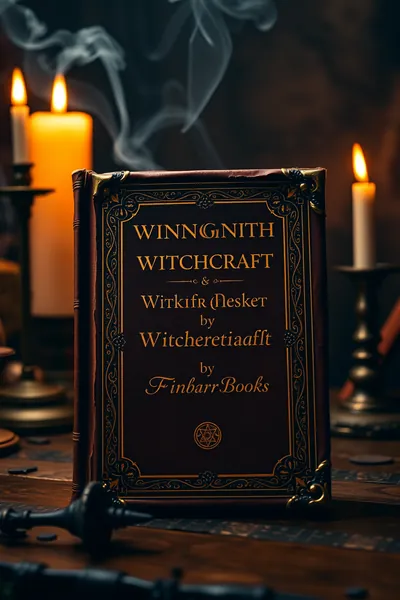
Wicca candle magick

 82
82

Wicca candle magick
Gerina Dunwich’s *Wicca Candle Magick* presents a clear, if somewhat conventional, approach to its subject. The strength of the work lies in its systematic organization, guiding readers through the fundamental correspondences of candle magick—color, scent, and material—with admirable clarity. Dunwich avoids overly complex theory, making the techniques accessible to beginners. A notable section discusses the energetic properties of different candle waxes, a detail often overlooked in more generalized texts. However, the book occasionally suffers from a lack of deep exploration into the psychological or philosophical underpinnings of why these practices are effective, relying instead on established traditional frameworks. While useful for foundational knowledge, it may leave more advanced practitioners seeking novel interpretations or advanced techniques wanting. Overall, it serves as a solid, reliable primer on candle rituals within a Wiccan context.
📝 Description
82
Gerina Dunwich's 2018 book, Wicca Candle Magick, examines the core practice of using flame and wax for spells.
Wicca Candle Magick, by Gerina Dunwich, details how to use candles in modern witchcraft. The book moves past simple rituals to explain the energetic and symbolic aspects of working with fire and wax. It acts as a practical manual for using fire's elemental power for personal and spiritual goals. This text is mainly for practitioners of Wicca and other pagan paths who want to improve their candle spellwork. It suits those with some magic knowledge looking to hone their skills, and also newcomers drawn to the directness of candle magic. Students of the occult interested in fire magic's history and symbolism will also find it useful. The work acknowledges that candle magic, though part of many belief systems, became prominent in modern Wicca and neopaganism during the late 20th century. It draws from folk magic and ceremonial traditions that long used flame as a focus for intent.
Candle magic has a long history across various spiritual systems, but it gained specific prominence within modern Wicca and neopaganism in the latter half of the 20th century. Dunwich's 2018 book builds on this lineage, drawing from folk magic and ceremonial practices that have historically used flame as a focal point for directing intention. The publication arrives during a period of increased visibility for witchcraft, influenced by figures who helped define contemporary Wiccan practices. The book presents these established techniques within a modern context, connecting them to the broader esoteric tradition of using focused energy for magical results.
💡 Why Read This Book?
• Understand the foundational principles of candle magick, including the energetic significance of specific colors and scents, as detailed in Dunwich's systematic breakdown of correspondences, offering a practical toolkit unavailable in generalized spellbooks. • Learn techniques for consecrating candles and focusing intent, a critical element of ritual efficacy explored in Chapter 3, providing a method to imbue everyday objects with potent magical purpose. • Gain practical knowledge on selecting the appropriate candle for your needs and interpreting residual wax patterns, as discussed in the later sections of the book, equipping you with nuanced skills for more precise spellcraft.
⭐ Reader Reviews
Honest opinions from readers who have explored this book.
❓ Frequently Asked Questions
What are the primary correspondences explored in Wicca Candle Magick?
The book details essential correspondences including candle colors (e.g., red for passion, blue for peace), scents (like lavender for calm or cinnamon for prosperity), and elemental associations, providing a framework for aligning ritual tools with desired outcomes.
When was Wicca Candle Magick first published?
Wicca Candle Magick by Gerina Dunwich was first published in 2018, making it a relatively contemporary guide within the field of modern witchcraft literature.
Does the book cover different types of candle waxes?
Yes, the work touches upon the properties of various waxes, such as beeswax and paraffin, and their distinct energetic qualities and suitability for different types of magickal workings.
Is Wicca Candle Magick suitable for absolute beginners?
Absolutely. The book is structured to introduce core concepts clearly, making it an excellent starting point for individuals new to Wicca or candle magick who wish to learn fundamental practices.
What role does intent play in the candle magick described?
Intent is presented as paramount. The book emphasizes that the effectiveness of candle magick relies heavily on the practitioner's focused will, visualization, and emotional investment during the ritual.
Are there sections on candle reading or scrying?
The book includes guidance on interpreting residual wax patterns after a candle has burned, offering insights into the unfolding of the spell or the energy surrounding the working.
🔮 Key Themes & Symbolism
Color and Scent Correspondences
The book meticulously details the symbolic meanings and energetic vibrations associated with various candle colors and scents. Each color is linked to specific intentions—from healing and protection to love and abundance—while scents are explored for their ability to enhance focus and attune the practitioner to desired outcomes. This systematic approach provides a foundational language for crafting effective candle spells, allowing practitioners to select the most potent tools for their ritual work based on established esoteric principles.
The Power of Focused Intent
Central to Dunwich's philosophy is the concept that the practitioner's focused will is the primary engine of magick. The book elaborates on techniques for cultivating intense concentration, visualization, and emotional clarity during candle rituals. It posits that the candle acts as a focal point and energetic conduit, amplifying the practitioner's directed intention. This emphasis highlights the active role of the individual in shaping magical outcomes, moving beyond passive observation to empowered participation.
Ritual Structure and Practice
Wicca Candle Magick provides practical frameworks for constructing and performing candle rituals. This includes guidance on preparing the sacred space, selecting appropriate candles (considering material and form), timing rituals according to lunar phases or astrological influences, and the proper methods for lighting and extinguishing candles. The book also addresses safety considerations, ensuring that the practice is both effective and responsible, thereby clarifying the process for newcomers.
Interpreting Candle Traces
Beyond the burning itself, the work examines the art of reading the residual wax and flame patterns. Dunwich explains how the shape, flow, and location of melted wax can offer symbolic messages or indicate the energy dynamics at play during a spell. This interpretive layer adds depth to the practice, allowing practitioners to gain further insight into the efficacy of their workings and potential spiritual guidance.
💬 Memorable Quotes
Direct passages from the work, attributed to the author.
“The color of a candle influences its magical effect.”
— This statement underscores the core principle of sympathetic magick taught in the book, where visual elements like color are intentionally chosen to resonate with and attract specific energies or outcomes.
“Focus your will into the flame.”
— This directive captures the book's emphasis on directed consciousness as the primary force in spellcasting, positioning the candle flame as a powerful focal point for concentrated energy.
“Choose scents that align with your purpose.”
— This highlights the importance of olfactory correspondences in enhancing ritual efficacy, suggesting that specific aromas can attune the practitioner and the environment to the desired magical goal.
“Observe the wax for messages.”
— This refers to the practice of candle reading, where the patterns left by melted wax are interpreted as symbolic communication or indicators of the spell's progress and energy flow.
“A consecrated candle carries amplified energy.”
— This points to the ritual of blessing or dedicating a candle before use, a process described in the book to imbue the object with specific spiritual power and intent.
🌙 Esoteric Significance
Tradition
This work primarily aligns with the Western Esoteric tradition, specifically its modern Wiccan and neopagan manifestations. It draws from a lineage that incorporates elements of folk magic, ceremonial magick, and nature-based spirituality. While not strictly Hermetic or Kabbalistic, it utilizes principles of correspondence and energetic manipulation common throughout these traditions, focusing on the elemental power of fire and the symbolic language of ritual objects.
Symbolism
The central symbols are the candle itself, representing transformation, purification, and the divine spark of consciousness. Candle colors are potent symbols, with each hue denoting specific energies and intentions—red for vitality, green for prosperity, blue for peace. Scents also function symbolically, with herbs like lavender evoking calm and cinnamon invoking abundance. The flame is a direct representation of spirit and the active force of magick.
Modern Relevance
Contemporary practitioners of various pagan and witchcraft paths continue to utilize the principles outlined in Dunwich's book. Its clear exposition on color and scent correspondences remains a valuable resource for personal spellcraft. Modern energy workers and mindfulness practitioners may also draw on the book's emphasis on focused intent and visualization as techniques for mental discipline and goal achievement.
👥 Who Should Read This Book
['• Beginners in Wicca and modern witchcraft seeking a clear, step-by-step guide to performing effective candle rituals.', '• Experienced practitioners looking to consolidate their knowledge of candle correspondences and ritual structure from a respected author.', '• Individuals interested in practical, hands-on spiritual work who want to understand the symbolic language of flame and wax.']
📜 Historical Context
Gerina Dunwich’s *Wicca Candle Magick*, published in 2018, emerges within a landscape significantly shaped by the burgeoning interest in witchcraft and esotericism in the late 20th and early 21st centuries. The foundational texts of modern Wicca, such as those by Gerald Gardner and Doreen Valiente, established many of the core practices that Dunwich builds upon. This period saw a diversification of witchcraft, with authors like Scott Cunningham popularizing a more accessible, nature-based approach, and others exploring ceremonial and traditional paths. Dunwich’s work fits within this broader trend, codifying and presenting candle magick in a manner accessible to a wide audience. It engages with a long-standing folk magic tradition that predates modern Wicca, offering a synthesis of historical practices and contemporary pagan thought. The reception of such works often reflects the ongoing discourse within pagan communities regarding authenticity, innovation, and the practical application of esoteric knowledge.
📔 Journal Prompts
Reflect on the energetic properties of the color blue as described in Chapter 2.
Consider the role of focused intent in your personal goals.
How can the scent of cinnamon be incorporated into a ritual for abundance?
Analyze a past ritual's outcome based on the wax interpretations discussed.
Identify three candle colors relevant to your current spiritual path.
🗂️ Glossary
Candle Consecration
The ritual process of blessing or dedicating a candle before use, imbuing it with specific magical intent and spiritual energy to prepare it for a ritual.
Correspondences
The system of symbolic relationships between elements, colors, scents, times, and intentions used in magick to align ritual components with desired outcomes.
Elemental Fire
In esoteric traditions, the primal force of fire representing transformation, passion, energy, and spiritual illumination.
Intent
The focused mental and emotional will of the practitioner directed towards a specific goal or outcome during a magical working.
Neopaganism
A modern spiritual movement that draws inspiration from various pre-Christian pagan religions, often incorporating nature worship and polytheistic beliefs.
Ritual
A set of ceremonial actions performed in a prescribed order, often imbued with symbolic meaning, to achieve a specific spiritual or magical purpose.
Sympathetic Magic
A form of magic based on the principle that like affects like, where a practitioner uses objects or actions that resemble the desired outcome to influence reality.
🔮 Readers Also Liked
Browse all →





![Aloysii Charitini [pseud.] Discurs von trüglichen Kennzeichen der Zauberey, worinnen viel abergläubische Meinungen vernunfftmässig untersucht und verworffen; wie auch ... 1708: Iss 174](/img/thumb/aloysii-charitini-pseud-discurs-von-tr-glichen-kennzeichen-der-zauberey-worinnen-viel-abergl-ubische-meinungen-vernunfftm-ssig-untersucht-und-verworffen-wie-auch-1708-iss-174-brunneman-jacob-d-1735.webp)


More by Gerina Dunwich
All books →




More Free Witchcraft & Paganism Books
View all →
![John Todd [Illuminati And Witchcraft Exposed].pdf (PDFy mirror)](/img/thumb/john-todd-illuminati-and-witchcraft-exposed-pdf-pdfy-mirror.webp)