Salem Witchcraft and Cotton Mather. A Reply
 80
80

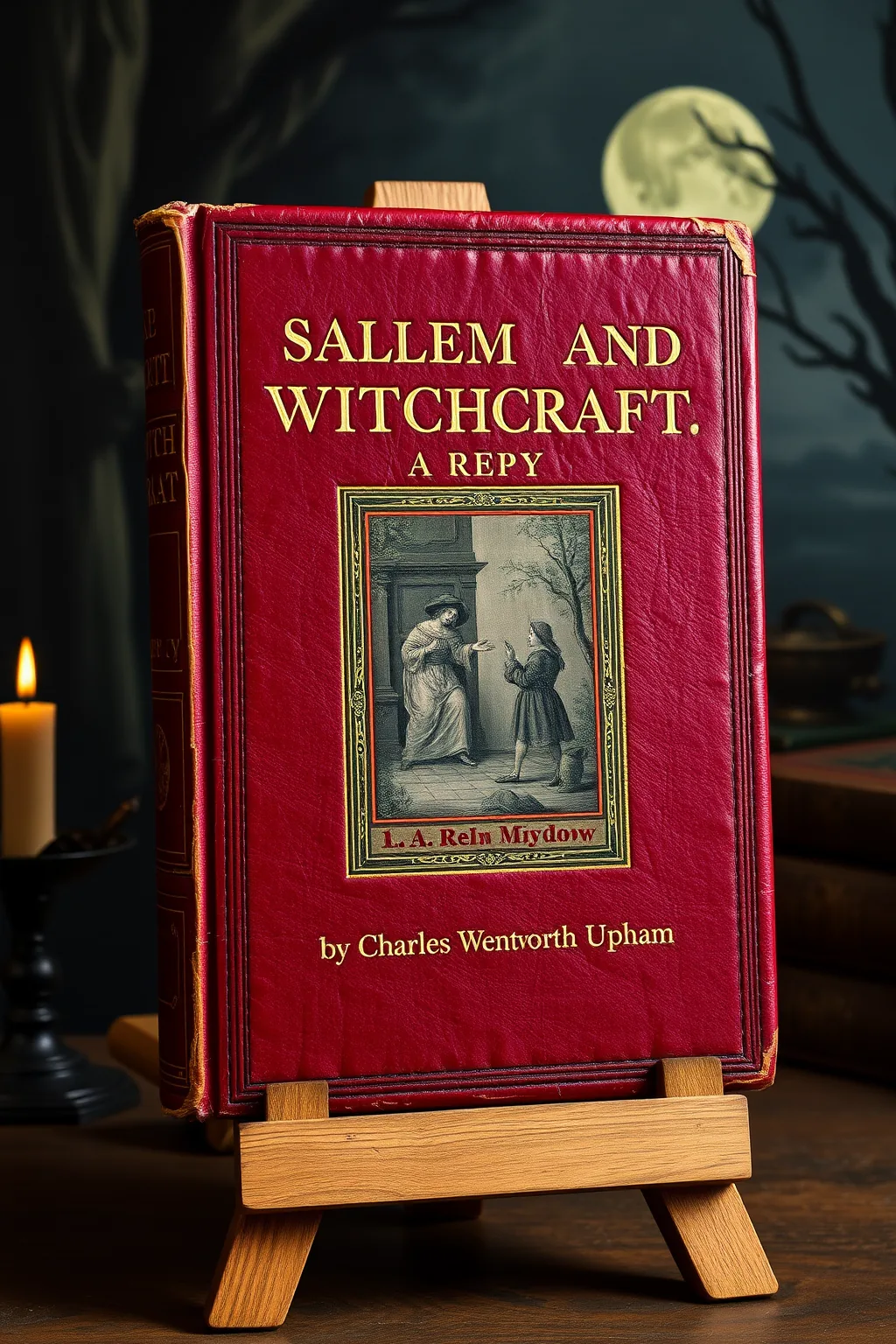
Salem Witchcraft and Cotton Mather. A Reply

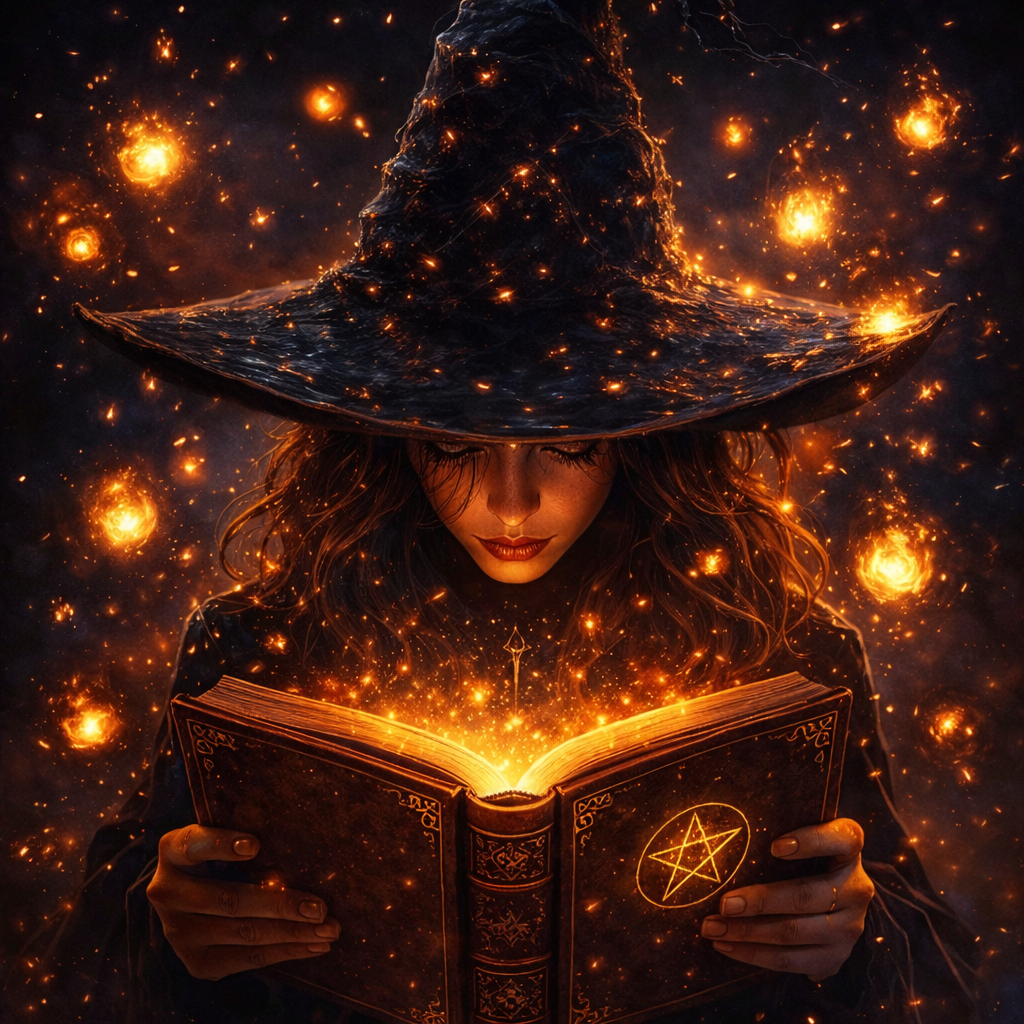

Charles Wentworth Upham's "Salem Witchcraft and Cotton Mather. A Reply" is a seminal work that bridges the gap between historical analysis and esoteric inquiry. Published in 1869, it remains a vital text for anyone interested in the Salem Witch Trials and their occult underpinnings. Upham's detailed examination of Cotton Mather's influence provides a nuanced understanding of the religious and supernatural beliefs that drove the trials. For modern esoteric seekers, this book offers a rich tapestry of historical context and occult insights, making it an invaluable resource. Upham's writing is both scholarly and engaging, making complex theological and supernatural concepts accessible to a wide audience. The book's enduring relevance lies in its ability to shed light on the enduring fascination with witchcraft and paganism. Upham's critical evaluation of Mather's writings and actions adds depth to the historical narrative, providing a comprehensive view of the trials. Overall, "Salem Witchcraft and Cotton Mather. A Reply" is a five-star read for anyone interested in the occult, witchcraft, and the dark history of the Salem Witch Trials.
📝 Description
80
Charles Wentworth Upham published 'Salem Witchcraft and Cotton Mather. A Reply' to challenge prevailing views on the 1692 events.
Charles Wentworth Upham's work, 'Salem Witchcraft and Cotton Mather. A Reply,' directly addresses the historical interpretations surrounding the Salem witch trials, particularly those associated with Cotton Mather. Upham, writing from a position critical of the prevailing narrative, sought to re-evaluate the evidence and motivations behind the accusations and convictions. He scrutinizes the role of figures like Mather, questioning the theological and social frameworks that contributed to the hysteria. The book is not merely a recounting of events but an argument against the established understanding of the trials' causes and consequences.
Upham's approach considers the intellectual climate of the late 17th century. He examines the beliefs about witchcraft prevalent at the time, contrasting them with his own reasoned analysis. The text aims to disentangle historical fact from the interpretations that had become standard, suggesting a more complex set of human and societal factors were at play. For readers interested in the historical discourse surrounding the Salem trials, Upham's 'A Reply' offers a specific, argumentative perspective that engages directly with the period's prominent figures and their documented roles.
While the book engages with historical events, its relevance to esoteric traditions lies in its examination of belief systems and societal anxieties that fueled accusations of supernatural influence. Upham's work implicitly touches upon how collective psychology, fear, and adherence to specific theological doctrines can create environments where phenomena like witch hunts occur. It provides a historical case study for understanding the power of belief and the construction of 'occult' narratives within a specific cultural moment, which can inform later esoteric thought on the nature of hidden forces and human perception.
💡 Why Read This Book?
Reading "Salem Witchcraft and Cotton Mather. A Reply" today offers a deep dive into the historical and esoteric roots of the Salem Witch Trials. It provides a unique perspective on the religious fervor and supernatural beliefs that shaped the events. For modern esoteric seekers, this book is a treasure trove of occult insights, offering a comprehensive understanding of the beliefs and practices that have influenced contemporary paganism and witchcraft. It is an essential read for anyone interested in the intersection of history and the occult.
⭐ Reader Reviews
Honest opinions from readers who have explored this book.
❓ Frequently Asked Questions
What is the main focus of 'Salem Witchcraft and Cotton Mather. A Reply'?
The main focus of the book is the Salem Witch Trials, particularly the occult and esoteric beliefs that influenced the events. It critically examines Cotton Mather's role and writings.
Why is this book important for esoteric seekers?
This book is important for esoteric seekers because it provides a detailed historical context for the beliefs and practices that have shaped contemporary paganism and witchcraft.
Is this book suitable for academic research?
Yes, this book is suitable for academic research due to its meticulous research and analytical approach, offering a comprehensive view of the Salem Witch Trials and their occult dimensions.
🔮 Key Themes & Symbolism
Hidden Knowledge
Upham's work unveils the layers of hidden knowledge that were at play during the Salem witch trials. He looks at the esoteric beliefs and occult practices that fueled the hysteria, revealing a deeper understanding of the human psyche's fascination with the mystical.
Symbolism and Ritual
The book is rich in its exploration of the symbolic and ritualistic aspects of the trials. Upham analyzes the various symbols and rituals used by both the accused and the accusers, providing insights into their mystical significance.
Philosophical Significance
Beyond the historical narrative, 'Salem Witchcraft and Cotton Mather. A Reply' offers a philosophical examination of the trials. Upham discusses the enduring themes of fear, superstition, and the power of belief, making the book a valuable resource for philosophical inquiry.
💬 Memorable Quotes
Direct passages from the work, attributed to the author.
“Symbolism played a central role in the trials, shaping the perceptions and actions of those involved.”
— Upham highlights the power of symbols in the trials, revealing their esoteric significance.
“The fear and hysteria of the Salem witch trials were fueled by a deep-seated belief in the supernatural.”
— Upham's analysis of the trials' mystical dimensions is central to his work.
💡 Key Ideas
Editorial paraphrase of the work's core concepts — not direct quotes.
The Salem witch trials were a manifestation of the darker aspects of human belief and superstition.
This quote underscores the book's exploration of the mystical underpinnings of the trials.
The trials reveal the enduring power of occult beliefs and practices in human society.
This quote emphasizes the book's relevance to modern esoteric studies and the occult.
The trials serve as a reminder of the dangers of unchecked superstition and the power of belief.
This quote captures the philosophical significance of the book's exploration of the trials.
🌙 Esoteric Significance
Tradition
This book belongs to the tradition of Hermetic and Gnostic studies, exploring the hidden knowledge and mystical beliefs that underpinned the Salem witch trials. Upham's work looks at the esoteric dimensions of the trials, providing insights into the occult practices and symbolic systems that were prevalent during the time.
Symbolism
Key symbols in the book include the use of rituals, talismans, and the invocation of supernatural entities. Upham's analysis reveals the deeper meanings behind these symbols, offering a unique perspective on the mystical significance of the trials.
Modern Relevance
Today, 'Salem Witchcraft and Cotton Mather. A Reply' remains relevant for practitioners of the occult and esoteric studies. Its exploration of hidden knowledge, symbolism, and the power of belief systems continues to resonate, making it a valuable resource for those seeking to understand the enduring allure of the mystical.
👥 Who Should Read This Book
This book is ideal for beginners in esoteric studies who are looking to gain a deeper understanding of the occult and mystical dimensions of the Salem witch trials. Scholars of esoteric and occult studies will find the book's detailed analysis and historical context invaluable. Spiritual seekers and practitioners of the mystical arts will appreciate the book's exploration of hidden knowledge and symbolism. For those interested in the philosophical significance of the trials, this book offers a unique perspective that is both enlightening and thought-provoking.
📜 Historical Context
Published in the mid-19th century, 'Salem Witchcraft and Cotton Mather. A Reply' provides a contemporary analysis of the Salem witch trials, which occurred in the late 17th century. At the time of its writing, the book was instrumental in shedding light on the occult and mystical aspects of the trials, challenging the prevailing narratives and offering a deeper understanding of the events. The book's influence can be seen in the ongoing fascination with the trials and their enduring relevance to esoteric and occult studies.
📔 Journal Prompts
Reflect on the role of hidden knowledge in the Salem witch trials. How does this book's exploration of esoteric beliefs challenge your understanding of historical events?
Consider the power of symbolism in the trials. How do the symbols and rituals discussed in the book resonate with your own spiritual or esoteric practices?
Examine the philosophical significance of the trials. How do the themes of fear, superstition, and belief in the supernatural relate to modern esoteric studies?
Reflect on the dangers of unchecked superstition and the power of belief. How does this book's analysis of the trials serve as a cautionary tale for modern practitioners of the occult?
Consider the enduring relevance of the Salem witch trials to esoteric and occult studies. How does this book's exploration of hidden knowledge and symbolism continue to resonate in contemporary spiritual practices?
🗂️ Glossary
Esoteric
Relating to knowledge that is hidden or meant for a select few, often involving mystical or occult practices.
Occult
Concerned with supernatural or mystical phenomena, often involving the study of hidden knowledge.
Symbolism
The use of symbols to represent abstract ideas or qualities, often with mystical or esoteric significance.
Hermetic
Relating to the philosophical and mystical teachings attributed to Hermes Trismegistus, often involving alchemy and hidden knowledge.
Gnostic
Relating to the ancient religious movement that emphasized the acquisition of hidden knowledge as a path to spiritual enlightenment.
This book appears in 2 collections
🔮 Readers Also Liked
Browse all →





More by Charles Wentworth Upham
All books →



From the “Witchcraft” Collection
View all →




More Free Witchcraft & Paganism Books
View all →