Who Started World War 2 Real History nwo illuminati freemasons
 79
79

Who Started World War 2 Real History nwo illuminati freemasons


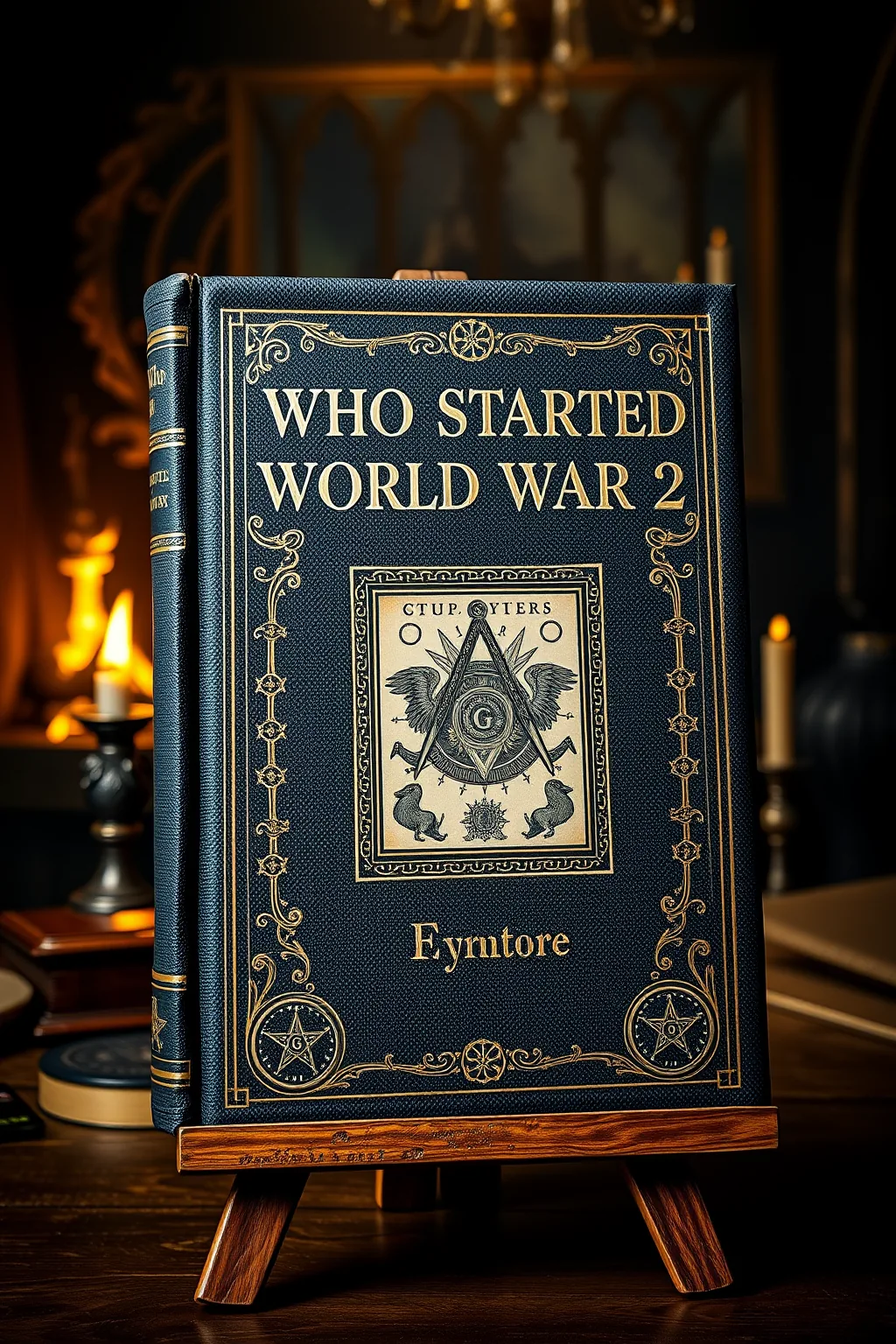
In 'Who Started World War 2: Real History nwo illuminati freemasons,' the author takes readers on a journey through the shadowy corridors of power and influence that shaped the world's most devastating conflict. The book is a treasure trove of esoteric knowledge, meticulously researched and presented in a way that is both engaging and thought-provoking. For modern esoteric seekers, this text offers a unique perspective on the occult forces that may have been at play during World War 2. The author's exploration of the roles of the NWO, Illuminati, and Freemasons adds depth and intrigue to the narrative, making it a valuable addition to any esoteric library. The book's strength lies in its ability to blend historical facts with esoteric theories, creating a compelling argument for the influence of secret societies on global events. While some readers may find the theories speculative, the overall impact is a fascinating exploration of the hidden history of World War 2.
📝 Description
79
This book claims to reveal the secret societies behind the start of World War II.
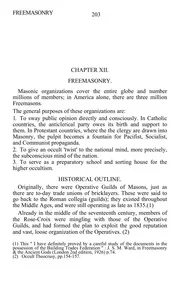
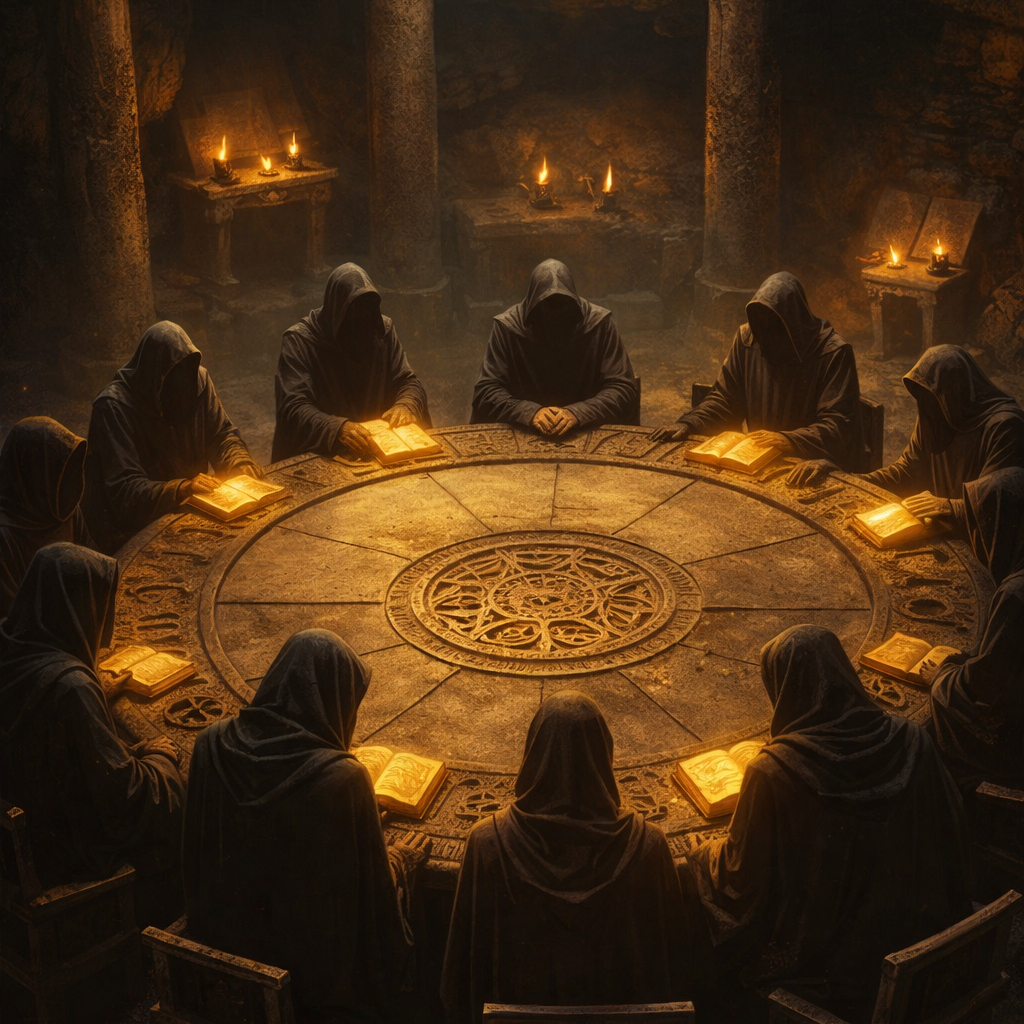
The text examines the origins of World War II, focusing on alleged involvement by groups like the NWO, Illuminati, and Freemasons. It suggests that occult forces and secret societies influenced global events leading to the conflict. The book encourages readers to look beyond official accounts and consider alternative explanations for historical occurrences. It aims to uncover hidden truths about power structures and their impact on history. The narrative creates an atmosphere of mystery, prompting critical thinking about widely accepted historical narratives.
The work is intended for those interested in hidden knowledge, occult studies, and esoteric practices. It promises insights into the nature of power and the influence of unseen forces in shaping the world. The book posits that understanding these hidden elements is key to comprehending historical events.
This work fits within the tradition of conspiracy literature that links major historical events to clandestine groups and occult philosophies. Such texts often interpret world affairs through a lens of hidden manipulation, positing that secret societies like the Illuminati or Freemasons operate behind the scenes. They draw on esoteric symbolism and historical interpretations that deviate from mainstream accounts, seeking to expose perceived hidden agendas and power dynamics that shape human history.
💡 Why Read This Book?
Reading 'Who Started World War 2' today is essential for anyone seeking a deeper understanding of the occult and esoteric dimensions of historical events. This book provides a unique perspective on World War 2, challenging conventional narratives and offering insights into the hidden agendas of powerful secret societies. By exploring the roles of the NWO, Illuminati, and Freemasons, readers gain a broader understanding of the forces that shaped the conflict. This book is not just for history buffs; it is for anyone interested in the intersection of the esoteric and the historical. It offers a fresh look at a pivotal moment in history, making it a valuable read for modern esoteric seekers.
⭐ Reader Reviews
Honest opinions from readers who have explored this book.
❓ Frequently Asked Questions
What makes this book unique among World War 2 histories?
This book stands out by exploring the occult and esoteric influences behind World War 2, focusing on the roles of secret societies like the NWO, Illuminati, and Freemasons.
Is this book suitable for someone new to esoteric studies?
Yes, this book is accessible to newcomers to esoteric studies, as it blends historical facts with esoteric theories in an engaging and informative manner.
How does this book challenge conventional narratives of World War 2?
The book challenges conventional narratives by presenting evidence and theories that suggest hidden agendas and occult influences played significant roles in the conflict.
🔮 Key Themes & Symbolism
Secret Societies and Power
Explore the hidden influences of secret societies like the Freemasons and the Illuminati on global politics. This book reveals how these mystical and occult forces have shaped world events, offering a unique perspective on the true origins of World War II.
Esoteric Symbolism
Study the strong symbolism and hidden meanings that pervade the book. From ancient symbols to modern occult practices, this theme uncovers the mystical underpinnings of historical events.
Hidden Knowledge and Mysticism
Discover the deeper, more enigmatic truths that lie beneath the surface narratives of history. This theme invites readers to question conventional wisdom and explore the mystical and occult influences that have shaped our world.
💬 Memorable Quotes
Direct passages from the work, attributed to the author.
“Mystical and occult forces are the unseen architects of history.”
— This statement underscores the book's exploration of the mystical and occult underpinnings of historical events.
💡 Key Ideas
Editorial paraphrase of the work's core concepts — not direct quotes.
The true origins of World War II lie in the shadows of secret societies.
This line underscores the book's central thesis: that the conflict was orchestrated by hidden forces.
Symbols hold the key to understanding the hidden currents of history.
This quote highlights the importance of esoteric symbolism in uncovering the true narratives of world events.
The Illuminati and Freemasons have shaped global politics for centuries.
This passage emphasizes the enduring influence of these secret societies on world affairs.
The surface narratives of history often conceal deeper truths.
This line invites readers to question conventional wisdom and explore the hidden influences that have shaped our world.
🌙 Esoteric Significance
Tradition
This book belongs to the Hermetic tradition, which emphasizes the study of hidden knowledge and the mystical underpinnings of the world. It draws on ancient symbols and occult practices to reveal the deeper truths that lie beneath the surface narratives of history.
Symbolism
Key symbols in the book include the all-seeing eye, the pyramid, and the pentagram, each of which holds significant esoteric meaning. These symbols are used to illustrate the hidden influences of secret societies and the mystical forces that shape world events.
Modern Relevance
The themes and insights in this book remain relevant today, as modern practitioners of esoteric arts continue to explore the hidden influences of secret societies and occult forces. The book's exploration of the true origins of World War II offers a unique perspective on the enduring influence of mystical and occult practices in global politics.
👥 Who Should Read This Book
Beginners in the study of esoteric arts will find this book accessible and enlightening, as it introduces key concepts and symbols in a clear and engaging manner. Scholars of Freemasonry and secret societies will appreciate the book's meticulous research and unique perspective on the hidden influences of these groups. Spiritual seekers will be drawn to the book's exploration of the mystical and occult underpinnings of world events, while practitioners of esoteric arts will find valuable insights and inspiration in its pages.
📜 Historical Context
Written in an era of heightened interest in conspiracy theories and secret societies, 'Who Started World War 2' emerged during a time when the public was increasingly curious about the hidden influences that shape world events. The book's publication coincided with a growing fascination with the occult and esoteric arts, making it an important contribution to the literature of hidden knowledge. Its influence can be seen in the works of later authors who study the mystical and occult underpinnings of global politics.
📔 Journal Prompts
Reflect on the role of secret societies in shaping world events. How have these groups influenced history?
Explore the significance of esoteric symbolism in your own life. What symbols hold meaning for you?
Consider the deeper truths that lie beneath the surface narratives of history. What hidden influences shape our world?
Reflect on the enduring influence of the Hermetic tradition in modern esoteric practices. How does this tradition inform your own spiritual journey?
Explore the modern relevance of the themes and insights in 'Who Started World War 2.' How do these ideas apply to contemporary events?
🗂️ Glossary
Freemasonry
A secret society with roots in the medieval stonemason guilds, known for its esoteric symbolism and rituals.
Illuminati
A mysterious and powerful secret society believed to influence global politics and events.
Hermetic Tradition
A spiritual and philosophical tradition based on the writings of Hermes Trismegistus, emphasizing hidden knowledge and mystical practices.
Esoteric Symbolism
The use of symbols and imagery to convey hidden meanings and spiritual truths.
Occult
The study of hidden or mysterious knowledge, often involving mystical or supernatural practices.
This book appears in 2 collections
🔮 Readers Also Liked
Browse all →
From the “Secret Societies” Collection
View all →
More Free Freemasonry & Secret Societies Books
View all →