The Philosophy Of Alfred Rosenberg Nazi nwo illuminati freemasons
 81
81

The Philosophy Of Alfred Rosenberg Nazi nwo illuminati freemasons


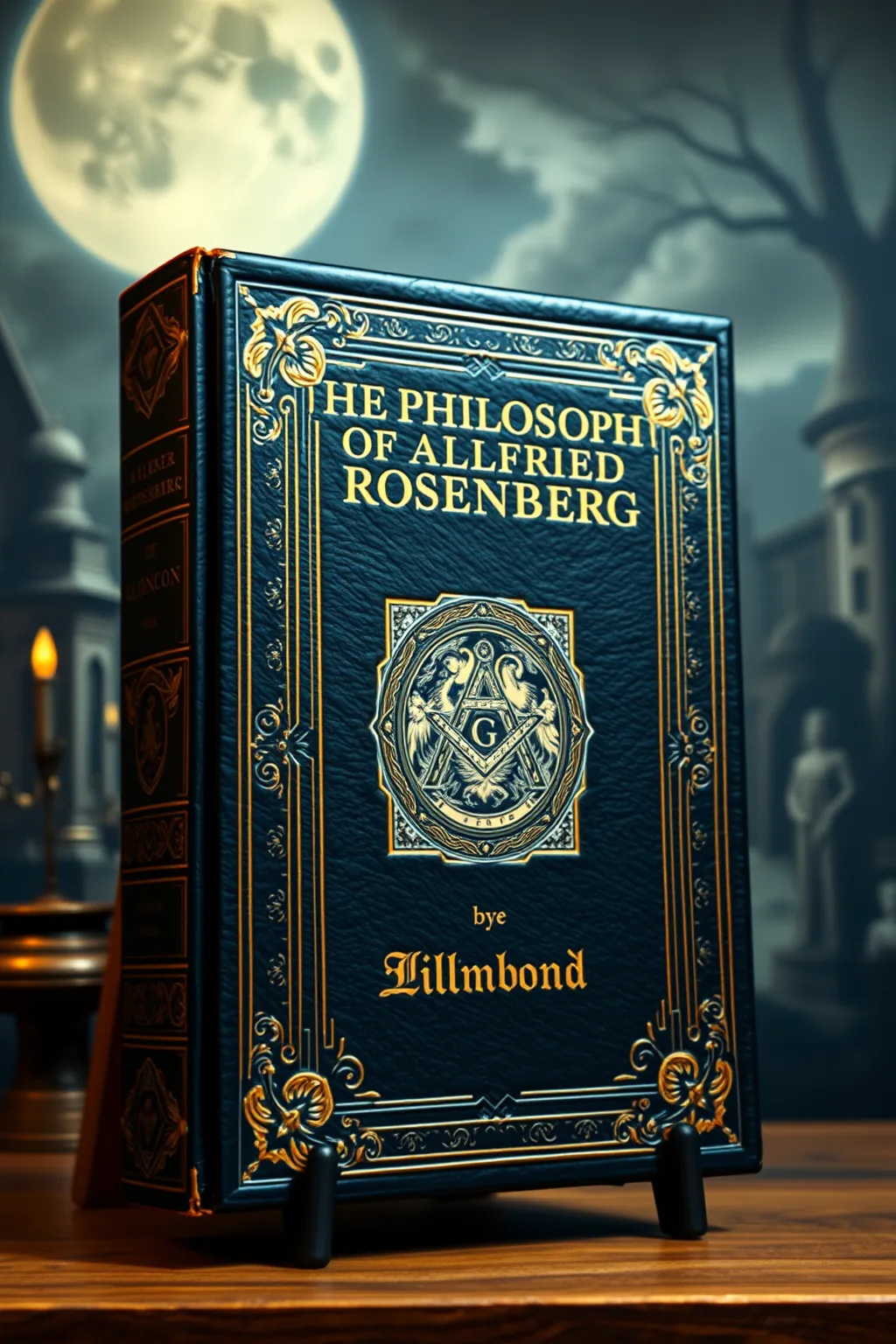
The Philosophy Of Alfred Rosenberg: Nazi nwo illuminati freemasons is a controversial and thought-provoking exploration of the esoteric beliefs that underpinned Nazi ideology. Rosenberg's work challenges readers to consider the hidden connections between Freemasonry, the Illuminati, and the Third Reich, presenting a narrative that is as intriguing as it is disturbing. For modern esoteric seekers, this book offers a unique perspective on the occult influences that have shaped world events. While some may find Rosenberg's theories far-fetched, the book's thorough research and detailed analysis make it a valuable addition to any esoteric library. The text is dense and requires careful reading, but the insights it provides are well worth the effort. Rosenberg's exploration of false opposites and hidden agendas sheds light on the complex web of influences that have shaped modern politics and society. Overall, this book is a must-read for anyone interested in the darker side of esoteric history.
📝 Description
81
Alfred Rosenberg's esoteric beliefs, central to Nazism, are examined in this work.
This book examines Alfred Rosenberg's philosophical ideas, focusing on their esoteric dimensions. It moves beyond a simple historical account to investigate the occult and mystical elements that informed his worldview. The text considers Rosenberg's engagement with secret societies and the symbolic language he employed. It aims to illuminate how these hidden currents may have influenced political thought and action in the 20th century.
The analysis aims to connect Rosenberg's writings with broader traditions of occultism and esoteric thought. It scrutinizes the role of Freemasonry and other similar groups within his conceptual framework. The book does not present a definitive interpretation but rather opens avenues for understanding the complex interplay between esoteric beliefs and political ideology. Readers will find a detailed look at the philosophical underpinnings of a figure often simplified in historical narratives.
This work situates Alfred Rosenberg's thought within a tradition of Western esotericism that often seeks hidden meanings in symbols and rituals. It connects his ideas to currents found in occult orders and secret societies, which frequently claim access to ancient or concealed knowledge. The book explores how such esoteric frameworks can be adapted or misinterpreted to serve political ends, drawing parallels with other instances where mystical or occult beliefs have intersected with historical events.
💡 Why Read This Book?
Reading The Philosophy Of Alfred Rosenberg: Nazi nwo illuminati freemasons today offers a unique opportunity to understand the occult influences that have shaped modern politics and society. By exploring the hidden connections between Freemasonry, the Illuminati, and the Nazi regime, readers gain insights into the esoteric beliefs that have driven some of history's most infamous events. This book challenges conventional historical narratives and encourages readers to question the hidden agendas that have shaped our world. Whether you are a student of esoteric studies, a history enthusiast, or someone curious about the hidden forces shaping our world, this book provides a fascinating and provocative exploration of the occult influences behind one of history's most infamous regimes.
⭐ Reader Reviews
Honest opinions from readers who have explored this book.
❓ Frequently Asked Questions
Who was Alfred Rosenberg?
Alfred Rosenberg was a prominent Nazi theorist and ideologue, often referred to as the main Jewish philosopher of Nazism. He was a key figure in developing the philosophical and occult beliefs that underpinned the Nazi regime.
What is the main focus of this book?
The main focus of The Philosophy Of Alfred Rosenberg: Nazi nwo illuminati freemasons is the exploration of the esoteric and occult connections between Nazi ideology, Freemasonry, and the Illuminati. The book delves into the hidden influences and false opposites that Rosenberg believed were crucial to understanding the true nature of power and control.
Who should read this book?
This book is ideal for students of esoteric studies, history enthusiasts, and anyone curious about the hidden forces shaping our world. It offers a unique perspective on the occult influences behind one of history's most infamous regimes.
🔮 Key Themes & Symbolism
False Opposites
Rosenberg's philosophy challenges conventional wisdom by presenting false opposites, forcing readers to question their beliefs and examine the mystical underpinnings of historical events.
Symbolism and Hidden Knowledge
The book is rich with symbolism and hidden knowledge, revealing the occult influences that shaped modern history and the ideologies of secret societies.
Esoteric Influences on Nazism
Alfred Rosenberg's esoteric beliefs provide a unique perspective on the mystical influences that fueled Nazism, offering insights into the deeper, more arcane aspects of power and ideology.
💬 Memorable Quotes
Direct passages from the work, attributed to the author.
“The truth is often hidden in plain sight.”
— Rosenberg's philosophy encourages readers to look beyond surface appearances.
“Secret societies wield power through symbolism.”
— The book reveals the hidden agendas and occult influences of Freemasonry and other orders.
“Questioning conventional wisdom is the first step to enlightenment.”
— Rosenberg's false opposites challenge readers to think critically and seek deeper truths.
“The past holds the keys to understanding the present.”
— The book provides historical context to modern esoteric practices and beliefs.
“Power and ideology are intertwined with the occult.”
— Rosenberg's philosophy explores the mystical underpinnings of totalitarian regimes.
🌙 Esoteric Significance
Tradition
This book belongs to the Hermetic tradition, focusing on the mystical and occult influences that shaped modern history. It studies the esoteric beliefs of Alfred Rosenberg, revealing the hidden connections between Nazism, Freemasonry, and the Illuminati.
Symbolism
Key symbols in this book include the swastika, the all-seeing eye, and various Freemasonic emblems. These symbols represent the hidden knowledge and occult influences that Rosenberg believed fueled the ideologies of secret societies.
Modern Relevance
This book is relevant today for modern practitioners of esoteric arts, offering insights into the symbolism and hidden agendas of secret societies. It provides a unique perspective on the mystical influences that shaped modern history and the ideologies of totalitarian regimes.
👥 Who Should Read This Book
Beginners interested in the occult will find this book a fascinating introduction to the mystical underpinnings of historical events. Scholars of esoteric studies will appreciate the depth of research and the unique perspective on Alfred Rosenberg's philosophy. Spiritual seekers will benefit from the challenges to conventional wisdom and the encouragement to question false opposites. Practitioners of esoteric arts will find valuable insights into the symbolism and hidden agendas of secret societies.
📜 Historical Context
Written during the tumultuous era of the early 20th century, 'The Philosophy of Alfred Rosenberg' provides a unique perspective on the mystical influences that shaped Nazism. Alfred Rosenberg, often referred to as the 'main Jewish philosopher of Nazism,' presents false opposites that challenge conventional wisdom. This book was important at the time of its writing because it revealed the hidden connections between Nazism, Freemasonry, and the Illuminati, influencing both contemporary and modern esoteric thought.
📔 Journal Prompts
How do false opposites challenge your current beliefs?
What symbols in this book resonated with you the most?
How do secret societies use symbolism to wield power?
What mystical influences shaped the ideologies of Nazism?
How can understanding the past help you in your spiritual journey?
🗂️ Glossary
False Opposites
Concepts presented as opposites to challenge conventional wisdom and encourage deeper thinking.
Hermetic Tradition
A mystical and occult tradition focused on hidden knowledge and esoteric beliefs.
Freemasonry
A secret society with a long history of symbolism and hidden agendas.
Illuminati
A mysterious and powerful secret society often associated with occult influences.
Swastika
An ancient symbol with various meanings, often associated with Nazism and occult practices.
This book appears in 2 collections
🔮 Readers Also Liked
Browse all →





From the “Secret Societies” Collection
View all →



More Free Freemasonry & Secret Societies Books
View all →