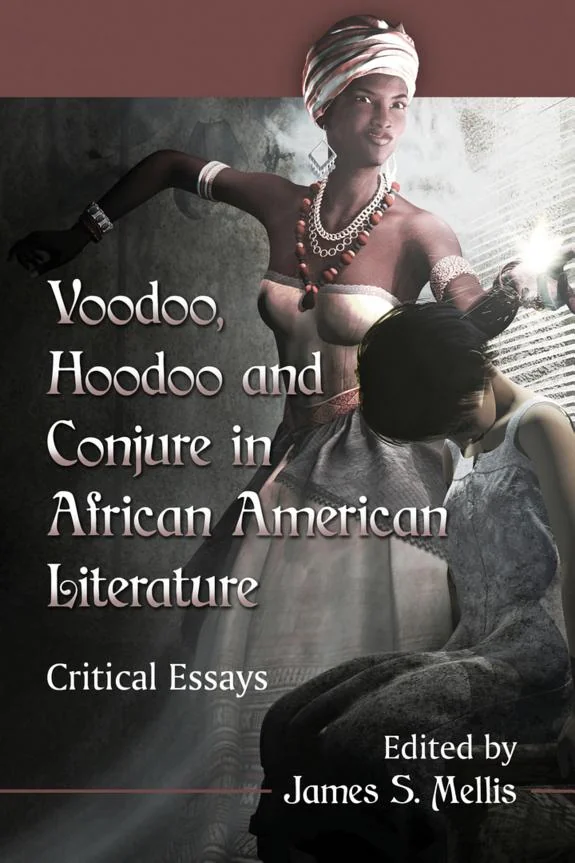
Voodoo, Hoodoo and Conjure in African American Literature
 76
76

Voodoo, Hoodoo and Conjure in African American Literature
James S. Mellis’s "Voodoo, Hoodoo and Conjure in African American Literature" offers a much-needed scholarly examination of a topic often relegated to the sensational or misunderstood. The collection’s strength lies in its meticulous engagement with primary literary texts, moving beyond superficial engagements with these spiritual traditions. A particular highlight is the analysis of how Zora Neale Hurston, a practitioner herself, incorporated Hoodoo elements not merely as exotic color but as integral to her characters’ lived realities and agency. While the essays are uniformly strong, a more explicit discussion of the *limitations* faced by authors attempting to represent these traditions within a predominantly Christian or secular literary landscape might have added another layer of critical depth. Overall, this is an essential resource for anyone interested in the spiritual underpinnings of African American literary history.
📝 Description
76
This 2018 collection examines Voodoo, Hoodoo, and Conjure in African American literature.
James S. Mellis's collection of essays investigates the presence and function of African spiritual practices, specifically Voodoo, Hoodoo, and Conjure, within African American literary works. The volume traces the integration of these traditions, showing their role as a source of creative energy and a method for writers to maintain cultural ties. The essays cover a broad historical sweep, starting with early slave accounts and extending to modern publications. They argue that these spiritual practices were more than just literary tools. They were vital for preserving identity and fostering resilience through generations, especially from the 1800s onward.
The book looks at how Voodoo, Hoodoo, and Conjure operate within literary narratives. They are shown as driving forces for stories, reservoirs of symbolic might, and forms of protest. Mellis's contributors aim to depict these as sophisticated spiritual frameworks, moving beyond common, sensationalized views. The essays also analyze how these practices shape characters and contribute to the central ideas in literary pieces.
This book fits within the study of African diasporic religions and their influence on cultural production. It examines Voodoo, Hoodoo, and Conjure not merely as religious systems but as active forces shaping literary expression and identity. The work highlights how these traditions provided frameworks for understanding the world, asserting agency, and maintaining community in the face of oppression. By focusing on their literary manifestations, the collection connects the spiritual and the artistic, demonstrating how African-derived cosmologies continue to inform creative output and cultural memory.
💡 Why Read This Book?
• Understand the nuanced literary uses of Voodoo, Hoodoo, and Conjure, moving beyond stereotypes, as explored in essays covering authors from Frederick Douglass to Jesmyn Ward. • Gain insight into how African spiritual practices provided a vital link to ancestral heritage and cultural identity for African American writers, particularly from the 19th century onward. • Discover how these spiritual traditions function as narrative structures and sources of power in literature, as detailed in the analysis of specific works and concepts.
⭐ Reader Reviews
Honest opinions from readers who have explored this book.
❓ Frequently Asked Questions
What is the primary focus of "Voodoo, Hoodoo and Conjure in African American Literature"?
The book focuses on how African American authors have incorporated Voodoo, Hoodoo, and Conjure practices into their literary works, using them for inspiration, cultural connection, and thematic development from early slave narratives to contemporary fiction.
Which specific African American authors are discussed in the book?
The volume covers a range of authors, including Frederick Douglass, Shirley Graham, Zora Neale Hurston, Jewell Parker Rhodes, and contemporary writers like Colson Whitehead and Jesmyn Ward.
When was "Voodoo, Hoodoo and Conjure in African American Literature" first published?
The book was first published on June 20, 2019, making it a relatively recent contribution to the study of African American literary traditions and spirituality.
How does the book differentiate Voodoo, Hoodoo, and Conjure from sensationalized portrayals?
It presents these practices as complex spiritual systems integral to African American culture and literary expression, moving beyond common stereotypes by examining their authentic use by authors.
What is the academic significance of this collection of essays?
This collection offers new scholarly perspectives on the intersection of African spirituality and African American literature, providing critical analysis of how these traditions shape narrative, character, and cultural identity.
Does the book explore the historical roots of these practices in African American literature?
Yes, it traces the influence from early slave narratives, demonstrating a sustained engagement with African spiritual practices as a means of maintaining connection to Africa and asserting cultural resilience.
🔮 Key Themes & Symbolism
Spiritual Resilience and Identity
This theme examines how Voodoo, Hoodoo, and Conjure function as vital threads connecting African American writers and characters to their ancestral heritage. It highlights their role in preserving cultural identity and fostering resilience against oppressive historical forces, particularly evident from the 19th century slave narratives through to modern fiction.
Literary Manifestations of African Spirituality
The collection details the diverse ways African spiritual practices are rendered in literature, moving beyond simplistic or sensationalized depictions. It explores how authors like Zora Neale Hurston integrated these traditions authentically, using them as narrative engines and sources of symbolic power that shape characters and plot.
From Oral Tradition to Written Word
This theme addresses the transmission of Voodoo, Hoodoo, and Conjure from oral traditions into written literary forms. The essays analyze how authors capture the essence of these living practices, ensuring their continuation and influence within the African American literary canon, thus maintaining a connection to Africa.
Conjure as Narrative and Resistance
Focusing on Conjure, this theme investigates its function not only as a spiritual practice but also as a literary device for empowerment and resistance. The essays explore how characters wielding conjure articulate agency and challenge dominant narratives, demonstrating its complex role in African American storytelling.
💬 Memorable Quotes
Direct passages from the work, attributed to the author.
“African American authors have drawn on African spiritual practices as literary inspiration, and as a way to maintain a connection to Africa.”
— This statement frames the core argument: these spiritual traditions are not mere literary embellishments but fundamental tools for cultural continuity and creative expression within the African American literary tradition.
“The volume has collected new essays about the multiple ways African American authors have incorporated Voodoo, Hoodoo and Conjure in their work.”
— This highlights the book's structure as a collection of contemporary scholarship, emphasizing the breadth of analysis and the focus on diverse literary applications of these specific spiritual practices.
“From the earliest slave narratives to modern fiction by the likes of Colson Whitehead and Jesmyn Ward...”
— This citation establishes the historical sweep of the book's inquiry, demonstrating that the engagement with African spiritual practices is a persistent and evolving element throughout the history of African American literature.
“Among the authors covered are Frederick Douglass, Shirley Graham, Jewell Parker Rhodes, Zora Neale Hurston, Ri”
— This partial list indicates the critical figures whose works are analyzed, showcasing a range from foundational 19th-century writers to significant 20th-century voices known for their engagement with African American folk culture and spirituality.
“This volume has collected new essays about the multiple ways African American authors have incorporated Voodoo, Hoodoo and Conjure in their work.”
— This emphasizes the scholarly nature of the essays, suggesting an in-depth, academic approach to understanding the literary significance and cultural function of these spiritual traditions in African American writing.
🌙 Esoteric Significance
Tradition
This work engages with Afro-Caribbean and African American folk religious traditions, often categorized broadly under the umbrella of 'esotericism' due to their non-mainstream status and emphasis on spiritual power and practice. It departs from Western esoteric lineages like Hermeticism or Kabbalah by focusing on traditions rooted in West African cosmologies and syncretized with Catholicism and Protestantism in the Americas.
Symbolism
Key symbols explored include the power of herbs, roots, and gris-gris in Hoodoo for protection, healing, or influence; the role of ancestors and spirits (like the Loa in Vodou) as intermediaries and sources of guidance; and the performative aspects of ritual, such as chants and dances, which serve to manifest spiritual energy and maintain connection to the divine.
Modern Relevance
Contemporary practitioners of Hoodoo and practitioners within various Vodou traditions continue to draw on these spiritual frameworks. In literary and cultural studies, the work informs discussions on decolonization, cultural reclamation, and the enduring power of African spiritual legacies. Thinkers exploring Black speculative fiction and Afrofuturism often find resonance with the magical and spiritual elements represented in these traditions.
👥 Who Should Read This Book
['• Scholars of African American literature seeking to deepen their understanding of the spiritual and cultural influences on canonical and contemporary works.', '• Students of religious studies interested in the syncretic nature and literary representation of African diasporic religions like Voodoo and Hoodoo.', '• Readers curious about the role of folk magic and spirituality in shaping cultural identity and narrative resistance within African American communities.']
📜 Historical Context
Published in 2019, James S. Mellis's edited volume arrives at a moment of renewed scholarly interest in the intersections of African diaspora religions and American literature. Its intellectual lineage traces back to early 20th-century ethnographers like Zora Neale Hurston, who actively documented and participated in Hoodoo practices, and later scholars who analyzed these traditions within the context of African American cultural resistance. The book engages with a field that has seen significant work from scholars such as Henry Louis Gates Jr. and Albert J. Raboteau, who explored African survivals and religious expression. Mellis's collection specifically addresses the literary manifestations, building upon scholarship that often focused more broadly on religious practice or folklore. By presenting new essays, it aims to update and broaden the critical conversation, offering contemporary analyses of authors ranging from Frederick Douglass to Jesmyn Ward, thus placing these spiritual elements within the evolving field of African American literary studies.
📔 Journal Prompts
The literary representation of conjure practices in the works of Frederick Douglass.
Zora Neale Hurston's use of Hoodoo as a narrative device.
The function of Voodoo symbolism in connecting characters to ancestral African heritage.
How Jesmyn Ward's fiction engages with spiritual traditions to explore resilience.
The contrast between historical portrayals and scholarly analysis of Conjure in literature.
🗂️ Glossary
Voodoo
A syncretic religion that originated in Haiti from the fusion of West African Vodun, Catholicism, and French colonial influences. It involves the veneration of spirits known as Loa and practices aimed at communication and mediation between the human and spirit worlds.
Hoodoo
A spiritual practice developed among enslaved Africans in the Americas, drawing from West African traditions. It often involves folk magic, healing, divination, and the use of herbs, roots, and charms, frequently referred to as 'conjure'.
Conjure
A term often used interchangeably with Hoodoo, referring to folk magic practices involving spells, charms, and spiritual work. In literature, it can represent a source of power, agency, and resistance for characters.
Slave Narratives
Autobiographical accounts written or dictated by enslaved people in the United States, offering firsthand testimonies of the brutality of slavery and often subtly or overtly incorporating spiritual beliefs and practices.
Gris-gris
A type of amulet or charm, often a small bag containing specific items, used in Hoodoo and other folk magic traditions for protection, luck, or to bring about a desired outcome.
Loa
Spirits or deities in Haitian Vodou, acting as intermediaries between God (Bondye) and humanity. They are invoked in rituals for guidance, assistance, and blessings.
Syncretism
The blending of different religious beliefs, practices, and cultures. In the context of Voodoo and Hoodoo, it refers to the merging of African spiritual traditions with elements of Christianity and other European influences.
This book appears in 1 collection
🔮 Readers Also Liked
Browse all →








From the “Hoodoo” Collection
View all →








More Free Occult Philosophy Books
View all →