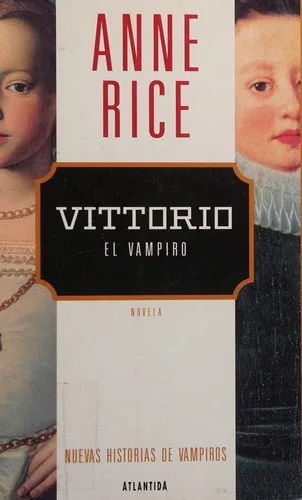
Vittorio the Vampire
 80
80

Vittorio the Vampire
Anne Rice's "Vittorio the Vampire" presents a solitary immortal, Vittorio, whose existence is less about predatory allure and more about the crushing weight of eternity. The novel excels in its atmospheric depiction of Vittorio’s isolation, particularly in scenes detailing his ancient, decaying European settings. However, the narrative occasionally feels repetitive, dwelling on Vittorio’s melancholic reflections without substantial plot progression. A notable aspect is Rice's characteristic exploration of the vampire's internal world, making Vittorio a figure of tragic, if somewhat static, contemplation. The work's strength lies in its mood, though its pacing might test readers seeking more dynamic conflict. "Vittorio the Vampire" is a somber character study, offering a melancholic portrait of eternal solitude.
📝 Description
80
Anne Rice's 1999 novel, Vittorio the Vampire, details the long existence of its titular character.
Vittorio the Vampire, published in 1999, presents the life of a vampire named Vittorio. The novel operates within gothic horror and supernatural fiction. It examines vampirism through a unique perspective, touching on mortality, immortality, and the burdens that come with existence. Rice uses Vittorio to explore the results of his transformation. This book suits readers who prefer character-focused stories in the supernatural genre. Those interested in the psychological aspects of monstrous figures, rather than action-heavy vampire stories, will find it engaging. It will also appeal to fans of Anne Rice's previous vampire works and readers drawn to gothic literature that contemplates the existential weight of unending life and the human condition.
Published in 1999, Vittorio the Vampire arrived during a period of renewed interest in vampire lore, building on traditions from Bram Stoker's Dracula and Rice's own influential 'Vampire Chronicles.' The novel taps into gothic themes, exploring the enduring fascination with the immortal predator. Rice's work examines the psychological and existential weight of unending life, positioning the vampire not just as a monster but as a figure grappling with profound isolation and the consequences of his unnatural state.
💡 Why Read This Book?
• Gain insight into the existential burdens of immortality, as Vittorio grapples with centuries of isolation, a concept deeply explored through his ancient European dwelling. • Experience a detailed portrayal of gothic atmosphere, immersing yourself in the decaying grandeur and psychological decay that characterizes Vittorio’s prolonged existence. • Understand Rice's unique contribution to the vampire mythos, moving beyond simple horror to examine the philosophical implications of eternal life, as seen in Vittorio's internal struggles.
⭐ Reader Reviews
Honest opinions from readers who have explored this book.
❓ Frequently Asked Questions
What is the primary focus of Anne Rice's "Vittorio the Vampire"?
The novel primarily focuses on the psychological and existential burdens of immortality, exploring the profound isolation and melancholic existence of the vampire Vittorio over centuries.
When was "Vittorio the Vampire" first published?
Anne Rice's "Vittorio the Vampire" was first published in 1999, contributing to the late 20th-century resurgence of interest in gothic and supernatural fiction.
Does "Vittorio the Vampire" feature the same characters as "Interview with the Vampire"?
No, "Vittorio the Vampire" introduces a new protagonist, Vittorio, and is a standalone narrative within the broader gothic vampire genre, distinct from Rice's "Vampire Chronicles" characters like Lestat.
What themes are explored in "Vittorio the Vampire"?
Key themes include cursed immortality, profound loneliness, the weight of time, the human condition viewed through an immortal lens, and the destructive nature of power.
Is "Vittorio the Vampire" a part of Anne Rice's "Vampire Chronicles" series?
While sharing thematic similarities and the author's signature style, "Vittorio the Vampire" is generally considered a separate narrative focusing on its titular character, not directly part of the main "Vampire Chronicles" storyline.
What kind of setting does "Vittorio the Vampire" utilize?
The novel employs a classic gothic setting, often featuring decaying European castles and ancient landscapes that enhance the mood of isolation and the passage of immense time.
🔮 Key Themes & Symbolism
The Burden of Immortality
Vittorio's existence is defined by the immense weight of unending life. The narrative emphasizes the psychological toll, depicting a profound sense of isolation and detachment from the transient human world. This theme is amplified by the ancient, decaying settings that mirror Vittorio's own prolonged, unchanging state, making his immortality a curse rather than a gift.
Gothic Atmosphere and Decay
The novel employs classic gothic elements to create a palpable atmosphere of dread and melancholy. Descriptions of crumbling estates and forgotten European locales serve not just as backdrops but as extensions of Vittorio's internal state, reflecting his ancient weariness and the decay that accompanies his perpetual existence.
Existential Loneliness
Central to Vittorio's character is his profound loneliness. Severed from mortal connections and enduring through epochs, he experiences an outstanding isolation. This theme is explored through his introspective monologues and his interactions, or lack thereof, with the fleeting human world, highlighting the inherent solitude of the immortal.
The Nature of Power
While not a central focus, Vittorio's vampiric nature grants him a form of power. The narrative touches upon the corrupting or isolating influence this power can have, particularly when it separates him irrevocably from humanity and contributes to his melancholic, detached perspective on life and death.
💬 Memorable Quotes
Direct passages from the work, attributed to the author.
“His ancient castle was a tomb, his immortality its eternal occupant.”
— This interpretation emphasizes the gothic setting and its connection to Vittorio's state. The castle becomes a metaphor for his existence, framing his immortality as a living death.
“The world changed, but Vittorio remained, a silent observer adrift in time.”
— This captures the theme of detachment and the vampire's inability to truly participate in the flow of human history, portraying him as an eternal outsider.
“Desire, a fleeting spark in the endless night of his being.”
— This suggests that even potent human emotions like desire are diminished and rendered transient against the backdrop of Vittorio's vast, unchanging existence.
“He was a relic, a ghost haunting the present from a forgotten past.”
— This interpretation underscores Vittorio's anachronistic nature and his disconnect from contemporary life, positioning him as a figure perpetually out of sync with time.
💡 Key Ideas
Editorial paraphrase of the work's core concepts — not direct quotes.
The passage of centuries offered no solace, only a deeper etching of solitude.
This paraphrased concept highlights Vittorio's unending existence as a source of isolation rather than wisdom or peace, underscoring the novel's focus on the psychological cost of immortality.
🌙 Esoteric Significance
Tradition
While not strictly adhering to a codified esoteric tradition like Hermeticism or Gnosticism, Rice's work taps into archetypal themes found in many such systems, particularly those concerning the duality of existence, the curse of forbidden knowledge or power, and the struggle between the spiritual and the carnal. Vittorio's vampirism can be viewed as a metaphor for a detached, immortal state that transcends normal human experience, echoing concepts of fallen angels or beings who have achieved a form of immortality at a profound spiritual cost.
Symbolism
The crumbling, ancient European castle serves as a potent symbol of stagnation and the weight of centuries, mirroring Vittorio's own arrested development and unending existence. Blood, a central motif in vampire lore, symbolizes life force and forbidden sustenance, representing the vampire's parasitic relationship with the mortal world and their separation from natural cycles. The perpetual night under which vampires exist symbolizes their otherness and their existence outside the natural order of day and renewal.
Modern Relevance
Contemporary dark fantasy and paranormal romance authors often draw upon Rice's characterization of vampires as deeply flawed, introspective beings rather than mere predators. Thinkers and practitioners interested in archetypal psychology or the exploration of the shadow self within gothic frameworks might find resonance in Vittorio's isolation and internal torment. The novel's focus on the existential dread of endless existence speaks to modern anxieties about meaning and purpose in a secularized world.
👥 Who Should Read This Book
• Readers interested in gothic literature and atmospheric storytelling, who appreciate narratives rich in mood and psychological depth over fast-paced action. • Fans of Anne Rice's previous works, particularly her "Vampire Chronicles," seeking further exploration of her unique take on vampire mythology and immortal characters. • Individuals drawn to philosophical explorations of mortality, immortality, and the human condition, framed within a supernatural context that examines existential loneliness.
📜 Historical Context
Anne Rice's "Vittorio the Vampire," released in 1999, arrived during a period of intense popular fascination with vampire lore, building on the foundation she had laid with her "Vampire Chronicles" starting in 1976. The late 20th century saw a revival of gothic sensibilities in literature and film, influenced by decades of Bram Stoker's "Dracula" adaptations and a broader cultural interest in the supernatural. Rice's work stood apart by focusing on the internal, psychological field of vampires, presenting them as complex, often tragic figures rather than simple monsters. This contrasted with more traditional horror narratives or the burgeoning urban fantasy trends. While not directly engaging with specific academic debates, Rice's approach contributed to the ongoing redefinition of the vampire archetype, moving it further into the field of gothic romance and existential exploration, a path echoed by other authors exploring dark, immortal beings.
📔 Journal Prompts
Vittorio's ancient castle as a symbol of his unchanging existence.
Reflect on the concept of immortality as a profound isolation.
The symbolic weight of blood in Vittorio's eternal life.
Analyze the gothic atmosphere as a reflection of internal decay.
Consider the desire for connection versus the reality of eternal solitude.
🗂️ Glossary
Vampire
A mythical or folkloric being who subsists by feeding on the vital essence (generally in the form of blood) of the living. In literature, often depicted with supernatural powers and an extended, immortal lifespan.
Gothic Literature
A genre characterized by elements of horror, death, and romance, often featuring decaying settings, supernatural events, and intense emotions. It explores themes of the sublime, the uncanny, and psychological dread.
Immortality
The state of having eternal life; exemption from death. In fiction, often depicted as a curse or burden as much as a gift, leading to detachment and ennui.
Existentialism
A philosophical movement emphasizing individual existence, freedom, and choice. It often deals with themes of dread, absurdity, and the search for meaning in a meaningless universe.
Archetype
A typical example of a certain person or thing; a recurring symbol or motif in literature and mythology that represents universal patterns of human nature.
Ennui
A feeling of listlessness and dissatisfaction arising from a lack of occupation or excitement; a profound boredom often associated with prolonged existence.
Supernatural
Attributed to some force beyond scientific understanding or the laws of nature.
🔮 Readers Also Liked
Browse all →









More by Anne Rice
All books →





More Free Occult Philosophy Books
View all →