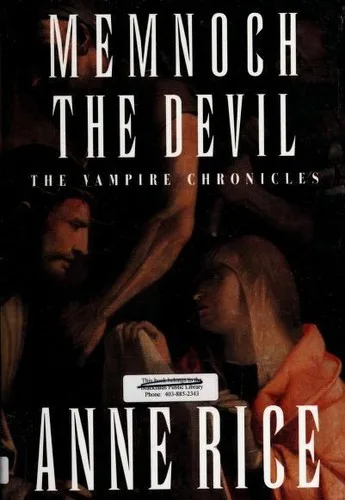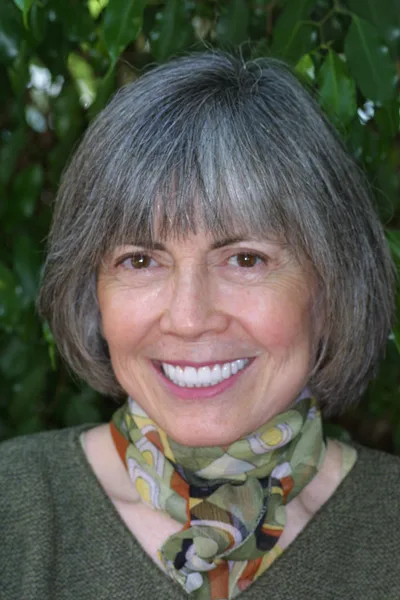
Anne Rice was a prolific author known for Gothic fiction, particularly The Vampire Chronicles, with a life marked by spiritual exploration and personal tragedy.
Anne Rice, born Howard Allen Frances O'Brien in 1941, was an American author celebrated for her contributions to Gothic fiction, erotic literature, and Bible fiction. She gained widespread recognition for her seminal work, "The Vampire Chronicles," which explored supernatural themes and was later adapted into a successful film. Rice's life journey was characterized by significant shifts in her spiritual and philosophical outlook. Raised in an observant Catholic household in New Orleans, she later became an agnostic in adulthood. Her return to Catholicism in the mid-2000s led to the publication of religiously themed novels, though she eventually distanced herself from organized religion while retaining a personal Christian faith and later identifying as a secular humanist.
Her literary career began with the publication of "Interview with the Vampire" in 1976. Rice's books have achieved immense commercial success, selling over 100 million copies worldwide. Beyond her most famous vampire series, she authored other notable works, including "The Feast of All Saints" and erotic fiction under pseudonyms. Rice's personal life included a 41-year marriage to Stan Rice, the loss of her young daughter Michele to leukemia, and the birth of her son Christopher, who also became an author. She passed away in 2021.
Early Life and Spiritual Evolution
Born in New Orleans, Anne Rice's early years were deeply influenced by the city's unique atmosphere and her Irish Catholic upbringing. Despite her family's religious observance, she developed agnostic views in young adulthood. Her birth name, Howard Allen Frances O'Brien, was a source of self-consciousness, and she legally adopted the name Anne in childhood. The tragic death of her mother from alcoholism when Rice was fifteen significantly impacted her. Later, Rice experienced a period of profound spiritual searching. Following a publicized return to Catholicism in her later years, she explored themes of faith and religion in her writing, publishing fictional accounts of Jesus's life. However, she eventually moved away from organized religion, maintaining a personal Christian faith and later embracing secular humanism.
Literary Career and Thematic Exploration
Anne Rice's literary output spanned Gothic fiction, erotic literature, and biblical fiction, with "The Vampire Chronicles" being her most iconic contribution. Her novels often delved into themes of immortality, sexuality, power, and the human condition, frequently set against atmospheric backdrops. She explored the supernatural not just as a source of horror but as a lens through which to examine complex philosophical and psychological questions. Rice also penned erotic novels under pseudonyms like Anne Rampling and A. N. Roquelaure, further expanding her thematic range. Her distinctive writing style and the depth of her literary content garnered critical attention and analysis throughout her career, solidifying her position as a significant voice in contemporary literature.
Personal Life and Resilience
Rice's personal life was marked by both profound love and significant loss. She was married to poet and painter Stan Rice for 41 years, a partnership that provided a stable foundation for much of her creative output. The couple faced the devastating loss of their young daughter, Michele, to leukemia, an event that deeply affected Rice and which she described as being foreshadowed by a prophetic dream. Later, they welcomed their son, Christopher, who also became a successful author. Rice openly discussed her struggles with alcoholism, and she and her husband made a conscious decision to quit drinking in 1979, aiming to provide a healthier environment for their son. Her journey through grief and addiction, alongside her enduring creative drive, showcases a remarkable resilience.
Notable Quotes
“Well, my birth name is Howard Allen because apparently my mother thought it was a good idea to name me Howard. My father's name was Howard, she wanted to name me after Howard, and she thought it was a very interesting thing to do. She was a bit of a Bohemian, a bit of mad woman, a bit of a genius, and a great deal of a great teacher. And she had the idea that naming a woman Howard was going to give that woman an unusual advantage in the world.”
“Thinking back to the days when his own name had been associated with girls, and perhaps in an effort to give it away, Howard named the little girl Howard Allen Frances O'Brien.”
“I was honored to have my aunt's name, but it was my burden and joy as a child to have strange names”
“something out of Jane Eyre ... a dilapidated, awful, medieval type of place. I really hated it and wanted to leave. I felt betrayed by my father.”
“My father wrote her a formal letter inviting her to lunch which I hand-delivered to her house ... I was so nervous. In the note he enclosed a pin which she was to wear if she accepted the invitation. The next day she had the pin on.”