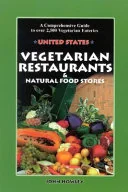
Vegetarian Restaurants and Natural Food Stores in the U. S.
 78
78

Vegetarian Restaurants and Natural Food Stores in the U. S.
John Howley's 2002 guide, Vegetarian Restaurants and Natural Food Stores in the U.S., offers a straightforward, unpretentious compilation. Its primary strength lies in its dedicated focus and the author's evident, long-standing commitment to the vegetarian lifestyle, evidenced by his over 20 years as a practitioner. The work delivers precisely what its title promises: a directory. However, its inherent limitation is its publication date. A guide from 2002, while valuable as a historical snapshot, is naturally outdated in the rapidly evolving landscape of natural food and vegan dining. The specific passage detailing the proliferation of soy-based alternatives in health food stores, for instance, serves as a marker of the early 2000s culinary scene. Ultimately, it's a useful historical artifact for understanding the growth of this market, but less so as a current travel resource.
📝 Description
78
Published in 2002, John Howley's guide lists vegetarian restaurants and natural food stores across the United States.
John Howley compiled Vegetarian Restaurants and Natural Food Stores in the U.S. in 2002. Drawing on his own travel experience, he created a directory of establishments supporting vegetarian and natural food lifestyles. The book covers a wide range of eateries and shops nationwide.
This guide is for people interested in vegetarianism or natural foods, especially those who travel often within the US. It includes vegans, vegetarians, and anyone looking for healthier food choices or shopping options. The book also speaks to the growing interest in natural foods seen in the early 2000s.
While not a traditional esoteric text, this book emerged from a specific subculture's growing need for community and resource mapping. The rise of natural foods and vegetarianism in the late 20th and early 21st centuries represented a conscious choice for many to align their consumption with ethical, environmental, or health principles. Directories like Howley's served as practical tools for individuals seeking to live according to these principles, creating a network of support and accessibility for a lifestyle choice that was often outside the mainstream.
💡 Why Read This Book?
• Gain insight into the landscape of vegetarian and natural food options as it existed in 2002, noting the growth and changes since John Howley's travels. • Discover specific types of establishments and regional concentrations of natural food stores that were prominent during the early 2000s, a key period for the movement. • Understand the practical challenges and opportunities for vegetarians and vegans in the US prior to the widespread digital mapping and review platforms of today.
⭐ Reader Reviews
Honest opinions from readers who have explored this book.
❓ Frequently Asked Questions
When was Vegetarian Restaurants and Natural Food Stores in the U.S. first published?
The book was first published in 2002. This places it within a specific era of the natural foods movement, offering a snapshot of available resources at that time.
Who is the author of Vegetarian Restaurants and Natural Food Stores in the U.S.?
The author is John Howley, who had been a vegetarian for over 20 years when he compiled this guide based on his extensive travels across the US.
What kind of information does the book provide?
It provides a directory of vegetarian eateries and natural food stores throughout the United States, based on the author's personal visits and research.
Is this book still up-to-date for finding current restaurants?
Given its 2002 publication date, the book is not a current resource for finding operating restaurants. However, it serves as a valuable historical document of the market's evolution.
What is the author's background related to this guide?
John Howley is a long-time vegetarian and has authored two previous travel guides, indicating a strong background in compilation and travel writing focused on specific lifestyle needs.
What does the book reveal about the natural food market in the early 2000s?
It illustrates the growing accessibility and variety of vegetarian and natural food options available across the US during the early 2000s, reflecting increasing consumer interest.
🔮 Key Themes & Symbolism
Accessibility of Natural Foods
The book documents the expanding availability of vegetarian and natural food options across the United States. By cataloging numerous restaurants and stores, Howley illustrates a growing infrastructure supporting these dietary choices. This theme is crucial for understanding the nascent stages of the modern health food industry, highlighting the shift from niche markets to more mainstream accessibility in the early 2000s. It implicitly celebrates the normalization of plant-based eating and organic products.
Travel and Lifestyle Integration
This theme centers on how dietary preferences can be integrated into a mobile, traveling lifestyle. John Howley's extensive travels across the US form the basis of the guide, demonstrating that maintaining a specific diet, like vegetarianism, was increasingly feasible nationwide. The book serves as a practical tool for travelers, suggesting that personal values regarding food could be upheld even while on the road, a significant consideration before ubiquitous digital resources.
Historical Market Snapshot
As a publication from 2002, the guide offers a valuable historical perspective on the natural food and vegetarian restaurant landscape. It captures a specific moment in time, reflecting the types of businesses, their locations, and the general consumer environment of that era. This provides a baseline for observing the subsequent evolution and growth of the industry, including the rise of veganism and specialized dietary movements.
💬 Memorable Quotes
Direct passages from the work, attributed to the author.
“A vegetarian for over 20 years, John Howley visited numerous vegetarian eateries and natural food stores during his extensive travels throughout the US.”
— This statement establishes the author's deep personal connection to and long-term commitment to vegetarianism, lending credibility to his firsthand accounts and research within the guide.
“He has authored two previous travel guides.”
— This detail highlights the author's established expertise in the genre of travel writing and compilation, suggesting a methodical approach to gathering and presenting information.
“The work explores vegetarian eateries and natural food stores.”
— This concise summary points to the book's core function: providing a directory of establishments catering to a specific, health-conscious dietary lifestyle.
“Published in 2002.”
— This date is crucial context, positioning the guide as a historical document reflecting the state of the natural foods market at the turn of the millennium.
“Howley visited numerous establishments.”
— This emphasizes the practical, on-the-ground research underpinning the guide, suggesting a level of personal verification rather than relying solely on secondary data.
🌙 Esoteric Significance
Tradition
While not overtly mystical, the guide aligns with certain tenets of philosophies that emphasize mindful consumption and a connection to natural sustenance. It touches upon traditions that view diet as integral to well-being, akin to practices found in certain branches of Eastern philosophies or Western vitalism movements that prioritize natural living and purity of diet.
Symbolism
The 'natural food store' itself can be seen as a modern symbol of a sanctuary for wholesome sustenance, a place where ingredients are perceived as closer to their primal, unadulterated state. The act of seeking out these establishments represents a conscious choice to align one's consumption with principles of health and purity, diverging from the mass-produced and often symbolically 'impure' offerings of conventional markets.
Modern Relevance
Contemporary movements focused on sustainable agriculture, plant-based lifestyles, and conscious consumerism can find historical resonance in Howley's work. It provides a baseline for understanding the infrastructure that supported these ideals in the early 2000s, illustrating the foundational growth that enabled today's more sophisticated and widespread ethical food networks.
👥 Who Should Read This Book
• Researchers studying the evolution of the natural food and vegetarian market in the United States during the early 2000s. • Travelers interested in understanding dietary options available in the US prior to the widespread adoption of digital review platforms. • Individuals curious about the historical growth of plant-based eating and its commercial footprint in the early 21st century.
📜 Historical Context
Released in 2002, John Howley's guide emerged during a burgeoning period for natural foods and vegetarianism in the United States. The early 2000s marked a significant expansion of these markets, fueled by increasing public interest in health, environmental sustainability, and ethical consumerism. This era saw a rise in dedicated health food stores and vegetarian-friendly restaurants, moving beyond niche urban enclaves. While competing with generic travel guides and early online directories, Howley's work offered a specialized, curated list based on personal experience, a valuable approach before the dominance of platforms like Yelp or HappyCow. The book's publication can be seen as a reflection of the growing mainstream acceptance of plant-based diets, a trend that gained momentum throughout the decade, influencing food culture and commerce.
📔 Journal Prompts
The proliferation of natural food stores documented by John Howley in 2002.
The author's extensive travels and their impact on cataloging vegetarian eateries.
The concept of 'natural food' as presented in the early 2000s market.
How dietary choices informed travel planning for vegetarians in the pre-digital age.
The distinction between 'vegetarian eateries' and 'natural food stores' in the context of 2002.
🗂️ Glossary
Vegetarian Eatery
A restaurant or dining establishment whose menu primarily or exclusively features vegetarian dishes, catering to individuals avoiding meat, poultry, and fish.
Natural Food Store
A retail outlet specializing in the sale of food products considered to be organic, natural, or health-oriented, often including supplements and whole foods.
2002
The year of the book's initial publication, serving as a key temporal anchor for understanding the context and relevance of the listed establishments and market conditions.
John Howley
The author of the guide, a vegetarian for over two decades at the time of writing, whose personal travel experiences form the basis of the directory.
Travel Guide
A type of publication offering information and recommendations for travelers, often focusing on specific interests, in this case, dietary preferences.
US
Abbreviation for the United States, indicating the geographical scope of the directory's listings.
Plant-Based Diet
A dietary pattern that emphasizes foods derived from plants, including fruits, vegetables, grains, nuts, and seeds, often excluding or minimizing animal products.
This book appears in 1 collection
🔮 Readers Also Liked
Browse all →









From the “Vedic Astrology” Collection
View all →







More Free Astrology & Cosmology Books
View all →