Uncomplicated response letter to the Highly enlightened Frat. of the laudable Order of the Rose Cross at their Fama & Confessio, et c., directed to the scientists of Europe.
 73
73

Uncomplicated response letter to the Highly enlightened Frat. of the laudable Order of the Rose Cross at their Fama & Confessio, et c., directed to the scientists of Europe.


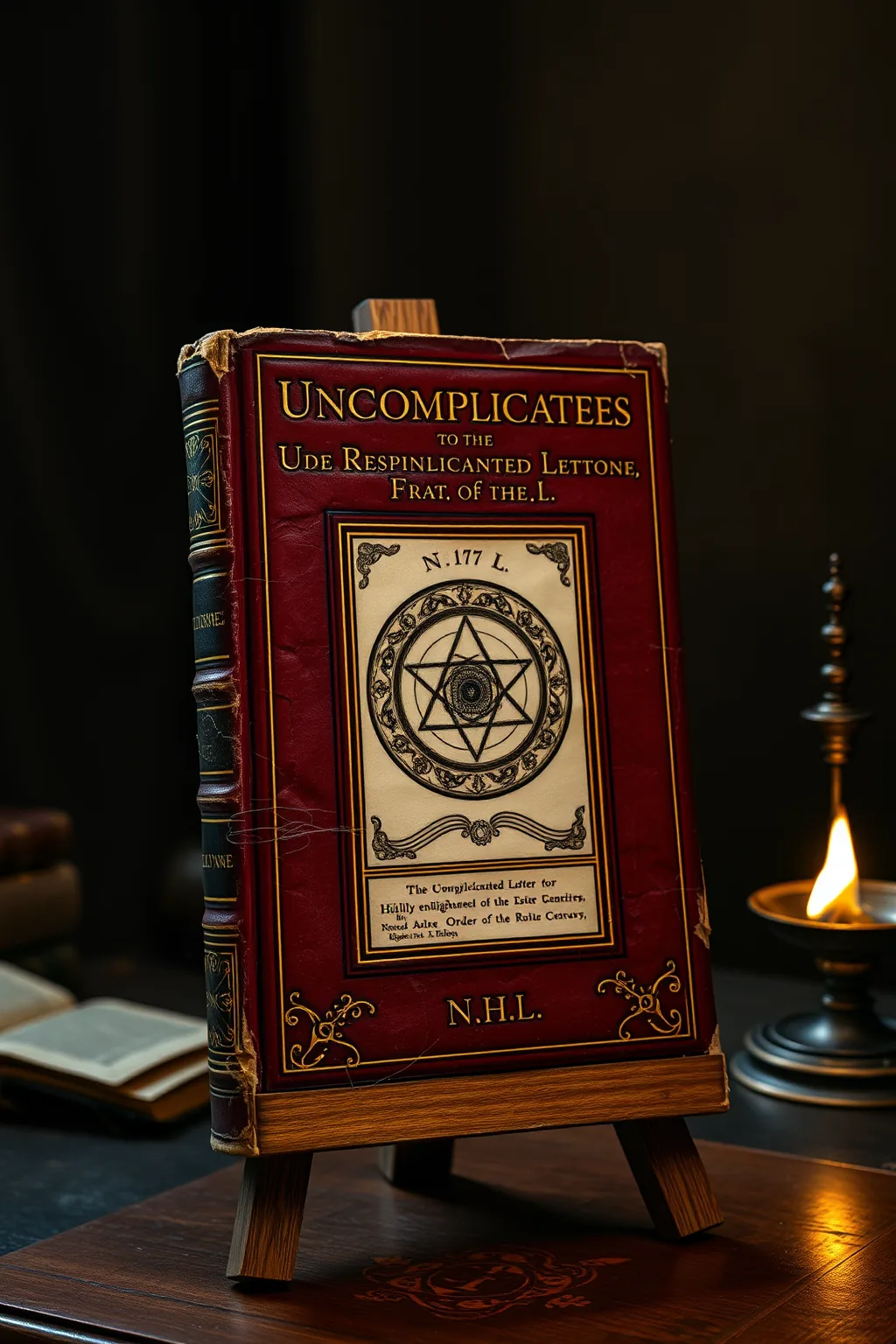
The 'Uncomplicated response letter to the Highly enlightened Frat. of the laudable Order of the Rose Cross' is a gem for those delving into the mysteries of the Rosicrucian tradition. Published in 1617, this document offers a rare glimpse into the esoteric thoughts and philosophies of the early 17th century. Ruud Muschter's translation is both accurate and engaging, making the text accessible to modern readers. The book's historical context is rich, providing a deep dive into the intellectual and spiritual climate of the time. For contemporary esoteric seekers, this text serves as a bridge between ancient wisdom and modern understanding. It highlights the enduring quest for knowledge and spiritual enlightenment that has captivated humanity for centuries. The book's exploration of Freemasonry and secret societies adds another layer of intrigue, making it a must-read for anyone interested in the occult. The clarity and simplicity of the response letter make it a valuable resource for both scholars and casual readers. Overall, this book is a treasure trove of esoteric insights and historical significance.
📝 Description
73
N.H.L. wrote an 'Uncomplicated response letter' in 1617 to the Rosicrucian fraternity, addressing European scientists.
This 1617 letter, authored by N.H.L., responds to the Rosicrucian Order's published manifestos, the Fama Fraternitatis and Confessio Fraternitatis. It was directed to the scientists of Europe, aiming to clarify or engage with their known doctrines. The text offers a perspective on the Rosicrucian movement's early reception and its perceived place within the scientific and philosophical discourse of the early 17th century.
Translated by Ruud Muschter, the letter presents a direct address, seeking to engage with intellectual currents of its time. It touches upon the complex relationship between emerging scientific inquiry and the more hidden or spiritual traditions that characterized the period. Readers will find a historical document that reflects the intellectual climate surrounding one of the most discussed esoteric groups of the era.
This text emerges from the early 17th century, a period of intense interest and debate surrounding the Rosicrucian movement. Following the anonymous publication of the Fama Fraternitatis (1614) and Confessio Fraternitatis (1615), a flurry of responses, both supportive and critical, appeared across Europe. N.H.L.'s letter is part of this immediate reaction, engaging directly with the ideas presented in those foundational texts and addressing the broader scientific community. It situates itself within the alchemical and hermetic traditions, seeking to reconcile or comment upon these with the burgeoning mechanical philosophy.
💡 Why Read This Book?
Reading 'Uncomplicated response letter to the Highly enlightened Frat. of the laudable Order of the Rose Cross' today offers a unique opportunity to understand the roots of Western esotericism and the occult. This historical document provides a window into the philosophical and spiritual beliefs of the Rosicrucians, who sought to integrate science and spirituality. For modern esoteric seekers, this book is a valuable resource for exploring the hidden dimensions of human knowledge. It also sheds light on the development of Freemasonry and secret societies, adding depth to one's understanding of these mysterious traditions. The translation by Ruud Muschter ensures that the text is accessible and engaging for contemporary readers, making it an essential addition to any esoteric library.
⭐ Reader Reviews
Honest opinions from readers who have explored this book.
❓ Frequently Asked Questions
What is the significance of this book for esoteric studies?
This book is significant for esoteric studies as it provides a direct link to the early Rosicrucian movement, offering insights into their philosophical and spiritual beliefs. It is a valuable resource for understanding the development of Western esotericism and the occult.
Who should read this book?
This book is ideal for historians, esoteric scholars, and anyone interested in Freemasonry, secret societies, and the occult. It is also valuable for modern esoteric seekers looking to explore the hidden dimensions of human knowledge.
What makes this translation unique?
Ruud Muschter's translation is unique because it brings the original German text to life for English-speaking readers, making it accessible to a wider audience. The translation is meticulous and engaging, ensuring that the historical and esoteric significance of the document is preserved.
🔮 Key Themes & Symbolism
Hidden Knowledge
The letter looks at the hidden knowledge that has been guarded by the Rosicrucian Order for centuries. It explores the esoteric teachings and mystical practices that have captivated seekers of truth, offering insights into the philosophical significance of these traditions.
Esoteric Symbolism
The document is rich in esoteric symbolism, inviting readers into a world of mystery and enlightenment. The Rosicrucian Order's use of symbolism is explored in depth, revealing the profound meanings behind their enigmatic icons and rituals.
Philosophical Significance
The letter provides a deep understanding of the philosophical significance of Rosicrucian teachings. It explores the mystical and occult traditions that have influenced spiritual seekers for centuries, offering valuable insights into the quest for spiritual enlightenment.
💡 Key Ideas
Editorial paraphrase of the work's core concepts — not direct quotes.
The path to enlightenment is shrouded in mystery and symbolism.
This quote underscores the Rosicrucians' belief in the power of hidden knowledge and esoteric practices.
Seekers of truth must study the depths of their souls.
This passage emphasizes the importance of spiritual introspection and the quest for inner wisdom.
The Rosicrucian Order guards the secrets of the universe.
This line highlights the Rosicrucians' role as keepers of ancient and mystical knowledge.
The symbolism of the Rose Cross reveals the path to enlightenment.
This quote explores the deep symbolism behind the Rosicrucians' iconic emblem, the Rose Cross.
Mystical practices lead to spiritual enlightenment.
This passage underscores the Rosicrucians' belief in the power of mystical and occult practices to achieve spiritual enlightenment.
🌙 Esoteric Significance
Tradition
This letter belongs to the Hermetic and Rosicrucian traditions, which emphasize the quest for hidden knowledge and spiritual enlightenment. The Rosicrucians, known for their enigmatic symbolism and mystical practices, have influenced various esoteric and occult movements throughout history.
Symbolism
Key symbols in this document include the Rose Cross, which represents the union of spiritual and material realms. Other symbols explored in the letter include alchemical emblems and mystical icons, each imbued with deep esoteric meanings.
Modern Relevance
This document remains relevant today for those interested in the mystical and esoteric traditions of the Rosicrucians. Modern practitioners of Hermetic and Rosicrucian teachings continue to draw inspiration from this letter, using its insights to deepen their spiritual practices and quest for hidden knowledge.
👥 Who Should Read This Book
This letter is ideal for beginners and scholars alike. Beginners will find it an accessible introduction to the mystical and esoteric traditions of the Rosicrucians, offering a glimpse into their hidden knowledge and symbolism. Scholars will appreciate the clear insights and philosophical significance of the document, which provides a rich understanding of the Rosicrucian Order's teachings. Spiritual seekers and practitioners will find valuable guidance and inspiration in the letter's exploration of mystical practices and the quest for spiritual enlightenment.
📜 Historical Context
The early 17th century was a time of great intellectual and spiritual ferment in Europe. The Rosicrucian manifestos 'Fama' and 'Confessio' had sparked widespread interest and controversy, prompting responses from scholars and mystics alike. This letter, written in 1617, is a significant contribution to the ongoing debate about the nature of the Rosicrucian Order and its teachings. It provides valuable insights into the esoteric beliefs and practices of the Rosicrucians, shedding light on their mystical and occult traditions. The letter's influence can be seen in the works of later esoteric writers and practitioners, who drew inspiration from the Rosicrucians' quest for hidden knowledge and spiritual enlightenment.
📔 Journal Prompts
Reflect on the hidden knowledge and esoteric symbolism explored in this letter. How do these themes resonate with your own spiritual journey?
Consider the philosophical significance of Rosicrucian teachings. How do they influence your understanding of spiritual enlightenment?
Explore the mystical practices mentioned in the letter. How might you incorporate these practices into your own spiritual quest?
Reflect on the symbolism of the Rose Cross. What deeper meanings does this emblem hold for you?
Consider the role of the Rosicrucian Order as keepers of ancient and mystical knowledge. How does this influence your view of spiritual enlightenment?
🗂️ Glossary
Rosicrucian
A member of a mystical and esoteric order that emphasizes the quest for hidden knowledge and spiritual enlightenment.
Hermetic
Relating to the teachings of Hermes Trismegistus, which emphasize the pursuit of hidden wisdom and spiritual transformation.
Esoteric
Knowledge or teachings that are intended for a select group of initiates, often involving mystical or occult practices.
Symbolism
The use of symbols to represent deeper meanings or truths, often employed in mystical and esoteric traditions.
Mystical
Relating to experiences or practices that involve a direct, personal connection with the divine or spiritual realm.
This book appears in 2 collections
🔮 Readers Also Liked
Browse all →








From the “Secret Societies” Collection
View all →




More Free Freemasonry & Secret Societies Books
View all →