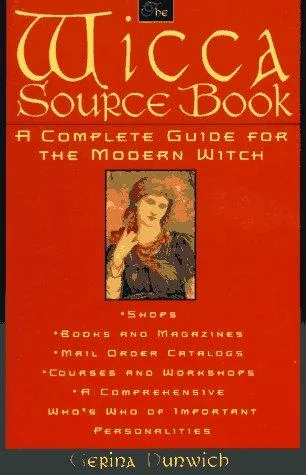
The Wicca source book
 78
78

The Wicca source book
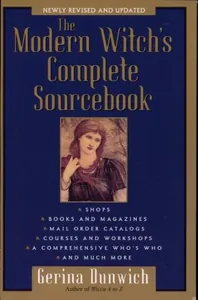
Gerina Dunwich's 1996 compilation, The Wicca Source Book, presents a systematic cataloging of Wiccan traditions that remains a valuable resource for its breadth. The work's strength lies in its detailed exposition of diverse covens and practices, moving beyond a single, monolithic view of the Craft. A notable passage might detail the distinctions between Alexandrian and Gardnerian Wicca, offering a clear comparative analysis. However, the book's encyclopedic approach can sometimes feel dense, lacking the narrative flow that might engage a complete novice. Its focus is on documentation rather than deeply personal spiritual guidance. Despite this, for anyone needing a factual grounding in the varied expressions of Wicca as understood in the late 20th century, it is an indispensable reference.
📝 Description
78
Gerina Dunwich's 1996 book examines the many traditions of modern Wicca.
The Wicca Source Book, published in 1996, acts as a detailed reference for those interested in Wiccan beliefs and practices. Gerina Dunwich structured the volume to cover various modern Wiccan traditions and their historical connections to older magical and religious systems. It offers a clear overview for readers wanting to understand contemporary witchcraft.
This book is for students of Wicca and related witchcraft, as well as academics studying modern paganism. It suits individuals past introductory texts who seek a more thorough, documented understanding of the faith. Readers interested in the origins of specific practices or comparisons between Wiccan groups will find extensive information.
Published in 1996, the book arrived during a time of growth and change in the Neopagan movement. Following earlier works on Wicca, many new traditions had emerged. Dunwich's book aimed to document and explain this evolving scene, guiding readers through the diverse paths that had developed.
This work fits within the scholarly study of modern Paganism, specifically Neopaganism. It emerged after the public emergence of Wicca in the mid-20th century and its subsequent diversification. The book catalogs and explains the variety of traditions that developed, tracing their lineage and theological frameworks. It documents the evolution of Wiccan practice and belief systems during a period of significant growth and public visibility for these movements.
💡 Why Read This Book?
• Understand the foundational principles and historical evolution of Wicca, particularly the development of different traditions since the mid-20th century, as detailed in Dunwich's analysis. • Gain insight into the diversity of Wiccan practices, including the distinctions between various covens and solitary paths, as explored in the book's comparative sections. • Learn about specific Wiccan festivals and rituals, such as those related to the Wheel of the Year, providing concrete examples of practice detailed within the text.
⭐ Reader Reviews
Honest opinions from readers who have explored this book.
❓ Frequently Asked Questions
When was The Wicca Source Book first published?
The Wicca Source Book by Gerina Dunwich was first published in 1996, reflecting the state of Wiccan traditions and scholarship at the end of the 20th century.
What are the main Wiccan traditions discussed in the book?
The book covers a range of traditions, including Gardnerian, Alexandrian, and various eclectic or solitary paths, detailing their differing practices and beliefs.
Does The Wicca Source Book explain Wiccan rituals?
Yes, it explains many Wiccan rituals, including those associated with the Wheel of the Year and specific coven ceremonies, providing context for their significance.
Is Gerina Dunwich considered a primary source for Wiccan history?
Gerina Dunwich is a significant author on Wicca and witchcraft, known for her compilations and historical overviews, including this 1996 work, which serves as a valuable secondary source.
Who would benefit most from reading The Wicca Source Book?
Students of comparative religion, practitioners seeking to understand diverse Wiccan paths, and historians of modern paganism would find this book particularly beneficial.
Does the book discuss the God and Goddess concept in Wicca?
Indeed, the book extensively explores the dualistic divine concept of the God and Goddess, which is central to many Wiccan traditions, and its theological implications.
🔮 Key Themes & Symbolism
Diversity of Wiccan Paths
The book meticulously outlines the varied range of modern Wiccan traditions that had emerged by the mid-1990s. It moves beyond a singular definition, detailing distinctions between Gardnerian, Alexandrian, and numerous eclectic or solitary practices. This exploration highlights how core Wiccan tenets, like the reverence for nature and the divine duality, are interpreted and expressed differently across various covens and individual practitioners, offering a comparative study of contemporary witchcraft.
The Wheel of the Year
Central to many Wiccan practices discussed is the Wheel of the Year, representing the cyclical nature of life, death, and rebirth through eight seasonal festivals. The Wicca Source Book examines the symbolism and ritualistic observances associated with each sabbat, from Samhain to Beltane. It explains how these celebrations connect practitioners to the earth's rhythms and the archetypal energies of the God and Goddess throughout the annual cycle.
History and Lineage
Dunwich's work situates modern Wicca within a broader historical context, tracing its roots and evolution from earlier occult and folk traditions. It examines the contributions of key figures and the development of different Wiccan lineages since the mid-20th century. The book addresses the importance practitioners place on lineage and tradition, while also acknowledging the rise of independent, non-traditional paths, providing a comprehensive overview of Wicca's historical trajectory.
Ritual and Practice
The book offers detailed insights into the structure and purpose of Wiccan ritual. It covers common elements such as circle casting, invocation of deities, spellwork, and the use of tools like the athame and wand. By explaining the symbolism and intended effects of these practices, The Wicca Source Book provides a practical understanding of how Wiccans engage with the sacred and manifest change in their lives and the world.
💬 Memorable Quotes
Direct passages from the work, attributed to the author.
“The Wicca Source Book details the distinctions between various covens and their practices.”
— This highlights the book's function as a comparative study, emphasizing that Wicca is not a monolithic religion but a spectrum of traditions with unique approaches to ritual and belief.
“The Wheel of the Year marks the cyclical nature of life and the divine through eight festivals.”
— This points to a core concept in Wicca, illustrating how practitioners align themselves with natural rhythms and celebrate seasonal transitions as sacred events.
“Gerina Dunwich traces the lineage of modern witchcraft.”
— This indicates the book's historical scope, suggesting an exploration of how contemporary Wiccan practices connect to earlier magical and religious movements.
“Ritual elements like circle casting are explained in detail.”
— This emphasizes the practical aspect of the book, showing that it offers guidance on the mechanics and symbolism behind common Wiccan ceremonies.
“The book acknowledges both coven and solitary forms of practice.”
— This reflects the inclusivity of the work, recognizing that Wicca can be experienced and practiced in both communal and individual settings.
🌙 Esoteric Significance
Tradition
The Wicca Source Book fits within the modern esoteric tradition of Neopaganism, specifically focusing on the Wiccan path. While drawing on earlier occultism and folk magic, it primarily documents the evolution and diversification of Wicca as a religion that emerged in the mid-20th century. It departs from purely theoretical Hermeticism or ceremonial magic by focusing on a nature-based, deity-focused practice that emphasizes immanent divinity rather than solely transcendent forces.
Symbolism
Key symbols explored include the Pentacle, representing the five elements and spirit; the Athame, a ritual dagger symbolizing will and directing energy; and the Chalice, embodying the element of water and the divine feminine. The book also examines the symbolism of the Wheel of the Year, with each sabbat representing a stage in the cosmic and natural cycle, and the duality of the Horned God and the Triple Goddess as fundamental divine archetypes.
Modern Relevance
Contemporary practitioners and scholars of modern Paganism continue to reference Dunwich's work for its detailed cataloging of late 20th-century Wiccan diversity. It serves as a valuable historical marker for understanding the development of various traditions, including the rise of eclectic and solitary practices. Thinkers and groups exploring the sociology of religion, comparative mythology, and the history of Western Esotericism often consult such comprehensive overviews to trace the lineage and evolution of contemporary spiritual movements.
👥 Who Should Read This Book
• Aspiring Wiccans seeking a structured overview of different traditions and foundational beliefs before committing to a specific path. • Students of comparative religion or sociology of religion interested in the development and diversification of modern pagan movements in the late 20th century. • Established practitioners looking for a reference to understand the historical context and variations within Wiccan practice beyond their immediate tradition.
📜 Historical Context
Published in 1996, The Wicca Source Book arrived during a dynamic period for Neopaganism. The late 20th century saw an explosion of interest in witchcraft, moving beyond the foundational works of Gerald Gardner and Doreen Valiente in the 1950s and 60s. Wicca was fragmenting into numerous distinct traditions—Gardnerian, Alexandrian, Dianic, and many eclectic paths—each with its own interpretations and practices. Dunwich's work aimed to document this burgeoning diversity. Contemporaries like Starhawk were also influential, though often focused more on feminist spirituality and earth-based activism. Unlike earlier, more narrowly focused texts, Dunwich's book sought to provide a comprehensive overview of the evolving Wiccan landscape, acting as a guide to the multiplicity of paths available, a necessary compilation as the Craft gained wider public recognition and academic scrutiny.
📔 Journal Prompts
Reflect on the concept of the Wheel of the Year and its personal significance.
Consider the distinctions between Gardnerian and Alexandrian Wicca presented in the text.
Analyze the symbolic meaning of the Athame as described in the book.
Explore the idea of solitary versus coven practice based on the book's content.
Examine the historical influences on modern Wicca as outlined by Dunwich.
🗂️ Glossary
Athame
A ritual dagger used in Wicca and other witchcraft traditions, primarily for directing energy and casting circles, not for physical cutting. It symbolizes will and the element of fire or air.
Coven
A group of Wiccans who practice together, typically led by a High Priestess and/or High Priest. Covens vary greatly in size, structure, and tradition.
Pentacle
A symbol, typically a five-pointed star within a circle, representing the five elements (Earth, Air, Fire, Water, and Spirit) and used for protection and consecration in Wiccan rituals.
Sabbats
The eight major festivals celebrated by Wiccans throughout the year, forming the Wheel of the Year. These include Yule, Imbolc, Beltane, Litha, Lammas, Mabon, and Samhain.
Wheel of the Year
A cyclical calendar representing the annual progression of seasons and the spiritual significance of the solstices, equinoxes, and cross-quarter days, central to Wiccan worship.
High Priestess
A female leader within a Wiccan coven, often responsible for guiding rituals, teaching, and embodying the divine feminine principle.
Triple Goddess
A deity represented in three aspects: Maiden, Mother, and Crone. This symbolizes the cycles of life, death, and rebirth, and is a central figure in many Wiccan traditions.
🔮 Readers Also Liked
Browse all →






More by Gerina Dunwich
All books →




More Free Witchcraft & Paganism Books
View all →
![ERIC ED481283: Salem Witch Trials. [Lesson Plan].](/img/thumb/eric-ed481283-salem-witch-trials-lesson-plan-eric.webp)