The Way of the Rune
 81
81

The Way of the Rune
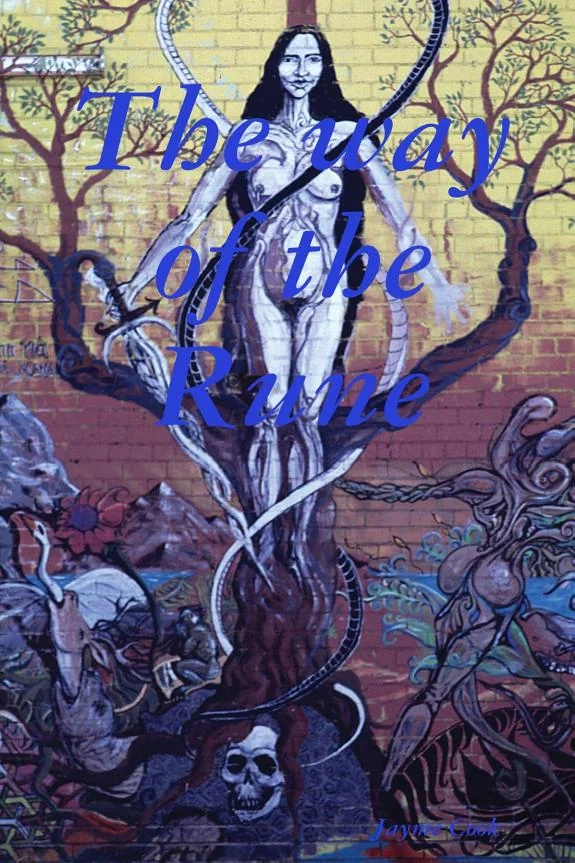
Jayme Cook’s The Way of the Rune presents a refreshingly direct approach to rune divination. Cook’s assertion that runes are “a very accurate and refreshing tool in doing psychic readings” serves as the book’s central thesis. The strength lies in its accessible, no-nonsense guide to understanding and using the Elder Futhark. The step-by-step instructions for crafting personal rune stones are particularly well-executed, fostering an immediate connection with the material. However, the historical context, while present, feels somewhat generalized, lacking the depth that some academic works on runic epigraphy might offer. A notable passage details the interpretation of Kenaz (Kano), linking its fiery imagery to illumination and insight, which effectively demonstrates the book's practical application. The work prioritizes direct experience over complex theory. Overall, The Way of the Rune serves as a competent and practical primer for aspiring rune readers.
📝 Description
81
Jayme Cook's The Way of the Rune (2013) teaches practical rune divination.
Jayme Cook's book, The Way of the Rune, introduces readers to the practice of rune divination. Cook presents runes as tools for insight, not just historical objects. The text covers the history of runes, their individual meanings, symbolic connections, and how to use them in modern divination.
The book is for those interested in self-discovery and guidance through esoteric tools. It offers a clear, step-by-step guide for beginners to rune casting. Readers can learn how to make their own rune sets, fostering a personal connection to the practice. The book also helps those who wish to incorporate rune reading into their existing divination methods, providing an alternative to more common systems.
This book situates rune casting within a broader tradition of Germanic esoteric practices. It acknowledges the historical use of runes as alphabetic characters for inscriptions and magical purposes. Cook frames the runes as living symbols, suggesting a connection to primal forces and subconscious communication. The work connects ancient European symbols to their application in contemporary divination and personal insight.
💡 Why Read This Book?
• Learn the foundational meanings and historical context of the Elder Futhark runes, such as Fehu and Uruz, directly from an experienced practitioner, moving beyond generic interpretations. • Master the practical skill of creating your own personalized rune set, as detailed in the book's dedicated section, to deepen your intuitive connection with the divination tool. • Integrate rune casting into your psychic readings using Cook's specific guidance on interpretation and application, offering a distinct method not found in standard tarot or oracle guides.
⭐ Reader Reviews
Honest opinions from readers who have explored this book.
❓ Frequently Asked Questions
What are runes and how were they historically used?
Runes are letters from ancient Germanic alphabets, most notably the Elder Futhark, used from roughly the 2nd to the 8th century CE. Beyond writing, they were employed for magical inscriptions, charms, and divination, deeply embedded in the spiritual and cultural practices of early Germanic peoples.
How does The Way of the Rune teach rune reading?
The book provides a comprehensive guide to the history, names, symbols, and meanings of each rune. It offers practical advice on interpreting rune spreads and using them as a tool for psychic readings, focusing on direct, actionable knowledge.
Can I make my own rune stones after reading this book?
Yes, The Way of the Rune includes a step-by-step guide for creating your own personal rune set. This process is emphasized as a way to forge a stronger, more intuitive connection with the divination tools themselves.
What is the Elder Futhark mentioned in the book?
The Elder Futhark is the oldest known runic alphabet, comprising 24 runes. It is the foundational system upon which many modern rune practices, including those detailed by Jayme Cook, are based.
Is this book suitable for beginners in esoteric studies?
Absolutely. The book is designed for those new to rune casting, offering clear explanations and practical exercises. It assumes no prior knowledge of esoteric symbolism or divination techniques.
When was The Way of the Rune first published?
The Way of the Rune by Jayme Cook was first published in May 2005, making its insights available to contemporary practitioners seeking guidance on rune divination.
🔮 Key Themes & Symbolism
Practical Rune Divination
This work emphasizes the practical application of runes as tools for psychic readings and personal guidance. It moves beyond abstract theory to provide actionable techniques for interpreting the Elder Futhark. The book details how to understand the historical meanings of runes like Algiz and Sowilo and translate them into contemporary insights, fostering a direct connection between the user and the divinatory process. Cook stresses the importance of personal experience and intuitive engagement with the symbols.
The Elder Futhark System
The core of the book is an exploration of the Elder Futhark, the ancient Germanic alphabet comprising 24 runes. Each rune, from Fehu representing wealth and abundance to Dagaz symbolizing transformation, is systematically presented with its name, symbol, and divinatory significance. The text serves as a comprehensive primer, detailing the unique energetic qualities and symbolic associations of each character within this foundational runic system.
Personal Rune Crafting
A significant theme is the creation of one's own rune set. Cook provides detailed instructions, encouraging readers to imbue their handmade stones with personal energy and intention. This practice is presented not just as a craft project but as a crucial step in developing a deep, intuitive bond with the runes, transforming them from mere objects into potent tools for self-reflection and divination.
Runes as Psychic Tools
Cook positions runes as highly effective instruments for psychic exploration and insight. The book details how to use rune spreads to gain clarity on personal matters, understand subconscious influences, and navigate life's challenges. It highlights the refreshing accuracy and directness with which runes can offer guidance, serving as a bridge to deeper self-awareness and intuitive understanding.
💬 Memorable Quotes
Direct passages from the work, attributed to the author.
“Runes are a very accurate and refreshing tool in doing psychic readings.”
— This statement expresses the author's core belief in the practical efficacy of runes. It suggests that, unlike potentially more complex or abstract systems, rune divination offers clear, direct, and easily accessible insights for those seeking guidance.
“This book will teach you the ancient craft of reading rune stones.”
— This is a direct promise of the content, indicating a focus on imparting practical skills. It implies a structured learning process, covering the necessary knowledge and techniques for engaging with runes in a divinatory context.
“Their history, meanings, names, symbols, and uses.”
— This phrase outlines the comprehensive scope of the book's coverage. It assures the reader that all essential aspects of understanding and working with runes, from their origins to their practical applications, will be addressed.
“There is also a step by step guide on easily making your own personal stones.”
— This highlights a key practical element of the book. It emphasizes the DIY aspect, empowering the reader to create their own unique divination tools, fostering a deeper personal connection and ownership of the practice.
“Learning to use them as a tool in psychic readings.”
— This reinforces the book's primary objective: to equip readers with the ability to perform effective rune readings. It frames the runes not just as objects of study but as functional instruments for psychic work and self-discovery.
🌙 Esoteric Significance
Tradition
This work primarily fits within the modern Western esoteric tradition, specifically drawing from Neo-Pagan and divination-focused practices. While runes have ancient Germanic roots, Cook's presentation adapts them for contemporary spiritual seekers interested in personal insight and psychic development. It diverges from purely historical or academic study by framing runes as active conduits for energetic and psychological exploration, aligning with practices focused on personal gnosis and intuitive development.
Symbolism
Key symbols explored include Fehu, representing primal energy, wealth, and beginnings, often linked to the ox or cattle; Uruz, symbolizing untamed strength and vitality, associated with the aurochs; and Thurisaz, denoting defense, conflict, and the force of a giant's hammer. These symbols are presented not just as letters but as archetypal forces that can be invoked and understood for divinatory purposes, connecting ancient Germanic cosmology to personal experience.
Modern Relevance
Cook's approach to personalizing rune sets and using them for direct psychic readings appeals to contemporary practitioners in fields like modern witchcraft, shamanic practices, and intuitive counseling. The emphasis on accessible, hands-on methods appeals to those seeking grounded, yet mystical, tools for self-exploration. This work provides a foundational understanding for individuals engaging with Neo-Paganism or seeking alternative divination methods to more common systems like Tarot.
👥 Who Should Read This Book
• Aspiring diviners seeking a clear, practical introduction to rune casting, who want to learn the history, meanings, and application of the Elder Futhark from a direct perspective. • Craft enthusiasts and spiritual practitioners interested in creating their own personalized divination tools, benefiting from the detailed step-by-step guide for making rune stones. • Individuals exploring alternative psychic tools who wish to understand how runes can offer unique insights for personal guidance and self-reflection, complementing or replacing other divinatory methods.
📜 Historical Context
Published in May 2005, Jayme Cook's *The Way of the Rune* emerged during a period of renewed interest in esoteric practices and divination, following the New Age movements of the late 20th century. While not directly engaging with academic runology or specific scholarly debates, the book taps into a broader resurgence of interest in pre-Christian European traditions. Its approach aligns with contemporary esoteric circles that seek practical, personalized spiritual tools. It arrived in a landscape where various divination systems, from Tarot to I Ching, were widely accessible. Contemporaries like Nigel Pennick, who wrote extensively on runes and Germanic lore, were also active, offering more scholarly or ritualistic perspectives. Cook’s work distinguished itself by its accessible, hands-on focus on personal creation and direct application for psychic readings, rather than deep historical or linguistic analysis.
📔 Journal Prompts
The personal significance of crafting your own rune set.
Reflecting on the symbolism of Fehu in your current life circumstances.
Interpreting the rune Kenaz (Kano) in relation to a recent illumination or understanding.
How the concept of 'refreshing tool' applies to your rune practice.
Connecting the historical uses of runes with modern divinatory insights.
🗂️ Glossary
Elder Futhark
The oldest known runic alphabet, consisting of 24 characters. It was used by Germanic tribes from approximately the 2nd to the 8th century CE and forms the basis for many modern rune systems.
Rune Casting
The practice of divining information or guidance by interpreting the random selection and arrangement of rune stones, often cast from a bag or drawn from a layout.
Psychic Readings
A process where an individual uses intuitive abilities or specialized tools, like runes, to provide insight into a person's past, present, or future, or to explore subconscious influences.
Divination
The practice of seeking knowledge of the future or the unknown by supernatural means, often through the interpretation of omens, signs, or the use of specific tools like runes.
Algiz
A rune from the Elder Futhark, often depicted as a 'Z' shape. It is associated with protection, defense, and divine connection, symbolizing a shield or a raised hand warding off danger.
Sowilo
The rune for 'Sun' in the Elder Futhark, represented by a lightning bolt shape. It symbolizes victory, wholeness, power, and the life-giving energy of the sun.
Kenaz (Kano)
A rune often translated as 'torch' or 'knowledge'. It signifies illumination, creativity, inspiration, and the dispelling of darkness or ignorance.
This book appears in 1 collection
🔮 Readers Also Liked
Browse all →









From the “Rune Reading” Collection
View all →







More Free Occult Philosophy Books
View all →