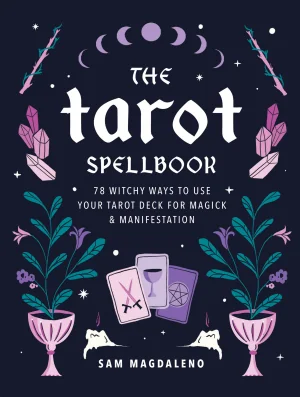
The Tarot Spellbook
 82
82

The Tarot Spellbook
Sam Magdaleno’s *The Tarot Spellbook* sidesteps the often-dense academicism that can surround tarot study, offering instead a direct, actionable framework. The book’s premise—assigning a unique spell to each of the 78 Rider-Waite-Smith cards—is its undeniable strength. It reframes the cards not just as divinatory tools but as energetic keys for practical magic. For instance, the spell associated with The Fool card encourages a leap of faith, tying directly into the card's symbolism of new beginnings. However, the depth of each spell might feel somewhat abbreviated for seasoned practitioners seeking complex ritual structures. While it excels at providing accessible entry points for spellcraft via the tarot, the book could benefit from more extensive discussions on the ethical implications of magical work or deeper dives into the correspondences underpinning each spell. Nevertheless, *The Tarot Spellbook* provides a vibrant, practical avenue for engaging with the tarot’s archetypal power.
📝 Description
82
Sam Magdaleno's The Tarot Spellbook (2022) assigns a unique spell to each of the 78 Rider-Waite-Smith tarot cards.
This book presents a practical method for working with the Rider-Waite-Smith tarot deck, moving beyond traditional divination. Each of the 78 cards, from the Major Arcana to the Minor Arcana, is paired with a specific spell or ritual. The author's intent is to foster a more active and engaged relationship with the tarot, transforming it into a tool for manifestation. Instead of memorizing meanings, readers learn to apply the archetypal energies and symbolism of the cards in tangible magical workings. This approach suits those who find standard tarot study daunting or who wish to integrate the cards more deeply into their spiritual or magical practices. It offers a structured format for those who prefer hands-on learning and want to channel the symbolism of the tarot in new, practical ways.
Published in 2022, The Tarot Spellbook follows a lineage of grimoires that adapt symbolic systems for magical use. It engages with the popular Rider-Waite-Smith deck, first published in 1909, a deck widely adopted in contemporary spiritual circles. While it does not align with specific historical occult revivals, it builds upon the widespread interest in tarot as a practical magical resource.
💡 Why Read This Book?
• Learn a unique spell for each of the 78 Rider-Waite-Smith cards, transforming abstract meanings into tangible magical actions, as detailed in the book’s card-specific spell sections. • Move beyond simple divination by actively working with tarot archetypes, as advocated by the book's focus on practical application over mere interpretation. • Discover a fresh, accessible method for integrating tarot into your spiritual practice, directly inspired by Sam Magdaleno's 2022 publication and its innovative spell-casting approach.
⭐ Reader Reviews
Honest opinions from readers who have explored this book.
❓ Frequently Asked Questions
What is the primary focus of The Tarot Spellbook?
The Tarot Spellbook focuses on providing a unique spell for each of the 78 cards in the Rider-Waite-Smith tarot deck, encouraging practical application and active engagement with the cards beyond traditional divination.
Which tarot deck does The Tarot Spellbook use?
The book specifically uses the Rider-Waite-Smith tarot deck, which was first published in 1909 and is one of the most widely recognized tarot decks.
Is The Tarot Spellbook suitable for beginners?
Yes, the book is designed to make learning the tarot more accessible and interactive, offering practical spells as a way to connect with each card's meaning.
What is the publication year of The Tarot Spellbook?
The Tarot Spellbook was first published on September 13, 2022.
Does the book only cover divination?
No, the book explicitly aims to provide practical ways to work with the tarot beyond divination and reading, through the use of spells.
Who is the author of The Tarot Spellbook?
The author of The Tarot Spellbook is Sam Magdaleno.
🔮 Key Themes & Symbolism
Tarot as Spellcraft
This work recontextualizes the tarot from a purely divinatory tool to a system for active magical manifestation. Each of the 78 cards, from the Major Arcana's archetypal figures like The Empress to the Minor Arcana's pip cards, is paired with a specific spell or ritual. This approach encourages users to engage with the symbolic energies of the cards in a dynamic, creative manner, moving beyond passive interpretation towards intentional energetic work and manifestation.
Rider-Waite-Smith Focus
The book is explicitly centered around the Rider-Waite-Smith (RWS) deck, first published in 1909. This choice grounds the spellcraft in a widely recognized and accessible visual and symbolic language. By adhering to the RWS imagery and meanings, Magdaleno ensures that practitioners familiar with this popular deck can readily apply the provided spells, leveraging the deck's established iconography for magical purposes.
Practical Esotericism
The core philosophy is one of practical application and experiential learning in esoteric sciences. Instead of abstract theory, the book emphasizes tangible results through spellcasting. This aligns with a modern trend in occultism that prioritizes direct experience and personal empowerment, making complex metaphysical concepts accessible through straightforward, actionable magical techniques derived from tarot symbolism.
Beyond Divination
A significant theme is the expansion of the tarot's utility beyond fortune-telling and intuitive readings. The book posits that the inherent meanings and archetypes within the tarot can be harnessed for personal transformation, problem-solving, and wish fulfillment. This perspective offers a broader understanding of how to interact with the tarot, integrating it into daily life as a potent tool for personal agency.
💬 Memorable Quotes
Direct passages from the work, attributed to the author.
“Each of the 78 spells in The Tarot Spellbook gives you a fun way to learn the cards--and a practical way to work with them beyond divination and reading.”
— This statement highlights the book's dual purpose: making tarot study engaging and providing practical magical applications that extend beyond traditional divinatory uses.
“Connecting with the 78 cards of the tarot in a meaningful way can be overwhelming, which can lead to scouring reference books and memorizing meanings rather than actually using the cards themselves.”
— This interpretation points to the common challenge faced by tarot students and positions the book as a solution that prioritizes active engagement over passive memorization.
“The Tarot Spellbook is a journey through the 78 cards of the Rider-Waite-Smith deck, providing a unique spell that corresponds with each card.”
— This concise summary captures the book's structure and core offering: a systematic exploration of the tarot through individualized magical workings for every card.
“The Tarot Spellbook is a journey through the 78 cards of the Rider-Waite-Smith deck, providing a unique spell that corresponds with each card.”
— This core statement underscores the book's innovative methodology, presenting each tarot card not just as an image or symbol, but as a specific component for a magical operation.
💡 Key Ideas
Editorial paraphrase of the work's core concepts — not direct quotes.
The Tarot Spellbook gives you a fun way to learn the cards--and a practical way to work with them beyond divination and reading.
This paraphrased concept emphasizes the book's accessible and functional approach to tarot, suggesting it serves as both an educational resource and a practical magical grimoire.
🌙 Esoteric Significance
Tradition
This work operates within the broader sphere of modern Western esotericism, drawing significantly from the archetypal psychology and symbolism popularized by the Rider-Waite-Smith tarot. While not strictly adhering to a single lineage like Hermeticism or Kabbalah, it integrates principles of sympathetic magic and ritualistic practice, making its symbolic language accessible to those familiar with contemporary paganism, witchcraft, and New Age spiritualities.
Symbolism
Key symbols like The Fool, representing the leap into the unknown, are given a spell for initiating new ventures. The High Priestess, often associated with intuition and hidden knowledge, might be linked to spells for uncovering secrets or enhancing psychic perception. The suit of Wands, typically representing action and creativity, could be the focus of spells aimed at sparking inspiration or driving projects forward.
Modern Relevance
Contemporary practitioners of spellcraft, modern witchcraft, and tarot enthusiasts seeking to deepen their connection with the cards find value in Magdaleno's approach. Thinkers and communities focused on practical magic, personal development through ritual, and the integration of archetypal symbolism into daily life often reference such works for actionable techniques and inspiration.
👥 Who Should Read This Book
['• Tarot practitioners seeking to move beyond divination and engage the cards actively through spellcasting, as detailed in the card-specific spell sections.', '• Aspiring witches or magical practitioners looking for accessible, structured spellwork based on familiar esoteric symbolism, drawing from the Rider-Waite-Smith deck.', '• Individuals interested in archetypal psychology and personal growth who wish to apply tarot energies practically for manifestation and transformation.']
📜 Historical Context
Sam Magdaleno's *The Tarot Spellbook*, published in 2022, arrives in a contemporary range of spiritual exploration heavily influenced by the internet and a resurgence of interest in occult practices. It builds upon the legacy of the Rider-Waite-Smith deck, first unveiled in 1909, which democratized tarot imagery and interpretation. While the late 19th and early 20th centuries saw major occult revivals, spearheaded by figures like Aleister Crowley and associated with movements such as Thelema and the Hermetic Order of the Golden Dawn, Magdaleno’s work represents a more modern, individualistic approach. Unlike the structured, often hierarchical systems of earlier occult orders, this book focuses on personal empowerment through direct, practical application of tarot symbolism. Its reception occurs in an era where works by authors like Doreen Virtue (though often focused on angels) and modern tarot deck creators have broadened the audience for esoteric materials, often bypassing traditional academic or critical gatekeepers.
📔 Journal Prompts
The Fool's spell for new beginnings: what is your intended leap of faith?
Reflect on the High Priestess's spell for uncovering secrets; what hidden knowledge do you seek?
Consider the suit of Wands spell for sparking inspiration; what creative project calls to you?
How can the spell associated with The World card (completion) inform your current endeavors?
The Tower's spell for release: what structures in your life need dismantling?
🗂️ Glossary
Rider-Waite-Smith Deck
A highly influential tarot deck first published in 1909, known for its richly illustrated Minor Arcana and its standard presentation of the Major Arcana, which serves as the basis for this spellbook.
Major Arcana
The set of 22 trump cards in a tarot deck, representing significant life lessons, archetypal energies, and major spiritual themes. Each has a corresponding spell in the book.
Minor Arcana
The 56 cards divided into four suits (Wands, Cups, Swords, Pentacles), representing more mundane events, challenges, and situations. Each of these also has a unique spell.
Spell
In the context of this book, a ritualistic or magical working designed to harness the energy of a specific tarot card for a desired outcome or purpose.
Divination
The practice of seeking knowledge of the future or the unknown by supernatural means, often through tarot card readings, which this book aims to extend beyond.
Archetype
A universal, inherited pattern of thought or imagery derived from the collective unconscious, as in Jungian psychology, represented by the figures and symbols in the tarot.
Manifestation
The process of bringing something into physical reality through conscious thought, intention, and often, magical or energetic practices, as facilitated by the book's spells.
This book appears in 1 collection
🔮 Readers Also Liked
Browse all →









From the “Tarot” Collection
View all →






More Free Occult Philosophy Books
View all →