The tarot
 71
71

The tarot
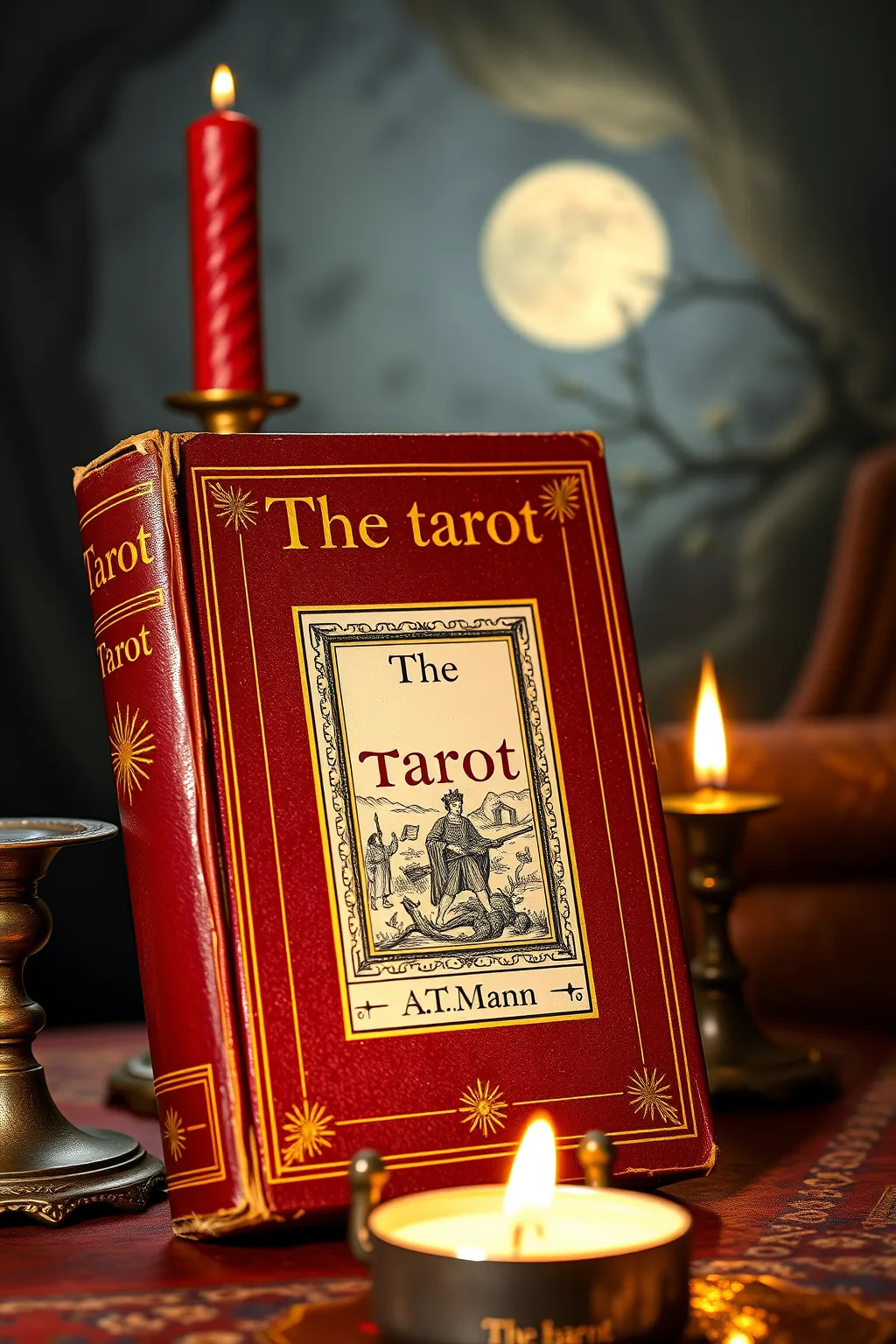
A. T. Mann’s The Tarot (1993) offers a dense, scholarly treatment of the cards, moving beyond mere fortune-telling to situate the deck within broader Western esoteric currents. Its strength lies in its meticulous cataloging of card symbolism and its historical tracing of influences, connecting the imagery to Hermetic philosophy and Kabbalistic principles. Mann’s exploration of the Fool's journey, for instance, provides a solid framework for understanding the Major Arcana’s narrative arc. However, the text can feel somewhat dry and overly academic for the casual reader, occasionally sacrificing evocative description for factual enumeration. The detailed analysis of the Minor Arcana’s suits and numbers, while thorough, might prove overwhelming without a foundational understanding of the underlying numerological and astrological correspondences. Despite this, The Tarot remains a valuable reference for serious students seeking a structured, historically-grounded perspective on the deck.
📝 Description
71
A. T. Mann's 1993 book examines the 78-card Tarot deck's history, symbolism, and application.
Published in 1993, A. T. Mann's work provides a thorough look at the Tarot. The book details the structure of the 78-card deck, covering both the Major and Minor Arcana. It discusses the archetypal meanings of each card, presenting them as a symbolic map of consciousness. Mann connects the Tarot's imagery to philosophical and spiritual systems like Hermeticism and Kabbalah. The author suggests the Tarot can be used for personal growth, revealing subconscious patterns and universal archetypes, not just for prediction.
This volume is suitable for readers interested in a more academic approach to Tarot. It goes beyond simple card meanings to discuss the Tarot's role in Western esotericism. Mann's study was released during a time of increased interest in divination and occult studies in the late 20th century. His work builds on the Tarot's origins in 15th-century Italy, incorporating ideas from occultism and psychology.
A. T. Mann's book situates the Tarot within the Western esoteric tradition, drawing connections to Hermeticism and Kabbalah. Published in 1993, it reflects a late 20th-century resurgence of interest in divination and occult studies. The work integrates historical understanding of the Tarot, which traces back to 15th-century Italy, with later developments in occultism and psychology. It presents the Tarot not merely as a predictive tool but as a system for self-understanding and spiritual development, aligning with esoteric aims of exploring consciousness and archetypes.
💡 Why Read This Book?
• Gain a structured understanding of the 78-card Tarot deck's archetypal meanings, as Mann details the journey of the Fool through the Major Arcana. • Explore the historical lineage of the Tarot, appreciating its connections to Hermeticism and Kabbalah as discussed in the text's historical context section. • Learn to interpret the Tarot not just for prediction, but as a symbolic map of consciousness, a concept Mann elaborates on throughout the book.
⭐ Reader Reviews
Honest opinions from readers who have explored this book.
❓ Frequently Asked Questions
When was A. T. Mann's The Tarot first published?
The Tarot by A. T. Mann was first published in 1993, marking its entry into the late 20th-century revival of interest in esoteric subjects.
What esoteric traditions does The Tarot by A. T. Mann connect the cards to?
Mann's work connects the Tarot to traditions such as Hermeticism and Kabbalah, viewing the deck as a symbolic representation of consciousness and spiritual development.
What is the primary focus of A. T. Mann's The Tarot?
The book focuses on the history, symbolism, and application of the 78-card Tarot deck as a tool for divination and self-understanding, emphasizing its archetypal significance.
Is A. T. Mann's The Tarot suitable for beginners?
While comprehensive, the book's academic tone and detailed analysis may be more suited for those with some prior interest or basic knowledge of Tarot and esoteric concepts.
What distinguishes The Tarot by A. T. Mann from other Tarot books?
Its strength lies in its scholarly approach, situating the Tarot within Western esoteric philosophy and providing a detailed historical and symbolic framework rather than just divinatory meanings.
Does the book cover specific Tarot spreads?
The book's primary focus is on the symbolism and historical context of individual cards and the deck as a whole, rather than a broad catalogue of reading techniques or spreads.
🔮 Key Themes & Symbolism
Archetypal Journey
The book frames the Major Arcana as a symbolic representation of the Fool's journey through life's stages and spiritual development. This narrative structure, rooted in mythological patterns, illustrates the progression from unconscious beginnings to self-awareness and integration. Mann explores how each card signifies a unique encounter or challenge, mirroring universal human experiences and the unfolding of consciousness, providing a framework for personal introspection and understanding one's path.
Hermetic and Kabbalistic Links
A significant theme is the deep connection Mann draws between Tarot symbolism and core tenets of Hermeticism and Kabbalah. The text examines how the Tree of Life and Hebrew alphabet correspondences are interwoven with the cards, particularly the Major Arcana. This approach positions the Tarot not as an isolated system, but as an integral part of a larger, ancient Western esoteric tradition, offering a more profound interpretive lens for practitioners.
Symbolic Language of the Deck
Mann meticulously dissects the visual language of the Tarot, interpreting the iconography of each card within its historical and symbolic context. From the numerological significance of the Minor Arcana to the archetypal figures of the court cards and Major Arcana, the book treats the deck as a sophisticated symbolic system. Understanding this language is presented as key to unlocking the Tarot's divinatory and psychological insights.
Tarot as a Tool for Consciousness
Beyond its divinatory applications, the book emphasizes the Tarot's role in mapping and understanding the human psyche. It presents the cards as mirrors reflecting inner states, subconscious patterns, and the dynamics of the human condition. This perspective encourages readers to utilize the Tarot for self-discovery, personal growth, and the integration of different aspects of the self, moving beyond simple fortune-telling.
💬 Memorable Quotes
Direct passages from the work, attributed to the author.
“The Tarot is a symbolic representation of the universe and the journey of the soul.”
— This statement expresses the book's core thesis: that the Tarot is more than a deck of cards, but a complex symbolic map of existence and individual spiritual progression.
“Each card's imagery holds layers of meaning, connecting to archetypes and ancient wisdom.”
— Mann highlights the profound depth within the Tarot's visual language, suggesting that its symbols are not arbitrary but linked to universal psychic patterns and enduring esoteric knowledge.
“The Fool's journey through the Major Arcana signifies the unfolding of consciousness.”
— This interpretation emphasizes the narrative and developmental aspect of the Major Arcana, portraying it as a structured path of spiritual and psychological evolution.
“Numerology and Kabbalistic principles inform the structure and meaning of the Tarot.”
— This points to the integrated nature of the Tarot within broader esoteric systems, suggesting that its understanding is enhanced by exploring these related fields of study.
“The Tarot serves as a mirror to the subconscious, revealing hidden aspects of the self.”
— This underscores the psychological utility of the Tarot, positioning it as a tool for self-reflection and uncovering deeper truths about one's inner world.
🌙 Esoteric Significance
Tradition
The Tarot by A. T. Mann is firmly rooted in the Western Esoteric Tradition, drawing heavily from Hermeticism and Kabbalah. It positions the Tarot deck not merely as a divinatory tool but as a symbolic representation of the universe and the path of spiritual evolution, aligning with Neoplatonic and Gnostic ideas of emanation and ascent. Mann's work fits within this tradition by providing a systematic interpretation that bridges ancient philosophical concepts with the visual language of the cards, treating it as a sacred text or a key to hidden knowledge.
Symbolism
Key symbols explored include the Fool, representing the untamed potential and the beginning of the journey; the World card, symbolizing completion and cosmic integration; and the numerical and elemental correspondences within the Minor Arcana. Mann interprets these symbols through the lens of Kabbalistic sephiroth and Hermetic principles, showing how the journey of the Major Arcana mirrors the ascent up the Tree of Life and the development of consciousness.
Modern Relevance
Contemporary practitioners of Tarot, particularly those interested in psychological and archetypal interpretations, often reference works like Mann's. Thinkers and authors exploring depth psychology, mythology, and comparative mysticism find value in its structured approach. The book's emphasis on the Tarot as a map of consciousness continues to resonate with modern esotericists seeking self-understanding and spiritual growth, influencing contemporary Tarot curricula and personal study.
👥 Who Should Read This Book
• Students of Western Esotericism: Those studying Hermeticism, Kabbalah, or the history of occultism will find Mann's detailed connections between Tarot symbolism and these traditions invaluable. • Dedicated Tarot Enthusiasts: Individuals seeking a deeper, more academic understanding beyond basic card meanings will appreciate the historical context and symbolic analysis. • Comparative Religion Scholars: Researchers interested in the cross-pollination of symbolic systems and their representation in Western esoteric thought will find this a useful reference.
📜 Historical Context
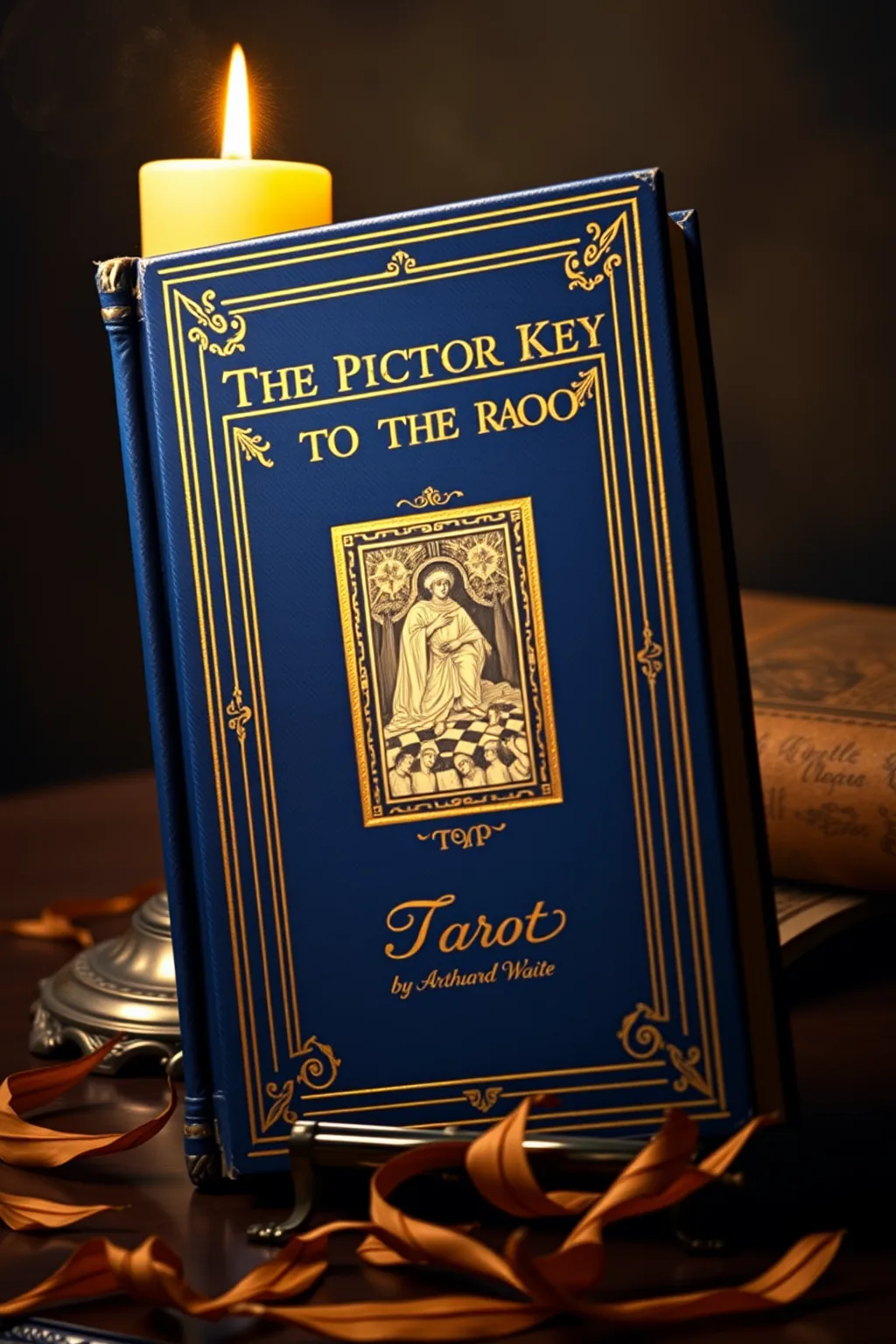
Published in 1993, A. T. Mann's The Tarot emerged during a period of significant resurgence in occult and esoteric studies, following the counter-cultural shifts of the 1960s and 70s. This era saw a growing academic and popular interest in divination, comparative religion, and Western esotericism. Mann's work contributed to this by offering a structured, historically-informed analysis, situating the Tarot within the lineage of Hermeticism and Kabbalah. It arrived in a landscape populated by earlier, foundational works such as A. E. Waite's Pictorial Key to the Tarot (1910), which had already established significant interpretations. Mann's approach, however, aimed for a synthesis that integrated later psychological theories with traditional symbolism, distinguishing it from purely historical or purely divinatory texts. The book navigated the intellectual currents of late 20th-century esotericism, which often sought to legitimize these traditions through scholarly examination and philosophical depth.
📔 Journal Prompts
The Fool's journey and its representation of consciousness.
Kabbalistic correspondences as applied to the Major Arcana.
The symbolic significance of the Minor Arcana's suits.
Archetypal imagery in the court cards.
Personal reflections on the Tarot as a map of the psyche.
🗂️ Glossary
Major Arcana
The 22 trump cards of the Tarot deck, typically depicting archetypal figures and significant life events, representing the major stages of the soul's journey.
Minor Arcana
The 56 cards of the Tarot deck divided into four suits (Wands, Cups, Swords, Pentacles), representing the everyday events, challenges, and experiences of life.
Hermeticism
A philosophical and religious tradition based on the writings attributed to Hermes Trismegistus, emphasizing the unity of all things and the pursuit of spiritual knowledge through esoteric practices.
Kabbalah
A system of Jewish mysticism that explores the relationship between the divine and the created universe, often represented by the Tree of Life.
Archetype
A universal, archaic pattern or image that derives from the collective unconscious and is believed to characterize certain common experiences, such as the hero, the mother, or the trickster.
Divination
The practice of seeking knowledge of the future or the unknown by supernatural means, often through symbolic systems like the Tarot.
Symbolism
The use of symbols to represent ideas and qualities, often with hidden meanings, as employed extensively in the Tarot deck.
🔮 Readers Also Liked
Browse all →
More Free Divination & Tarot Books
View all →