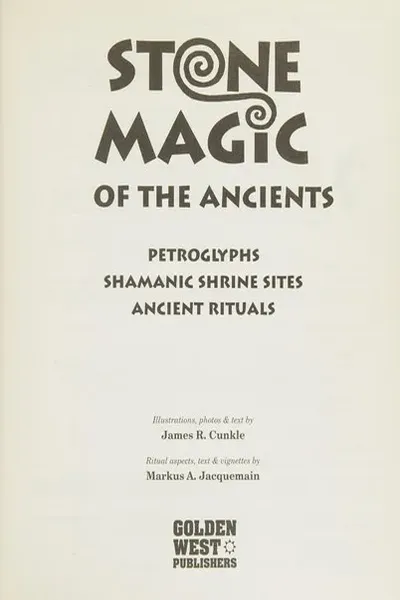
The Sword of Kaigen

 78
78

The Sword of Kaigen
M. L. Wang's The Sword of Kaigen immediately distinguishes itself with its sophisticated handling of a familiar fantasy trope: the martial arts academy. Instead of a straightforward power fantasy, Wang crafts a narrative that interrogates the very foundations of such institutions. The portrayal of the Kaigen Ascendancy is particularly striking, presenting a society where duty and discipline are paramount, but at a significant personal cost to its citizens. The strength of the novel lies in its unflinching examination of this societal structure and its effect on individuals like Maya. However, the pacing in the initial sections can feel deliberately slow, mirroring the arduous training the characters endure, which might test the patience of some readers. A standout moment is the detailed depiction of the "ki" system, which feels less like a magical ability and more like a deeply ingrained, almost biological aspect of the characters' lives. The Sword of Kaigen is a thought-provoking work that uses its fantasy setting to explore universal themes of sacrifice and identity.
📝 Description
78
M. L. Wang's 2019 novel, The Sword of Kaigen, centers on a young woman's struggle within a martial arts society.
The Sword of Kaigen is set in the Kaigen Ascendancy, a society where martial prowess is tied to the control of elemental energies, or 'ki.' The story follows Maya, a young woman contending with strict social rules and demanding training. This book examines duty, sacrifice, and the mental strain of extreme discipline.
It is written for readers who enjoy detailed world-building and character-focused stories that tackle difficult moral questions. Those interested in the philosophical aspects of martial arts, the weight of inherited duties, and the internal conflicts of leaders will find much to consider. The novel appeals to readers seeking more than just adventure, looking instead at the cost of power and what constitutes real strength.
Published in 2019, The Sword of Kaigen engages with themes common in speculative fiction that draw on Eastern philosophies. M. L. Wang incorporates martial arts concepts, particularly the channeling of 'ki,' not merely as a plot device but as a metaphor for inner discipline and potential. The novel situates these ideas within a fictional authoritarian system, prompting reflection on honor, duty, and the psychological impact of such structures. It builds upon existing Western fantasy interpretations of Eastern martial arts traditions by offering a critical examination of their societal and personal consequences.
💡 Why Read This Book?
• Gain insight into the psychological weight of rigorous training and societal expectations, as exemplified by Maya's internal conflicts within the Kaigen Ascendancy. • Understand the nuanced portrayal of "ki" not just as a magical force, but as a representation of inner discipline and potential, as explored throughout the narrative. • Experience a critique of authoritarian structures and tradition through the detailed world-building of the Ascendancy, offering a unique perspective on duty and sacrifice.
⭐ Reader Reviews
Honest opinions from readers who have explored this book.
❓ Frequently Asked Questions
What is the central conflict in The Sword of Kaigen?
The central conflict revolves around Maya's struggle to reconcile her personal desires and moral compass with the rigid, duty-bound expectations of the Kaigen Ascendancy and its martial traditions.
How does the concept of 'ki' function in the book?
'Ki' in The Sword of Kaigen represents the vital energy that practitioners channel, serving as both a source of power and a metaphor for inner discipline, strength, and the potential for personal growth or destruction.
What kind of world does M. L. Wang create?
Wang creates a meticulously detailed world, the Kaigen Ascendancy, which is a militaristic and highly disciplined society where martial prowess and elemental energy control are paramount, shaping every aspect of life.
Is The Sword of Kaigen a typical fantasy novel?
While it features fantasy elements like elemental energy, it deviates from typical tropes by focusing on psychological depth, societal critique, and the personal cost of duty, rather than straightforward adventure.
Who is the author, M. L. Wang?
M. L. Wang is the author of The Sword of Kaigen, first published in 2019. They are known for intricate world-building and exploring complex themes within speculative fiction.
What are the main themes explored in the book?
Key themes include duty versus personal will, the nature of sacrifice, the psychological impact of intense discipline, and the critique of authoritarian societal structures.
🔮 Key Themes & Symbolism
Duty and Sacrifice
The narrative intensely scrutinizes the concept of duty, particularly as it is enforced by the Kaigen Ascendancy. Characters are constantly confronted with the necessity of sacrificing personal desires, relationships, and even their own well-being for the perceived greater good of the state. This theme is explored through the rigorous training and the societal pressures that demand absolute obedience, making the cost of service a central, often agonizing, element of the story.
The Nature of Power
Power, in the form of 'ki' manipulation and martial skill, is not presented as inherently good or evil. Instead, the book examines how power corrupts, transforms, and isolates individuals. The Ascendancy's control over 'ki' is a mechanism of societal control, but the personal mastery of this energy also represents a profound inner journey. The struggle is not just to gain power, but to wield it responsibly and ethically within a demanding framework.
Societal Structures and Control
The Kaigen Ascendancy serves as a potent allegory for authoritarian regimes built on tradition and military might. The novel dissects how such structures demand conformity, suppress individuality, and can lead to immense suffering in the name of order. The rigid hierarchy and the pervasive influence of ancestral mandates highlight the tension between collective identity and personal autonomy.
Internal vs. External Strength
While external displays of martial prowess and 'ki' control are central to the world, the book consistently questions what constitutes true strength. It suggests that inner resilience, moral fortitude, and the capacity for empathy—qualities often suppressed by the Ascendancy's harsh doctrines—are equally, if not more, vital. The conflict between outward performance and inner conviction drives much of the character development.
💬 Memorable Quotes
Direct passages from the work, attributed to the author.
“The Ascendancy demands everything. It gives structure, purpose. But it also takes your life.”
— This sentiment captures the core dilemma faced by characters: the trade-off between the security and meaning provided by a rigid society and the profound personal cost it exacts. It highlights the book's exploration of authoritarianism's double-edged nature.
“Ki flows through all things, but only the disciplined can command it.”
— This statement defines the fundamental principle of the novel's magic system. It emphasizes that power is not just innate but requires intense training and mental fortitude, aligning with the book's focus on discipline and mastery.
“To lead is to bear the weight of every choice, every failure.”
— This interpretation reflects the burdens of leadership within the Kaigen Ascendancy. It underscores the theme that true leadership involves not just authority, but immense responsibility and the acceptance of consequences, often at great personal expense.
“True strength is not in the blow struck, but in the will to endure.”
— This interpretation points to the novel's deeper exploration of strength beyond mere physical combat. It suggests that resilience, perseverance, and inner fortitude are the ultimate measures of a person's power and character.
💡 Key Ideas
Editorial paraphrase of the work's core concepts — not direct quotes.
Tradition can be a shield, or it can be a cage.
This paraphrased concept speaks to the dual nature of tradition as presented in the book. For the Kaigen Ascendancy, long-held customs provide order and identity but also stifle growth and individual freedom, creating a restrictive environment.
🌙 Esoteric Significance
Tradition
While not explicitly aligned with a single established esoteric lineage, The Sword of Kaigen draws heavily from Taoist and Buddhist concepts concerning the flow of vital energy ('ki'), discipline, and the pursuit of inner balance. It echoes Gnostic themes of escaping oppressive, materialist systems through inner awakening and mastery. The Ascendancy's rigid structure can be seen as a metaphor for the illusory nature of worldly power and the need for transcendent understanding.
Symbolism
The primary symbol is 'ki' itself, representing life force, spiritual energy, and the potential for both creation and destruction. The sword is a potent symbol of authority, judgment, and the cutting edge of truth or destruction. The Ascendancy's stark, militaristic architecture symbolizes its oppressive, rigid ideology, emphasizing order and control over individual freedom and organic growth.
Modern Relevance
Contemporary thinkers exploring the intersection of martial arts philosophy and modern psychology find resonance in Wang's work. Its critique of authoritarianism and emphasis on individual conscience within societal structures speaks to current discussions on political systems and personal agency. Practitioners of various energetic disciplines, from Qigong to certain forms of Western esotericism, can find parallels in the book's depiction of channeling and controlling vital energy.
👥 Who Should Read This Book
• Students of comparative philosophy and martial arts who seek fictional explorations of discipline, energy cultivation ('ki'), and the ethics of power. • Readers interested in critiques of authoritarianism and rigid societal structures, examining how tradition can both provide order and enforce oppression. • Fans of character-driven epic fantasy who appreciate intricate world-building and narratives that prioritize psychological depth and moral complexity over simple adventure.
📜 Historical Context
The Sword of Kaigen, published in 2019, emerged within a burgeoning online speculative fiction market that allowed authors like M. L. Wang to bypass traditional publishing gatekeepers. This era saw a renewed interest in intricate world-building and the integration of non-Western philosophical and martial traditions into fantasy narratives. Wang’s work engages with a lineage of authors who brought martial arts concepts to a global audience, but critically examines the societal structures that often underpin such traditions. Unlike earlier, more romanticized portrayals, Wang's novel examines the psychological and ethical costs of rigid systems like the Kaigen Ascendancy. It participates in a broader conversation about power, duty, and control, offering a nuanced perspective that contrasts with the more straightforward heroic narratives prevalent in earlier decades. The reception of such works often highlights a desire among readers for fantasy that tackles complex social and philosophical questions with depth and originality.
📔 Journal Prompts
The Kaigen Ascendancy's demand for sacrifice: reflect on personal compromises made for perceived societal benefit.
Maya's internal conflict between duty and personal desire: analyze the sources of your own moral obligations.
The dual nature of 'ki' as power and discipline: explore the balance between innate potential and cultivated skill in your life.
The symbolism of the sword within the Ascendancy: consider what tools or concepts you wield that define your authority or judgment.
Endurance as a form of strength: reflect on a time when perseverance, rather than action, was your greatest asset.
🗂️ Glossary
Ki
The fundamental vital energy that flows through all living beings and the universe. In the context of the Kaigen Ascendancy, it is a force that can be cultivated through rigorous training to achieve extraordinary physical and elemental abilities.
Kaigen Ascendancy
The dominant political and military power in the story, characterized by its strict hierarchical structure, emphasis on martial prowess, and the disciplined control of 'ki' as its primary means of societal organization and defense.
Ascendant
An individual who has undergone the intense training within the Kaigen Ascendancy and has demonstrated mastery over 'ki,' thereby achieving a high rank and significant societal influence.
Elemental Control
The ability, honed through the practice of channeling 'ki,' to manipulate specific natural elements such as fire, water, earth, or air for offensive, defensive, or utilitarian purposes.
Ancestor Mandate
A core principle of the Kaigen Ascendancy, referring to the revered traditions and directives passed down from past generations, which dictate societal norms, laws, and the expected conduct of its citizens.
Duty
In the context of the Ascendancy, duty is an absolute obligation to the state and its traditions, often superseding personal desires, safety, or moral considerations. It is the guiding principle of the society.
The Path
Refers to the rigorous and often brutal training regimen required to master 'ki' and achieve status within the Kaigen Ascendancy. It is a metaphor for the arduous journey of self-cultivation and discipline.
🔮 Readers Also Liked
Browse all →








More by M. L. Wang
All books →


More Free Magic & Ritual Books
View all →