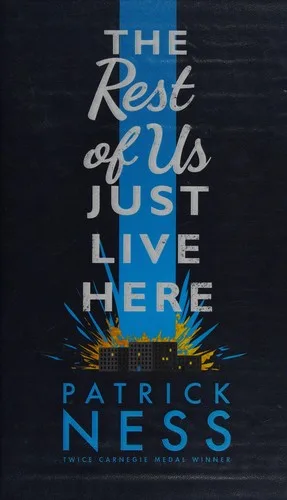
The rest of us just live here
 79
79

The rest of us just live here
Patrick Ness’s "The Rest of Us Just Live Here" is a clever inversion of the typical fantasy narrative, focusing on the quiet lives of those unaffected by the grand battles waged by their peers. The strength lies in its sharp, witty prose and its empathetic portrayal of mundane adolescent struggles—first crushes, social anxieties, and familial expectations—set against a backdrop of supernatural conflict. One limitation, however, is that the narrative sometimes feels as though it’s deliberately withholding the more fantastical elements it references, which can leave the reader wanting more direct engagement with the "epic" world it describes. The passage detailing Mikey’s anxiety about his father’s absence, juxtaposed with the knowledge that his friends are fighting demons, perfectly encapsulates this central tension. Ultimately, Ness delivers a thoughtful, character-driven story that redefines the periphery.
📝 Description
79
Patrick Ness's 2016 novel, "The Rest of Us Just Live Here," sidesteps chosen ones for the bystanders.
Patrick Ness's 2016 novel, "The Rest of Us Just Live Here," initially published by HarperCollins, subverts typical young adult fantasy tropes. Instead of focusing on prophesied heroes destined to battle a formidable evil, the story centers on ordinary individuals – "the rest of us" – who deal with the mundane consequences of extraordinary events. These characters grapple with everyday life, relationships, and personal anxieties while their peers are engaged in world-saving quests. The novel offers a unique perspective on heroism and the nature of extraordinary circumstances.
This work suits readers who appreciate meta-narrative commentary and a deconstruction of genre conventions. It appeals to those who enjoy stories about supporting characters or the civilian population during crises. Readers seeking a departure from conventional fantasy plots, those interested in the psychological impact of grand events on individuals outside the spotlight, and fans of Ness's distinctive prose will find this book worthwhile. It also speaks to anyone who has ever felt like a bystander in a world of seemingly epic happenings.
Published in 2016, "The Rest of Us Just Live Here" emerged during a period when young adult literature was saturated with high-stakes fantasy narratives. Authors like John Green had already begun to explore more grounded emotional realities in YA, and Ness's work can be seen as a clever, genre-bending counterpoint. While not directly engaging with occult philosophy in its subject matter, its publication year places it within a literary landscape that, while not explicitly esoteric, was increasingly interested in examining the psychological underpinnings of extraordinary situations, a common concern in esoteric thought. The book arrived without significant immediate contemporary literary contrast.
💡 Why Read This Book?
• Gain an appreciation for the "invisible" lives often overlooked in epic narratives. You'll learn how Ness frames the quiet struggles of ordinary characters, like those of the protagonist, as significant against the backdrop of supernatural events in 2016. • Understand how genre conventions can be subverted to explore relatable adolescent anxieties. This book offers a unique perspective on themes of identity and belonging, showing how characters like Finn cope with feeling overshadowed. • Experience a narrative that questions the nature of heroism beyond grand gestures. You'll feel the impact of Ness's focus on the everyday, highlighting the significance of enduring normal life amidst extraordinary circumstances.
⭐ Reader Reviews
Honest opinions from readers who have explored this book.
❓ Frequently Asked Questions
What is the central premise of "The Rest of Us Just Live Here"?
The book focuses on teenagers who are not the "Chosen Ones" destined to fight evil. Instead, it follows the ordinary lives of those who coexist with supernatural events, dealing with everyday problems while their friends fight monsters.
Who is the author of "The Rest of Us Just Live Here"?
The author is Patrick Ness, an acclaimed writer known for his young adult fiction. The book was first published in 2016.
What genre does "The Rest of Us Just Live Here" belong to?
It is primarily a young adult contemporary novel with strong fantasy elements and metafictional commentary. It deconstructs typical fantasy tropes.
What are the main themes explored in the book?
Key themes include the experience of being ordinary, the nature of heroism, mental health, identity, and the contrast between mundane life and extraordinary events.
How does this book differ from traditional fantasy novels?
Unlike traditional fantasy, which centers on heroes battling evil, this novel shifts focus to the non-heroic characters and their everyday lives, acknowledging the supernatural but prioritizing personal struggles.
What is the significance of the title "The Rest of Us Just Live Here"?
The title directly refers to the characters who are not part of the central conflict or prophecy. They are the bystanders, the ordinary people who continue their lives around the extraordinary events happening elsewhere.
🔮 Key Themes & Symbolism
The Ordinary in the Extraordinary
The novel meticulously details the lives of characters who are not embroiled in the central supernatural conflict. This theme highlights the persistent reality of everyday concerns—school, relationships, family issues—even when the world is supposedly at stake. It posits that the "normal" is a powerful force, and living through it requires its own form of resilience. The book examines how the presence of epic events, though not directly experienced by the main characters, subtly impacts their lives and perceptions, questioning what truly constitutes a significant existence.
Subversion of Heroic Tropes
Ness actively dismantles common young adult fantasy archetypes. Instead of focusing on a chosen one or a destined hero, the narrative centers on those who are bystanders or are dealing with personal issues that seem trivial compared to world-ending threats. This deconstruction invites readers to reconsider who the real protagonists are and whether heroism is solely defined by grand battles. The work critiques the often-exclusive focus on the "epic" in storytelling, suggesting that the lives of "the rest of us" are equally valid and complex.
Mental Health and Coping
The book subtly addresses mental health challenges faced by adolescents, particularly anxiety and the pressure to conform or be "normal." Characters grapple with their identities and relationships, often influenced by the unspoken presence of supernatural activity around them. The narrative explores how individuals cope with stress and uncertainty, whether it's through mundane routines, social interactions, or internal struggles. This focus on psychological realism grounds the fantastical elements, making the characters' experiences relatable and their emotional journeys central to the story.
💬 Memorable Quotes
Direct passages from the work, attributed to the author.
“The world was ending, and no one seemed to notice.”
— This statement highlights the disconnect between the extraordinary events unfolding and the everyday lives of the protagonists. It points to the selective awareness and the way personal concerns can overshadow even apocalyptic scenarios.
“She was a hero, and he was just… him.”
— This internal thought reveals the protagonist's perception of their own ordinariness in contrast to others who are engaged in heroic deeds. It speaks to feelings of inadequacy and the struggle for self-worth when compared to those in the spotlight.
“The real monsters are the ones you can’t see.”
— While the book features literal monsters, this interpreted concept suggests that the more insidious threats are internal or social: anxieties, relationship problems, and personal insecurities that plague the characters.
💡 Key Ideas
Editorial paraphrase of the work's core concepts — not direct quotes.
The gods are dead. The dragons are dead. The wizards are dead. The rest of us just live here.
This line expresses the novel's core premise: while epic figures and events may dominate the supernatural landscape, the majority of individuals simply continue their ordinary existence, dealing with the mundane realities of life.
It’s not about the quest, it’s about the people you’re with.
This paraphrased idea emphasizes the importance of relationships and human connection, even within a fantasy framework. It suggests that the value of an experience lies not just in the grand objective but in the bonds formed along the way.
🌙 Esoteric Significance
Tradition
While "The Rest of Us Just Live Here" is not overtly an esoteric text, its focus on the unseen forces and the psychological impact of extraordinary events can be loosely aligned with Gnostic or Hermetic principles. The Gnostic idea of the mundane world as a distraction or a lesser reality, overshadowed by divine or chaotic forces, finds a parallel in the novel's portrayal of ordinary lives existing alongside supernatural conflicts. Similarly, Hermeticism’s emphasis on understanding hidden truths and the interconnectedness of all things appeals to the novel's exploration of how unseen events subtly shape the lives of those not directly involved.
Symbolism
The concept of "the rest of us" serves as a potent symbol for the unacknowledged majority, those living outside the immediate sphere of perceived power or destiny. The "invisible" monsters and the "quiet" wars represent the unseen influences and subtle energies that permeate existence, a common theme in esoteric thought. These elements symbolize the hidden currents of reality that affect everyone, whether acknowledged or not, suggesting that the mundane is always intertwined with the profound.
Modern Relevance
Contemporary discussions around mental health, the impact of global events on individual well-being, and the critique of "hero culture" echo the themes in Ness's novel. Thinkers and practitioners who explore the intersection of psychology and spirituality, or those interested in finding meaning in everyday life amidst chaos, might draw parallels. The novel’s deconstruction of narrative archetypes also appeals to modern literary critics and writers who engage with metafiction and genre-bending, showing how esoteric concepts of hidden realities can be explored through accessible, contemporary storytelling.
👥 Who Should Read This Book
• Readers interested in metafictional commentary on popular genres. They will appreciate how Ness dissects and subverts typical young adult fantasy tropes, offering a fresh perspective on storytelling conventions. • Adolescents and young adults grappling with feelings of ordinariness or being overshadowed. This book provides validation and explores the significance of everyday life and personal struggles, even when grand events occur. • Fans of Patrick Ness's distinctive writing style. Readers familiar with his nuanced character development and introspective prose will find "The Rest of Us Just Live Here" a compelling addition to his body of work.
📜 Historical Context
In 2016, "The Rest of Us Just Live Here" by Patrick Ness arrived on the literary scene as a clever commentary on the prevailing trends in young adult fantasy. The genre, at this point, was heavily populated with tales of chosen ones, epic battles, and prophesied saviors, exemplified by popular series that dominated bestseller lists. Ness’s novel offered a refreshing counter-narrative by deliberately sidelining these elements to focus on the ordinary lives of those adjacent to the supernatural conflict. While not directly engaging with esoteric traditions, its publication year places it in a broader cultural moment where the psychological impact of "big" events on individuals was gaining traction in literary discourse, mirroring concerns found in certain philosophical circles. Unlike some works that faced specific reception events, Ness’s book was primarily noted for its innovative approach to genre, contrasting with the more traditional fantasy narratives of contemporaries like Sarah J. Maas or the character-driven realism of authors such as John Green, who explored different facets of adolescent life.
📔 Journal Prompts
The experience of being "the rest of us" in a world of perceived heroes.
The contrast between external "epic" events and internal personal crises.
How characters cope with realities beyond their direct control.
The definition of heroism when grand quests are absent.
The subtle influence of unseen forces on everyday life.
🗂️ Glossary
Chosen Ones
A common trope in fantasy literature referring to individuals prophesied or destined to undertake a great quest or defeat a significant evil, often possessing unique abilities.
Metafiction
A type of fiction that self-consciously draws attention to its status as a work of fiction, often by commenting on or incorporating elements of the narrative process itself.
Subversion
The act of undermining or overthrowing something established, often used in literature to challenge conventional narrative structures, tropes, or themes.
Genre Conventions
The typical elements, patterns, and characteristics associated with a specific literary genre, such as plot devices, character archetypes, and thematic concerns.
Bystander Effect
A social psychological phenomenon in which individuals are less likely to offer help to a victim when other people are present; in this context, it relates to characters not directly involved in the main conflict.
Psychological Realism
A literary technique that focuses on depicting the internal thoughts, feelings, and motivations of characters, aiming for a realistic portrayal of their mental and emotional lives.
The Ordinary
In the context of this novel, it refers to the mundane, everyday experiences, routines, and concerns of individuals who are not the central figures in extraordinary or supernatural events.
🔮 Readers Also Liked
Browse all →





More by Patrick Ness
All books →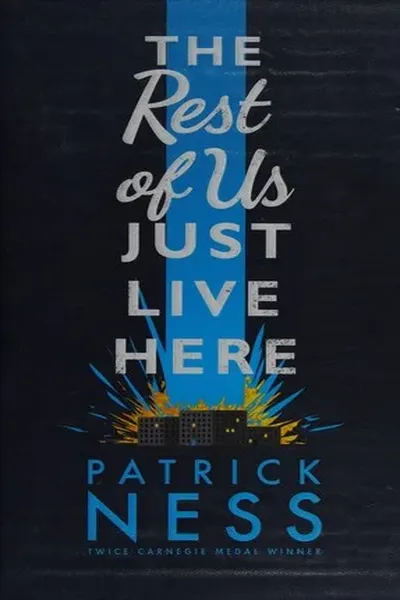





More Free Magic & Ritual Books
View all →