Crafting & Use Of Ritual Tools
 71
71

Crafting & Use Of Ritual Tools
Eleanor and Philip Harris’s 'Crafting & Use Of Ritual Tools' attempts to demystify the creation and application of ritual implements, a subject often shrouded in arcane pronouncements. The work’s strength lies in its grounded approach, offering concrete steps for constructing items like wands, athames, and chalices. I found the chapter detailing the symbolic significance of wood types particularly illuminating, linking specific trees to astrological and elemental correspondences. However, the book occasionally falters by presenting some traditions as universally accepted, when in fact, ritualistic practices vary significantly. For instance, the precise function of an athame can differ between magical practitioners. Despite this, the Harris’s provide a solid foundation for anyone looking to move beyond purchased tools and engage in the personal creation of their magical paraphernalia. It is a useful, if not exhaustive, manual for the hands-on occultist.
📝 Description
71
Eleanor and Philip Harris published 'Crafting & Use Of Ritual Tools' in 2002, detailing the creation and application of ritual implements.
This 2002 book by Eleanor and Philip Harris provides practical instruction for creating and using tools in esoteric practices. It moves beyond theory to offer concrete advice for practitioners aiming to focus intent through their ritual objects. The authors explain the symbolic meaning and construction of items common in occult settings, with the goal of empowering individuals through their interaction with these tools. The book is useful for those involved in or beginning ritual magic, ceremonial occultism, or personal spiritual paths that use symbolic actions. It speaks to the idea that ritual objects are active components of magical work, not just decorations. Readers interested in traditions like Wicca, Hermeticism, or Western esotericism who want to understand tool consecration and function will find guidance here.
The book's publication in 2002 coincided with a resurgence of interest in hands-on occultism. It marks a return to tangible magical practices, following earlier theoretical movements. The work connects contemporary esoteric thought with a history of tool creation and use that extends back to ancient times. It distinguishes itself from purely academic or dogmatic occult writings by focusing on practical application.
Published in 2002, 'Crafting & Use Of Ritual Tools' emerged during a period of renewed interest in practical occultism. It followed more theoretical traditions like Theosophy and later Golden Dawn interpretations, shifting focus to tangible magical practice. The book connects this hands-on approach to a long lineage of tool making and usage found in ancient civilizations. It presents this within contemporary esoteric thought, differing from earlier academic or dogmatic occult literature by emphasizing direct engagement with ritual implements.
💡 Why Read This Book?
• Gain practical instructions for crafting specific ritual tools like the athame, moving beyond theoretical descriptions to hands-on creation. Understand the symbolic weight each element carries in your practice. • Learn about the energetic properties of materials, such as different woods or metals, as discussed in the book’s sections on tool composition. This knowledge allows for more intentional tool selection and creation. • Discover the importance of consecration rituals, a key practice detailed by the Harrises. This section provides methods to imbue your handcrafted tools with sacred purpose and power.
⭐ Reader Reviews
Honest opinions from readers who have explored this book.
❓ Frequently Asked Questions
What are the primary ritual tools discussed in 'Crafting & Use Of Ritual Tools'?
The book covers essential implements such as the athame (ritual knife), wand, chalice, pentacle, and censer. It details their construction and symbolic meaning within various esoteric traditions.
When was 'Crafting & Use Of Ritual Tools' first published?
The first edition of 'Crafting & Use Of Ritual Tools' by Eleanor and Philip Harris was published in 2002, reflecting a contemporary interest in practical magical craft.
Does the book explain how to consecrate ritual tools?
Yes, a significant portion of the book is dedicated to the principles and methods of consecration, explaining how to imbue ordinary objects with sacred energy and purpose for ritual use.
What kind of esoteric traditions does the book draw from?
While not exclusively tied to one path, the book draws from principles common in Western Esotericism, including Hermeticism and various forms of ceremonial magic, focusing on universal aspects of ritual tool creation.
Is 'Crafting & Use Of Ritual Tools' suitable for beginners?
Absolutely. The book's practical, step-by-step approach makes it highly accessible for beginners who wish to understand and create their own ritual implements from the ground up.
What is the significance of material choice for ritual tools, according to the book?
The Harrises emphasize that the material (wood, metal, stone, etc.) chosen for a tool significantly impacts its energetic properties and its effectiveness in specific magical workings, linking materials to elemental and symbolic correspondences.
🔮 Key Themes & Symbolism
The Energetics of Materials
The book meticulously details how different materials—from specific types of wood to various metals and gemstones—possess inherent energetic qualities that influence their suitability for particular ritual functions. This isn't simply about aesthetics; it’s about understanding the sympathetic relationship between a substance's nature and the magical intent it will serve. For instance, certain woods might be favored for wands due to their life-affirming energies, while specific metals could be recommended for chalices to enhance their capacity for holding and directing liquid energies. This theme underscores the principle that the physical substance of a tool is an active component in its magical efficacy.
The Art of Consecration
Central to the Harris’s work is the practice of consecration, the ritualistic process of purifying and dedicating a tool for sacred use. They illustrate that an object is transformed from mundane to magical through focused intent and ceremonial action. This involves not just a symbolic blessing but an energetic imbuing, often incorporating elements like elemental purification (water, fire, air, earth) and invocation of spiritual forces. The book provides methods to ensure the tool becomes a potent conduit for magical energy, aligning it with the practitioner's will and the specific purpose it is intended to fulfill.
Symbolism in Form and Function
Each ritual tool discussed, whether it's an athame, wand, or pentacle, is examined through the lens of its symbolic meaning and practical application. The Harris’s explain how the shape, size, and design of a tool are not arbitrary but are imbued with deep symbolic significance that speaks to universal archetypes and esoteric principles. For example, the pointed nature of a wand symbolizes direction and focus, while the circular form of a pentacle represents wholeness and connection to the earth. Understanding this symbolism allows practitioners to engage with their tools on a deeper, more conscious level.
Empowerment Through Creation
A core message of 'Crafting & Use Of Ritual Tools' is the empowerment derived from personal creation. By crafting their own implements, practitioners bypass intermediaries and develop a direct, intimate connection with their tools. This hands-on engagement fosters a deeper understanding of the tools' purpose and enhances the practitioner's personal power and confidence. The act of making becomes a ritual in itself, embedding the maker's energy and intent into the object, thereby creating a unique and potent instrument for magical work.
💬 Memorable Quotes
Direct passages from the work, attributed to the author.
“The material chosen for a ritual tool is not merely decorative; it carries inherent energies that must align with the tool's intended purpose.”
— This highlights the book's focus on the tangible aspects of magical practice, asserting that the substance of an object actively contributes to its efficacy, not just its symbolic representation.
“Consecration is the vital step that transforms a simple object into a sacred instrument capable of channeling spiritual forces.”
— This emphasizes the transformative power of ritual, suggesting that the act of dedication and purification imbues an object with a potency it wouldn't otherwise possess.
“Understanding the symbolic language of each tool enhances the practitioner's connection to their magical work.”
— This points to the importance of intellectual and symbolic comprehension alongside practical application, suggesting that knowing *why* a tool is designed a certain way deepens its effectiveness.
“The act of crafting your own ritual implements fosters a profound personal connection and amplifies your own inherent magical abilities.”
— This interpretation focuses on the personal growth and empowerment that comes from self-creation, suggesting that the process itself is as significant as the final product.
“Each tool serves as a focal point, helping to direct and solidify the practitioner's will within the magical working.”
— This emphasizes the functional role of tools as conduits and amplifiers for the practitioner's intent, translating abstract will into tangible magical action.
🌙 Esoteric Significance
Tradition
This work broadly fits within the Western Esoteric tradition, particularly its ceremonial and practical magic branches. It draws upon principles found in Hermeticism, Wicca, and other magical systems that emphasize the importance of symbolic action and the consecration of implements. The Harrises’ approach is inclusive, seeking common ground in tool usage across diverse paths rather than adhering strictly to one lineage’s specific protocols, making it a bridge between various esoteric practices.
Symbolism
Key symbols explored include the athame, representing focused will and the element of fire or air; the wand, symbolizing direction, command, and the element of air or spirit; and the chalice, embodying receptivity, emotion, and the element of water. The pentacle is discussed as a symbol of the Earth element and material manifestation. These symbols are presented not just as static representations but as active energetic components within ritual.
Modern Relevance
Contemporary practitioners of various magical paths, including Neo-Paganism, chaos magic, and modern ceremonial magic, continue to find value in the principles outlined by the Harrises. The emphasis on intentional creation and understanding the energetic properties of materials aligns with current trends in personalized spirituality and the DIY occult movement. Thinkers and practitioners focusing on embodied magic and the sacredness of everyday objects can draw inspiration from this foundational text.
👥 Who Should Read This Book
• Aspiring ritualists and ceremonial magicians seeking to understand the fundamental importance and construction of their working tools. • Experienced practitioners looking to deepen their connection with their implements by learning about material symbolism and consecration techniques. • Hobbyists interested in the intersection of craft, symbolism, and esoteric practice, wanting to create meaningful objects for personal ritual or altar work.
📜 Historical Context
Published in 2002, 'Crafting & Use Of Ritual Tools' emerged within a resurgent wave of interest in practical occultism, following decades where theoretical and philosophical explorations often took precedence. The late 20th century saw a growing desire among practitioners to move beyond inherited dogma and engage directly with the material aspects of magic. Eleanor and Philip Harris’s work taps into this current, offering a grounded, hands-on approach that contrasts with the more abstract or heavily ceremonial traditions of earlier occult revivals, such as those influenced by the Hermetic Order of the Golden Dawn in the late 19th and early 20th centuries. While academic interest in Western Esotericism was also growing, with scholars like Wouter J. Hanegraaff publishing significant works around this time, the Harris’s book catered specifically to the practitioner seeking tangible knowledge, rather than solely academic analysis.
📔 Journal Prompts
Reflect on the symbolic resonance of the athame's blade and handle in your personal practice.
Consider the energetic properties of the wood you most often encounter or prefer for crafting.
Analyze the specific steps involved in the consecration ritual presented in the book.
Explore the connection between the chalice's form and its symbolic representation of receptivity.
Identify one personal ritual and consider which crafted tool would best enhance its focus and efficacy.
🗂️ Glossary
Athame
A ritual knife, typically double-edged, used for directing energy, drawing magical circles, and invoking or banishing spirits, but generally not for physical cutting.
Wand
A rod-like implement used for directing energy, commanding elements or spirits, and symbolizing will and authority in magical workings.
Chalice
A ceremonial cup used for holding libations or sacred beverages, symbolizing the element of water, receptivity, and the sacred feminine.
Pentacle
A disc or amulet inscribed with a pentagram or other sacred symbol, typically representing the element of Earth and used for grounding or protection.
Consecration
The ritual act of purifying and dedicating an object or space for sacred purposes, imbuing it with spiritual energy and intent.
Sympathetic Magic
A type of magic based on the principle that like affects like (law of sympathy), where actions performed on a representation or material can influence the real object or person.
Esotericism
Teachings concerned with the nature of reality and the divine, often involving secret knowledge or practices accessible only to initiates, typically distinct from exoteric or mainstream religious doctrines.
🔮 Readers Also Liked
Browse all →








More by Eleanor & Philip Harris
All books →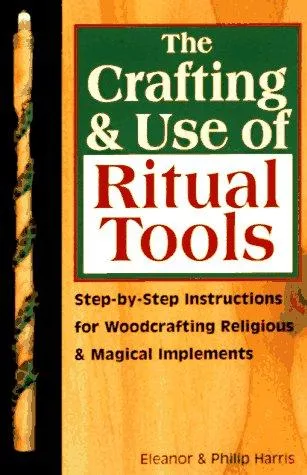
More Free Magic & Ritual Books
View all →