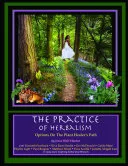
The Practice of Herbalism
 72
72

The Practice of Herbalism
Jesse Hardin’s *The Practice of Herbalism* is less a compendium of plant lore and more a sober examination of the ground rules for serious engagement with this ancient craft. The book’s strength lies in its direct confrontation with the philosophical underpinnings that too often get glossed over in the rush to learn remedies. Hardin doesn't shy away from the less glamorous, yet critical, aspects of professional practice. I found the section discussing the parameters of practice particularly illuminating, highlighting the fine line between supportive care and overstepping professional boundaries. A notable limitation, however, is the book's academic tone, which may prove less accessible to those seeking immediate, hands-on guidance rather than theoretical grounding. While the 2018 publication date situates it within contemporary discourse, some of the online forum references feel slightly dated. Nevertheless, Hardin provides a necessary, if sometimes stern, framework for ethical herbalism.
This is essential reading for anyone contemplating a serious, responsible path in herbal practice.
📝 Description
72
Jesse Hardin's 2018 book addresses the practical and ethical frameworks of contemporary herbal practice.
The Practice of Herbalism aims to clarify the scope and possibilities within modern herbalism for practitioners. It moves beyond simple plant identification to examine the ethical responsibilities and necessary parameters for safe, effective work with plant-based healing. Hardin considers the intellectual currents of holistic health movements, differentiating his work from purely botanical studies. The book is for those actively engaged in herbalism or seeking a deeper understanding of their practice. It addresses students, educators, and anyone working with plant medicine who wants to refine their approach. The author focuses on cultivating a purposeful healing method that balances individual practice with community engagement.
The work emerged during a time of renewed interest in traditional healing. While many books focus on materia medica or specific applications, Hardin's text tackles the underlying principles that guide practice. It is geared towards practitioners looking to evolve their understanding of the responsibilities and scope inherent in modern herbalism. The book discusses the practical ethics and philosophy that support herbalism's role in contemporary wellness.
Published in 2018, this book speaks to a resurgence of interest in traditional healing systems. It situates herbalism not just as a collection of remedies, but as a practice with ethical and philosophical underpinnings. The work engages with contemporary holistic health discussions, offering a framework for understanding the deeper implications of working with plants for wellness. It is relevant to those interested in paganism and witchcraft who seek to integrate plant knowledge with responsible practice.
💡 Why Read This Book?
• Gain a framework for ethical decision-making in herbal practice, directly informed by the book's exploration of practitioner responsibilities and parameters, which is crucial for safe client engagement. • Understand the evolving philosophical landscape of modern herbalism as presented in the text, allowing for a more purposeful approach to healing beyond rote memorization of plant properties. • Clarify the scope of practice and possibilities within contemporary herbalism, a critical takeaway from the 2018 publication that addresses current community discussions.
⭐ Reader Reviews
Honest opinions from readers who have explored this book.
❓ Frequently Asked Questions
What specific ethical dilemmas does The Practice of Herbalism address for modern herbalists?
The book confronts issues such as the boundaries of practice, informed consent, and the practitioner's responsibility in guiding clients toward self-sufficiency, rather than dependence, within the framework of herbal healing.
How does Jesse Hardin's book differentiate itself from other herbalism guides published around 2018?
Unlike many texts focusing solely on plant materia medica, Hardin's 2018 work prioritizes the philosophical and ethical scaffolding essential for purposeful healing practice.
Who is the intended audience for The Practice of Herbalism?
The primary audience includes individuals already engaged in herbalism or those aspiring to a serious, evolving practice, including students and educators seeking a deeper understanding of the field's underpinnings.
Does the book discuss the historical evolution of herbalism?
While not a historical survey, the book situates contemporary practice within evolving discussions, implicitly referencing the lineage of herbal knowledge and its modern application.
What kind of 'purposeful healing' does the book advocate for?
It advocates for a deliberate and conscious approach to healing that respects the client's autonomy, emphasizes education, and acknowledges the practitioner's role within a defined ethical and practical scope.
Are there actionable steps provided for improving one's herbal practice?
Yes, the book offers guidance on refining one's approach by considering the ethical parameters, scope of practice, and the broader possibilities of purposeful healing discussed within its pages.
🔮 Key Themes & Symbolism
Ethical Frameworks
The book emphasizes the critical need for a robust ethical framework guiding herbal practice. It moves beyond simple plant knowledge to address the responsibilities inherent in working with individuals seeking natural remedies. This includes discussions on informed consent, scope of practice, and the practitioner's role in fostering client empowerment rather than dependency. The ethical considerations are presented not as optional guidelines but as fundamental to purposeful healing, ensuring that practice is both effective and responsible.
Parameters of Practice
Hardin meticulously outlines the necessary parameters within which herbalists should operate. This involves understanding the limitations of one's knowledge and training, and respecting the boundaries between herbal support and medical intervention. The text encourages a clear definition of what constitutes acceptable practice, safeguarding both the practitioner and the client. This focus on defined boundaries is crucial for the professionalization and integrity of herbalism in contemporary wellness landscapes.
Purposeful Healing
A central tenet of the book is the concept of 'purposeful healing.' This signifies an intentional, conscious approach to working with plants for well-being, moving beyond anecdotal or casual use. It involves a deep consideration of the client's holistic needs, the practitioner's ethical stance, and the broader context of health and vitality. The book guides readers toward cultivating this intentionality in their practice, fostering a more meaningful connection with the healing arts.
Evolving Herbalism
The Practice of Herbalism acknowledges that herbalism is not a static discipline but one that evolves with societal understanding and individual practice. It addresses contemporary discussions and challenges faced by herbalists today, encouraging adaptation and growth. The book provides a lens through which practitioners can assess and further develop their approach, ensuring their practice remains relevant, effective, and aligned with current ethical and practical standards.
💬 Memorable Quotes
Direct passages from the work, attributed to the author.
“The topics addressed here are those you might hear talked about online, in forums, in the hallways of herbal schools...”
— This statement highlights the book's grounding in real-world, ongoing conversations within the herbalist community, suggesting its relevance to current practical concerns and debates.
“...starting or further evolving a life of purposeful healing today.”
— This phrase expresses the dual aim of the book: to serve as a guide for newcomers establishing their practice and a resource for experienced herbalists seeking to deepen their intentionality and ethical commitment.
“primary ideas, ethics, parameters, and possibilities”
— This concise list points to the core components of the book's exploration, indicating that it covers both the foundational concepts and the dynamic potential within the field of herbalism.
“most important topics that herbalists and others need to consider”
— This assertion emphasizes the foundational nature and broad applicability of the subject matter, framing the book as essential for anyone serious about engaging with herbalism.
“a life of purposeful healing”
— This concept suggests a conscious and intentional approach to wellness, implying that the practice of herbalism, as discussed in the book, is more than just remedy application; it's a way of life.
🌙 Esoteric Significance
Tradition
While not strictly adhering to a single lineage like Hermeticism or Gnosticism, *The Practice of Herbalism* aligns with the broader Western esoteric tradition's emphasis on the practitioner's internal development and ethical responsibility. It reflects the alchemical principle of *solve et coagula* by urging practitioners to break down conventional approaches and re-coagulate them into a more conscious, integrated practice. It shares with Theosophy an interest in the ethical evolution of humanity through specialized knowledge.
Symbolism
The book implicitly engages with the symbolism of the plant as a mediator between the terrestrial and celestial realms, a common motif in Western esotericism. The 'purposeful healing' it advocates can be seen as a microcosm of the Great Work – the transformation of the self and the world. The act of careful selection and preparation of herbs symbolizes the disciplined application of will and understanding, essential in many esoteric paths.
Modern Relevance
Contemporary practitioners of holistic health, ecotherapy, and even certain branches of modern witchcraft that incorporate plant medicine can draw significantly from Hardin's work. Thinkers focused on ethical practice in complementary and alternative medicine (CAM) fields often grapple with similar issues of scope, responsibility, and client empowerment that *The Practice of Herbalism* addresses. Its framework is relevant to anyone seeking to professionalize or deepen their spiritual connection to plant work.
👥 Who Should Read This Book
• Aspiring herbalists seeking to establish a strong ethical foundation before diving into materia medica, ensuring they understand the responsibilities involved. • Practicing herbalists looking to refine their approach and address contemporary ethical dilemmas and the evolving scope of their practice. • Students of holistic wellness and complementary therapies interested in the philosophical and practical underpinnings of responsible natural healing modalities.
📜 Historical Context
Published in 2018, *The Practice of Herbalism* emerged during a resurgence of interest in natural health and traditional practices. This period saw a proliferation of herbal resources, ranging from detailed botanical guides to personal wellness blogs. Jesse Hardin’s work distinguished itself by focusing on the less-discussed philosophical and ethical dimensions crucial for practitioners. It engaged with the discourse surrounding holistic health, which often contrasted with the more reductionist approaches found in conventional medicine. Unlike purely academic works on ethnobotany or the historical development of herbalism, Hardin's text addressed the contemporary, practical considerations debated in online forums and herbal schools. Its appearance coincided with a growing awareness of the need for clear ethical guidelines within alternative healing modalities, a topic that also occupied thinkers in fields like naturopathy and functional medicine.
📔 Journal Prompts
The ethical parameters of purposeful healing: How do they shape your practice?
Reflect on the 'evolving possibilities' of herbalism discussed in the book.
Define your personal understanding of 'purposeful healing' based on the text.
Consider the distinction between foundational knowledge and evolving practice.
Analyze the role of online discussions versus structured learning for herbalists.
🗂️ Glossary
Purposeful Healing
An intentional and conscious approach to health and well-being that emphasizes the practitioner's ethical framework, client empowerment, and a deep understanding of the chosen healing modalities.
Parameters of Practice
The defined boundaries and guidelines that govern the scope of an herbalist's work, including their knowledge, training, and the types of support they can ethically offer clients.
Evolving Herbalism
The concept that the practice of herbalism is dynamic and adapts to new understandings, societal contexts, and individual practitioner development, rather than remaining static.
Ethical Framework
A set of moral principles and values that guide a practitioner's conduct, ensuring responsible and beneficial interactions with those seeking assistance.
Materia Medica
A body of knowledge concerning the medicinal properties of substances, particularly plants, including their uses, dosages, and contraindications.
Holistic Health
An approach to wellness that considers the interconnectedness of the mind, body, and spirit, and emphasizes treating the whole person rather than just symptoms.
Client Empowerment
The process of enabling individuals to take an active role in their own health decisions and practices, fostering independence and self-reliance.



![Story of Dreams, Fate and Destiny [Zurich Lecture Series Edition]](/img/thumb/story-of-dreams-fate-and-destiny-zurich-lecture-series-edition-erel-shalit-518400.webp)