The Poltergeist
 83
83

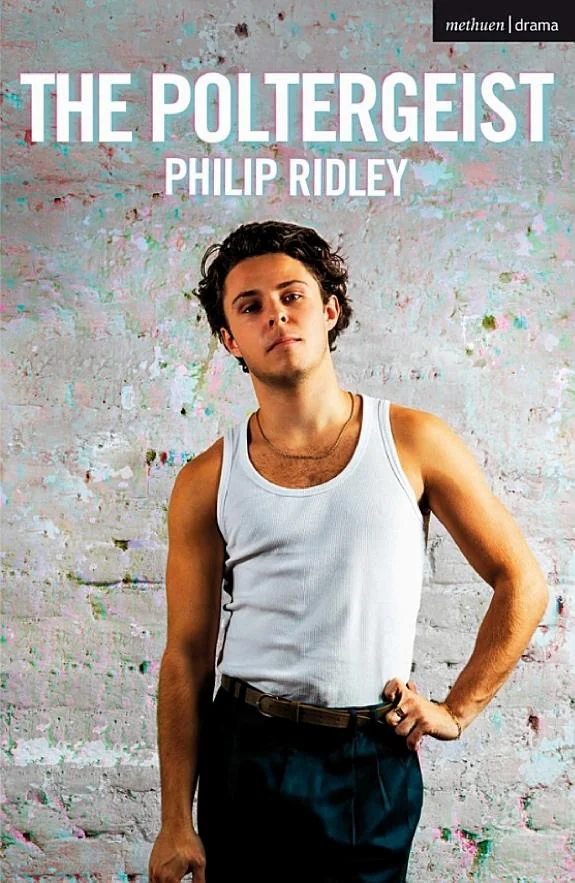
The Poltergeist
Philip Ridley's "The Poltergeist" offers a sharp, unsettling look at the phantom limb of a career that never materialized. The play excels in its unflinching portrayal of Sasha, a fifteen-year-old prodigy whose meteoric rise in the art world is juxtaposed with his present-day stagnation in a stationer's shop. Ridley’s dialogue crackles with a brittle, almost desperate humor, particularly in the exchanges that highlight the vast gulf between Sasha's youthful aspirations and his current reality. A notable strength is the exploration of "the life we never lived," which manifests not as a gentle nostalgia but as an aggressive haunting, a palpable presence in Sasha's mundane existence. However, the play occasionally leans into its bleakness, leaving the audience yearning for a moment of genuine catharsis or a more nuanced exploration of the forces that truly shaped Sasha's trajectory beyond simple "what ifs." Despite this, the work effectively captures the disquieting feeling of potential squandered, making it a potent, if somber, theatrical statement. It is a piercing examination of artistic ghosts.
📝 Description
83
Philip Ridley's 2021 play, "The Poltergeist," examines artistic failure.
Philip Ridley's 2021 play, "The Poltergeist," scrutinizes the ephemeral nature of artistic success and the specter of unfulfilled potential. Premiering at London's Southwark Playhouse, the work arrived during a time of increased debate about the fragility of creative careers and social media's influence on artistic recognition. Ridley's piece engages with a lineage of artists whose promising starts were overshadowed by subsequent obscurity. The play centers on the concept of the 'life we never lived,' a potent metaphor for regret and the lingering presence of alternative paths. It examines how societal pressures and personal choices can derail talent, leaving individuals haunted by the ghosts of their own potential achievements. This work is for individuals interested in contemporary drama, the psychological impact of creative ambition, and explorations of memory and identity. It will appeal to those who appreciate theatre that grapples with the anxieties of modern life and the persistent echoes of choices not made.
While not overtly occult, "The Poltergeist" taps into a tradition of exploring the 'haunting' presence of what might have been. This resonates with certain esoteric ideas about spiritual or psychological imprints left by unrealized futures or past decisions. The play's focus on the 'life we never lived' can be seen as a metaphor for the persistent, ghost-like influence of alternative realities or paths not taken, a concept explored in various philosophical and mystical traditions concerned with fate, destiny, and the weight of choices.
💡 Why Read This Book?
• Gain insight into the psychological weight of "the life we never lived" as depicted in the play's central character, Sasha, understanding how unfulfilled potential can become a haunting force. • Explore the critique of the contemporary art world and the fleeting nature of fame, as evidenced by Sasha's transition from teenage art sensation to an overlooked stationer. • Experience Ridley's signature darkly comic style, which uses humor to dissect themes of memory, family, and the anxieties surrounding artistic ambition, a hallmark of his 2021 work.
⭐ Reader Reviews
Honest opinions from readers who have explored this book.
❓ Frequently Asked Questions
What is the central theme of Philip Ridley's "The Poltergeist"?
The central theme of "The Poltergeist" revolves around the concept of "the life we never lived," exploring how unfulfilled potential and past choices can create a haunting presence in an individual's present reality.
When was "The Poltergeist" by Philip Ridley first published?
Philip Ridley's play "The Poltergeist" was first published on January 29, 2021, coinciding with its world premiere performance.
What is the significance of the setting in "The Poltergeist"?
The contrast between the potential art world fame and the mundane reality of a stationer's shop highlights the play's themes of derailed ambition and the haunting presence of a life unlived.
Who is the protagonist of "The Poltergeist"?
The protagonist is Sasha, a young artist who experienced significant early success but now finds himself in a state of obscurity, haunted by his lost potential.
What type of play is "The Poltergeist"?
It is described as a darkly comic play, blending humor with serious themes of art, family, memory, and the psychological impact of unfulfilled dreams.
Where did "The Poltergeist" premiere?
"The Poltergeist" had its world premiere performance at London's Southwark Playhouse in 2021.
🔮 Key Themes & Symbolism
The Haunting of Potential
The play deeply explores the psychological specter of "the life we never lived." This isn't merely regret; it's an active, intrusive force that mirrors the poltergeist phenomenon. The protagonist, Sasha, is plagued by the phantom successes and recognition he was destined for, making his mundane present an unbearable haunting ground. This theme taps into a universal fear of squandered talent and the persistent echo of alternative realities.
Art, Fame, and Fragility
Ridley dissects the ephemeral nature of artistic fame, particularly in the context of burgeoning young talent. Sasha's initial acclaim from pop stars and a highly anticipated exhibition in 2021, a year marked by the precariousness of creative careers, starkly contrasts with his later obscurity. The work critiques the external validation that fuels artistic ambition and how quickly it can vanish, leaving artists adrift.
Memory and Identity
Memory in "The Poltergeist" is not a passive recollection but an active agent shaping identity. The play suggests that the memory of what could have been is as powerful, if not more so, than the reality of what is. Sasha's identity is fractured by the ghost of his successful artistic self, raising questions about how we construct ourselves from past experiences and future projections.
Family and Legacy
While the blurb focuses on art, the play also looks at the familial undercurrents that can influence or even sabotage an individual's path. The concept of legacy, both artistic and familial, is implicitly examined through Sasha's situation. The familial environment can be a source of pressure, expectation, or a silent witness to unfulfilled destinies.
💬 Memorable Quotes
Direct passages from the work, attributed to the author.
“destined to take the art world by storm”
— This phrase signifies Sasha's immense, almost fated, talent and the high expectations placed upon him early in his career, underscoring the dramatic fall that the play explores.
“haunted by the life we never lived”
— This is the core thematic statement of the play, suggesting that unfulfilled potential and the ghosts of alternative paths can be as tormenting as any supernatural entity.
“no one's even heard of him”
— This stark declaration points to Sasha's current obscurity, a direct consequence of his derailed career and a sharp contrast to his earlier recognition.
“serves in a stationers”
— This mundane occupation serves as a powerful symbol of Sasha's diminished circumstances, a stark visual representation of his unfulfilled artistic destiny.
💡 Key Ideas
Editorial paraphrase of the work's core concepts — not direct quotes.
Art's my hobby too.
This line, delivered in a context of profound disappointment, captures the tragic irony of Sasha's situation. What was once his destiny has been reduced to a casual pastime, highlighting the fall from grace and the profound disconnect between his potential and his reality.
🌙 Esoteric Significance
Tradition
While "The Poltergeist" is not explicitly a text of a specific esoteric tradition like Hermeticism or Gnosticism, its exploration of the "life we never lived" taps into archetypal themes found across mystical thought. The concept of being haunted by unmanifested potential can be interpreted through a lens of spiritual stagnation or the karmic weight of unrealized purpose. It echoes ideas of parallel lives or spiritual "what ifs" explored in various occult philosophies.
Symbolism
The central symbol is the 'poltergeist' itself, not as a literal ghost, but as the manifestation of psychological torment and unrealized destiny. The 'stationers' shop' serves as a powerful symbol of mundane entrapment and the death of creativity, a stark contrast to the vibrant art world Sasha was meant to inhabit. The 'paintings' represent lost futures and the tangible evidence of a talent denied its full expression.
Modern Relevance
In contemporary discussions around mental health, imposter syndrome, and the pressures of the gig economy, "The Poltergeist" offers a potent metaphor. Thinkers and practitioners exploring the psychological impact of social media's curated realities and the anxieties of career trajectory find resonance in Sasha's predicament. The play's depiction of a life derailed speaks to modern concerns about burnout and the elusive nature of success in a hyper-competitive world.
👥 Who Should Read This Book
• Aspiring artists and creatives grappling with self-doubt or the fear of unrealized potential, offering a cathartic exploration of these anxieties. • Students of contemporary drama interested in Philip Ridley's distinctive style and his use of dark humor to dissect psychological themes. • Individuals fascinated by the nature of memory, identity, and the persistent elements of past choices, particularly how these shape present circumstances.
📜 Historical Context
Philip Ridley's "The Poltergeist," published in 2021, emerged in a theatrical landscape increasingly concerned with the psychological toll of modern life and the precariousness of creative careers. The play's premiere at London's Southwark Playhouse placed it within a contemporary British theatre scene that, following the impact of figures like Sarah Kane, continued to explore raw, often bleak, emotional truths. Ridley's work here engages with a tradition of dramatic explorations of artistic failure and psychological distress, though his particular blend of dark comedy and existential dread offers a distinct voice. While not directly engaging in a public debate with a specific contemporary playwright or movement, the play implicitly critiques the societal pressures and market forces that can lead to the eclipse of promising talent, a theme that resonated particularly in the post-internet era where fame can be both instantaneous and fleeting. Its reception was tied to the ongoing discussion about arts funding and the viability of artistic professions.
📔 Journal Prompts
Sasha's potential as a fifteen-year-old art sensation versus his current reality.
The concept of "the life we never lived" as a form of haunting.
The symbolic meaning of the stationers shop in relation to Sasha's artistic dreams.
How societal expectations for artists, as hinted at in the 2021 context, might contribute to such a fate.
The interplay between memory and identity for a character haunted by what might have been.
🗂️ Glossary
Poltergeist
In paranormal terms, a spirit or force that causes physical disturbances. In this play, it metaphorically represents the haunting presence of an unlived life and unrealized potential.
Stationers
A person or shop that sells stationery, books, and other paper products. In the context of the play, it signifies a mundane, unartistic occupation.
Art World
The international community of artists, critics, galleries, collectors, and dealers. Sasha was destined for success within this sphere.
Prodigy
A person, especially a child, with an exceptional natural talent or ability. Sasha was recognized as a young prodigy in the art world.
Darkly Comic
A genre that blends humor with grim, disturbing, or morbid themes. It uses laughter to address serious or unsettling subjects.
Southwark Playhouse
A prominent theatre in London where "The Poltergeist" had its world premiere in 2021.
The life we never lived
A core concept in the play, referring to the psychological burden of regret and the persistent presence of alternative paths or potential futures that did not materialize.
This book appears in 1 collection
🔮 Readers Also Liked
Browse all →









From the “Poltergeist” Collection
View all →



More Free Occult Philosophy Books
View all →