The Pocket Atlas of Acupuncture Points
 81
81

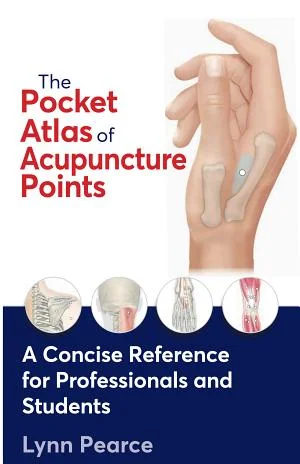
The Pocket Atlas of Acupuncture Points
Lynn Pearce’s *The Pocket Atlas of Acupuncture Points* offers a commendably direct approach to a subject often encumbered by dense theoretical frameworks. Its strength lies in its sheer utility; the concise descriptions of over 280 points, detailing location, action, and indications, make it an invaluable desk companion for students and busy practitioners alike. The 2025 publication date situates it as a contemporary resource, though it doesn't break new ground conceptually. One limitation is the inherent brevity; while excellent for quick lookups, it sacrifices the nuanced clinical pearls or historical anecdotes that might enrich deeper study. The section on point actions, for instance, while clear, could benefit from more explicit discussion of how different actions synergize or contraindicate each other in complex cases. Nevertheless, for its intended purpose—a portable, functional reference—Pearce's atlas performs admirably.
This pocket atlas is a functional tool for practitioners and students needing immediate point information.
📝 Description
81
Lynn Pearce's 2025 *Pocket Atlas of Acupuncture Points* details over 280 points.
Published in 2025, Lynn Pearce's *Pocket Atlas of Acupuncture Points* offers a practical, condensed reference for understanding more than 280 distinct acupuncture points. The volume details their therapeutic indications, anatomical locations, recommended needling techniques, and physiological actions. It bridges theoretical knowledge and clinical application for this ancient healing art.
This atlas is suitable for Traditional Chinese Medicine (TCM) practitioners, acupuncturists in training, and individuals seeking a portable guide to the body's energetic pathways. Its concise format is useful for quick reference during consultations or study. Those interested in complementary therapies for physical, emotional, or mental well-being will find it a valuable resource.
Acupuncture, a core component of TCM, has a history stretching back thousands of years, with early texts like the *Huangdi Neijing* dating back to the 3rd century BCE. The practice gained wider recognition in the West throughout the 20th century. Pearce's work builds upon this established foundation, providing a modern compendium for contemporary practitioners and students.
Acupuncture is a practice rooted in Traditional Chinese Medicine (TCM), a system that views the body as an energetic network. This network is comprised of Qi, or vital energy, flowing through pathways called meridians. Illness and discomfort are understood as manifestations of blockages or imbalances in Qi. Acupuncture points are specific sites along these meridians where practitioners can influence Qi flow to restore harmony and promote healing. This atlas focuses on the practical application of these concepts, detailing the precise locations and uses of these points.
💡 Why Read This Book?
• Learn to identify and understand the primary actions of over 280 specific acupuncture points, as detailed in Lynn Pearce's 2025 atlas, enabling more precise therapeutic interventions. • Gain practical knowledge of needling techniques and indications for each point, facilitating a deeper clinical application of TCM principles beyond theoretical texts. • Discover how acupuncture points are believed to stimulate the immune system and encourage bodily balance, offering a tangible connection to the energetic system described in the book.
⭐ Reader Reviews
Honest opinions from readers who have explored this book.
❓ Frequently Asked Questions
What is the primary focus of The Pocket Atlas of Acupuncture Points?
The book focuses on providing concise, practical information for over 280 acupuncture points, including their location, indications, needling methods, and therapeutic actions, making it a handy reference for TCM practitioners and students.
Who is Lynn Pearce, the author?
Lynn Pearce is the author of *The Pocket Atlas of Acupuncture Points*, first published in 2025. The book draws on established knowledge within Traditional Chinese Medicine.
How many acupuncture points are covered in this atlas?
The atlas provides information on more than 280 distinct acupuncture points, offering a comprehensive yet accessible overview for quick reference.
Can this book be used to treat emotional symptoms with acupuncture?
Yes, the book covers indications for points that address not only physical symptoms but also emotional and mental well-being, aligning with the holistic view of acupuncture's applications.
Is this book suitable for beginners in acupuncture?
Absolutely. Its concise format and clear explanations of point location, needling, and actions make it an excellent resource for students beginning their study of acupuncture.
What is the historical basis for the acupuncture points discussed?
The points and their applications are based on the principles of Traditional Chinese Medicine, a system with a history spanning thousands of years, rooted in concepts like Qi and meridians.
🔮 Key Themes & Symbolism
Meridian Pathways and Qi Flow
The book emphasizes the concept of Qi, the vital life force, and its circulation through specific channels known as meridians. Each acupuncture point is situated along these pathways. Understanding the flow of Qi is central to acupuncture theory, as imbalances or blockages in this flow are believed to lead to various physical and emotional ailments. The atlas provides functional details for points, allowing practitioners to directly influence this energetic system to restore harmony and promote healing.
Therapeutic Indications and Actions
A core theme is the direct correlation between specific acupuncture points and their therapeutic effects. The atlas meticulously details the primary actions attributed to each point, such as clearing heat, tonifying deficiency, moving blood, or calming the spirit. This functional approach allows practitioners to select points based on the diagnosed condition, whether it's pain relief, digestive issues, or anxiety, providing a practical framework for treatment.
Anatomical Precision and Needling Techniques
Precision in locating and stimulating acupuncture points is paramount. This atlas highlights the anatomical landmarks and specific locations for each point, ensuring accuracy in treatment. Furthermore, it offers guidance on appropriate needling techniques, including depth and angle, which are crucial for eliciting the desired therapeutic response while ensuring patient safety. This focus on practical application underscores the book's utility for clinical practice.
Holistic Treatment Approach
The book implicitly supports a holistic view of health, acknowledging that acupuncture can address physical, emotional, and mental symptoms. By detailing points that influence mood, cognition, and stress responses alongside those for physical ailments, it reflects the Traditional Chinese Medicine principle of treating the whole person. This integrated approach aims to restore overall balance rather than merely addressing isolated symptoms.
💬 Memorable Quotes
Direct passages from the work, attributed to the author.
“Acupuncture is used to treat physical symptoms as well as emotional or mental symptoms.”
— This statement captures the broad applicability of acupuncture, highlighting its capacity to address both somatic complaints and psychological distress within a single therapeutic modality.
“It is believed by many to stimulate the immune system and encourage the body to seek balance.”
— This suggests acupuncture's role in supporting the body's innate healing mechanisms and promoting homeostasis, aligning with modern understandings of psychosomatic connections and wellness.
“This concise guide provides information about indications, location, needling, and actions for more than 280 acupuncture points.”
— This factual statement outlines the book's core content and structure, emphasizing its utility as a practical reference for a significant number of commonly used points.
“The atlas details their therapeutic indications, precise anatomical locations, recommended needling techniques, and physiological actions.”
— This emphasizes the detailed, practical nature of the information provided, focusing on the 'how-to' and 'why' of using each specific point.
“It bridges the gap between theoretical knowledge and clinical application.”
— This highlights the book's function as a practical tool, translating complex TCM theory into actionable guidance for real-world therapeutic scenarios.
🌙 Esoteric Significance
Tradition
The work draws directly from the tradition of Traditional Chinese Medicine (TCM), which, while often presented as purely physiological, possesses deep esoteric underpinnings. TCM's concepts of Qi (vital energy), meridians (subtle energy channels), and the Five Elements are integral to its cosmological framework, linking the human body to universal forces. While Pearce's atlas focuses on the practical application, the underlying principles connect to broader esoteric philosophies concerning vitalism, energetic anatomy, and the interconnectedness of macrocosm and microcosm.
Symbolism
Within TCM, acupuncture points and meridians are not merely anatomical locations but symbolic gateways to manipulating the body's energetic field. Specific points carry symbolic weight related to their location (e.g., points on the head symbolizing consciousness, points on the limbs symbolizing connection to the external world) and their energetic actions (e.g., points that 'calm the spirit' symbolize inner peace). The very act of mapping these points onto the body can be seen as a symbolic representation of the human being as a microcosm reflecting the energetic order of the universe.
Modern Relevance
Pearce's atlas speaks to the continued relevance of TCM in contemporary holistic health practices. Modern thinkers and practitioners in fields like integrative medicine, energy healing, and even some branches of psychology draw upon TCM principles, including acupuncture, to understand and treat complex conditions. The book's focus on tangible points and actions makes these ancient energetic concepts accessible to a wide audience, fostering continued exploration and application in diverse wellness modalities.
👥 Who Should Read This Book
• Acupuncturists and TCM students: To gain a portable, quick-reference guide for point location, indications, and needling techniques essential for daily practice and study. • Holistic health practitioners: To supplement their existing modalities with knowledge of acupuncture points relevant for addressing physical, emotional, or mental imbalances. • Individuals interested in self-care: For those seeking a structured understanding of how specific points on the body are used therapeutically to promote well-being and balance.
📜 Historical Context
While *The Pocket Atlas of Acupuncture Points* itself is a 2025 publication, it engages with a medical system, Traditional Chinese Medicine (TCM), whose documented history stretches back over two millennia. Key texts like the *Huangdi Neijing*, compiled around the 3rd century BCE, laid the foundational theories of Qi, meridians, and acupuncture. The 20th century saw a significant increase in Western engagement with TCM, particularly after journalist James Reston's widely publicized account of acupuncture's effectiveness in pain management following his appendectomy in China in 1972. This period also saw the rise of scientific research into acupuncture's physiological effects, often debated against Western biomedical paradigms. Pearce's atlas operates within this context of established practice and ongoing scientific inquiry, providing a modern, accessible distillation of knowledge that has evolved significantly since its ancient origins.
📔 Journal Prompts
The energetic pathways and Qi flow as described in the atlas.
Specific therapeutic indications for points addressing emotional symptoms.
The importance of precise anatomical location for effective needling.
How the concept of stimulating the immune system relates to point actions.
Personal reflection on the balance between physical and mental well-being.
🗂️ Glossary
Acupuncture Points
Specific locations on the body, typically along meridians, that are stimulated (usually with needles) to influence the flow of Qi and treat various conditions.
Qi
The fundamental concept in TCM representing vital life force or energy that flows through the body, essential for maintaining health and function.
Meridians
Channels or pathways through which Qi circulates within the body, connecting acupuncture points and internal organs.
Indications
The specific symptoms, signs, or conditions for which a particular acupuncture point is traditionally used or recommended.
Needling
The technique of inserting fine needles into acupuncture points to stimulate them for therapeutic purposes.
Actions
The physiological or energetic effects attributed to stimulating a specific acupuncture point, such as clearing heat, tonifying Qi, or calming the spirit.
Balance
In TCM, the optimal state of health achieved when Qi flows harmoniously and opposing forces (like Yin and Yang) are in equilibrium.
This book appears in 1 collection
🔮 Readers Also Liked
Browse all →









From the “Acupuncture” Collection
View all →






More Free Occult Philosophy Books
View all →