The Phenomena of Materialisation
 78
78

The Phenomena of Materialisation
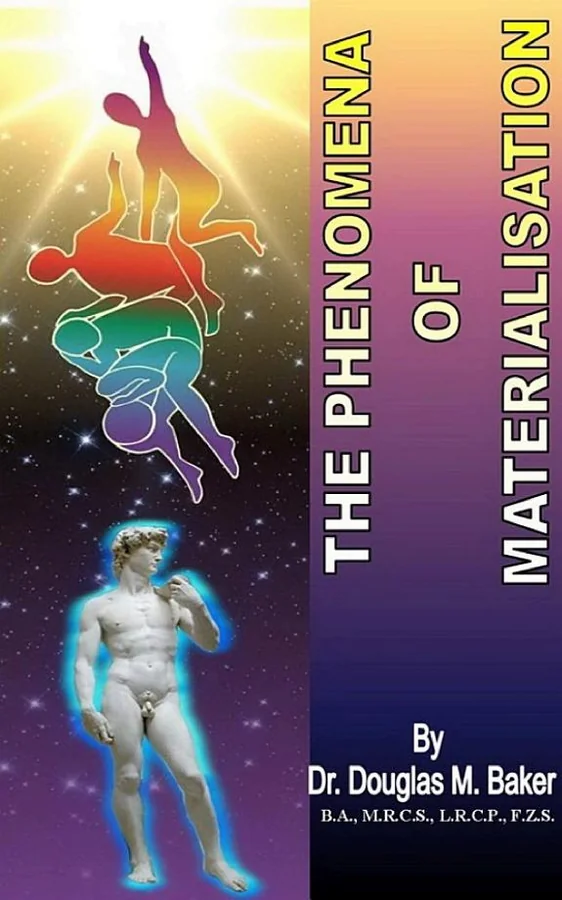
Dr. Douglas M. Baker’s The Phenomena of Materialisation tackles a notoriously challenging subject with commendable diligence. The inclusion of laboratory reports and photographic evidence lends a tangible weight to his investigations, moving beyond anecdotal accounts. Baker’s extensive treatment of fraud is particularly effective, demonstrating a critical awareness necessary for anyone engaging with claims of the paranormal. A notable strength is the detailed case studies that illuminate the complexities of witnessing and documenting such events. However, the book occasionally suffers from an overly cautious tone, which, while understandable given the subject matter, can sometimes dampen the sense of wonder. The passages detailing the conditions under which ectoplasm is allegedly produced are particularly compelling, offering a glimpse into the early 20th-century fascination with the physical aspects of spiritualism. This work serves as a valuable, albeit dry, compilation for those dedicated to the empirical study of mediumship.
📝 Description
78
Published in 2014, The Phenomena of Materialisation examines alleged paranormal physical manifestations.
Dr. Douglas M. Baker's book presents a detailed study of purported paranormal occurrences, specifically those involving physical manifestations. Baker, a researcher, documents his personal investigations and laboratory findings related to these events. The work seeks to clarify a phenomenon frequently met with skepticism and misunderstanding.
This book is for serious students of psychical research and parapsychology, particularly those interested in the connection between science and unexplained events. Readers who appreciate empirical evidence and thorough reporting, especially concerning mediums, spiritualism, and consciousness beyond the physical, will find it valuable. It also offers insights for skeptics examining the presented arguments and evidence.
The book focuses on 'materialisation,' the alleged production of physical substances or forms through psychic means. Baker discusses the conditions under which these phenomena are claimed to occur, the medium's role, and the possibility of genuine interaction with non-physical entities. He also emphasizes the rigorous detection and analysis of fraudulent practices, aiming to differentiate genuine manifestations from trickery.
Published in 2014, Baker's work engages with the ongoing study of materialization phenomena, a subject with roots in early 20th-century spiritualism and psychical research. Figures like Charles Richet pioneered such investigations, and Baker revisits these claims using contemporary methods. The book addresses the persistent concerns about fraud in mediumship that have been present since the Victorian era.
💡 Why Read This Book?
• Gain an understanding of Dr. Douglas M. Baker's specific methodology for investigating materialisation phenomena, as detailed in his laboratory reports, offering a unique approach to empirical psychical research. • Explore the historical context of materialisation studies, particularly Baker's engagement with the challenges and skepticism surrounding mediums and phenomena investigated around the early 20th century. • Learn about the critical distinctions Baker draws between genuine psychic manifestations and various forms of fraud, providing readers with tools to evaluate similar claims encountered elsewhere.
⭐ Reader Reviews
Honest opinions from readers who have explored this book.
❓ Frequently Asked Questions
What is the primary focus of Dr. Douglas M. Baker's 'The Phenomena of Materialisation'?
The book primarily focuses on the empirical investigation of alleged materialisation phenomena, detailing the author's personal experiences and laboratory research. It aims to provide evidence and analysis concerning physical manifestations claimed to occur through psychic means.
Does the book provide evidence for materialisation?
Yes, the book includes photographic evidence and laboratory reports from Dr. Baker's investigations. It presents findings intended to support the reality of materialisation phenomena, while also extensively addressing the issue of fraud.
Who was Dr. Douglas M. Baker?
Dr. Douglas M. Baker was a qualified researcher dedicated to investigating paranormal phenomena, particularly materialisation. His work sought to apply scientific rigor to subjects often relegated to anecdote or belief.
How does the book address potential fraud in materialisation claims?
The book dedicates significant attention to the extensive examination and detection of fraud. Dr. Baker outlines methods and considerations for distinguishing genuine phenomena from trickery, a crucial aspect of his research.
What historical period does 'The Phenomena of Materialisation' engage with?
While published in 2014, the book engages with historical research and concepts prevalent in the study of spiritualism and psychical research, particularly from the late 19th and early 20th centuries, periods rich with materialisation claims.
What kind of reader would most benefit from this book?
Serious students of parapsychology, psychical research, and those interested in the scientific investigation of the paranormal will find this book valuable. It appeals to readers who seek detailed documentation and critical analysis.
🔮 Key Themes & Symbolism
Empirical Investigation of Materialisation
This theme centres on Dr. Baker's methodical approach to studying physical manifestations purportedly produced by psychic energy. The book details laboratory setups, experimental conditions, and the systematic collection of data, including photographic evidence. It emphasizes the importance of rigorous observation and documentation in a field often dominated by subjective experience. Baker’s work aims to ground the study of materialisation in verifiable, repeatable (where possible) experimental procedures, moving beyond mere belief or testimonial evidence to establish a more concrete understanding of these elusive phenomena.
The Challenge of Fraudulent Mediumship
A significant portion of the book is dedicated to dissecting the pervasive issue of fraud within spiritualist and mediumistic practices. Baker meticulously outlines common methods used by fraudulent mediums to deceive audiences, drawing on historical cases and his own investigative experiences. This theme underscores the critical need for discernment and skepticism when evaluating claims of paranormal materialisation. By providing detailed analyses of deceptive techniques, the book equips readers with the knowledge to critically assess evidence and avoid being misled by imposters.
Witness Testimony and Subjectivity
The work explores the complex role of eyewitness accounts in the study of materialisation. Baker acknowledges the importance of personal testimony, especially when multiple witnesses corroborate events, but also highlights the inherent subjectivity and potential for misinterpretation. The book examines how perception can be influenced by expectation, psychological state, and environmental factors. This theme explores the challenges of obtaining objective data from subjective experiences, underscoring the need for corroborating physical evidence alongside human observation.
The Nature of Ectoplasm
A core concept explored is ectoplasm, the alleged semi-physical substance emitted by mediums during trance states, from which materialised forms are often believed to originate. The book discusses the physical properties attributed to ectoplasm, its appearance, and the scientific attempts to analyse it. Baker examines the historical accounts and laboratory findings related to ectoplasm, considering its role in the manifestation process and the controversies surrounding its authenticity and composition.
💬 Memorable Quotes
Direct passages from the work, attributed to the author.
“When extraordinary things are observed, each eye-witness account assumes importance.”
— This statement highlights the value Baker places on testimonial evidence, even in the face of potential subjectivity. It suggests that multiple, corroborating accounts can strengthen the case for a phenomenon, provided they are critically examined.
“The area of fraud is dealt with extensively.”
— This indicates Baker's serious engagement with the problem of deception in psychical research. It assures the reader that the book offers a critical perspective, not just a collection of purported phenomena, but an analysis of how they might be faked.
“Plenty of photos and laboratory reports are included to make this subject more understandable.”
— This emphasizes the book's commitment to providing concrete, empirical evidence. The inclusion of visual documentation and scientific data is presented as a key method for clarifying and substantiating the claims of materialisation.
“This book describes the work and personal experience of a distinguished, highly qualified researcher.”
— This highlights the author's credentials and personal involvement as central to the book's authority. It frames the content as a direct report from an experienced investigator, lending weight to the presented findings.
“The Phenomena of Materialisation: This book describes... this miss-understood phenomenon.”
— This captures the book's core mission: to clarify and explain materialisation phenomena, which the author views as poorly understood. It sets the stage for a detailed exposition aimed at providing clarity and insight.
🌙 Esoteric Significance
Tradition
While not explicitly aligned with a single esoteric lineage, The Phenomena of Materialisation engages with the practical, empirical wing of psychical research that flourished alongside movements like Theosophy and Spiritualism in the late 19th and early 20th centuries. It shares an interest in bridging the material and immaterial worlds, a hallmark of many esoteric traditions, but prioritizes verifiable, observable phenomena over purely philosophical or mystical doctrines. The work can be seen as a continuation of the Hermetic principle of "As above, so below," applied to the investigation of how subtle energies might manifest physically.
Symbolism
The primary symbol explored is the materialised form itself, often appearing as disembodied faces, hands, or figures, representing the perceived tangible presence of spirits or non-physical consciousness. Ectoplasm, the substance from which these forms are said to emerge, symbolizes the threshold between the invisible and visible realms – a viscous, mutable medium that bridges these dimensions. The photographs and laboratory reports serve as symbols of empirical verification, representing the scientific endeavor to capture and measure the unmeasurable.
Modern Relevance
Contemporary thinkers and practitioners in fields like consciousness studies, parapsychology, and even some fringe areas of quantum physics may find Baker's meticulous approach to empirical investigation relevant. His work provides a case study in the challenges of applying scientific methodology to subjective and anomalous phenomena, a recurring theme in discussions about the limits of current scientific paradigms. Researchers exploring the history of mediumship or the philosophical implications of consciousness surviving death continue to reference such detailed accounts.
👥 Who Should Read This Book
• Students of parapsychology seeking a detailed account of materialisation phenomena investigations, including photographic evidence and laboratory findings. • Researchers interested in the history of spiritualism and psychical research who want to understand the methods used to study mediums and potential manifestations. • Skeptics and critical thinkers looking for a thorough examination of the evidence for materialisation, including extensive discussions on how fraud can be perpetrated and detected.
📜 Historical Context
The Phenomena of Materialisation, first published in 2014, emerges in a contemporary landscape still processing the legacy of early 20th-century spiritualism and psychical research. Its focus on materialisation phenomena directly engages with a period when researchers like Sir William Crookes and Charles Richet were actively investigating mediums claiming to produce physical manifestations. Baker’s work revisits these claims, applying a modern critical lens informed by decades of subsequent research and skepticism. The book’s extensive discussion of fraud is particularly relevant, echoing the persistent concerns about trickery that plagued mediums such as the Fox sisters in the 19th century and continued to be a central issue throughout the mid-20th century. While not directly engaging with specific contemporaries in its blurb, the book implicitly stands in dialogue with the broader tradition of empirical psychical research, a field that saw figures like J.B. Rhine at Duke University later shift focus towards parapsychology and extrasensory perception, sometimes sidelining physical mediumship.
📔 Journal Prompts
The concept of ectoplasm and its purported role in materialisation.
Baker's methodology for distinguishing genuine phenomena from fraud.
The significance of photographic evidence in psychical research.
Personal reflections on the reliability of eyewitness accounts in paranormal investigations.
The challenges of applying scientific rigor to subjective experiences like séances.
🗂️ Glossary
Materialisation
The alleged production of physical substances, objects, or forms (such as faces or spirits) through psychic means, often claimed to occur during séances.
Ectoplasm
A supposed semi-physical substance, often described as vaporous or viscous, allegedly emitted by mediums during trance states, from which materialised forms are said to develop.
Medium
An individual believed to have the ability to communicate with the spirits of the dead or to act as a conduit for paranormal phenomena.
Séance
A meeting where people attempt to make contact with the spirit world, typically involving a medium and often focused on phenomena like materialisation or communication.
Psychical Research
The interdisciplinary field that investigates paranormal and psychic phenomena, including telepathy, clairvoyance, psychokinesis, and materialisation, often employing scientific methodologies.
Fraud
Intentional deception or misrepresentation, especially in the context of psychical research, referring to tricks or illusions used by mediums to simulate paranormal events.
Laboratory Reports
Detailed records of experiments conducted under controlled conditions, documenting observations, measurements, and findings related to paranormal phenomena.
This book appears in 1 collection
🔮 Readers Also Liked
Browse all →







From the “Ectoplasm” Collection
View all →







More Free Occult Philosophy Books
View all →