The path of healing

 75
75

The path of healing
Challoner's "The Path of Healing" offers a refreshing, albeit dense, dive into the spiritual underpinnings of well-being, a perspective often sidelined in contemporary discussions. Its strength lies in its consistent focus on the interior work required for genuine restoration, positing the spiritual self as the ultimate arbiter of health. The book's treatment of 'spiritual therapeutics' in Chapter 3, detailing how consciousness influences physical form, is particularly arresting. However, the prose can be somewhat archaic and demanding for modern readers unfamiliar with early 20th-century esoteric terminology. The absence of concrete, actionable exercises beyond general principles of meditation and faith might also leave some seeking practical application wanting. Still, for those patient enough to engage with its spiritual framework, Challoner provides a compelling argument for healing from the soul outward.
📝 Description
75
H. K. Challoner's 1936 book, "The Path of Healing," views health as an internal, spiritually guided process.
"The Path of Healing" was published in 1936 by H. K. Challoner. It presents a spiritual approach to well-being, suggesting that true health is achieved through an understanding of the interconnectedness of mind, spirit, and body, rather than solely through physical remedies. Challoner argues that healing is fundamentally an internal process, directed by spiritual principles and a conscious awareness of one's energetic state.
The book is for readers seeking an esoteric perspective on healing, particularly those who find conventional medical approaches insufficient and are drawn to metaphysical explanations for illness and recovery. It will also interest students of the history of esoteric thought, especially as it relates to health and consciousness.
Challoner's work discusses the 'divine spark' within each person as the wellspring of healing power. It examines how thoughts and emotions can influence physical conditions and proposes that spiritual discipline is key to aligning with higher healing energies. The book ultimately posits that external treatments are less important than internal spiritual transformation.
Published in 1936, "The Path of Healing" emerged during a time of widespread interest in spiritualism, Theosophy, and various alternative healing methods. Thinkers like Alice Bailey and Rudolf Steiner were articulating complex metaphysical systems. Challoner's book fits within this intellectual current, contributing a unique perspective on spiritual therapeutics that contrasted with the dominant materialistic medical views of the era.
💡 Why Read This Book?
• Gain insight into spiritual therapeutics, a concept explored through Challoner's discussion of the 'divine spark' as the inherent healing force within. This offers a metaphysical lens distinct from conventional medicine. • Understand the connection between mental states and physical manifestation, as detailed in Challoner's exploration of consciousness's role in health, a core tenet of esoteric thought since 1936. • Discover the practice of spiritual discipline as a method for accessing higher healing energies, a central theme that challenges purely material approaches to recovery.
⭐ Reader Reviews
Honest opinions from readers who have explored this book.
❓ Frequently Asked Questions
What is the core message of "The Path of Healing" by H. K. Challoner?
The book's central idea is that true healing originates from the spiritual self. It posits that aligning one's consciousness with divine principles and engaging in spiritual discipline is paramount for achieving holistic well-being, moving beyond purely physical remedies.
When was "The Path of Healing" first published?
H. K. Challoner's "The Path of Healing" was first published in 1936, placing it within the context of early 20th-century esoteric and spiritual literature.
What does Challoner mean by 'spiritual therapeutics'?
Challoner uses 'spiritual therapeutics' to describe methods of healing that focus on the spiritual and mental aspects of an individual. This involves cultivating a positive mental attitude, faith, and aligning with divine energies to influence physical health.
Is "The Path of Healing" suitable for beginners in esotericism?
While offering foundational concepts, the book's language and philosophical depth from 1936 might present a challenge for absolute beginners. It is best suited for those with some prior exposure to metaphysical or spiritual ideas.
How does this book relate to other esoteric traditions?
The work draws upon broader esoteric currents of its time, emphasizing concepts like the inner divine spark and the power of consciousness, which have parallels in Theosophy and New Thought movements prevalent in the early 20th century.
Does the book offer practical healing techniques?
While it emphasizes spiritual principles and the importance of inner work like meditation and faith, "The Path of Healing" focuses more on the philosophical framework of healing rather than providing step-by-step practical techniques.
🔮 Key Themes & Symbolism
The Divine Spark Within
Challoner identifies an inherent 'divine spark' within every individual, positing this as the true source of healing power. This concept suggests that well-being is not externally conferred but an intrinsic quality to be awakened. The work encourages readers to recognize and connect with this inner light, believing that its illumination naturally dispels illness. This theme aligns with mystical traditions that speak of the Godhead residing within the human soul, accessible through spiritual awareness and practice.
Consciousness and Manifestation
A core tenet explored is the profound influence of consciousness, thought, and emotion on physical health. The book asserts that negative mental states can contribute to disease, while positive, spiritualized thought patterns can foster healing. This perspective aligns with metaphysical principles seen in early 20th-century thought, suggesting that the physical body is a manifestation of inner states and that altering consciousness is key to altering physical reality.
Spiritual Discipline for Health
The text advocates for consistent spiritual discipline as a direct pathway to healing. This involves practices such as meditation, prayer, affirmations, and cultivating unwavering faith. Challoner frames these disciplines not merely as devotional acts but as essential energetic practices that attune the individual to higher vibrational frequencies conducive to health and wholeness. It's presented as an active engagement with spiritual laws for tangible results.
Holistic Restoration
"The Path of Healing" champions a holistic view of restoration, integrating the spiritual, mental, and physical dimensions of being. It moves beyond treating symptoms to addressing the root causes of imbalance, which are often seen as spiritual or energetic. The goal is not just the absence of disease but the presence of vibrant well-being, achieved through a comprehensive alignment of the entire self with divine principles.
💬 Memorable Quotes
Direct passages from the work, attributed to the author.
“True healing is an inner realization, not an outer imposition.”
— This statement captures the book's central thesis: that genuine restoration begins within the individual's consciousness and spiritual connection, rather than being solely dependent on external treatments or interventions.
“The body is a temple, reflecting the state of the spirit that inhabits it.”
— This highlights the interconnectedness of the spiritual and physical realms, suggesting that the health of the physical body is a direct indicator or consequence of the spiritual and mental condition of the individual.
“Faith acts as a conduit for divine healing energy.”
— This emphasizes the active role of belief and trust in the healing process, positioning faith as a crucial mechanism that allows spiritual healing forces to manifest in the physical world.
“Thought precedes form; therefore, purify your thoughts to shape a healthy reality.”
— This expresses the metaphysical principle that mental states and intentions are foundational to physical experiences, advocating for conscious cultivation of positive thoughts to manifest improved health.
“Alignment with spiritual laws is the ultimate form of preventative medicine.”
— This suggests that living in accordance with universal spiritual principles is the most effective way to maintain health and prevent illness, viewing spiritual harmony as the bedrock of physical well-being.
🌙 Esoteric Significance
Tradition
This work aligns with the broader Western Esoteric Tradition, particularly drawing from Hermeticism and Neoplatonism, which emphasize the divine nature within humanity and the power of consciousness. It shares thematic elements with Theosophical teachings popular in the early 20th century regarding spiritual evolution and the interconnectedness of all life. Challoner's approach departs from purely ritualistic or magical traditions by focusing intensely on the internal, psychological, and spiritual cultivation as the primary means of healing.
Symbolism
The 'divine spark' serves as a central symbol, representing the inherent, incorruptible spiritual essence within each person that is the ultimate source of healing and vitality. The concept of 'alignment' functions symbolically, signifying the process of bringing one's lower, material nature into harmony with higher spiritual principles and divine will, thereby facilitating the flow of healing energies.
Modern Relevance
Contemporary practices in energy healing, mind-body medicine, and spiritual wellness coaching echo Challoner's core tenets. Thinkers and practitioners in fields focusing on consciousness, psychosomatic illness, and the power of intention often draw upon similar philosophical underpinnings. The emphasis on inner work and self-empowerment within the book continues to be a foundational element for many seeking holistic health approaches today.
👥 Who Should Read This Book
• Students of esoteric philosophy seeking to understand historical perspectives on health and consciousness, particularly those interested in early 20th-century spiritual literature. • Individuals undergoing periods of illness or seeking alternative frameworks for well-being who are open to metaphysical explanations and spiritual practices. • Comparative religion scholars or historians of alternative healing movements interested in the intellectual currents of the 1930s and their impact on spiritual thought.
📜 Historical Context
Published in 1936, H. K. Challoner's "The Path of Healing" emerged during a vibrant period for esoteric thought, influenced by movements like Theosophy and spiritualism. This era saw considerable cross-pollination between spiritual philosophies and burgeoning psychological insights. Thinkers like Alice Bailey were publishing influential works on spiritual evolution, and the New Thought movement continued to promote the power of mind over matter. Challoner's work participates in this intellectual milieu, offering a distinctly spiritual perspective on health that contrasted sharply with the increasingly mechanistic and materialistic approaches dominating Western medicine. While not directly engaging with specific contemporaries in public discourse, its ideas resonated with a readership actively exploring alternative frameworks for understanding life and well-being, often found in circles influenced by figures like Helena Blavatsky.
📔 Journal Prompts
Reflect on the 'divine spark' as the inherent source of your vitality.
Consider how your dominant thoughts shape your physical state, as outlined by Challoner.
Explore the practice of spiritual discipline in your daily life for holistic restoration.
Analyze the concept of 'alignment' in relation to your personal well-being.
How does the idea of consciousness preceding physical form influence your view of healing?
🗂️ Glossary
Divine Spark
The intrinsic, eternal spiritual essence or core of divinity believed to reside within every individual, serving as the ultimate source of life, consciousness, and healing power.
Spiritual Therapeutics
A system of healing that emphasizes the application of spiritual principles, faith, and consciousness-altering practices to restore health, viewing illness as a disruption of spiritual harmony.
Consciousness
In this context, consciousness refers to the entirety of one's awareness, thoughts, emotions, and mental states, understood as a potent force capable of influencing and manifesting physical reality.
Alignment
The process of bringing one's personal will, thoughts, and actions into harmony with universal spiritual laws or the divine will, facilitating the flow of positive energy and healing.
Spiritual Discipline
Regular, dedicated practices such as meditation, prayer, or contemplation undertaken to cultivate spiritual awareness, strengthen one's connection to the divine, and foster inner peace and well-being.
Holistic Restoration
A comprehensive approach to healing that addresses the interconnectedness of the spiritual, mental, emotional, and physical aspects of an individual, aiming for overall balance and well-being.
Metaphysical
Pertaining to concepts or theories that extend beyond the physical or material world, often dealing with the fundamental nature of reality, existence, and consciousness.
🔮 Readers Also Liked
Browse all →





More by H. K. Challoner
All books →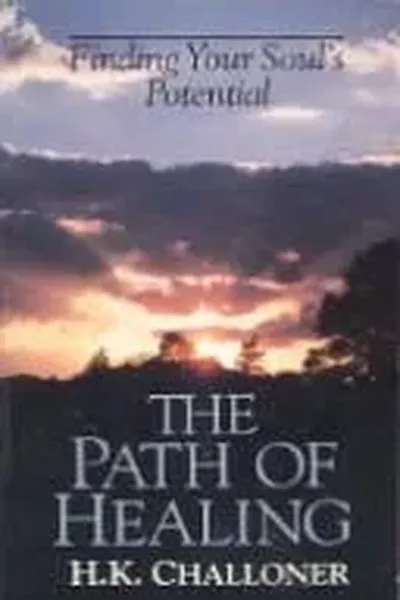
More Free Theosophy & Anthroposophy Books
View all →