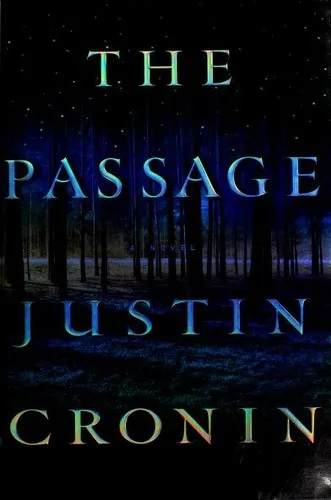
The Passage
 73
73

The Passage
Cronin’s *The Passage* presents a sprawling, ambitious narrative that, while undeniably engaging, occasionally buckles under its own weight. The initial premise—a viral contagion turning humanity into feral, super-powered beings—is potent, and the early chapters effectively build a sense of dread and impending doom. The author demonstrates a keen eye for character detail, particularly in the early ensemble cast before the world truly unravels. However, the narrative pacing falters in its middle sections, becoming somewhat diffuse as it attempts to track multiple timelines and character arcs across vast stretches of time. The strength lies in its visceral descriptions of the transformed and the desolate landscapes they inhabit. The limitation is a tendency towards an overabundance of plot threads that can dilute the immediate impact. A particularly striking element is the depiction of the 'virals' not as mere monsters, but as entities reflecting a warped humanity, a nuanced approach that elevates the work beyond standard genre fare. Ultimately, *The Passage* offers a grand, if sometimes unwieldy, exploration of survival and the enduring human spirit.
📝 Description
73
Justin Cronin's 2016 novel, The Passage, reimagines the post-apocalyptic thriller.
The Passage chronicles the disintegration of civilization after a viral outbreak fundamentally alters humanity. The narrative follows a diverse group of survivors as they navigate a world irrevocably changed by the cataclysm. Cronin's work is for readers drawn to speculative fiction that scrutinizes societal collapse and the human spirit tested by extreme circumstances.
It appeals to those who appreciate character-focused stories unfolding against immense, world shifting events. The novel does not shy away from bleak subject matter or the detailed construction of its new reality. Readers seeking narratives that question the essence of humanity when familiar structures vanish will find much to consider.
Published in 2016, The Passage arrived during a period when speculative fiction frequently revisited themes of societal collapse and viral contagion, drawing on a lineage from classic science fiction and horror. Its exploration of contagion extends beyond a biological event, examining it as a force that strips away social conventions to reveal fundamental human drives. The novel engages with concepts of transformation, the cyclical nature of destruction, and the enduring human capacity for hope, echoing archetypal narratives of apocalypse and renewal found across various mythologies and philosophical traditions.
💡 Why Read This Book?
• You will explore the psychological toll of societal collapse through the lens of the 'First Colony,' understanding how isolation reshapes human interaction, a core element of the narrative's 2016 release context. • You will gain insight into the symbolic representation of the 'virals' as not just antagonists but as distorted reflections of humanity, a concept explored throughout the book's depiction of the post-apocalyptic world. • You will feel the persistent, almost primal, drive for survival and connection, exemplified by characters like Amy, whose journey through centuries offers a unique perspective on endurance.
⭐ Reader Reviews
Honest opinions from readers who have explored this book.
❓ Frequently Asked Questions
What is the primary conflict in Justin Cronin's The Passage?
The primary conflict revolves around humanity's struggle for survival against 'virals'—humans transformed by a mysterious contagion—following a global apocalypse. The narrative spans centuries, detailing the efforts of a few survivors to rebuild or simply endure in a devastated world.
When was The Passage by Justin Cronin first published?
The Passage by Justin Cronin was first published in 2016, entering the literary scene during a period of significant interest in post-apocalyptic fiction.
Are there supernatural elements in The Passage?
While the 'virals' possess enhanced abilities, the narrative frames them as a product of a viral contagion rather than purely supernatural beings. Their transformation is presented as a biological, albeit extraordinary, event.
How does The Passage explore themes of hope?
Hope in The Passage is often depicted as a fragile, persistent force. It's found in the bonds between survivors, the protection of the innocent like Amy, and the slow, arduous process of rebuilding society, even in the face of overwhelming despair.
What is the significance of Amy in The Passage?
Amy is a central figure, seemingly immune to the full effects of the contagion and possessing unusual longevity and abilities. She represents a unique nexus of the old world and the new, embodying both the tragedy of the past and a potential for the future.
Does The Passage connect to other books by Justin Cronin?
Yes, The Passage is the first book in a trilogy, followed by 'The Twelve' (2012) and 'The City of Mirrors' (2016). The subsequent books continue the story and explore the consequences of the events initiated in the first novel.
🔮 Key Themes & Symbolism
The Nature of Contagion
The novel posits contagion as a transformative force, not just a biological threat but a catalyst for societal and individual metamorphosis. The 'virals' are depicted as more than mere monsters; they are remnants of humanity twisted by an external agent. This exploration, released in 2016, taps into anxieties surrounding widespread epidemics and the potential for radical societal shifts, questioning what defines humanity when the familiar structures of civilization dissolve and survival hinges on adaptation to the grotesque.
Endurance and Legacy
Spanning centuries, *The Passage* examines the human capacity for endurance across vast stretches of time. Characters like Amy persist through epochs, carrying the weight of memory and the responsibility of preserving what little remains of human knowledge and connection. The narrative questions what legacy can be built in a world defined by loss and the constant threat of annihilation, a theme particularly resonant in the context of a 2016 release looking towards an uncertain future.
Rebirth from Ruin
The book presents a cyclical view of destruction and potential rebirth. The fall of the old world is not an absolute end but a prelude to a drastically altered existence. The struggle to establish new communities, however fragile, suggests a persistent drive towards rebuilding and finding meaning amidst desolation. This theme of emerging anew from catastrophe is central to the narrative's arc, offering a glimmer of hope within its grim post-apocalyptic setting.
Humanity Under Pressure
Cronin interrogates the essence of humanity when stripped bare by extreme circumstances. The viral outbreak forces characters to confront their basest instincts and their highest virtues. The narrative explores how fear, desperation, and the loss of societal norms can both corrupt and reveal the core of an individual's character, making the post-apocalyptic setting a crucible for examining fundamental human nature.
💬 Memorable Quotes
Direct passages from the work, attributed to the author.
“The world was a broken thing, and he was a broken thing in it.”
— This reflects the pervasive sense of loss and fragmentation within the narrative. Characters and the environment itself are depicted as damaged, mirroring the collapse of civilization and the internal struggles of those who survive.
“We are the last.”
— A stark declaration of the dire state of humanity in the post-apocalyptic landscape. It emphasizes the isolation and dwindling numbers of survivors, underscoring the immense pressure and responsibility placed upon them.
“There was a silence that was not silence.”
— This paradoxical statement captures the eerie atmosphere of the world after the contagion. It suggests a pervasive, unnatural quiet that is nonetheless filled with unseen threats and the traces of what was lost.
“The past was a ghost, and the future was a phantom.”
— An expression of the characters' disorientation and loss of temporal grounding. With civilization shattered, the anchors of history and future possibility become elusive, leaving them adrift in a perpetual, unsettling present.
“They were not monsters. They were us.”
— This interpretation highlights the novel's nuanced portrayal of the 'virals.' It suggests they are not alien entities but corrupted versions of humanity, blurring the lines between victim and perpetrator and forcing a confrontation with the darker aspects of human potential.
🌙 Esoteric Significance
Tradition
While not explicitly tied to a single esoteric lineage, *The Passage* can be interpreted through a Gnostic lens, focusing on the fall of a flawed creation and the struggle for survival within a corrupted world. The 'virals' might be seen as manifestations of a fallen, material existence, from which a remnant of true humanity seeks salvation or transcendence. The narrative's emphasis on hidden knowledge and the endurance of a select few echoes Gnostic themes of inner illumination and escape from a degraded reality.
Symbolism
The contagion itself functions as a potent symbol of spiritual or existential sickness, corrupting the 'body politic' and individual souls. Amy, the ageless child, can be seen as an archetype of the enduring spirit or a nascent divine spark, preserved through cataclysm. The desolate, ruined landscapes symbolize the material world stripped of its perceived order and beauty, a 'wasteland' where the true nature of existence is laid bare.
Modern Relevance
Contemporary thinkers and practitioners engaged with themes of societal collapse, ecological disaster, and existential threats find resonance in *The Passage*. Its depiction of fragmented communities and the search for meaning in chaos speaks to current anxieties about global crises. The novel’s exploration of how humanity adapts (or fails to adapt) to radical change continues to inform discussions in speculative fiction circles and those interested in resilience and the future of civilization.
👥 Who Should Read This Book
• Readers of speculative fiction interested in the psychological and societal impacts of widespread catastrophe, particularly those who appreciate narratives that span considerable time periods. • Those who engage with existential themes and the exploration of human nature under extreme duress, seeking stories that question the core of identity when civilization collapses. • Fans of epic-scale narratives that blend elements of horror, science fiction, and character drama, looking for a detailed and immersive post-apocalyptic world.
📜 Historical Context
Justin Cronin's *The Passage*, published in 2016, arrived during a sustained wave of popular interest in post-apocalyptic fiction, a genre that had seen significant resurgence since the early 2000s. This trend was fueled by societal anxieties surrounding global instability, environmental concerns, and the pervasive influence of zombie culture in film and television. The novel entered a marketplace already populated by works like *The Road* (2006) by Cormac McCarthy, which had previously explored similar themes of societal collapse with stark realism. While Cronin’s work shares genre conventions with these contemporaries, its ambitious scope and prolonged timeline distinguish it. The reception in 2016 reflected a public appetite for epic narratives that could grapple with large-scale destruction while maintaining a focus on individual human resilience, positioning *The Passage* as a significant entry in the ongoing discourse of speculative fiction.
📔 Journal Prompts
The transformation of the 'virals' and its implications for defining humanity.
Amy's centuries-long existence and the preservation of memory.
The establishment of the First Colony amidst ruins.
The concept of hope as a survival mechanism.
The cyclical nature of destruction and rebuilding in the narrative.
🗂️ Glossary
Virals
The primary antagonists of the novel. Humans infected by a mysterious contagion that drastically alters their physiology, granting them increased strength, speed, and aggression while often leading to feral behavior and a loss of higher cognitive function.
The Passage
Refers both to the title of the book and, within the narrative, to the cataclysmic event that led to the collapse of civilization and the transformation of humanity.
First Colony
A fortified settlement established by a group of survivors in the aftermath of the viral outbreak, representing an attempt to rebuild society and protect humanity's future.
Amy
A central character, a young girl who survives the initial outbreak with unusual resilience and longevity. She becomes a key figure in the survivors' struggle for existence across centuries.
The Twelve
A group of exceptionally powerful and dangerous virals who play a significant role in the narrative's unfolding conflict and the ongoing struggle for survival.
The City of Mirrors
A metaphorical or literal location within the narrative that represents a culmination of the survivors' journey or a point of profound revelation regarding the nature of their existence.
The Big Sleep
A term used within the novel to describe the dormant state experienced by certain virals, suggesting a phase of suspended animation or waiting.
🔮 Readers Also Liked
Browse all →









More by Justin Cronin
All books →




More Free Occult Philosophy Books
View all →