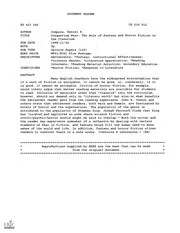
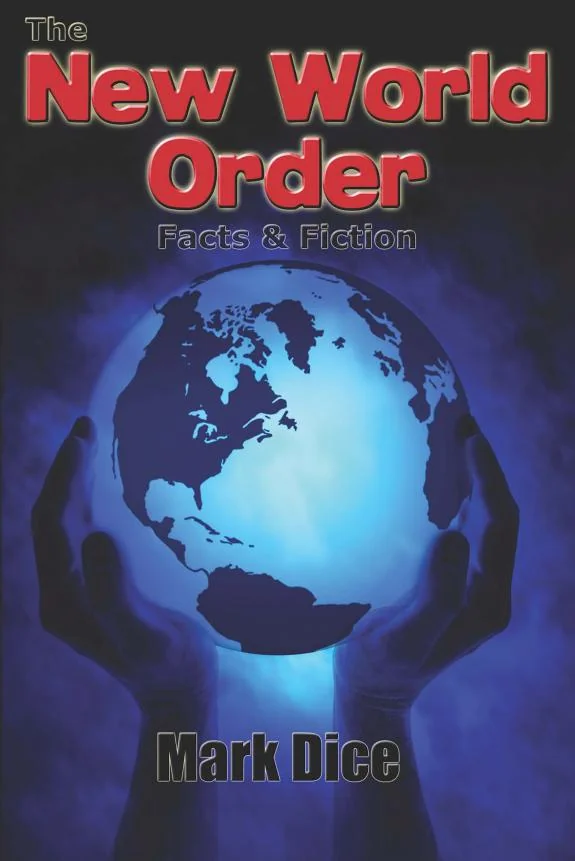
The New World Order
 76
76

The New World Order
Mark Dice’s "The New World Order" plunges headfirst into the murky waters of global power dynamics, presenting a starkly contrarian view of international cooperation. The book’s strength lies in its relentless cataloging of perceived threats to individual liberty and national sovereignty, drawing connections between disparate events and organizations. Dice offers a compelling, albeit alarming, perspective on how global governance might be manipulated. However, the work often suffers from an overreliance on assertion without definitive proof, making it feel more like a polemic than a balanced investigation. A particularly striking element is the detailed exploration of alleged symbols and rituals used by supposed secret societies, which, while intriguing, can verge on speculative. The limited engagement with counter-arguments or alternative interpretations is a notable limitation. Ultimately, "The New World Order" is a potent, if sometimes unsubstantiated, call to vigilance for those skeptical of unchecked globalist ambitions.
📝 Description
76
Mark Dice's 2010 book, The New World Order, critiques global cooperation as a covert power consolidation.
Published in 2010, The New World Order scrutinizes what is presented as global cooperation, arguing it is actually a hidden effort to consolidate power. The book details the alleged methods and individuals involved in this process, suggesting a deliberate movement toward a single, authoritarian world government. Dice examines how secret societies, international organizations, and corporate entities may be coordinating this transition.
This work is for readers interested in geopolitical analysis, conspiracy theories, and the history of power structures. It will appeal to those who question mainstream accounts of global development and look for alternative explanations for world events. Individuals concerned with civil liberties, national sovereignty, and the influence of hidden agendas in international affairs will find the material especially relevant. It functions as an introduction to critiques of globalism.
Mark Dice's analysis stems from a long history of skepticism toward centralized authority and globalist aims. The idea of a 'New World Order' has roots in critiques of international bodies like the League of Nations and the United Nations. The early 21st century, with its increasing globalization, provided a fertile environment for these kinds of analyses. The book connects with existing concerns about elite control, reflecting themes found in earlier writings about secretive groups influencing world affairs since the late 19th century.
💡 Why Read This Book?
• Understand the alleged mechanisms of global control discussed by Mark Dice, including the role of specific international bodies and the concept of a one-world government, as detailed in the book's analysis of power structures. • Explore the historical underpinnings of "New World Order" theories, tracing their evolution and connection to anxieties present since at least the late 19th century, providing context beyond the book's 2010 publication date. • Examine the critique of global cooperation presented in the book, learning to identify specific arguments and symbols Dice associates with covert agendas, fostering a more critical perspective on international relations.
⭐ Reader Reviews
Honest opinions from readers who have explored this book.
❓ Frequently Asked Questions
What is the central argument of Mark Dice's "The New World Order"?
The book argues that the "New World Order" is not a benevolent era of global cooperation but a covert plan by secret societies and global elites to establish an all-powerful, socialist world government that suppresses individual freedoms.
When was "The New World Order" by Mark Dice first published?
The book was first published on January 17, 2010, reflecting contemporary anxieties about globalization and international governance.
What kind of entities does "The New World Order" claim are involved in global control?
Dice alleges that secret societies, quasi-governmental entities, and powerful corporations are the primary actors covertly organizing a global socialist government.
What are the claimed negative consequences of the "New World Order"?
The book suggests that the establishment of a "New World Order" would lead to the regulation of every aspect of citizens' lives, rendering them perpetual workers and eroding individual liberties.
Is "The New World Order" considered a factual historical account or a speculative work?
While it draws on historical concepts and events, "The New World Order" is largely considered a speculative work presenting a critical, often conspiratorial, interpretation of global politics and power structures.
What is the author's perspective on global cooperation as presented in the book?
The author views global cooperation, as discussed in the book, with deep suspicion, seeing it as a potential vehicle for consolidating power and undermining national sovereignty rather than fostering genuine international harmony.
🔮 Key Themes & Symbolism
Global Governance Agenda
The work meticulously dissects the concept of a "New World Order," positing it as a deliberate, clandestine agenda rather than organic global progress. It details how international bodies and influential groups allegedly work in concert to dismantle national sovereignty and establish a centralized, authoritarian world government. The book examines the potential for this unified entity to exert pervasive control over individual lives, transforming citizens into a compliant, working populace, a theme resonant with historical critiques of unchecked power.
Secret Societies and Influence
A significant focus is placed on the alleged role of secret societies and quasi-governmental entities in orchestrating global events. Dice explores how these hidden organizations, through their influence on finance, politics, and media, purportedly manipulate public perception and steer the course of history. The book looks at the symbolism and alleged rituals associated with these groups, suggesting a deeper, esoteric layer to their operations and their contribution to the overarching "New World Order" agenda.
Erosion of Individual Liberty
The book critically examines the potential consequences of a consolidated global government on individual freedoms. It argues that such a system, by its very nature, would lead to extensive regulation and surveillance, effectively stripping citizens of their autonomy. The narrative paints a picture of a future where personal choices are dictated by an all-powerful entity, a stark contrast to ideals of liberty and self-determination, highlighting a core concern for proponents of individual sovereignty.
Historical Precedents
Dice situates the "New World Order" within a broader historical context, referencing past movements and ideas that have purportedly contributed to the ongoing push for global control. The work touches upon the evolution of international organizations and geopolitical shifts since at least the late 19th century, framing the contemporary discussion within a longer continuum of power struggles and ideological battles for global dominance.
💬 Memorable Quotes
Direct passages from the work, attributed to the author.
“What is the New World Order? Proponents say that it's an anticipated new era of global cooperation between diverse nations and cultures aimed at ushering in a utopia providing all the earth's citizens with everything they need.”
— This highlights the idealistic facade often presented for globalist agendas, contrasting it with the more sinister interpretation the book intends to explore.
“Detractors claim it's the systematic take-over by secret societies, quasi-government entities and corporations who are covertly organizing a global socialist all-powerful government which aims to regulate every aspect of citizens lives, rendering them a perpetual working-”
— This captures the core thesis of the book, outlining the alleged conspiratorial nature of the "New World Order" and its perceived goal of pervasive control over the populace.
“Dice suggests that specific symbols are used by influential groups to signify their agenda.”
— This interpretation points to the book's focus on symbolism as a means of communication and identification for alleged clandestine organizations working towards a global agenda.
💡 Key Ideas
Editorial paraphrase of the work's core concepts — not direct quotes.
The work explores how global cooperation might be a guise for centralized control.
This paraphrased concept emphasizes the book's central argument that seemingly positive international efforts could mask a hidden agenda for power consolidation.
The book questions the ultimate beneficiaries of increased global integration.
This paraphrased concept reflects the book's critical stance, urging readers to consider who truly profits from and directs the trend towards a unified world system.
🌙 Esoteric Significance
Tradition
While not strictly adhering to a single esoteric lineage, "The New World Order" draws heavily from traditions concerned with hidden knowledge and societal manipulation, particularly those influenced by anti-Masonic and anti-Illuminati literature. It echoes Gnostic themes of a deceptive demiurge or a false reality imposed by powerful, hidden forces. The book's focus on secret symbols and rituals also aligns with Hermetic and Kabbalistic traditions that explore hidden meanings within worldly structures, though Dice applies these concepts to a critique of modern political and economic systems.
Symbolism
Dice frequently highlights symbols he believes are used by clandestine groups to signify their presence and agenda. Key among these are often variations of the Eye of Providence (the all-seeing eye), pyramids, and specific geometric patterns. In esoteric traditions, the Eye of Providence can represent divine oversight or knowledge, while pyramids symbolize structure, ascension, and hidden power. Dice interprets these not as symbols of enlightenment or order, but as markers of a covert power structure aiming for global domination, recontextualizing their traditional meanings.
Modern Relevance
The work remains relevant to contemporary "red-pilled" communities and independent researchers critical of global institutions. Thinkers and content creators in the alternative news and conspiracy theory spheres frequently cite Dice's analysis when discussing globalism, the World Economic Forum, and figures like Klaus Schwab. His framing of a coordinated elite agenda continues to inform discussions among groups focused on national sovereignty, individual liberty, and skepticism towards mainstream narratives about international cooperation and technological control.
👥 Who Should Read This Book
• Individuals interested in conspiracy theories and alternative geopolitical analyses, seeking to understand arguments against global governance and the concept of a "New World Order." • Readers curious about the alleged influence of secret societies and hidden agendas in world affairs, who want to explore Dice's specific claims and the historical context he presents. • Skeptics of mainstream international relations and globalist movements, looking for a critical perspective that questions the motives behind global cooperation initiatives and the formation of powerful international bodies.
📜 Historical Context
Published in 2010, Mark Dice's "The New World Order" tapped into a long-standing undercurrent of skepticism towards global governance that gained traction throughout the 20th century. This period saw the rise of international bodies like the United Nations, which, while aiming for peace and cooperation, also became targets for those fearing a loss of national sovereignty. Dice's work echoes concerns voiced by earlier thinkers and movements critical of "one-world government" ideas, tracing back to anxieties surrounding Freemasonry and Illuminati conspiracies from centuries past. While not directly engaging with academic discourse at the time, the book resonated with a segment of the public already immersed in alternative media and conspiracy literature, a landscape populated by figures like David Icke, who explored similar themes of hidden control. The book's reception was primarily within these circles, rather than mainstream academic or journalistic review, reflecting its niche appeal as a critique of globalism.
📔 Journal Prompts
The alleged "systematic take-over" by secret societies: identify potential historical parallels.
Critique of "global cooperation": examine the dual nature of international agreements.
Symbols of power: analyze how visual motifs can convey hidden messages.
The "perpetual working-" outcome: reflect on autonomy versus societal contribution.
The concept of a "one-world government": consider its historical and philosophical implications.
🗂️ Glossary
New World Order
A term used to describe a purported secret, conspiratorial project by global elites to establish an authoritarian, one-world government that suppresses individual freedoms and national sovereignty.
Secret Societies
Organizations, often with clandestine rituals and membership, that are alleged by theorists to exert covert influence over political, economic, and social events on a global scale.
Quasi-Governmental Entities
Organizations that function similarly to government bodies but are not officially recognized as such, often implying they operate with significant, albeit unofficial, power and influence.
Global Socialism
In the context of this book, refers to a feared outcome of the "New World Order" where a centralized world government imposes collectivist policies and extensive state control over all aspects of life.
Sovereignty
The supreme authority within a territory; in this context, the book expresses concern over the erosion of national sovereignty by international bodies and a potential world government.
All-Powerful Government
A hypothetical government possessing absolute power, capable of regulating every facet of its citizens' lives without opposition or limitation.
Regulate Every Aspect
To control or direct by rule or law all facets of life, from personal choices to economic activities, as a characteristic of an oppressive regime.
This book appears in 1 collection
🔮 Readers Also Liked
Browse all →








From the “Secret Societies” Collection
View all →



More Free Occult Philosophy Books
View all →