Changeling
 80
80

Changeling
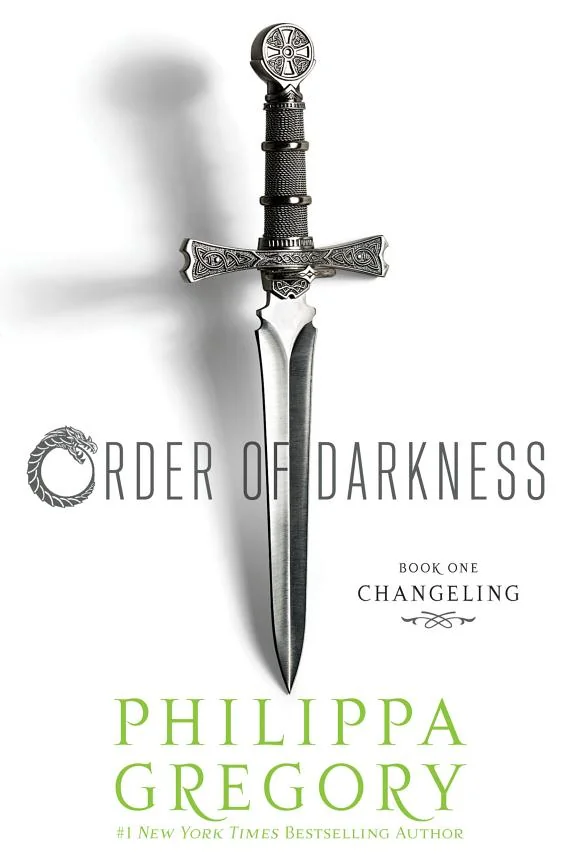
Philippa Gregory's "Changeling" attempts to infuse familiar fae lore with the rich, character-driven narrative style her adult readers have come to expect. The novel's strength lies in its atmospheric depiction of the fae world, which feels both ancient and immediate. The central premise of a changeling struggling with identity is compelling, particularly in the early chapters. However, the pacing occasionally falters, especially as the plot navigates romance subplots that sometimes overshadow the darker, more intriguing elements of the fae conflict. A notable passage involves the protagonist's first true encounter with the raw magic of the fae court, which vividly illustrates the book's potential. While the book offers an engaging entry into the YA fantasy space, it doesn't quite reach the depths of the folklore it draws upon. "Changeling" is a competent, if somewhat conventional, entry into the fae fantasy genre.
📝 Description
80
Philippa Gregory's 2013 novel, Changeling, examines the hidden lives of fae among humans.
Changeling, published in 2013, is Philippa Gregory's young adult novel that explores the intersection of magic and the ordinary world. It focuses on supernatural beings living alongside humans and the narrative often addresses themes of identity, belonging, and the consequences that arise from moving between different realms. Gregory, known for her historical fiction, applies her research skills and storytelling talent to this fantastical setting.
This book is for readers who appreciate supernatural fiction grounded in myth and legend. It will interest those drawn to fae lore, particularly stories that examine the older, darker aspects of these creatures. Fans of Gregory's previous historical works will discover a familiar yet new voice as she enters the young adult and fantasy genres. The novel offers adventure, romance, and mystery within a magical context, likely to engage readers looking for such elements.
The novel taps into the ancient European folklore of changelings, where fae creatures or spirits are believed to replace human children. This tradition, found in tales across Ireland and other parts of the continent, concerns the uncanny nature of these substitutions and the disruption they cause to human families. Gregory's work revisits these centuries old narratives, adding a modern perspective to the established mythology surrounding these otherworldly beings and their interactions with the human world.
💡 Why Read This Book?
• You will gain insight into the ancient folklore of changelings, understanding how these myths, prevalent in European traditions as early as the 19th century, explore themes of identity and belonging. • You will experience Gregory's signature narrative style applied to a magical realm, learning how she adapts her approach to YA fiction to create an immersive fae society. • You will explore the concept of the fae as beings with complex social structures and motivations, distinct from simplistic portrayals, as depicted in the novel's depiction of the fae court.
⭐ Reader Reviews
Honest opinions from readers who have explored this book.
❓ Frequently Asked Questions
What is the core premise of Philippa Gregory's "Changeling"?
The novel centers on the ancient folklore of changelings, exploring the story of fae beings who inhabit the human world and the complications arising from their hidden existence and the folklore surrounding them.
Is "Changeling" part of a series?
Yes, "Changeling" is the first book in the "Fae" series by Philippa Gregory, published in 2013, and it introduces readers to the world and characters within this magical universe.
What kind of magic is featured in "Changeling"?
The book features magic rooted in folklore, particularly concerning the fae. This includes shapeshifting, illusion, and the inherent magical abilities tied to the fae realm, as explored within the narrative.
Who are the main characters in "Changeling"?
The primary characters include a young protagonist who discovers her fae heritage and navigates the dangerous politics of the fae world, alongside other fae beings and humans who become entangled in her destiny.
Does "Changeling" have romantic elements?
Yes, the novel incorporates romance as a significant element, exploring relationships between characters from both the human and fae worlds, adding another layer to the central conflict.
What is the historical inspiration for the changeling myth?
The changeling myth has deep roots in European folklore, appearing in tales across cultures for centuries, often reflecting anxieties about infant mortality, illness, or societal changes.
🔮 Key Themes & Symbolism
The Fae Otherworld
The novel presents a detailed vision of the fae realm, a place of ancient power, intricate social hierarchies, and potent magic that exists parallel to the human world. Gregory uses this setting to explore themes of exile and belonging, as characters often find themselves caught between two realities. The fae society is depicted with its own laws, customs, and dangers, drawing on traditional folklore but infusing it with a contemporary narrative sensibility. This duality allows for examinations of cultural differences and the challenges of integration or separation.
Identity and Belonging
Central to "Changeling" is the struggle for identity, particularly for characters who are not entirely what they seem. The changeling motif itself—a creature of one kind left in place of another—highlights anxieties about authenticity and one's true home. The narrative looks at how individuals define themselves when their origins are shrouded in mystery or when they must conceal their true nature. This theme is explored through the protagonist's journey as she grapples with her dual heritage and seeks a place where she truly belongs.
Myth and Folklore Adaptation
Philippa Gregory draws heavily on established European folklore, particularly tales of the fae and changelings, which have circulated for centuries. The book's significance lies in its modern adaptation of these ancient myths for a young adult audience. It revisits classic motifs, such as the exchange of human infants for fae substitutes, and reinterprets them within a narrative framework that includes romance, political intrigue, and adventure. This approach revitalizes traditional stories for a new generation of readers.
Medieval Influences and Magic
While the novel is set in a contemporary-feeling world with a hidden fae society, it often evokes a medieval sensibility in its depiction of courtly life, ancient rivalries, and the raw, untamed nature of magic. The fae world operates under older laws and traditions, sometimes reminiscent of medieval kingdoms. The magic system is tied to nature, lineage, and ancient pacts rather than structured spellcasting, aligning with older conceptions of supernatural power. This blend of historical atmosphere and fantastical elements creates a unique reading experience.
💬 Memorable Quotes
Direct passages from the work, attributed to the author.
“The world is not as it seems, and those who live in the shadows hold the truest power.”
— This interpretation suggests the book's focus on hidden realities and the often-overlooked influence of supernatural beings. It implies that true strength and agency may lie with those who operate outside conventional societal structures.
“The old tales are not just stories; they are elements of truths that still shape our lives.”
— This reflects the book's premise that ancient folklore, like the changeling myths, holds enduring relevance. It suggests that these narratives are not mere fantasies but contain wisdom or warnings applicable to the present day.
“Magic is not a force to be commanded, but a current to be understood and respected.”
— This interpretation emphasizes a more organic and less utilitarian view of magic, aligning with folkloric traditions. It suggests that power comes from harmony with supernatural forces, not domination over them.
“Family is not always defined by blood, but by the bonds forged in shared experience and loyalty.”
— This concept underscores the novel's exploration of found family and unconventional relationships. It posits that true kinship arises from mutual understanding and commitment, transcending biological ties.
💡 Key Ideas
Editorial paraphrase of the work's core concepts — not direct quotes.
To be between worlds is to be a stranger everywhere, yet belong to the possibility of both.
This paraphrased concept speaks to the core theme of identity crisis experienced by characters with dual heritage. It highlights the isolation but also the unique perspective gained from straddling different domains of existence.
🌙 Esoteric Significance
Tradition
The work draws implicitly from the broad category of Western Esotericism, specifically the sub-traditions that engage with elemental spirits, fae, and nature spirits, often found within Neo-Pagan and occult circles. While not adhering strictly to a single lineage like Hermeticism or Gnosticism, "Changeling" appeals to the Theosophical interest in non-human intelligences and hidden worlds. It departs from more structured esoteric systems by focusing on narrative and folklore, presenting the fae as ancient, powerful beings whose existence challenges conventional reality.
Symbolism
The central symbol is the **changeling** itself, representing displacement, the uncanny, and the disruption of natural order. It embodies anxieties about identity and belonging. Another key motif is the **veil between worlds**, symbolizing the permeable boundary between the mundane and the magical, suggesting that hidden realities are accessible through specific means or to specific individuals. The **forest or wild places** often serve as liminal spaces where the fae realm intrudes upon the human, symbolizing untamed nature and ancient, primal magic.
Modern Relevance
Contemporary practitioners of modern Paganism, witchcraft, and animism may find resonance in Gregory's portrayal of the fae as potent, independent entities connected to the natural world. The book's exploration of the blurred lines between human and non-human consciousness aligns with contemporary discussions in ecopsychology and interspecies communication. Thinkers interested in the psychological and symbolic power of folklore, as well as authors exploring themes of nature spirituality and the 'hidden' aspects of reality, can find inspiration in its narrative.
👥 Who Should Read This Book
• Readers interested in folklore and mythology: Those fascinated by the history and evolution of myths, particularly the changeling legends prevalent in European traditions for centuries, will find a narrative exploration of these themes. • Young adult fantasy enthusiasts: Readers who enjoy contemporary fantasy novels featuring magic, adventure, and romance, with a particular affinity for stories involving fae and hidden worlds, will be drawn to Gregory's engaging prose. • Fans of Philippa Gregory: Readers familiar with Gregory's meticulous research and storytelling in historical fiction will appreciate her adaptation of these skills to a magical setting, exploring new narrative territories.
📜 Historical Context
Published in 2013, Philippa Gregory's "Changeling" entered a vibrant young adult fantasy market where fae and folklore-inspired narratives were gaining significant traction. This period saw a resurgence of interest in mythological creatures, influenced by popular series and a broader cultural fascination with the supernatural. The book taps into a rich vein of European folklore, particularly the ancient and widespread myth of the changeling, which has roots in oral traditions dating back centuries, appearing in various forms across Ireland, Scotland, and continental Europe. Gregory's work engages with this tradition, offering a modern interpretation that contrasts with the more clinical, folkloric analyses found in the works of scholars like Katharine Briggs, whose extensive collections of British folklore were foundational. Unlike purely academic studies, Gregory's novel frames these myths within a compelling narrative, making them accessible and engaging for a contemporary audience. The reception of such works in 2013 often focused on their imaginative scope and their ability to blend familiar tropes with fresh storytelling.
📔 Journal Prompts
The pacts and boundaries between the fae and human worlds, as depicted in the novel.
The protagonist's evolving understanding of her dual identity.
Reflections on the nature of "home" when one feels caught between different realities.
The symbolism of the natural world as a gateway to the fae realm.
The consequences of secrecy and hidden truths within family structures.
🗂️ Glossary
Changeling
In folklore, a fairy child left in place of a stolen human child. The term encompasses beings of supernatural origin who inhabit the human world, often implying deception or a hidden agenda.
Fae
A general term for supernatural beings from folklore, often associated with nature, magic, and a parallel realm. This can include elves, fairies, and other mythical entities described in the book.
Glamour
A type of illusion or enchantment used by the fae to alter perceptions, making themselves or their surroundings appear different to humans. It's a tool for disguise and manipulation.
Liminal Space
A threshold or transitional place, often associated with magic and spiritual significance. In the novel, such spaces can act as gateways between the human and fae realms.
Otherworld
A parallel dimension or realm inhabited by supernatural beings, such as the fae. It exists alongside the human world but is typically hidden or inaccessible.
Seelie Court
In some traditions of fae lore, a faction of benevolent or 'good' fairies, though their definition of good can be alien to humans. The novel may draw on this concept for its fae society structure.
Unseelie Court
Conversely, this faction represents the malevolent or 'evil' fairies. The dynamic between Seelie and Unseelie courts often drives conflict in fae narratives.
This book appears in 1 collection
🔮 Readers Also Liked
Browse all →








From the “Secret Societies” Collection
View all →




More Free Occult Philosophy Books
View all →