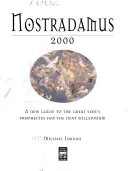
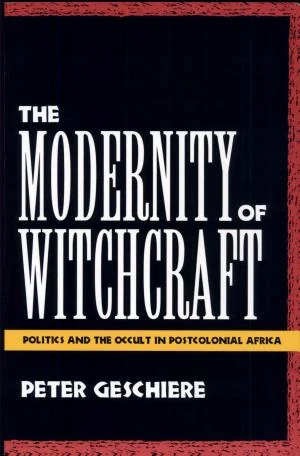
The Modernity of Witchcraft
 73
73

The Modernity of Witchcraft
Geschiere's "The Modernity of Witchcraft" offers a compelling counter-narrative to the simplistic Western view of African traditions fading under the weight of progress. His primary argument—that witchcraft is not a vestige of the past but a vibrant, adaptive response to modernity—is powerfully articulated through his deep engagement with the Maka people. The book excels in demonstrating how contemporary social and economic anxieties are articulated through the idiom of witchcraft. A particular strength lies in his detailed ethnographic accounts, which prevent the analysis from becoming overly abstract. However, the dense anthropological prose, while precise, might pose a barrier for readers less familiar with the field. The section discussing the historical reception of witchcraft accusations in Cameroon, particularly regarding their use in land disputes, is a concrete example of the book's analytical rigor. Ultimately, Geschiere provides a vital corrective to Eurocentric understandings of cultural persistence.
📝 Description
73
Peter Geschiere's 1997 book argues that modernization does not eliminate African witchcraft but reshapes it.
Published in 1997, Peter Geschiere's "The Modernity of Witchcraft" challenges the idea that modernization inevitably leads to the decline of traditional African witchcraft. Instead, Geschiere shows how witchcraft practices are not static relics but active forces that evolve and persist in response to modern social, economic, and political pressures. His analysis is built upon thorough ethnographic research, especially among the Maka people in Cameroon.
The book is relevant for anthropologists, sociologists, and scholars of African studies who want a deeper understanding of belief systems in societies undergoing change. It will also interest those concerned with the sociology of religion, the endurance of indigenous knowledge, and how phenomena like witchcraft can be analyzed through structured, rational frameworks. Readers who question straightforward narratives of Western progress will find substantial material within its pages.
This work examines witchcraft not as an isolated belief system, but as a dynamic social and symbolic phenomenon deeply intertwined with the fabric of modern African life. It situates itself within anthropological discourse that moved beyond dismissing such practices as mere superstition, instead seeking to understand their functional and symbolic roles in negotiating power, identity, and social relations. Geschiere's research demonstrates how these beliefs continue to adapt and manifest in response to contemporary anxieties, economic disparities, and political shifts, reflecting a living tradition rather than a fading one.
💡 Why Read This Book?
• Understand witchcraft not as a primitive holdover, but as a dynamic response to modern pressures, as exemplified by Geschiere's research among the Maka people in Cameroon. • Gain insight into how contemporary economic and social anxieties are channeled through witchcraft beliefs, offering a new lens for interpreting social phenomena. • Re-evaluate the impact of modernization, learning how it can intensify, rather than extinguish, certain traditional belief systems, a concept Geschiere explores through post-colonial African contexts.
⭐ Reader Reviews
Honest opinions from readers who have explored this book.
❓ Frequently Asked Questions
What is Peter Geschiere's central argument in "The Modernity of Witchcraft"?
Geschiere argues that contemporary African witchcraft practices are not remnants of the past but are actively shaped by and responsive to modern exigencies, such as economic changes and social pressures, particularly in regions like Cameroon.
When was "The Modernity of Witchcraft" first published and where did Geschiere conduct his research?
The book was first published in 1997. Geschiere's primary ethnographic research for this work was conducted among the Maka people in eastern and southern Cameroon.
How does modernization affect witchcraft beliefs according to Geschiere?
Contrary to the belief that modernization eradicates such traditions, Geschiere posits that it often intensifies witchcraft beliefs, providing a framework for understanding and navigating new social and economic challenges.
What is the significance of witchcraft accusations in the context Geschiere studies?
Witchcraft accusations become a means to articulate social tensions, negotiate power dynamics, and respond to anxieties arising from modern societal changes, serving as a form of social commentary and control.
Who would benefit most from reading "The Modernity of Witchcraft"?
Anthropologists, scholars of African studies, sociology of religion students, and anyone interested in how traditional beliefs adapt and persist in the face of globalization and modernity will find this book invaluable.
Does Geschiere view witchcraft as literal or symbolic?
Geschiere focuses on the social and symbolic functions of witchcraft beliefs and practices. He analyzes how they operate within a community's understanding of the world and its challenges, rather than debating their literal existence.
🔮 Key Themes & Symbolism
Witchcraft as Modern Response
Geschiere fundamentally reframes witchcraft not as an anachronism but as a vital, contemporary force. He argues that the persistence and even intensification of witchcraft beliefs and practices in places like Cameroon are direct responses to the exigencies of modernity. This includes navigating new economic disparities, political realignments, and the erosion of traditional social structures. The book details how accusations and rituals serve as mechanisms for addressing anxieties and re-establishing social order in rapidly changing environments.
Modernization and Cultural Adaptation
The work challenges the linear progression model of modernity, where tradition is expected to yield to Western rationalism. Instead, Geschiere demonstrates a complex interplay where modernization can provoke, rather than suppress, certain traditional forms. He examines how concepts of witchcraft become reinterpreted and employed to make sense of and exert agency within the new socio-economic landscapes created by colonial and post-colonial transformations.
Social Tensions and Witchcraft
Geschiere meticulously illustrates how witchcraft accusations function as a potent social idiom for expressing and managing conflict. In societies undergoing significant change, anxieties related to wealth, status, and power are often projected onto individuals accused of witchcraft. This theme highlights the book's exploration of how belief systems provide frameworks for understanding misfortune and social discord, particularly when traditional mechanisms of dispute resolution are strained or insufficient.
Ethnographic Realism
Central to the book's argument is Geschiere's deep ethnographic engagement, particularly with the Maka people. He grounds abstract theoretical discussions in concrete observations of daily life, ritual practices, and community interactions. This approach allows him to present a nuanced picture of how beliefs about witchcraft are lived, debated, and utilized by individuals and groups seeking to understand and shape their social realities.
💬 Memorable Quotes
Direct passages from the work, attributed to the author.
“The disappearance of witchcraft, as of so many other traditions, might seem to be the inevitable price of progress.”
— This foundational statement introduces the common Western assumption that modernization leads to the demise of traditional beliefs like witchcraft, setting up Geschiere's counter-argument.
“The Maka experience shows that modernity can stimulate, rather than stifle, certain forms of belief.”
— This interpretation highlights Geschiere's finding that the pressures and changes brought by modernization can lead to an *increase* in the prominence and practice of witchcraft.
“The study of witchcraft reveals the complex ways in which people make sense of their changing world.”
— This interpretation emphasizes the book's broader contribution: understanding witchcraft offers a window into human attempts to interpret and navigate societal transformations.
💡 Key Ideas
Editorial paraphrase of the work's core concepts — not direct quotes.
Witchcraft is not so much a relic of the past as a response to the present.
This paraphrased concept captures Geschiere's core thesis: witchcraft remains relevant and active because it provides frameworks for understanding and addressing contemporary challenges.
Accusations of witchcraft often serve to manage social tensions and economic inequalities.
This paraphrased concept points to the functional role of witchcraft beliefs in contemporary societies, serving as a tool for social commentary and dispute resolution.
🌙 Esoteric Significance
Tradition
While not strictly within a Western esoteric lineage like Hermeticism or Theosophy, "The Modernity of Witchcraft" intersects with esoteric studies by deconstructing the very notion of 'superstition' and 'rationality'. It aligns with Gnostic or Hermetic inquiries into hidden knowledge and power structures, suggesting that seemingly irrational beliefs often possess a sophisticated internal logic and serve crucial societal functions. The work encourages a re-evaluation of what constitutes 'knowledge' and 'reality' beyond empirical Western frameworks.
Symbolism
The book primarily focuses on the social and functional aspects of witchcraft rather than specific esoteric symbols. However, the concept of 'witchcraft' itself functions as a potent symbol. It represents the hidden forces, anxieties, and power dynamics that operate beneath the surface of social relations. Accusations of witchcraft, therefore, symbolize the community's attempt to identify and purge perceived malevolent influences or social disruptors, acting as a symbolic mechanism for maintaining order.
Modern Relevance
Contemporary thinkers in critical theory and post-colonial studies, such as those examining the continued impact of colonial legacies and the complexities of globalized belief systems, draw upon Geschiere's foundational work. His insights into how marginalized communities articulate dissent and navigate power through non-Western frameworks remain highly relevant for understanding contemporary social movements and the resurgence of indigenous spiritualities worldwide.
👥 Who Should Read This Book
• Anthropologists and Sociologists: To gain a nuanced understanding of belief systems, social change, and power dynamics in post-colonial African societies. • Students of Religion and Culture: For a critical perspective on how 'modernity' interacts with and transforms traditional spiritual practices. • Researchers of Social Justice: To explore how witchcraft accusations can function as a mechanism for addressing social inequalities and community conflicts.
📜 Historical Context
Published in 1997, "The Modernity of Witchcraft" emerged during a critical juncture in post-colonial African studies. The era saw a growing anthropological interest in the agency of local populations and a move away from viewing African societies solely through the lens of Western developmental models. Geschiere’s work engaged with debates surrounding globalization and the persistence of indigenous knowledge systems, challenging the teleological view of modernity that assumed traditional beliefs would inevitably vanish. While scholars like Jean Comaroff were exploring the cultural impact of capitalism and modernity in Southern Africa, Geschiere focused on the specific, adaptive nature of witchcraft. His research provided a crucial counterpoint to earlier anthropological accounts that often pathologized or dismissed such practices, offering a more nuanced understanding of their social and symbolic significance in the late 20th century.
📔 Journal Prompts
The Maka people's experience with modernity and witchcraft, as detailed by Geschiere.
Witchcraft as a response to contemporary economic disparities.
The role of witchcraft accusations in managing social tensions.
Reinterpreting the concept of 'progress' in relation to traditional beliefs.
The adaptive capacity of belief systems in the face of global change.
🗂️ Glossary
Modernity
In Geschiere's context, refers to the complex set of social, economic, and political changes associated with Western influence, industrialization, and globalization, particularly in post-colonial Africa.
Exigencies
Urgent needs, demands, or requirements arising from a particular situation; in this book, referring to the pressures and challenges created by modern societal transformations.
Ethnographic Research
The systematic study of people and cultures through immersive fieldwork, involving observation, interviews, and participation in the daily lives of the community being studied.
Witchcraft Accusations
The act of identifying or blaming individuals within a community for causing harm or misfortune through supernatural means, often reflecting underlying social tensions.
Maka People
An ethnic group residing primarily in Cameroon, among whom Peter Geschiere conducted significant portions of his ethnographic research for this book.
Social Idiom
A form of expression or communication specific to a particular social group or context; here, witchcraft beliefs function as a way to articulate and address social issues.
Linear Progression Model
A theoretical framework that views societal development as moving in a single, predictable direction, often from 'traditional' to 'modern' or 'rational' states.
This book appears in 1 collection
🔮 Readers Also Liked
Browse all →








From the “Witchcraft” Collection
View all →



More Free Occult Philosophy Books
View all →