The mediator
 73
73

The mediator
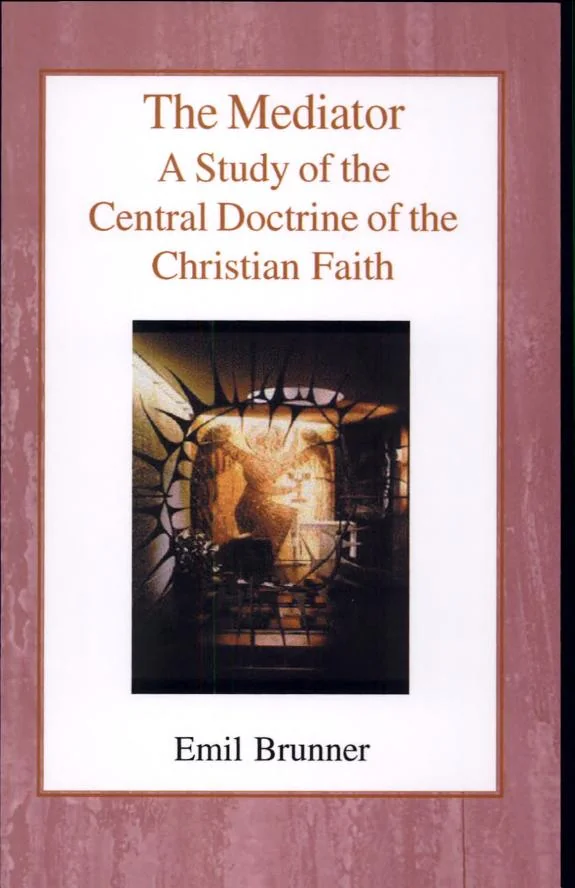
Emil Brunner’s The Mediator offers a dense, yet rewarding, theological exploration. Its strength lies in its systematic dismantling of how divine truth is conveyed, particularly through the figure of Christ. Brunner’s engagement with existentialist underpinnings of faith feels particularly sharp, especially when he dissects the human need for an objective mediator. However, the prose can be arid, demanding considerable concentration. A passage that stands out is his examination of the 'I-Thou' relationship as a model for divine-human encounter, although at times the sheer weight of systematic argument can obscure the vibrant spiritual core. The book’s limitation is its accessibility; it requires a dedicated reader steeped in theological discourse. It is a formidable but necessary text for understanding 20th-century theological shifts.
📝 Description
73
Emil Brunner's 2002 work, The Mediator, argues for a specific view of divine revelation and Christ's person.
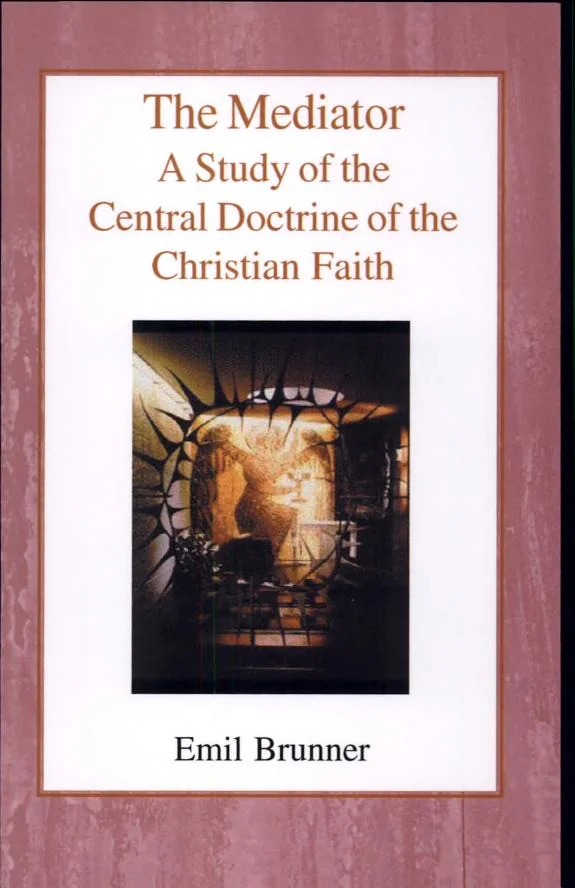
The Mediator, published in 2002, presents Emil Brunner's theological arguments about revelation and Jesus Christ. The book engages with existentialist ideas and the religious uncertainty after World War I. Brunner examines how God reveals himself, focusing on divine action and human reception.
This volume is intended for academic theologians, advanced students in religious studies, and philosophers. A solid grasp of Christian doctrine and contemporary theological discussions is necessary for readers. It does not offer simple spiritual advice but requires engagement with detailed analysis of theological principles. Those interested in Brunner's contributions to Neo-Orthodoxy will find particular value here.
Brunner's work emerged after Karl Barth's theological shifts and during a period of European intellectual change. The mid-20th century saw significant re-examinations of religious language and authority. Brunner, while influenced by Barth, developed his own path, stressing the 'analogia entis' against Barth's 'analogia fidei'. This era was marked by intense debate within Protestant theology.
While not strictly esoteric in the occult sense, The Mediator engages with deep theological questions that touch upon the nature of ultimate reality and divine encounter. Brunner's work is situated within the Neo-Orthodox tradition, a movement that sought to recapture the seriousness of Reformation theology while responding to modern philosophical challenges. This tradition often grappled with how divine truth is apprehended, a theme common in many esoteric schools that explore gnosis or direct spiritual knowledge. The book's focus on mediation and the encounter with the divine word can resonate with traditions seeking transformative understanding.
💡 Why Read This Book?
• Gain a nuanced understanding of Emil Brunner's specific contribution to Neo-Orthodoxy, particularly his concept of 'analogia entis' as distinct from Karl Barth's framework, offering a unique lens on divine revelation. • Explore Brunner’s rigorous analysis of the 'Word of God,' understanding it not just as text but as a dynamic divine encounter, a concept crucial for contemporary theological reflection. • Grasp the theological implications of the mediation of Christ as presented by Brunner, providing a profound perspective on salvation history and the nature of faith in a post-war European context.
⭐ Reader Reviews
Honest opinions from readers who have explored this book.
❓ Frequently Asked Questions
What is Emil Brunner's core argument in The Mediator?
Brunner's central argument in The Mediator concerns the nature of divine revelation, asserting that God reveals Himself through a mediator, primarily Jesus Christ, and that this revelation is understood through faith.
When was The Mediator first published?
The Mediator by Emil Brunner was first published in 2002, though its roots lie in earlier 20th-century theological discussions.
How does The Mediator relate to Neo-Orthodoxy?
The Mediator is a key text within Neo-Orthodoxy, a theological movement that sought to reassert the centrality of God's sovereignty and revelation in response to liberal theology. Brunner's work offers a distinct perspective within this movement.
What is the 'analogia entis' as discussed by Brunner?
The 'analogia entis,' or analogy of being, is a concept Brunner uses to suggest that there are points of connection between God and creation, allowing for a degree of human understanding of divine truth, a point of divergence from some contemporaries.
Is The Mediator suitable for beginners in theology?
No, The Mediator is a complex theological work best suited for advanced students or those with a strong background in Christian doctrine and modern theological discourse. It requires careful study.
What historical events influenced Brunner's writing of this book?
Brunner wrote during a period shaped by the aftermath of World War I and the rise of existentialism, which prompted a re-examination of faith, revelation, and human existence within theology.
🔮 Key Themes & Symbolism
The Nature of Revelation
The work meticulously examines how God makes Himself known to humanity. Brunner posits that revelation is not a static body of information but a dynamic divine act, a personal encounter. He differentiates between general revelation, observable in creation and conscience, and special revelation, which finds its ultimate expression in Jesus Christ. This distinction is crucial for understanding the book's theological architecture, emphasizing that authentic knowledge of God requires His initiative.
Christ as the Mediator
Central to Brunner's argument is the unique role of Jesus Christ as the divine mediator. The book elaborates on how Christ bridges the gap between the divine and human realms, making God accessible without compromising divine transcendence or human responsibility. This mediation is understood not merely as a historical event but as an ongoing reality for believers, enabling genuine relationship with God.
Faith and Understanding
Brunner explores the intricate relationship between faith and human reason in apprehending divine truth. He argues that while reason plays a role, faith is the primary organ through which the revelation of God in Christ is received and understood. The book addresses the existential dimension of faith, highlighting its necessity in a world grappling with meaning and purpose, particularly in the post-war intellectual climate.
Theology and Existentialism
The Mediator engages with the philosophical currents of existentialism prevalent in the mid-20th century. Brunner seeks to formulate a theology that speaks to the human condition, acknowledging anxieties and the search for authenticity. However, he consistently anchors his discourse in the objective reality of God's revelation, seeking to provide a stable foundation against the subjective uncertainties often emphasized by existentialist thinkers.
💬 Memorable Quotes
Direct passages from the work, attributed to the author.
“God must reveal Himself; He cannot be found by man's own efforts.”
— This statement captures Brunner's emphasis on divine initiative in revelation. It suggests that human attempts to discover God apart from God's self-disclosure are inherently futile, highlighting the necessity of God's active engagement with creation.
“Faith is the answer of the human heart to the Word of God.”
— This concept highlights Brunner's view of faith not as blind assent, but as a responsive act of the whole person to God's self-communication. It emphasizes the personal and relational aspect of theological engagement.
“Revelation is not doctrine, but the personal address of God.”
— This interpretation stresses that for Brunner, true revelation is a living encounter with God, not merely adherence to a set of theological propositions. It points to the dynamic and personal nature of God's self-disclosure.
“The 'analogia entis' allows us to speak of God.”
— This refers to Brunner's concept that inherent similarities between God and creation (the analogy of being) provide a basis for human language and conceptualization about the divine, a key element in his theological method.
💡 Key Ideas
Editorial paraphrase of the work's core concepts — not direct quotes.
The Mediator is the point where God and man meet.
This paraphrase underscores the central role of Jesus Christ as the bridge between the divine and human. It signifies that genuine relationship and understanding of God are only possible through this divine intermediary.
🌙 Esoteric Significance
Tradition
While primarily a work of Protestant theology, The Mediator engages with themes that touch upon esoteric thought through its focus on mediation and divine encounter. Its exploration of how God makes Himself known and the role of a central figure (Christ) as the bridge between the divine and human can be seen as aligning with Gnostic and Hermetic concepts of divine intermediaries and the path to gnosis (knowledge). However, Brunner remains firmly within orthodox Christian doctrine, reinterpreting these ideas through a modern theological lens.
Symbolism
The central symbol is Christ as the 'Mediator,' representing the divine bridge connecting the transcendent God with immanent humanity. This figure embodies the Logos, the divine reason and word, a concept with parallels in Hermeticism and Neoplatonism. The book also implicitly engages with the symbolism of 'light' and 'word' as manifestations of divine truth, understood not as esoteric codes but as divine address apprehended through faith.
Modern Relevance
Brunner's rigorous examination of revelation and mediation continues to inform contemporary theological discussions, particularly within Protestantism and ecumenical dialogues. His approach to existential concerns within a theological framework is still relevant for thinkers grappling with faith in a secularized world. Moreover, his articulation of the divine-human encounter offers insights for spiritual traditions seeking to understand authentic connection beyond mere ritual or intellectual assent.
👥 Who Should Read This Book
• Advanced theology students and scholars: To understand Emil Brunner's important role in Neo-Orthodoxy and his specific theological arguments regarding revelation and mediation. • Philosophers of religion: For an in-depth analysis of how theological concepts intersect with existentialist thought and the nature of religious knowledge. • Comparative religion researchers: To explore the Christian doctrine of mediation and its unique articulation within a 20th-century intellectual context.
📜 Historical Context
Emil Brunner's The Mediator emerged within the vibrant, often contentious, theological range of the early to mid-20th century. This era, profoundly shaped by the traumas of World War I and the rise of existentialist philosophy, demanded a re-evaluation of traditional Christian doctrines. Brunner’s work was a significant contribution to the Neo-Orthodox movement, which sought to reclaim the authority and centrality of God’s revelation in contrast to the perceived failures of liberal theology. He engaged in a notable theological debate with his contemporary, Karl Barth, particularly concerning the 'analogia entis' (analogy of being), which Brunner defended as a basis for understanding God's relationship to creation, while Barth insisted on the 'analogia fidei' (analogy of faith). Brunner's emphasis on the personal encounter with God through Christ resonated with a generation seeking spiritual grounding amidst widespread social and intellectual upheaval. The book grappled with the perceived crisis of meaning and the human condition, offering a theological framework that acknowledged these concerns while upholding divine sovereignty.
📔 Journal Prompts
The concept of divine mediation as presented by Brunner.
Reflect on the distinction between general and special revelation in your own spiritual experience.
Brunner's view on faith as a response to God's address.
Analyze the role of Christ as the central 'I' in the divine-human encounter.
Consider the implications of 'God must reveal Himself' for your understanding of religious seeking.
🗂️ Glossary
Neo-Orthodoxy
A theological movement in the 20th century that sought to reassert the authority of the Bible and the sovereignty of God, reacting against liberal theology's emphasis on human reason and immanentism.
Revelation
The act by which God discloses Himself and His will to humanity. Brunner distinguishes between general (in creation) and special (in Christ) revelation.
Mediator
In theology, one who stands between God and humanity, facilitating communication and reconciliation. Brunner identifies Jesus Christ as the supreme Mediator.
Analogia Entis
Latin for 'analogy of being.' Brunner's concept suggesting a basis for understanding God in creation, contrasting with Barth's stricter 'analogia fidei'.
Existentialism
A philosophical movement emphasizing individual existence, freedom, and choice. Brunner engaged with its themes of human condition and search for meaning.
Word of God
For Brunner, not just scripture, but God's active, personal address and self-disclosure, supremely embodied in Jesus Christ.
Faith
Brunner defines faith as the human response to God's revelation, an act of trust and personal engagement with the divine 'Word'.
🔮 Readers Also Liked
Browse all →









More by Emil Brunner
All books →

More Free Occult Philosophy Books
View all →