Yoga Through Kundalini Awakening
 78
78

Yoga Through Kundalini Awakening
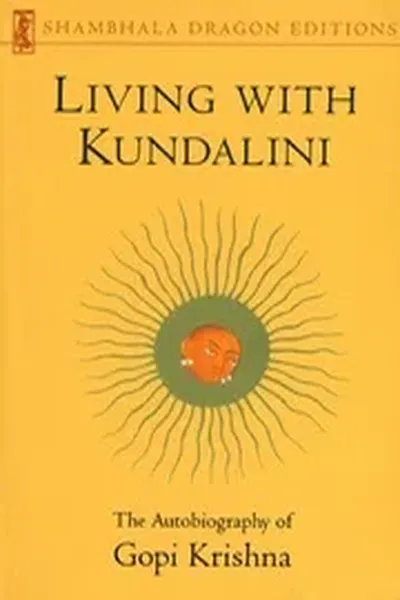
Yoga Through Kundalini Awakening offers a focused examination of a potent spiritual energy. The strength of this volume lies in its direct presentation of techniques attributed to Yogi Rajan, as compiled by Shakta Sekhar Khalsa. The emphasis on simple, rhythmic breathing and specific movements makes the complex idea of Kundalini feel approachable. However, the narrative occasionally feels more like a manual than a philosophical exploration, sometimes lacking the deeper contextualization one might expect from a critical analysis of esoteric traditions. A notable section details the precise sequence of breath retention and release during specific postures, which is both its most practical and potentially its most esoteric offering. While it provides a functional guide, it leaves the reader yearning for more on the philosophical implications of Kundalini's rise beyond creative potential. It serves as a competent primer for dedicated practice.
📝 Description
78
Yoga Online's 2023 book details a systematic approach to Kundalini awakening.
Yoga Through Kundalini Awakening presents a structured method for activating latent creative energies within. It centers on specific yogic techniques designed to guide the ascent of Kundalini, a key concept in several Indian spiritual traditions. The book details practices involving rhythmic breathing and controlled body movements, intended to awaken and direct this potent internal force.
This work is for practitioners who want to understand Kundalini yoga more deeply than basic postures allow. It will interest those focused on the energetic and subtle body aspects of yoga, and individuals seeking methods for personal change and creative revitalization. Some prior knowledge of yogic principles is beneficial for readers.
The text references Yogi Rajan's introduction of Kundalini concepts to the West around 1969, a time of considerable cultural exchange in spiritual thought. Shakta Sekhar Khalsa is noted for organizing Yogi Rajan's teachings into the present methodology, simplifying these advanced practices.
This book engages with the Tantric and Shakta traditions of India, which view Kundalini as a primordial cosmic energy residing within the individual. Its awakening is central to achieving higher states of consciousness and spiritual realization. The text specifically codifies practices derived from Yogi Rajan's lineage, a modern transmission of these ancient teachings that gained traction in the West during the mid-20th century.
💡 Why Read This Book?
• Gain practical techniques for Kundalini awakening through specific rhythmic breathing exercises, as detailed by Shakta Sekhar Khalsa's compilation of Yogi Rajan's methods. • Understand the historical introduction of Kundalini concepts to the West, tracing back to Yogi Rajan's work around 1969. • Explore the concept of Kundalini as a source of latent creative potential, and learn specific yoga practices designed to foster its awakening.
⭐ Reader Reviews
Honest opinions from readers who have explored this book.
❓ Frequently Asked Questions
What is Kundalini and how is it awakened according to this book?
Kundalini is described as a dormant creative potential residing within each individual. The book outlines specific yoga practices, primarily involving rhythmic breathing techniques and particular body movements, designed to stimulate and awaken this energy.
Who was Yogi Rajan and what is his connection to this book?
Yogi Rajan is identified as a key figure who introduced Kundalini concepts to the Western world around 1969. This book's methodology is presented as a tabulation of his teachings by Shakta Sekhar Khalsa.
What kind of yoga practices are emphasized in Yoga Through Kundalini Awakening?
The book emphasizes practices that require minimal physical exertion, focusing instead on rhythmic breathing techniques (pranayama) and specific, controlled body movements (asanas) to foster Kundalini awakening.
When was Yoga Through Kundalini Awakening first published?
The book was first published on July 23, 2013, though it draws upon teachings introduced much earlier, notably by Yogi Rajan around 1969.
Is this book suitable for complete beginners to yoga?
While it simplifies complex practices, some familiarity with yogic principles is beneficial. It is best suited for those looking to explore the energetic aspects of yoga beyond basic physical postures.
What does the book mean by the 'resurgence of creative potential'?
It suggests that awakening Kundalini unlocks inherent creative capacities within an individual. The practices detailed are intended to tap into and amplify this latent power for personal and creative expression.
🔮 Key Themes & Symbolism
The Nature of Kundalini
This work posits Kundalini not merely as a force, but as the very seat of dormant creative potential within every human being. It moves beyond abstract notions to present it as an accessible, albeit powerful, internal energy. The book details how this potent force, often visualized as coiled at the base of the spine, can be awakened through disciplined practice, leading to significant personal and spiritual development. The emphasis is on understanding Kundalini as a foundational aspect of consciousness waiting to be activated for profound inner transformation.
Pranayama and Movement Synergy
Central to the book's methodology is the precise integration of rhythmic breathing techniques (pranayama) with specific bodily movements. This synergy is presented as the key mechanism for stimulating Kundalini. Unlike purely physical yoga, the focus here is on the energetic currents generated by breath control and subtle postures. The book guides the practitioner through sequences designed to harmonize breath and body, creating the internal conditions necessary for the Kundalini energy to rise.
Historical Transmission of Teachings
The book anchors its practices within a historical lineage, referencing Yogi Rajan's central role in introducing Kundalini yoga to the West around 1969. Shakta Sekhar Khalsa's contribution is highlighted for codifying these teachings into a structured methodology. This historical grounding adds weight to the practices, presenting them not as novel inventions but as distilled wisdom passed down through generations, adapted for contemporary understanding and application.
Unlocking Latent Potential
The primary outcome promised by engaging with Kundalini awakening practices is the resurgence of latent creative potential. The book suggests that this awakening is not solely a spiritual event but also unlocks capacities for innovation, insight, and enhanced personal expression. By working with the subtle energies described, practitioners are encouraged to tap into reservoirs of creativity previously unrecognized or inaccessible, leading to a more vibrant and fulfilling existence.
💬 Memorable Quotes
Direct passages from the work, attributed to the author.
“The rise of Kundalini implies the resurgence of creative potential, secretly lying on every individual.”
— This foundational statement frames Kundalini not as an external acquisition but as the activation of an innate, hidden capacity. It suggests that the practices detailed are about uncovering what is already present, rather than developing something entirely new.
“There are specific Yoga practices to foster this awakening process.”
— This highlights the book's practical, instructional nature. It asserts that Kundalini awakening is not a matter of chance or mystical accident, but achievable through dedicated engagement with prescribed yogic methods.
“Yogi Rajan introduced it before the western world.”
— This places the book within a specific historical context of esoteric knowledge transfer. It credits Yogi Rajan with bridging Eastern spiritual concepts with Western audiences, marking a significant moment in the global spread of yogic philosophy.
“Shakta Sekhar Khalsa did a great job by tabulating those valuable teaching methodology in this book.”
— This acknowledges the author's role in organizing and presenting complex teachings. It implies that Khalsa's work provides a structured and accessible format for understanding and applying Yogi Rajan's original insights.
“This Yoga requires the practitioner only to execute few rhythmic breathing techniques accompanied by certain body movements.”
— This simplifies the perceived complexity of Kundalini yoga. It emphasizes that the core practices involve accessible techniques – breath control and basic movements – making the path to awakening seem more attainable for the practitioner.
🌙 Esoteric Significance
Tradition
This work sits within the broader spectrum of Tantric and yogic traditions originating from India, specifically focusing on the concept of Kundalini Shakti. It aligns with Shakta traditions that venerate the Divine Feminine and the energy associated with it. While many esoteric lineages explore subtle energies, this book provides a practical, accessible method for Western practitioners, emphasizing direct experience through prescribed techniques rather than extensive philosophical study or ritualistic practices.
Symbolism
The central symbol is Kundalini itself, often depicted as a coiled serpent at the base of the spine, representing dormant spiritual energy. The book's emphasis on rhythmic breathing (prana) symbolizes the vital life force that, when consciously manipulated, can awaken Kundalini. Specific body movements, while not always overtly symbolic, function as energetic catalysts, directing and channeling this awakened force upwards through the subtle energy centers (chakras), which are implicitly part of this energetic map.
Modern Relevance
Contemporary wellness and self-help movements often draw upon concepts of unlocking inner potential and managing energy. While not always explicitly referencing Kundalini, practices involving breathwork, mindfulness, and subtle energy cultivation echo the principles presented. Thinkers and practitioners in fields like somatic psychology and integral yoga continue to explore and adapt these ancient energetic techniques for modern psychological and spiritual well-being.
👥 Who Should Read This Book
• Aspiring Kundalini practitioners seeking a structured introduction to the core techniques based on Yogi Rajan's teachings. • Individuals interested in exploring the energetic and subtle body aspects of yoga beyond physical postures. • Students of comparative spirituality looking to understand specific methods for awakening latent creative potential through yogic science.
📜 Historical Context
Published in 2013, Yoga Through Kundalini Awakening emerges in an era saturated with diverse spiritual and wellness offerings, a stark contrast to the 1960s and 70s. The work harks back to the foundational period of Kundalini's introduction to the West, specifically citing Yogi Rajan's efforts around 1969. This era was marked by intense interest in Eastern philosophies, often filtered through counter-cultural movements and New Age spirituality. While figures like Yogi Bhajan were also popularizing Kundalini yoga during this period, the specific methodology presented here is attributed to Rajan and codified by Shakta Sekhar Khalsa. The book's focus on rhythmic breathing and specific movements can be seen as a more direct, less elaborate approach compared to some of the broader philosophical or devotional aspects emphasized by other Kundalini lineages that gained traction concurrently.
📔 Journal Prompts
The concept of Kundalini as latent creative potential.
Specific rhythmic breathing techniques mentioned.
Yogi Rajan's role in Western introduction of Kundalini.
The synergy between breath and body movements.
Shakta Sekhar Khalsa's tabulation of teachings.
🗂️ Glossary
Kundalini
A primordial spiritual energy, often depicted as a coiled serpent, believed to reside at the base of the spine. Its awakening is central to many Indian spiritual practices and is associated with heightened consciousness and creative potential.
Pranayama
A yogic practice involving the control and regulation of breath. It is considered a vital tool for managing life force (prana) and is crucial for preparing the body and mind for deeper spiritual experiences, including Kundalini awakening.
Awakening Process
The series of steps or practices undertaken to stimulate and raise the Kundalini energy from its dormant state at the base of the spine towards higher consciousness centers.
Creative Potential
The inherent capacity for innovation, insight, and generative power within an individual. In the context of this book, Kundalini awakening is seen as the key to unlocking this latent potential.
Rhythmic Breathing Techniques
Specific patterns of inhalation, exhalation, and breath retention designed to influence physiological and energetic states. These are employed in the book to foster Kundalini arousal.
Body Movements
Controlled physical postures or gestures used in conjunction with breathwork. These movements are intended to facilitate the flow of energy and support the ascent of Kundalini.
Tabulating Methodology
The process of organizing and presenting teachings or practices in a systematic, often listed or charted, format. Shakta Sekhar Khalsa is credited with this for Yogi Rajan's work.