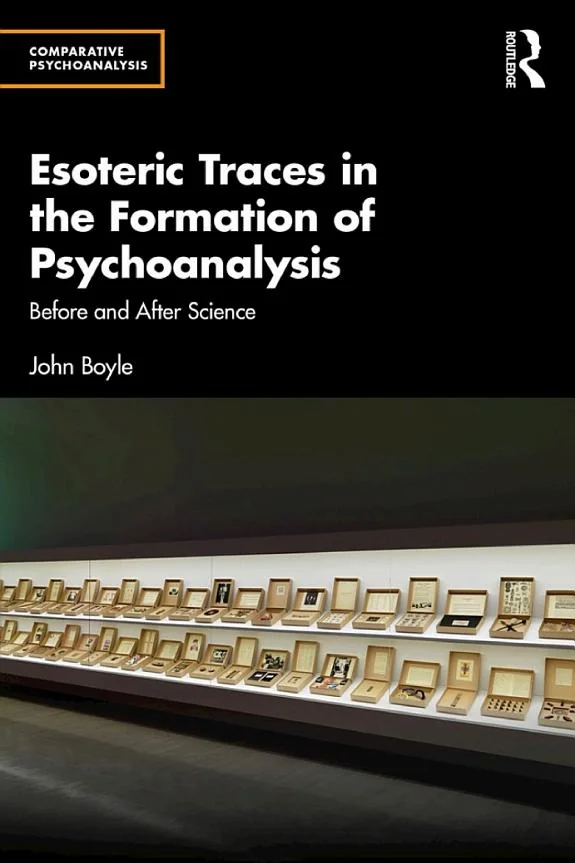
Esoteric Traces in the Formation of Psychoanalysis
 84
84

Esoteric Traces in the Formation of Psychoanalysis
John Boyle's "Esoteric Traces in the Formation of Psychoanalysis" offers a compelling, if at times dense, argument for the pervasive influence of Western esotericism on the foundational principles of psychoanalysis. The book's strength lies in its rigorous tracing of intellectual lineages, particularly how figures like Sándor Ferenczi engaged with concepts that skirted the edges of mainstream scientific discourse. Boyle's analysis of the "occluded psychoanalytic parapsychology" provides a novel framework for understanding persistent themes within the field. However, the work's academic rigor can sometimes lead to a prose style that is less accessible to a broader audience. A particularly striking section discusses the early therapeutic applications of techniques that bear uncanny resemblances to certain esoteric practices, a point Boyle handles with impressive scholarly detachment. While it might benefit from more direct engagement with the lived experiences of patients influenced by these currents, the book ultimately serves as an indispensable resource for understanding psychoanalysis beyond its conventional historical narrative.
📝 Description
84
John Boyle's 2023 book traces Western esotericism's integral role in psychoanalysis's formation.
John Boyle's "Esoteric Traces in the Formation of Psychoanalysis" argues that currents of Western esotericism were not peripheral to the birth of psychoanalysis but were central. The book details how these influences shaped an "occluded psychoanalytic parapsychology" that has continued within the discipline.
Boyle places his research in the late 19th and early 20th centuries, a time of significant intellectual change where psychoanalysis developed alongside various esoteric movements. He examines debates among figures like Freud, Ferenczi, and Jung concerning the integration of occult ideas into psychological theory. The book specifically addresses the widespread interest in spiritualism, Theosophy, and other esoteric traditions that affected many intellectuals of that period.
Key concepts include the "occluded psychoanalytic parapsychology," which describes the persistent, often unacknowledged, incorporation of parapsychological and esoteric notions into psychoanalytic practice and theory. Boyle also analyzes the potential esoteric origins and the role of "active imagination" in developing psychoanalytic thought.
This work sits within the study of Western esotericism, specifically examining its impact on early psychological science. It engages with traditions like spiritualism and Theosophy, which were influential among intellectuals at the turn of the 20th century. The book investigates how these esoteric interests informed the theoretical and practical development of psychoanalysis, suggesting a hidden lineage of ideas within the field.
💡 Why Read This Book?
• Understand the hidden esoteric influences shaping psychoanalysis, as detailed in Boyle's analysis of the "occluded psychoanalytic parapsychology" that emerged alongside Sigmund Freud's early work. • Gain insights into the intellectual debates between Freud, Sándor Ferenczi, and Carl Gustav Jung concerning the role of "occult" concepts, a crucial aspect of early psychoanalytic development. • Explore the historical context of psychoanalysis within the broader fin-de-siècle interest in esotericism, revealing connections previously obscured in standard historical accounts.
⭐ Reader Reviews
Honest opinions from readers who have explored this book.
❓ Frequently Asked Questions
What is the "occluded psychoanalytic parapsychology" discussed in John Boyle's book?
It refers to the persistent, yet often unacknowledged, integration of parapsychological and esoteric ideas within psychoanalysis since its inception, shaping its theoretical and practical dimensions in ways that remain influential.
Which key figures from psychoanalysis are central to the discussion of esotericism?
The book prominently features debates and contributions from Sigmund Freud, Sándor Ferenczi, and Carl Gustav Jung regarding the "occult" and its place within psychoanalytic theory and practice.
When was "Esoteric Traces in the Formation of Psychoanalysis" first published?
The book was first published on February 13, 2026, making it a recent contribution to the study of psychoanalytic history and esotericism.
Does the book argue that psychoanalysis is an esoteric discipline?
No, Boyle argues that while psychoanalysis itself is not inherently esoteric, it was significantly *formed* by and continues to bear traces of Western esoteric thought and practice.
What specific esoteric traditions are explored in relation to psychoanalysis?
The work examines various Western esoteric currents, including but not limited to Hermeticism, Gnosticism, and Theosophy, and their conceptual overlap with early psychoanalytic ideas.
What is the significance of Sándor Ferenczi in Boyle's argument?
Ferenczi is presented as a key figure whose engagement with ideas considered "occult" or parapsychological by some contemporaries highlights the esoteric undercurrents within early psychoanalysis.
🔮 Key Themes & Symbolism
Occluded Psychoanalytic Parapsychology
This theme addresses the persistent, yet often unacknowledged, integration of parapsychological and esoteric concepts within psychoanalysis since its inception. John Boyle argues that this "occluded" aspect has demonstrably shaped the discipline, influencing theoretical frameworks and therapeutic approaches. It represents a hidden lineage, distinct from the purely scientific or medical interpretations of psychoanalysis, and continues to manifest in subtle ways within contemporary practice, prompting a re-evaluation of psychoanalysis's intellectual origins.
Ferenczi's Esoteric Engagements
The work highlights Sándor Ferenczi's critical role in bridging psychoanalysis with esoteric thought. Boyle examines Ferenczi's interactions and debates with Sigmund Freud and Carl Gustav Jung, specifically focusing on his willingness to consider and integrate concepts that were viewed as "occult" or bordering on the parapsychological. This exploration reveals how figures like Ferenczi actively grappled with these ideas, embedding them within the developing discourse of psychoanalysis and contributing to its less conventional dimensions.
Jung and Active Imagination
Carl Gustav Jung's concept of "active imagination" is presented as a significant technique with potential esoteric roots that found a place within psychoanalytic exploration. Boyle traces how this method, which involves conscious engagement with the unconscious through imagery and fantasy, aligns with certain esoteric practices of visualization and inner exploration. The theme explores how such techniques were not only discussed but also implicitly or explicitly adopted, influencing the therapeutic relationship and the understanding of the psyche's deeper layers.
Fin-de-Siècle Intellectual Currents
The book situates the formation of psychoanalysis within the broader intellectual and cultural milieu of the late 19th and early 20th centuries, a period characterized by widespread fascination with spiritualism, Theosophy, and other esoteric movements. Boyle demonstrates how this broader societal interest provided fertile ground for the integration of esoteric ideas into nascent psychological theories. Understanding this context is crucial for appreciating why certain "occult" concepts were considered relevant by early psychoanalysts.
💬 Memorable Quotes
Direct passages from the work, attributed to the author.
“The distinguishing features of an 'occluded psychoanalytic parapsychology' have continued to persist within psychoanalysis to this day.”
— This statement captures Boyle's central thesis: that esoteric and parapsychological influences on psychoanalysis are not merely historical footnotes but have enduring, though often unacknowledged, relevance in contemporary practice and theory.
“Debates between Sigmund Freud, Sándor Ferenczi and Carl Gustav Jung on the role of the 'occult' in psychoanalysis.”
— This highlights a core focus of the book, pointing to the direct engagement of key psychoanalytic founders with esoteric concepts, framing these discussions as integral to the discipline's formation rather than tangential.
“The neglected contributions made by Western esotericism in the formation of psychoanalysis.”
— This phrase underscores the book's aim to bring to light overlooked influences, suggesting that conventional histories of psychoanalysis have downplayed or ignored the significant role esoteric traditions played in its development.
“A conceptual framework for understanding how these influences operated.”
— This indicates that Boyle provides not just historical accounts but also analytical tools, offering readers a structured way to analyze and comprehend the mechanisms through which esoteric ideas permeated psychoanalytic thought.
“The persistence of esoteric ideas within the psychoanalytic tradition.”
— This emphasizes the continuity of influence, suggesting that the integration of esoteric elements was not a fleeting phase but a foundational aspect whose legacy continues to shape psychoanalytic discourse and practice.
🌙 Esoteric Significance
Tradition
The book engages primarily with Western Esotericism, drawing connections to Hermeticism, Gnosticism, and Theosophical currents prevalent in the late 19th and early 20th centuries. It positions psychoanalysis's formation as influenced by these traditions, particularly in their shared interest in the deeper meaning of the psyche, symbolism, and altered states of consciousness. Boyle's work fits within esoteric scholarship by demonstrating how these often-marginalized traditions can offer alternative lenses through which to view the development of modern intellectual disciplines.
Symbolism
Key symbols explored implicitly include the unconscious as a symbolic landscape, akin to the alchemical vessel or the Gnostic Pleroma, where hidden truths are sought. The concept of "active imagination," as practiced by figures like Jung, can be seen as a symbolic technique for accessing inner archetypes and spiritual realities. The "occult" itself functions as a symbol for the hidden, the repressed, or the non-rational aspects of human experience that both esotericism and psychoanalysis aim to uncover and integrate.
Modern Relevance
Contemporary thinkers in depth psychology, transpersonal psychology, and certain strands of critical theory continue to explore the intersections of psychology and esoteric traditions. Boyle's work provides a historical foundation for understanding how these connections were established, informing current discussions on consciousness, spirituality, and therapeutic methodologies that extend beyond purely materialist paradigms. Practitioners and scholars interested in the integration of spiritual or mystical experiences within psychological frameworks will find this analysis pertinent.
👥 Who Should Read This Book
• Scholars of psychoanalysis and the history of psychology seeking to understand the discipline's often-unacknowledged esoteric roots and influences. • Students of Western Esotericism interested in tracing the impact of traditions like Hermeticism and Theosophy on modern intellectual movements and scientific fields. • Intellectual historians and philosophers of mind looking for a nuanced account of the philosophical and occult debates that informed early 20th-century thought.
📜 Historical Context
Published in 2026, John Boyle's "Esoteric Traces in the Formation of Psychoanalysis" revisits the intellectual milieu of the late 19th and early 20th centuries, a period marked by intense exploration of the human psyche and a concurrent widespread interest in Western esotericism. The work situates the birth of psychoanalysis not in isolation, but as part of a broader cultural landscape where spiritualism, Theosophy, and Hermeticism were actively debated. Boyle specifically examines the important dialogues between Sigmund Freud, Sándor Ferenczi, and Carl Gustav Jung, focusing on their varying degrees of engagement with what was then termed the "occult." This era saw many intellectuals, including those who would found psychology, drawn to these unconventional fields. The book implicitly contrasts with the more positivistic, strictly scientific narratives of psychoanalysis's origins, highlighting how figures like Ferenczi, in particular, were open to ideas that diverged from purely empirical observation, thereby challenging the established historical accounts.
📔 Journal Prompts
The concept of 'occluded psychoanalytic parapsychology' and its current manifestations.
Ferenczi's engagement with 'occult' ideas in his psychoanalytic practice.
The symbolic field of the unconscious as explored in early psychoanalysis.
Connections between 'active imagination' and esoteric visualization techniques.
The intellectual climate of the late 19th century and its openness to esoteric thought.
🗂️ Glossary
Occluded psychoanalytic parapsychology
A term coined by John Boyle to describe the persistent, yet often unacknowledged, integration of parapsychological and esoteric ideas within psychoanalysis from its inception.
Western Esotericism
A broad category of spiritual, magical, and philosophical traditions originating in the Greco-Roman world and developing through medieval and Renaissance Europe, including Hermeticism, Gnosticism, and Kabbalah.
Active Imagination
A technique, notably used by Carl Gustav Jung, involving conscious engagement with unconscious imagery, fantasies, and dreams to integrate psychic material.
Sándor Ferenczi
A Hungarian psychoanalyst and one of Sigmund Freud's closest associates, known for his contributions to the theory of transference and countertransference, and his engagement with esoteric ideas.
Fin-de-siècle
The French term for 'end of the century,' often referring to the cultural, artistic, and intellectual climate of the final decade of the 19th century, characterized by decadence and innovation.
Theosophy
A spiritual movement founded in the late 19th century, primarily by Helena Blavatsky, which sought to synthesize Eastern and Western religious and philosophical traditions, emphasizing esoteric knowledge.
Hermeticism
A philosophical and religious tradition based on writings attributed to Hermes Trismegistus, emphasizing esoteric knowledge, magic, and the interconnectedness of the cosmos.
This book appears in 1 collection
🔮 Readers Also Liked
Browse all →









From the “Western Esotericism” Collection
View all →





More Free Occult Philosophy Books
View all →