The long road
 71
71

The long road



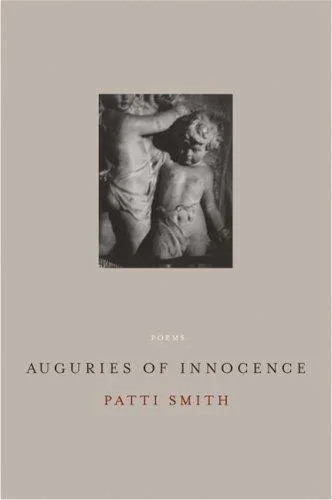
Isolde Whitaker, Sacred Texts Editor, hails 'The Long Road' as a luminous descent into poetic prophecy. Patti Smith masterfully conjures a potent blend of confessional intimacy and cosmic insight, echoing the visionary traditions of mystics and seers. This collection offers a rare glimpse into the alchemical process of creation, where everyday observations transform into profound auguries. Smith's unique voice, a conduit for both raw emotion and ethereal wisdom, will resonate deeply with readers attuned to the subtle energies of existence. It’s an essential read for anyone seeking solace, inspiration, and a deeper connection to the universal currents that shape our reality.
📝 Description
71
Patti Smith's 2010 collection, 'The Long Road,' presents poetry as a divinatory tool.
This collection uses poetry not just for expression but as a means to chart unseen forces and echoes of past wisdom. Smith draws parallels to figures like William Blake and Arthur Rimbaud, creating verses that aim to reveal the underlying structure of the universe. Each poem functions like a symbolic mark or a spoken charm, intended to awaken inner knowledge and show how everything is connected. The book contains insights for the spirit, offering deep thoughts on grief, spiritual ascent, and the strength of the human soul. 'The Long Road' appeals to those wanting to see beyond the ordinary, grasp the meaning of dreams, and find comfort and discovery in life's deeper questions.
It serves as a personal dialogue with the divine within, demonstrating art's ability to expose realities beyond everyday experience. Smith's work here is an intimate exploration of the sacred connection inherent in all existence.
In the tradition of artists and writers who engage with mystical thought, Patti Smith's 'The Long Road' follows a lineage that sees creative work as a form of spiritual inquiry. This approach connects to symbolist poetry and earlier occult traditions where art objects, like poems or paintings, were conceived as magical instruments. Such practices aim to access altered states of consciousness or to communicate hidden truths about reality, aligning with movements that sought to bridge the material and spiritual worlds through symbolic language and intuition.
💡 Why Read This Book?
Discover profound insights into the human condition and the cosmos. 'The Long Road' offers a unique blend of raw emotion and spiritual awakening, perfect for seekers of hidden knowledge and lovers of evocative poetry. Patti Smith's verses act as keys, unlocking new perspectives on life's deepest mysteries. Ideal for those exploring divination, symbolism, and the transformative power of art.
⭐ Reader Reviews
Honest opinions from readers who have explored this book.
❓ Frequently Asked Questions
What is the primary theme of 'The Long Road'?
The primary theme is the mystical journey of life, exploring themes of loss, memory, spirituality, and the search for meaning through a lens of profound introspection and artistic vision.
Who is Patti Smith?
Patti Smith is an iconic American singer-songwriter, poet, and visual artist, often referred to as the "godmother of punk." Her work is known for its literary depth, raw emotional power, and exploration of spiritual and philosophical themes.
What is the connection between this book and divination?
The collection is described as offering 'auguries,' suggesting that the poems contain prophetic insights, symbolic meanings, and guidance akin to those found in traditional divination practices.
Is this book suitable for beginners in esoteric studies?
Yes, the accessible yet profound nature of Smith's poetry makes it a compelling entry point for those new to esoteric concepts, offering a poetic gateway to deeper contemplation.
What kind of "hidden knowledge" does the book reveal?
It reveals the hidden knowledge of the self, the interconnectedness of all beings, and the subtle spiritual forces that shape our reality, often through evocative imagery and personal revelation.
🔮 Key Themes & Symbolism
The Alchemical Journey of the Soul
This theme studies the transformative processes within the human spirit, mirroring alchemical principles of purification, integration, and eventual spiritual enlightenment. Smith’s verses act as the philosopher's stone, transmuting personal experience into universal wisdom, guiding the reader through the crucible of existence towards a higher state of consciousness and self-understanding.
Elements of the Divine in the Mundane
Here, the focus is on perceiving the sacred in the everyday, finding divine presence in ordinary moments, objects, and encounters. Smith masterfully unveils the subtle spiritual currents that permeate reality, urging readers to look beyond the superficial and recognize the numinous quality inherent in all things, thus fostering a deep sense of awe and interconnectedness.
The Oracle of Memory and Loss
This exploration centers on how memory and the experience of loss can serve as powerful oracular tools. Smith suggests that confronting past pains and cherishing fragmented memories can unlock profound truths and offer guidance, acting as a form of personal divination. The collection illuminates how our personal histories, when interpreted with wisdom, become a source of insight and resilience.
💬 Memorable Quotes
Direct passages from the work, attributed to the author.
“The soul is a wild horse.”
— This metaphor suggests the untamed, powerful, and often unpredictable nature of the inner self, hinting at the need for guidance and understanding to harness its potent energy.
“We are all inscribed in the stars.”
— This speaks to a cosmic interconnectedness and destiny, implying that our lives are part of a larger celestial narrative, influencing our paths and destinies.
“Every shadow holds a secret.”
— This evokes the idea that hidden truths and useful insights lie within the darker, less obvious aspects of life, encouraging exploration of the unknown.
“Art is a prayer for the unseen.”
— This highlights the spiritual and devotional aspect of creative expression, positioning art as a means to connect with and manifest the intangible realms.
“The road is long, but the destination is within.”
— This profound statement suggests that true fulfillment and understanding are not found externally but through inner exploration and self-discovery.
🌙 Esoteric Significance
Tradition
This work aligns with the Hermetic and Neoplatonic traditions, emphasizing the interconnectedness of the macrocosm and microcosm. It explores the divine spark within humanity and the universe, suggesting that true knowledge is attained through inner contemplation, intuition, and the recognition of symbolic correspondences, a hallmark of esoteric philosophies.
Symbolism
The collection is rich with potent symbolism, drawing from nature, dreams, and archetypal imagery. Smith employs symbols like the 'wild horse' to represent untamed spirit, 'stars' for destiny, and 'shadows' for hidden truths. These elements function as keys, unlocking deeper layers of meaning and facilitating a connection to the collective unconscious and universal archetypes.
Modern Relevance
In an era often characterized by disconnection and material focus, 'The Long Road' offers a vital reminder of our innate spiritual capacity and the profound mysteries that lie beyond the empirical. Its emphasis on intuition, personal truth, and the power of art to illuminate the unseen resonates deeply with contemporary seekers yearning for authentic meaning and a more profound connection to themselves and the universe.
👥 Who Should Read This Book
Seekers of spiritual depth and artistic revelation will find 'The Long Road' an indispensable companion. Beginners in esoteric studies will appreciate its poetic gateway into mystical concepts. Scholars of American literature and counter-culture will recognize its place within a rich tradition. Practitioners of divination and mindfulness will discover potent meditations and symbolic insights. Anyone yearning for a more profound understanding of life's mysteries and the power of the human spirit will be deeply moved by its evocative power.
📜 Historical Context
Patti Smith's 'The Long Road' emerges from a rich lineage of American poetic and musical traditions, particularly those that engage with spiritual and counter-cultural themes. The collection reflects the Beat Generation's exploration of existentialism and Eastern philosophies, as well as the confessional poetry movement's emphasis on personal truth. Emerging in a contemporary landscape often saturated with superficiality, Smith's work is a useful reference of authentic expression, grounding its mystical inquiries in lived experience and drawing inspiration from figures like William Blake and Arthur Rimbaud, whose own artistic endeavors sought to reveal hidden realities and challenge societal norms.
📔 Journal Prompts
Reflect on a time you felt truly connected to something larger than yourself. What were the circumstances?
What does the metaphor of a 'wild horse' represent in your own inner life? How do you tend to it?
Explore a personal 'shadow' – a fear, a doubt, or a hidden aspect of yourself. What secrets might it hold?
Consider a significant loss you've experienced. How has it shaped your understanding of life and destiny?
If art is a prayer, what is the deepest prayer your own creative impulses are trying to express?
🗂️ Glossary
Augury
A sign or omen, especially one concerning the future; the practice of interpreting these signs, often found in divination.
Sigil
An emblem or symbol, often used in magic and occult practices, believed to represent a specific intention or entity.
Troubadour
A composer and performer of lyric poetry, especially in the medieval Occitan language. In a modern sense, a poet or singer who travels and performs.
Numinous
Having or showing a strong religious or spiritual quality; indicating or suggesting the presence of a divinity.
Hermetic
Relating to or characterized by alchemy, magic, or the occult; relating to Hermes Trismegistus, a legendary figure associated with esoteric knowledge.
This book appears in 1 collection
🔮 Readers Also Liked
Browse all →







From the “Divination” Collection
View all →









More Free Divination & Tarot Books
View all →