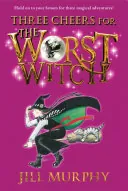
The Little Witch's Book of Spells

 72
72

The Little Witch's Book of Spells
Ariel Kusby's "The Little Witch's Book of Spells" (2020) presents a refreshingly grounded approach to children's witchcraft literature. Unlike many ephemeral guides, it focuses on practical, nature-aligned magic suitable for its 8-12 year-old audience. The section on crafting a wand, for instance, emphasizes personal connection and intention over elaborate materials, a sound principle often overlooked. However, the book occasionally leans towards a simplified view of magical symbolism, potentially understating the depth of concepts like elemental correspondences, which are touched upon but not fully explored. The inclusion of a glossary is commendable, offering a solid reference point. Ultimately, this work succeeds as an encouraging primer for young practitioners seeking tangible magical engagement.
📝 Description
72
Published in August 2025, The Little Witch's Book of Spells guides young readers into practical magic.
Ariel Kusby's book, first released in August 2025, acts as an introduction to spellcraft for children aged 8 to 12. It moves beyond simple spell collections to teach foundational magical ideas. The book encourages readers to use nature and their surroundings as sources of power and inspiration, focusing on practical use.
The guide helps young witches understand and use magic for personal growth and community. The spells and activities aim to solve common problems, build better relationships, and increase appreciation for the environment. It includes instructions for making a wand and reading tea leaves, giving readers concrete ways to connect with magical elements and beings.
Kusby also introduces core esoteric concepts in a way children can grasp. It contains resources like glossaries of magical terms and explanations of important symbols. This method builds a real understanding of magical traditions, giving young readers a solid basis for further study in occult subjects.
This book introduces foundational concepts in esoteric studies to a young audience. It presents magical traditions in an accessible format, aiming to build genuine understanding rather than superficial engagement. By including elements like glossaries and symbol explanations, it equips readers with basic knowledge that can serve as a foundation for future exploration in occult arts. The focus on practical application and connection with natural elements aligns with many pagan and witchcraft traditions that emphasize experiential learning.
💡 Why Read This Book?
• Gain practical skills in spellcraft and potion-making, such as learning to craft a magic wand as detailed in the book, providing tangible magical engagement beyond theoretical study. • Develop a deeper connection with the natural world through guided activities focused on environmental magic, offering a unique way to appreciate nature's inherent energies. • Understand foundational esoteric concepts through accessible explanations of magical terms and symbols, building a basic literacy in occult language and iconography not found in generic children's fantasy.
⭐ Reader Reviews
Honest opinions from readers who have explored this book.
❓ Frequently Asked Questions
What age group is "The Little Witch's Book of Spells" best suited for?
This book is specifically designed for children aged 8 to 12 years old. The language, activities, and concepts are tailored to be understandable and engaging for this developmental stage.
Does the book teach dangerous or harmful magic?
No, the book focuses on constructive and ethical magic, emphasizing spells for problem-solving, friendship, and connecting with nature, aligning with principles of responsible magical practice.
What kind of activities are included in the book?
Activities range from crafting a magic wand and making simple potions to learning to read tea leaves and befriending fairies, offering a variety of hands-on magical experiences.
Are there any explanations of magical terms or symbols?
Yes, the book includes glossaries of magical terms and symbols, providing young readers with a foundational understanding of the language and iconography used in witchcraft.
When was "The Little Witch's Book of Spells" originally published?
The book was first published on August 25, 2020, making it a relatively recent addition to the genre of children's magical literature.
Is this book suitable for adults interested in beginner witchcraft?
While primarily aimed at children, adults seeking a very simple, playful introduction to basic magical concepts and activities might find it a lighthearted starting point.
🔮 Key Themes & Symbolism
Nature-Based Spellcraft
The work champions the use of natural elements—herbs, stones, sunlight—as fundamental components in spellcasting. It encourages young practitioners to observe and interact with the environment, viewing it as a living source of magical energy. This aligns with animistic traditions that perceive spirit in all things, fostering a respectful and symbiotic relationship between the witch and the earth. Examples include using specific plants for friendship spells or invoking natural forces for protection.
Empowerment Through Practice
A core theme is empowering children by providing them with tools and techniques to effect positive change in their lives. This is achieved through practical exercises like crafting a personal wand, which symbolizes intent and focus, or learning to read tea leaves, an act of divination that encourages intuition. The book frames magic not as an external force, but as an internal capacity to be cultivated through consistent practice and mindful intention.
Building Magical Literacy
Kusby introduces essential components of esoteric traditions in an age-appropriate manner. This includes glossaries defining terms like 'potion' or 'familiar' and explanations of symbolic language. By clarifying concepts and providing context, the book aims to build a foundational literacy in magical thinking and symbolism, preparing young readers for more complex studies should their interest deepen, much like early primers in any academic discipline.
Community and Connection
The book emphasizes the social aspect of magic, offering spells and activities designed to foster friendship and positive relationships. Learning to 'befriend a fairy' or cast spells for harmony encourages prosocial behavior and understanding interpersonal dynamics through a magical lens. This reflects a broader esoteric principle that magic is often most potent when used for the benefit of oneself and others, promoting a balanced and ethical approach.
💬 Memorable Quotes
Direct passages from the work, attributed to the author.
“Craft your own magic wand.”
— This instruction highlights the book's emphasis on personal creation and the symbolic importance of tools in magical practice. It suggests that true magic stems from personal effort and imbued intention, rather than pre-made implements.
“Befriend a fairy.”
— This whimsical directive points to the book's engagement with the field of nature spirits and elementals. It encourages children to approach the unseen world with curiosity and respect, fostering an animistic worldview.
“Read your tea leaves.”
— This represents an introduction to divination practices. It teaches a method of seeking guidance and understanding through observation and interpretation, fostering intuition and pattern recognition.
“A glossary of magical terms and symbols.”
— This signifies the book's commitment to foundational knowledge, providing young readers with the vocabulary and visual language necessary to engage with esoteric concepts more deeply.
💡 Key Ideas
Editorial paraphrase of the work's core concepts — not direct quotes.
Spells to resolve problems and foster friendship.
This summarizes the practical and ethical orientation of the magic presented, focusing on constructive applications for personal well-being and social harmony.
🌙 Esoteric Significance
Tradition
This work draws loosely from contemporary interpretations of Neopaganism and Wicca, focusing on nature-based spirituality and practical spellcraft. It departs from stricter, ritualistic traditions by prioritizing playfulness and accessibility for young minds. While not directly tied to Hermeticism or Kabbalah, it echoes their emphasis on symbolic understanding and the belief in humanity's capacity to influence reality through focused intent and connection with unseen forces.
Symbolism
Key symbols include the magic wand, representing focused will and directed energy, often carved from specific woods believed to hold particular qualities. Fairies symbolize nature spirits and elementals, encouraging respect for the unseen world and the environment. Tea leaves, used in divination, represent the interconnectedness of events and the potential for insight into past, present, and future through symbolic interpretation.
Modern Relevance
This book speaks to modern parenting trends that seek to introduce children to mindfulness, nature connection, and self-expression through imaginative play. It aligns with contemporary witchcraft practices that emphasize personal autonomy, ethical considerations, and a holistic approach to well-being. Its accessible format makes it a stepping stone for those who might later explore more complex esoteric philosophies or spiritual paths.
👥 Who Should Read This Book
• Young aspiring witches (ages 8-12) seeking an engaging and safe introduction to magical concepts and practices, offering hands-on activities. • Parents or guardians interested in introducing their children to nature-based spirituality and creative expression in an age-appropriate manner. • Educators or librarians looking for resources that foster imagination, environmental awareness, and basic symbolic literacy in children.
📜 Historical Context
Published in 2020, Ariel Kusby's "The Little Witch's Book of Spells" emerged during a resurgence of interest in witchcraft and paganism, particularly among younger demographics. This period saw a proliferation of accessible guides, often diverging from the more rigorous, historically-rooted practices found in earlier 20th-century occultism, such as the works of Aleister Crowley or Dion Fortune. Kusby's approach aligns more with modern interpretations that emphasize personal empowerment and nature connection, fitting within the broader Neopagan movement that gained traction from the mid-20th century onwards. While specific reception events for this particular children's book are scarce in academic discourse, its publication occurred alongside a growing market for 'witchy' aesthetics and practices marketed towards millennials and Gen Z, often influenced by figures like Doreen Valiente in the Wiccan tradition, though Kusby's work is distinctly secular and aimed at children.
📔 Journal Prompts
Your personally crafted magic wand: what intentions did you imbue it with?
Describe a spell you would create to help a friend.
Reflect on the symbolism of the fairy in nature.
How can reading tea leaves help you understand a situation?
What is one magical term you learned and how might you use it?
🗂️ Glossary
Spell
A magical formula or ritual intended to produce a specific effect, often involving spoken words, gestures, or focused intention.
Potion
A magical liquid mixture, typically prepared by combining various ingredients believed to have specific properties or energies for a desired outcome.
Wand
A slender stick or rod, often made of wood, used as a tool to direct magical energy or focus intention during spellcasting.
Fairy
A mythical being, often depicted as small and winged, associated with nature, magic, and the unseen realms.
Tea Leaves
The residue left after brewing tea, used in the practice of tasseography (tea leaf reading) for divination and symbolic interpretation.
Symbol
An image, sign, or object that represents an idea, concept, or entity, often carrying deeper meaning within magical or spiritual contexts.
Divination
The practice of seeking knowledge of the future or the unknown by supernatural means, such as reading tea leaves or tarot cards.
This book appears in 1 collection
🔮 Readers Also Liked
Browse all →








From the “Bibliomancy” Collection
View all →







More Free Occult Philosophy Books
View all →