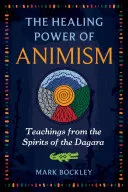
The Healing Power of Animism
 83
83

The Healing Power of Animism
Bockley’s account of Dagara animism offers a rare, accessible window into a worldview often misunderstood or romanticized. His direct engagement, particularly his spiritual apprenticeship with Martine Somé, lends an authenticity that distinguishes it from purely academic studies. The detailed examination of Dagara animistic magic, including specific divination methods and healing practices, is a significant strength, grounding abstract concepts in tangible application. However, the sheer breadth of Dagara spiritual cosmology, while rich, occasionally feels compressed, leaving one wishing for even deeper dives into specific ritualistic nuances. The assertion that "Spirits are everywhere: in every animal and plant, every rock and shell, in the sand, soil, water, and wind" serves as a powerful, recurring touchstone for the book’s central thesis. Ultimately, *The Healing Power of Animism* provides a compelling, if sometimes introductory, look at a vital indigenous spiritual tradition.
📝 Description
83
Mark Bockley's 2027 book details the Dagara people's animistic worldview and healing practices.
Published in 2027, The Healing Power of Animism by Mark Bockley examines the spiritual life of the Dagara people from West Africa. Bockley details their practices, emphasizing the belief that the natural world, including stones, water, plants, and animals, is alive with spirit. This perspective is presented not as an ancient relic, but as a current system for understanding and interacting with the spiritual dimension. The book is intended for students of religion and anthropology, as well as those looking for different ways to understand consciousness and the sacred. It will appeal to readers interested in indigenous spiritual traditions, shamanism, and the healing aspects of connecting with nature spirits. Those familiar with Malidoma Patrice Somé's work will find this book a useful companion, as it focuses on the beliefs of Somé's ancestral community.
This work situates itself within the study of animistic traditions, which hold that spirits inhabit all natural things. Specifically, it delves into the Dagara cosmology, a system predating and coexisting with major world religions in Burkina Faso and Ghana. Bockley's account is informed by his spiritual apprenticeship, offering an insider's look at practices involving divination, spellcasting, and communing with ancestral spirits. It highlights the Dagara view of the spirit world as an active force in daily life, crucial for well-being and healing.
💡 Why Read This Book?
• Gain practical understanding of Dagara animistic magic, including specific examples of divination and healing practices, as detailed in the book's examination of these rituals. • Explore the profound importance of ancestors and dreams within the Dagara spiritual framework, as presented through Bockley's firsthand observations. • Connect with the concept of spirit in all things, a core tenet of Dagara animism, and consider its implications for personal well-being as described in the book's exploration of the natural world.
⭐ Reader Reviews
Honest opinions from readers who have explored this book.
❓ Frequently Asked Questions
What specific Dagara people does Mark Bockley's book focus on?
The book specifically explores the animistic beliefs and rituals of the Dagara people, who are indigenous to West Africa, primarily in regions of Burkina Faso and Ghana.
Who was Martine Somé and what was her role in the book?
Martine Somé was the spiritual mentor and teacher to Mark Bockley. She is also the sister of the well-known author and spiritual leader Malidoma Patrice Somé, and her guidance was central to Bockley's understanding and documentation of Dagara animism.
When was 'The Healing Power of Animism' first published?
The book 'The Healing Power of Animism' by Mark Bockley was first published on January 5, 2027.
What are some examples of Dagara animistic magic mentioned in the book?
The book examines various Dagara animistic magic practices, including specific methods of divination, the casting of spells, and unique healing rituals rooted in their spiritual worldview.
How does the book explain the concept of spirits according to Dagara beliefs?
According to Dagara beliefs as explored in the book, spirits are considered to be omnipresent, residing in every aspect of the natural world—animals, plants, rocks, water, and even the soil and wind.
What is the significance of ancestors in Dagara animism as presented by Bockley?
Bockley's work highlights the crucial importance of ancestors in Dagara animism, detailing how they are venerated and how their influence is sought for guidance and well-being in daily life.
🔮 Key Themes & Symbolism
Spirit Immanence
The central tenet explored is that spirits are not separate entities but are intrinsically woven into the fabric of existence. This perspective, fundamental to Dagara animism, posits that every element of the natural world—animate and inanimate—possesses its own consciousness and spiritual energy. Bockley illustrates this through descriptions of how Dagara people interact with trees, rocks, and water sources as living, sentient beings deserving of respect and communication. This immanence challenges Western dualistic thinking, proposing a world where the sacred is found not in a distant heaven, but in the immediate environment.
Ancestral Veneration
A critical component of Dagara spiritual practice is the deep respect and ongoing relationship with ancestors. The work details how ancestors are not merely remembered but actively engaged with, serving as guides, protectors, and intermediaries between the living and the spirit world. Bockley explains rituals and practices designed to honor ancestors, seeking their wisdom and blessings. This continuous dialogue with the deceased is presented as vital for maintaining balance, receiving guidance, and ensuring the well-being of the community, underscoring a non-linear view of time and existence.
Dream Interpretation and Divination
The book elucidates the Dagara belief in dreams as significant channels of communication from the spirit realm. Bockley describes how dreams are meticulously interpreted to glean insights, warnings, and guidance for everyday life and significant decisions. Alongside dream analysis, the work examines various Dagara divination methods, which serve to clarify spiritual messages and understand the root causes of illness or misfortune. These practices highlight a worldview where unseen forces actively shape human experience and can be consulted for clarity.
Animistic Healing Practices
Central to the book's title is the exploration of healing through the lens of animism. Bockley presents Dagara healing practices that go beyond the purely physical, addressing spiritual imbalances and disharmony. These methods often involve engaging with nature spirits, performing specific rituals, and utilizing symbolic actions to restore well-being. The emphasis is on a holistic approach where physical ailments are understood as manifestations of deeper spiritual or energetic disruptions, requiring a spiritual solution rooted in the natural world.
💬 Memorable Quotes
Direct passages from the work, attributed to the author.
“Spirits are everywhere: in every animal and plant, every rock and shell, in the sand, soil, water, and wind.”
— This foundational statement captures the animistic worldview presented, emphasizing the pervasive presence of consciousness throughout the natural environment. It challenges the separation between the sacred and the mundane, suggesting that spirit is an inherent quality of all existence.
“The importance of ancestors and dreams in Dagara spiritual life.”
— This highlights two key pillars of the Dagara belief system: the active role of deceased relatives in guiding the living and the significance of nocturnal visions as messages from the spirit world.
“Dagara animistic magic includes examples of divination methods, spells, and healing practices.”
— This points to the practical application of animistic beliefs, showcasing that the Dagara spiritual system offers tangible techniques for understanding the world and influencing outcomes.
“The author’s spiritual apprenticeship with Martine Somé.”
— This signifies the direct, experiential nature of the research, indicating that the insights presented are derived from personal mentorship within the tradition itself, rather than solely external observation.
“The interconnectedness of all beings through the spirit realm.”
— This concept underscores the Dagara understanding that the separation between humans, nature, and the spiritual world is an illusion, fostering a sense of unity and shared existence.
🌙 Esoteric Significance
Tradition
The work engages with animism, a foundational spiritual perspective that predates many formalized esoteric traditions. While not strictly Hermetic, Gnostic, or Kabbalistic, it shares with these lineages an emphasis on hidden knowledge, the power of intention, and a multi-layered reality. It departs from Western esoteric traditions by centering the sacred not in abstract principles or divine emanations, but in the immanent spirit of the natural world and ancestral connections. It represents a direct lineage of indigenous spiritual technology, offering an alternative to the more intellectualized systems of Western esotericism.
Symbolism
Key symbols include the natural elements (earth, water, fire, air) as conduits of spirit, each holding specific energies and messages. Animals are often seen as spirit guides or embodiments of particular qualities. The concept of the 'village' or community space also functions symbolically, representing a nexus of spiritual energy and ancestral presence. Dreams themselves are potent symbols, acting as the primary language through which the spirit world communicates with the individual, requiring careful interpretation to unlock their meaning.
Modern Relevance
Contemporary thinkers and practitioners in ecopsychology, deep ecology, and neo-shamanic movements find resonance in Bockley's portrayal of animism. Modern spiritual seekers looking to reconnect with nature and find meaning beyond consumerist culture often draw upon such works. The emphasis on ancestral connection also speaks to a growing desire for lineage and rootedness in an increasingly globalized and fragmented world. It provides a framework for understanding and addressing modern anxieties through a reconnection with ancient, nature-based spiritual wisdom.
👥 Who Should Read This Book
• Students of comparative religion and anthropology seeking to understand indigenous worldviews beyond superficial descriptions. • Individuals interested in alternative healing modalities and the spiritual dimensions of well-being, particularly those drawn to nature-based practices. • Practitioners and admirers of Malidoma Patrice Somé's work looking for a deeper, focused exploration of his ancestral traditions through the lens of his family's teachings.
📜 Historical Context
Published in 2027, Mark Bockley's *The Healing Power of Animism* emerged at a time when global interest in indigenous spiritualities and alternative healing modalities was significant. It arrived amidst a broader discourse on ecological consciousness and the limitations of purely materialistic scientific paradigms. The Dagara people, whose spiritual traditions form the book's core, have been subjects of ethnographic interest since the mid-20th century, notably through the work of Malidoma Patrice Somé, whose own writings brought Dagara cosmology to wider Western attention. Bockley’s book can be seen as a continuation and deepening of this exploration, focusing specifically on the practical application of animistic principles for healing. While academic anthropology might approach such traditions with detached analysis, Bockley adopts a more participatory and spiritual lens, influenced by his direct apprenticeship with Martine Somé, Malidoma’s sister. This approach contrasts with the more rationalist or secular interpretations of spirituality prevalent in some intellectual circles of the early 21st century.
📔 Journal Prompts
The omnipresence of spirits in the natural world as described in Dagara animism.
Messages received through dreams and their potential guidance.
The role of ancestors in shaping daily life and spiritual understanding.
Personal experiences with the healing power of nature or animistic practices.
The concept of animistic magic and its application beyond ritual.
🗂️ Glossary
Animism
A belief system attributing spiritual essence, consciousness, or soul to natural phenomena, inanimate objects, and living organisms, viewing the world as inherently alive and interconnected.
Dagara People
An ethnic group indigenous to West Africa, primarily residing in Burkina Faso and Ghana, known for their rich spiritual traditions and connection to the land.
Ancestors
In the context of Dagara animism, deceased relatives who are actively venerated and consulted for guidance, protection, and spiritual wisdom.
Divination
Practices or techniques used to foretell future events or discover hidden knowledge, often through interpreting signs, dreams, or omens, as employed in Dagara spiritual systems.
Spells
Ritualistic words or actions believed to have supernatural power to influence events or achieve specific outcomes, forming part of Dagara animistic magic.
Spirit Apprenticeship
A period of intense personal training and spiritual mentorship within an indigenous tradition, aimed at deeply understanding and integrating its beliefs and practices.
Malidoma Patrice Somé
A prominent Dagara author and spiritual teacher who introduced many Westerners to his people's cosmology and traditions through his writings and lectures.