Succubus Dreams
 76
76

Succubus Dreams
Mead’s 2008 novel, Succubus Dreams, presents a fascinating, if occasionally uneven, exploration of succubi. The narrative’s strength lies in its refusal to portray these entities as simple monsters; instead, it delves into their motivations and the intricate web of desire and consequence they weave. A particular standout is the depiction of the protagonist’s internal conflict, grappling with her own nature and the external pressures exerted by her succubus heritage. However, the pacing in the middle section occasionally falters, with some plot developments feeling slightly rushed. The concept of the "dream-binding" ritual, while intriguing, could have benefited from more explicit exploration of its esoteric underpinnings. Despite these minor quibbles, the book offers a compelling perspective on the ancient mythos of the succubus, grounding it in relatable human emotion. It is a work that rewards readers seeking a more psychological approach to supernatural lore.
📝 Description
76
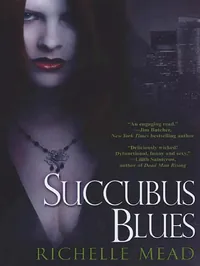
Richelle Mead's 2008 novel Succubus Dreams examines the consequences of intermingling the supernatural and human realms.
Published in 2008, Succubus Dreams by Richelle Mead situates readers within a world where the boundaries between the ethereal and the physical blur, leading to significant repercussions. The novel delves into themes of desire and its fallout, as well as the subtle forces shaping human existence. It portrays succubi not merely as mythical figures but as beings with their own intentions and a tangible effect on the story's progression.
This book appeals to readers interested in the darker aspects of mythology and the occult. Those who enjoy character-focused narratives with a strong atmosphere and a sense of the forbidden will find much to engage with. The story asks questions about personal choice, temptation, and the divisions between different planes of existence.
Succubus Dreams appeared in 2008, a time when paranormal romance and urban fantasy genres saw renewed popularity. Authors like Charlaine Harris and Laurell K. Hamilton were prominent, integrating supernatural beings into modern settings. Mead’s contribution to this trend offered a specific perspective on demonology, resonating with an audience seeking more complex depictions of mythical creatures.
💡 Why Read This Book?
• Gain a nuanced understanding of succubi beyond simple folklore, by examining their portrayal as complex beings with motivations and impacts, as seen in the character interactions within the narrative. • Explore the psychological ramifications of supernatural encounters, specifically how the protagonist navigates temptation and the blurring of personal boundaries, a core element of the plot. • Engage with themes of desire and consequence through the lens of a modern interpretation of ancient demonology, reflecting the specific narrative arc established in the 2008 publication.
⭐ Reader Reviews
Honest opinions from readers who have explored this book.
❓ Frequently Asked Questions
What is the primary focus of Richelle Mead's Succubus Dreams?
The novel primarily focuses on the psychological and emotional impact of succubi, exploring their nature not just as mythological figures but as entities influencing human lives through desire and consequence.
When was Succubus Dreams first published?
Succubus Dreams was first published in 2008, positioning it within a period of popular urban fantasy and paranormal romance.
Does the book delve into the historical origins of succubi?
While it draws upon ancient mythos, the book focuses more on a modern interpretation and the narrative consequences of succubus presence rather than a detailed historical account.
What kind of reader would appreciate Succubus Dreams?
Readers who enjoy character-driven paranormal fiction with a darker, more psychological edge and an interest in the esoteric aspects of mythology will likely appreciate this work.
Are there any specific esoteric concepts explored in the book?
The book touches upon themes of temptation, pacts, and the intricate relationship between human and otherworldly beings, framed within a narrative context.
How does Succubus Dreams compare to other books on demonology?
It offers a fictionalized, character-centric approach to the succubus myth, differing from academic or purely historical texts by focusing on narrative and psychological exploration.
🔮 Key Themes & Symbolism
The Nature of Desire
The novel scrutinizes desire not as a simple impulse but as a potent force capable of shaping destiny and forging unbreakable bonds. It explores how succubi, as archetypes of temptation, embody this force, and how characters navigate its allure and its dangerous consequences. The narrative presents desire as a double-edged sword, capable of both profound connection and utter ruin, prompting reflection on its role in human motivation and spiritual development.
Supernatural Influence and Agency
Succubus Dreams examines the delicate balance between external supernatural influence and individual free will. The succubi in the narrative are not depicted as mere agents of chaos but as entities with their own agendas, capable of subtle manipulation. The protagonists' struggle to maintain their autonomy against these forces forms a central tension, raising questions about the nature of consent, pacts, and the extent to which one can truly control their own path when confronted with powerful, otherworldly beings.
The Corporeal and Ethereal Divide
A significant theme is the permeable boundary between the physical world and the spectral realms inhabited by entities like succubi. The narrative explores how this divide can be breached, leading to tangible effects on mortal lives. It considers the spiritual and psychological implications of such intermingling, questioning what it means to be human when confronted by beings who exist across these planes. The story illustrates the potential for the unseen to manifest and exert power.
Consequences of Forbidden Knowledge
The pursuit or accidental acquisition of knowledge pertaining to the occult and supernatural carries inherent risks. Succubus Dreams illustrates how understanding the nature of beings like succubi, or engaging in practices related to them, can lead to unforeseen and often perilous outcomes. This theme echoes traditional esoteric warnings about meddling with forces beyond mortal comprehension, highlighting the potential for such knowledge to disrupt one's life and spiritual equilibrium.
💬 Memorable Quotes
Direct passages from the work, attributed to the author.
“The allure was a silken thread, easy to grasp, impossible to break.”
— This phrase captures the seductive and inescapable nature of temptation as presented in the book. It highlights how seemingly simple desires can become powerful bonds, leading characters into complex and dangerous situations.
“Dreams were not escapes, but doorways.”
— This interpretation suggests that the dream sequences in the novel are not merely imaginative flights but actual conduits to other realms or states of being, implying a more active and potentially perilous role for the subconscious.
“Every bargain cast a shadow, long and deep.”
— This highlights the theme of consequence, particularly in relation to agreements made with supernatural entities. It implies that such pacts, however beneficial they may seem initially, invariably lead to negative repercussions.
“Her power was a borrowed flame, burning bright but tethered.”
— This conceptualizes the protagonist's supernatural abilities as not entirely her own, suggesting an external source or condition attached to her power, hinting at limitations and potential dependency.
“The veil between worlds thinned with every whispered name.”
— This evokes the idea that invoking or acknowledging supernatural entities weakens the barrier between the mundane and the occult, making interaction and influence more probable.
🌙 Esoteric Significance
Tradition
Succubus Dreams draws loosely from demonological traditions, particularly those concerning the succubus, a figure with roots in medieval European folklore and later incorporated into various grimoires and occult texts. While not adhering strictly to any single esoteric lineage like Gnosticism or Hermeticism, the work taps into the broader archetype of the demon as a force of temptation and spiritual trial. It reinterprets these ancient concepts through a modern, character-focused lens, exploring the psychological and relational impacts of such entities rather than focusing on ritualistic or purely theological aspects.
Symbolism
The succubus itself serves as a potent symbol of forbidden desire, predatory sexuality, and the allure of the forbidden. The concept of dreams, often explored in esoteric traditions as a liminal space or a gateway to other realities, functions symbolically as a conduit for supernatural influence and interaction. Furthermore, the narrative may employ motifs of pacts or bargains, symbolizing the exchange of personal agency or spiritual integrity for perceived gain, a recurring theme in occult lore concerning dealings with otherworldly beings.
Modern Relevance
Contemporary urban fantasy and paranormal fiction continue to explore archetypes like the succubus, often with a focus on the psychological and ethical dimensions that Mead's work touches upon. Modern occult practitioners and scholars of comparative religion might examine such fictional portrayals as indicators of evolving cultural perceptions of ancient mythologies. The novel's exploration of desire, power dynamics, and the blurring of boundaries between the mundane and the supernatural can still resonate with readers grappling with similar themes in their own lives or spiritual journeys.
👥 Who Should Read This Book
• Fans of paranormal romance and urban fantasy seeking a darker, more psychologically-driven narrative. • Readers interested in modern interpretations of mythological and folkloric figures, particularly those concerning demonology and succubi. • Individuals drawn to stories that explore themes of temptation, consequence, and the complexities of human desire within a supernatural framework.
📜 Historical Context
Richelle Mead's Succubus Dreams, released in 2008, emerged within a flourishing field of paranormal romance and urban fantasy. This period saw a significant public appetite for narratives that blended supernatural elements with contemporary settings, exemplified by the success of authors like Charlaine Harris with her Sookie Stackhouse series. Mead's work participated in this trend, offering a distinct exploration of demonology, specifically the succubus mythos, which had seen varied interpretations across occult traditions. Unlike purely academic treatises on demonology that were prevalent in earlier centuries, Mead’s approach was narrative-driven, focusing on character psychology and plot. While not directly engaging in a public debate, the book’s popularity contributed to the broader cultural fascination with supernatural beings that characterized the late 2000s, a time when occult themes were increasingly mainstreamed in popular fiction.
📔 Journal Prompts
The succubus's allure as a silken thread, impossible to break.
The nature of dreams as doorways rather than escapes.
The long, deep shadow cast by every bargain made.
Reflecting on borrowed flame and tethered power.
The thinning veil between worlds and whispered names.
🗂️ Glossary
Succubus
In folklore and mythology, a succubus is a female demon or supernatural entity that appears in dreams to seduce men, often through sexual intercourse. Historically, they were associated with draining life force or corrupting souls.
Dream-Binding
A conceptual term likely referring to the act of influencing or controlling individuals through their dreams, a method by which supernatural entities might exert their will or forge connections.
Esoteric
Relating to or accessible only by a relatively small number of people with a specialized knowledge or interest. In this context, it refers to hidden or secret knowledge concerning the supernatural and spiritual realms.
Archetype
A very typical example of a certain person or thing; in psychology and mythology, a universal, inherited pattern of thought or imagery derived from the experience of the race and constituting a part of the collective unconscious.
Liminal Space
A state or place of transition, ambiguity, or disorientation. In esoteric thought, it often refers to thresholds between worlds, states of consciousness, or phases of transformation.
Pact
A formal agreement or contract, often with supernatural entities, involving an exchange of services, loyalty, or spiritual essence for power, knowledge, or other benefits.
Corporeal
Having a physical body; relating to the body. In contrast to spiritual or ethereal existence.
🔮 Readers Also Liked
Browse all →









More by Richelle Mead
All books →




More Free Occult Philosophy Books
View all →