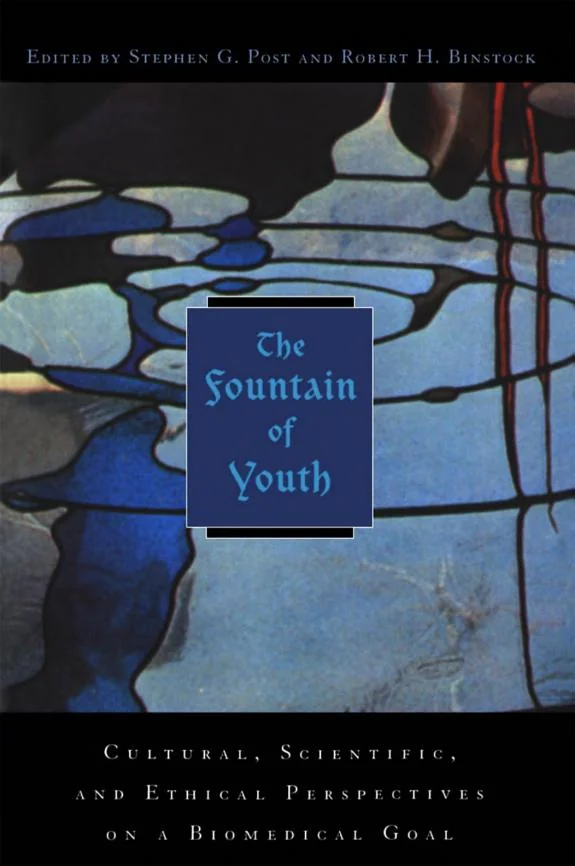
The Fountain of Youth
 79
79

The Fountain of Youth
Post and Binstock's "The Fountain of Youth" provides a much-needed dose of critical realism to the often-hyped discourse surrounding anti-aging. The authors meticulously unpack the historical trajectory of humanity's desire to cheat death, tracing it from ancient myths to the burgeoning commercial enterprises of the early 21st century. A significant strength lies in their clear delineation between legitimate scientific inquiry into aging and the predatory practices of charlatans who prey on the vulnerable. Their analysis of the economic and psychological drivers behind the anti-aging industry is particularly sharp. However, the book occasionally leans heavily on academic terminology, which might present a barrier for a general audience seeking straightforward answers. The discussion of cellular injections, for instance, could benefit from more accessible explanations of the underlying biological mechanisms. Despite this, "The Fountain of Youth" serves as an essential, sobering examination of a persistent human obsession.
📝 Description
79
First published in 2004, The Fountain of Youth critically examines the human drive for extended life.
Stephen G. Post and Robert H. Binstock's The Fountain of Youth dissects humanity's ongoing pursuit of longevity and age reversal. The book traces historical and modern efforts to prolong life, from alchemy to biotechnology, analyzing the motivations, methods, and often deceptive claims made by those who capitalize on the fear of death. It examines how science, pseudoscience, and commerce intersect within the anti-aging industry.
The authors investigate the cultural history surrounding mortality and the ethical quandaries of life extension. They also look at the psychological reasons behind our desire to overcome natural aging. The work is aimed at readers interested in gerontology, philosophy, and sociology, and especially those wary of the commercial anti-aging market. It provides a measured, evidence-based view, free from sensationalism, for anyone curious about the quest for youth and extended life.
While not strictly an esoteric text, this book engages with themes that have long occupied esoteric traditions: the quest for immortality and the manipulation of natural life cycles. Ancient alchemical searches for elixirs of life and myths of rejuvenation are historical touchstones. Post and Binstock place these age-old desires against the backdrop of modern science and commerce, highlighting how the fundamental human yearning to transcend mortality persists, albeit through new scientific and market-driven avenues.
💡 Why Read This Book?
• Learn to distinguish between scientific gerontology and pseudoscientific claims about aging, as evidenced by the book's detailed analysis of interventions proposed since the early 2000s. • Understand the historical roots of life-extension desires, from ancient alchemical quests to the specific 16th-century explorations that fueled the myth of the Fountain of Youth. • Gain a critical perspective on the anti-aging market, recognizing the economic and psychological factors that enable entrepreneurs to exploit fears surrounding mortality.
⭐ Reader Reviews
Honest opinions from readers who have explored this book.
❓ Frequently Asked Questions
When was 'The Fountain of Youth' by Post and Binstock first published?
Stephen G. Post and Robert H. Binstock's "The Fountain of Youth" was first published on April 8, 2004, offering a critical look at anti-aging pursuits during a period of rapid biotechnological advancement.
What is biogerontology as discussed in the book?
Biogerontology, as examined in the book, is the scientific study of the aging process at a biological level, focusing on understanding its mechanisms and potential interventions, distinct from unproven or speculative methods.
Does the book endorse any specific anti-aging treatments?
No, the book takes a critical stance and does not endorse specific anti-aging treatments. Instead, it aims to educate readers on how to evaluate claims critically and identify potentially fraudulent practices.
What historical examples of life extension quests are mentioned?
The book references historical quests such as ancient Egyptian mummification, medieval alchemy's pursuit of the Philosopher's Stone, and the 16th-century legend of Ponce de León's search for the Fountain of Youth.
Who are the primary authors of 'The Fountain of Youth'?
The primary authors are Stephen G. Post and Robert H. Binstock. Post is a noted bioethicist and gerontologist, while Binstock is also a recognized scholar in aging studies.
What is the central argument regarding the anti-aging industry?
The central argument is that the anti-aging industry often exploits public anxieties about mortality and aging, frequently promoting unproven or fraudulent products and practices for significant profit.
🔮 Key Themes & Symbolism
The Alchemy of Longevity
This theme traces the enduring human desire to transcend natural lifespans, viewing it through the lens of historical 'alchemical' pursuits. It examines how ancient practices, from elixir concoctions to mystical rituals aimed at achieving immortality, laid the groundwork for modern anti-aging ideologies. The book scrutinizes the persistent belief in magical or quasi-scientific solutions, highlighting the psychological allure of reversing or halting biological decay, a pursuit as old as civilization itself.
The Business of Bafflement
Post and Binstock dissect the commercialization of the fear of aging. This theme focuses on how entrepreneurs and charlatans have historically and contemporaneously profited from public anxieties and misinformation. It explores the tactics used to market unproven therapies, supplements, and procedures, often preying on the uninformed and creating a market built on hope and apprehension rather than scientific evidence. The work exposes the ethical quagmire of this multi-billion dollar industry.
Biogerontology vs. Myth
This theme establishes a crucial distinction between the scientific study of aging (biogerontology) and speculative or mythical approaches to life extension. It contrasts rigorous scientific research into cellular senescence and genetic factors with enduring myths like the Fountain of Youth. The book emphasizes the importance of evidence-based understanding, critically evaluating proposed interventions against established biological principles, and challenging unsubstantiated claims.
The Ethics of Extended Life
Beyond the physical quest, the book touches upon the profound ethical and societal implications of significantly extending human life. It prompts reflection on the potential consequences for social structures, resource allocation, and the very definition of a human life cycle. By examining the 'why' behind the quest, the authors implicitly address the moral questions surrounding the pursuit of immortality and its potential impact on the collective human experience.
💬 Memorable Quotes
Direct passages from the work, attributed to the author.
“Charlatans, quacks, and entrepreneurs proffering anti-aging products and practices have always exploited uniformed customers.”
— This statement directly addresses the exploitative nature of the anti-aging industry, highlighting how fear and lack of knowledge are leveraged for profit by those offering unproven remedies.
“A wide variety of ambitions and measures to slow, stop, and reverse phenomena associated with aging have been part of human culture since early civilization.”
— This points to the deep historical roots of the desire for longevity, framing it not as a modern obsession but as a continuous thread woven through human history and culture.
“From alchemy to cell injections to dietary supplements, the list of techniques aimed at altering the processes of aging continues to expand.”
— This illustrates the diverse and ever-growing spectrum of methods humanity has employed in its quest to combat aging, spanning from ancient mystical practices to contemporary scientific and commercial ventures.
“The work explores the tension between genuine scientific inquiry into aging and speculative or pseudoscientific claims.”
— This highlights the book's critical approach, emphasizing its role in differentiating between evidence-based research in gerontology and the multitude of unverified or fraudulent claims circulating in the anti-aging market.
“The authors investigate the psychological and economic motivations behind the anti-aging industry.”
— This captures the book's analytical depth, suggesting an examination not just of the 'how' but the 'why' of anti-aging pursuits, including the financial incentives and human desires that fuel them.
🌙 Esoteric Significance
Tradition
While not strictly adhering to a single esoteric lineage, the book engages with the perennial human quest for immortality that underlies many mystical traditions. It examines the archetypal desire for transformation and transcendence, often found in Hermetic, alchemical, and Gnostic thought, but grounds its analysis in historical and scientific scrutiny rather than occult doctrine. It acts as a critical lens, separating genuine philosophical inquiry into mortality from the commercial exploitation of these deep-seated desires.
Symbolism
The central symbol is the 'Fountain of Youth' itself, representing the ultimate, often illusory, promise of eternal life and rejuvenation. The book also implicitly references alchemical symbolism through its discussion of transformation and the pursuit of 'elixirs' of life. Other motifs include the contrast between the 'natural' cycle of aging and the 'artificial' interventions proposed, symbolizing the tension between organic existence and technological or magical attempts to subvert it.
Modern Relevance
In an era dominated by CRISPR technology, advanced regenerative medicine, and biohacking, Post and Binstock's critical framework remains highly relevant. Contemporary thinkers and practitioners in transhumanism and longevity science, while pursuing technologically advanced life extension, can benefit from the book's historical perspective and ethical warnings. It serves as a cautionary guide for those reading through the complex field of modern anti-aging research and its commercial applications, reminding them of the historical pitfalls.
👥 Who Should Read This Book
• Skeptical consumers researching anti-aging products and treatments, seeking to understand the science versus marketing claims. • Students of sociology and cultural history interested in the persistent human obsession with mortality and longevity across different eras. • Bioethicists and philosophers examining the ethical dilemmas and societal impacts of potential life-extension technologies.
📜 Historical Context
Published in 2004, "The Fountain of Youth" emerged during a period of burgeoning interest in genetic engineering and advanced pharmaceuticals, fueling both scientific optimism and commercial hype around life extension. The early 21st century saw a significant expansion of the anti-aging industry, with numerous companies marketing supplements, therapies, and lifestyle programs. This followed decades of scientific progress in gerontology, a field that gained momentum in the mid-20th century with researchers like Dr. Nathan Shock pioneering the study of aging's biological mechanisms. Post and Binstock's work provided a critical counterpoint to the often-unsubstantiated claims prevalent at the time, engaging with the ethical considerations raised by figures like bioethicist Leon R. Kass, who also questioned the desirability of radical life extension. The book's reception highlighted a societal debate about the scientific feasibility versus the cultural mythology surrounding immortality.
📔 Journal Prompts
The historical pursuit of life extension, from alchemy to modern supplements.
The marketing tactics employed by the anti-aging industry.
The ethical considerations of significantly extending human lifespan.
Distinguishing biogerontology from pseudoscientific claims.
The enduring myth of the Fountain of Youth.
🗂️ Glossary
Biogerontology
The scientific study of the aging process at a biological level, investigating its mechanisms, causes, and potential interventions.
Alchemy
An ancient practice involving the transmutation of matter, often associated with the search for the Philosopher's Stone and the elixir of life.
Elixir of Life
A legendary potion said to grant immortality or eternal youth, a central concept in historical alchemical pursuits.
Cellular Injection
A proposed medical or cosmetic treatment involving the administration of cells, often aimed at regeneration or rejuvenation, whose efficacy is frequently debated.
Dietary Supplements
Products intended to supplement the diet, often containing vitamins, minerals, herbs, or other substances, frequently marketed for anti-aging benefits.
Charlatan
A person who pretends to have knowledge or skills they do not possess, especially to deceive others for personal gain; a quack.
Gerontology
The scientific study of old age, the process of aging, and particularly the particular problems of people. Biogerontology is a subfield focused on the biological aspects.
This book appears in 1 collection
🔮 Readers Also Liked
Browse all →







From the “Fountain of Youth” Collection
View all →





More Free Occult Philosophy Books
View all →