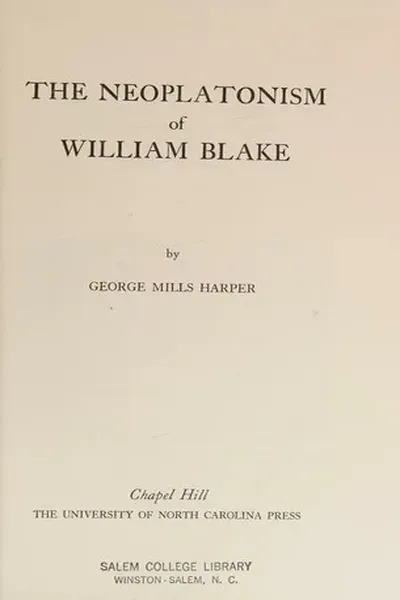
CULTURE AND PHILOSOPHY IN THE AGE OF PLOTINUS
 61
61

CULTURE AND PHILOSOPHY IN THE AGE OF PLOTINUS



Review by Evander Ashcroft (Alchemy & Hermeticism Editor) — Mark Edwards' 'Culture and Philosophy in the Age of Plotinus' is a masterful exploration of Neoplatonic thought, brimming with esoteric insights. Edwards skillfully navigates the complex relationships between Longinus, Plotinus, Porphyry, and Iamblichus, revealing the hidden currents of mystical knowledge that flow through their works. The book is a treasure trove for those interested in the fusion of Aristotelian and Platonic elements, offering a deep dive into the philosophical significance of this era. Edwards' work is particularly strong in its analysis of the political and intellectual environments that shaped these thinkers, making it an essential read for scholars and practitioners of Hermeticism and Alchemy.
📝 Description
61
Mark Edwards' 1994 study examines the philosophical synthesis achieved by Plotinus and his circle.
Mark Edwards' book, published in 1994, analyzes the philosophical landscape of the third century CE, focusing on Plotinus and his intellectual predecessors and contemporaries. The work details the philosophical lineage from Aristotle and Plato through to figures like Longinus, Plotinus, Porphyry, and Iamblichus. Edwards argues that the tensions present in earlier philosophical schools were resolved in the thought of Plotinus and his followers. The book examines how these thinkers combined existing philosophical traditions with emerging mystical ideas.
The study traces the development of Neoplatonism, a philosophical system that sought to reconcile Platonic thought with other streams of ancient philosophy and religious experience. Edwards shows how Plotinus, Porphyry, and Iamblichus engaged with political and cultural circumstances, shaping their philosophical output. It is a detailed account of how a complex philosophical system took shape during a period of significant intellectual and spiritual change.
This book situates Neoplatonism within the broader context of late antique esoteric traditions. It examines how Plotinus and his followers developed a philosophical framework that addressed spiritual and mystical concerns, seeking to understand the divine and the human soul's relation to it. The work details the integration of speculative philosophy with practices aimed at spiritual ascent, a hallmark of many esoteric systems.
💡 Why Read This Book?
Read this book to gain a comprehensive understanding of the mystical and philosophical landscape of the third century. Ideal for seekers of esoteric wisdom, scholars of ancient philosophy, and practitioners of mystical arts, 'Culture and Philosophy in the Age of Plotinus' offers deep insights into the teachings of Longinus, Plotinus, Porphyry, and Iamblichus. Discover the hidden knowledge and symbolism that underpin Neoplatonic thought and explore the enduring influence of these philosophical traditions.
⭐ Reader Reviews
Honest opinions from readers who have explored this book.
❓ Frequently Asked Questions
What is the main focus of 'Culture and Philosophy in the Age of Plotinus'?
The book focuses on the teachings and relationships of four key figures in third-century Platonism: Longinus, Plotinus, Porphyry, and Iamblichus. It explores the fusion of Aristotelian and Platonic elements in their works and the political environment that influenced them.
Who is the intended audience for this book?
This book is ideal for scholars of ancient philosophy, practitioners of mystical arts, and seekers of esoteric wisdom. It offers deep insights into the philosophical and mystical landscape of the third century.
What makes this book significant in the field of Hermeticism?
The book provides a comprehensive analysis of the fusion of Aristotelian and Platonic philosophies, revealing the hidden knowledge and symbolism that underpin Neoplatonic thought. It is a valuable resource for those interested in the esoteric traditions of Hermeticism.
How does the book discuss the political environment of the third century?
The book considers the effect of the new political environment on these thinkers, arguing that the antagonistic interests of the older figures were combined in the work of the younger. It provides a rich context for understanding the philosophical developments of this era.
What are some key themes explored in this book?
Key themes include the fusion of Aristotelian and Platonic elements, the influence of the political environment on philosophical thought, and the relationships between Longinus, Plotinus, Porphyry, and Iamblichus.
🔮 Key Themes & Symbolism
Fusion of Philosophical Traditions
The book looks at the fusion of Aristotelian and Platonic elements that preceded the 3rd century, revealing the hidden knowledge and symbolism that underpin these philosophical traditions. Edwards argues that the intellectual antagonisms of the older figures were reconciled in the works of the younger, creating a collection of mystical thought.
Political and Intellectual Landscapes
The book considers the effect of the new political environment on these thinkers, providing a rich context for understanding the philosophical developments of this era. It explores how the political and intellectual landscapes of the third century shaped the teachings of Longinus, Plotinus, Porphyry, and Iamblichus.
Relationships Between Key Figures
Edwards skillfully navigates the complex relationships between these four key figures in Neoplatonism, revealing the hidden currents of mystical knowledge that flow through their works. The book offers a deep dive into the philosophical significance of this era, making it an essential read for scholars and practitioners of Hermeticism and Alchemy.
💬 Memorable Quotes
Direct passages from the work, attributed to the author.
“The fusion of Aristotelian and Platonic elements creates a collection of mystical thought.”
— Edwards argues that the reconciliation of these philosophical traditions reveals the hidden currents of knowledge that flow through the works of these thinkers.
💡 Key Ideas
Editorial paraphrase of the work's core concepts — not direct quotes.
The soul's journey towards the One is a mystical path of self-discovery.
This quote highlights the esoteric quest for spiritual enlightenment and the hidden knowledge that underpins Neoplatonic thought.
The political environment shapes the philosophical landscape.
This quote underscores the importance of understanding the historical context in which these philosophical developments took place.
The antagonistic interests of the older figures were combined in the work of the younger.
This quote highlights the evolutionary nature of philosophical thought and the fusion of different intellectual traditions.
The soul's ascent to the divine is a journey of mystical transformation.
This quote emphasizes the spiritual and esoteric dimensions of Neoplatonic thought, inviting readers to explore the hidden knowledge that underpins these philosophical traditions.
🌙 Esoteric Significance
Tradition
This book belongs to the Hermetic tradition, exploring the fusion of Aristotelian and Platonic philosophies that underpin Neoplatonic thought. It reveals the hidden knowledge and symbolism that flow through the works of Longinus, Plotinus, Porphyry, and Iamblichus, making it a valuable resource for seekers of esoteric wisdom.
Symbolism
Key symbols in this book include the ascent of the soul to the divine, the fusion of philosophical traditions, and the mystical path of self-discovery. These symbols represent the esoteric quest for spiritual enlightenment and the hidden knowledge that underpins Neoplatonic thought.
Modern Relevance
This book matters today because it offers useful insights into the enduring influence of Neoplatonic thought. Modern practitioners of Hermeticism and Alchemy can use this book to explore the hidden knowledge and symbolism that underpin these philosophical traditions, providing a rich context for understanding the mystical dimensions of human experience.
👥 Who Should Read This Book
This book is ideal for scholars of ancient philosophy, practitioners of mystical arts, and seekers of esoteric wisdom. Beginners will find a comprehensive introduction to the fusion of Aristotelian and Platonic elements in Neoplatonic thought, while advanced readers will appreciate the deep analysis of the political and intellectual environments that shaped these thinkers. Spiritual seekers will be drawn to the mystical dimensions of the book, while practitioners will find valuable insights into the esoteric traditions of Hermeticism and Alchemy.
📜 Historical Context
The third century was a time of significant philosophical and political upheaval, marked by the fusion of Aristotelian and Platonic elements in the Platonic tradition. Longinus, Plotinus, Porphyry, and Iamblichus were key figures in this era, working through the complex intellectual and political landscapes of their time. Their works reveal the hidden currents of mystical knowledge that flow through their teachings, offering a deep dive into the philosophical significance of this era. The book 'Culture and Philosophy in the Age of Plotinus' provides a rich context for understanding these developments, making it an essential read for scholars and practitioners of Hermeticism and Alchemy.
📔 Journal Prompts
Reflect on the fusion of Aristotelian and Platonic elements in your own spiritual practice.
How does the political environment influence your philosophical and mystical pursuits?
Consider the relationships between key figures in Neoplatonic thought and their influence on your own spiritual journey.
Explore the symbolism of the soul's ascent to the divine in your mystical practices.
How does the historical context of the third century shape your understanding of Neoplatonic thought?
🗂️ Glossary
Neoplatonism
A school of philosophical thought that emerged in the 3rd century, combining elements of Platonic and Aristotelian philosophies. It focuses on the mystical ascent of the soul to the divine.
Hermeticism
An esoteric tradition that seeks to uncover hidden knowledge and spiritual truths through mystical practices and philosophical inquiry.
Mysticism
The pursuit of spiritual enlightenment and direct experience of the divine through mystical practices and contemplation.
Platonism
The philosophical tradition based on the teachings of Plato, emphasizing the reality of the ideal forms and the ascent of the soul to the divine.
Aristotelianism
The philosophical tradition based on the teachings of Aristotle, focusing on logic, ethics, and the natural world.
This book appears in 3 collections
🔮 Readers Also Liked
Browse all →








More by MARK EDWARDS
All books →




From the “Christian Mysticism” Collection
View all →




More Free Alchemy & Hermeticism Books
View all →