The Drawing of the Three

 78
78

The Drawing of the Three
Stephen King's *The Drawing of the Three* succeeds where *The Gunslinger* sometimes faltered: accessibility and character investment. The introduction of Eddie Dean and Odetta Holmes/ Detta Walker (who later merge into Susannah Dean) provides Roland with much-needed human connection and foils his stoic, almost alien demeanor. King’s prose here feels more assured, particularly in the visceral depiction of Eddie’s withdrawal from heroin addiction, a starkly realistic element juxtaposed against the fantastical quest. The narrative structure, with its alternating storylines, keeps the momentum high, a welcome change from the more singular focus of the first book. However, the novel occasionally leans on King's characteristic dialogue quirks, which, while familiar to fans, can sometimes feel a touch too anachronistic or self-referential. Despite this minor quibble, the book is a vital, dynamic expansion of the Dark Tower mythos, compellingly setting the stage for future volumes. It confirms King's ambition to craft a saga that transcends genre boundaries.
📝 Description
78
Published in 1987, The Drawing of the Three reshaped Stephen King's Dark Tower series by introducing parallel worlds and new characters.
The Drawing of the Three, the second book in Stephen King's Dark Tower series, picks up after Roland Deschain's lonely quest in The Gunslinger. Published in 1987, this installment shifts focus to Roland's need for companions. He finds himself in a strange New York City, where he must draw three people from our world into his own. These individuals are Eddie Dean, a heroin addict, and Odetta Holmes, a civil rights activist from the 1960s. Through a unique narrative structure, King presents their separate stories before they converge and their destinies intertwine.
The book expands the mythology of the Dark Tower considerably. It introduces the concept of doors that act as portals between different realities and times. This allows King to explore themes of addiction, trauma, and destiny through the new characters. The narrative is divided into three distinct parts, each following one of the drawn individuals. This approach gives the series more momentum and character depth than its predecessor.
This novel draws from archetypal fantasy narratives where heroes must gather allies to confront overwhelming odds. The concept of drawing individuals from different realities echoes themes found in portal fantasy and mythic journeys, where disparate elements are brought together for a singular purpose. King's specific use of characters from distinct historical periods and social circumstances within our own world adds a unique layer, suggesting that the 'wyrd' or fate of the Dark Tower is woven from threads across time and human experience.
💡 Why Read This Book?
• Learn about the concept of 'drawing' individuals from other realities, a cornerstone of fate-driven destiny in King's cosmology, as Roland summons his ka-tet. • Experience the literary technique of parallel narrative threads, as seen in the distinct storylines of Roland, Eddie Dean, and Odetta Holmes, to understand how King builds suspense across worlds. • Witness the thematic exploration of addiction and recovery, particularly through Eddie Dean’s harrowing withdrawal, providing a grounded, human element amidst surreal events.
⭐ Reader Reviews
Honest opinions from readers who have explored this book.
❓ Frequently Asked Questions
When was The Drawing of the Three first published?
The Drawing of the Three was first published in 1987, marking the second major release in Stephen King's ambitious Dark Tower series.
What is the primary purpose of Eddie Dean and Odetta Holmes in the story?
Eddie Dean and Odetta Holmes are drawn by Roland to become members of his ka-tet, essential companions for his quest to reach the Dark Tower, bringing diverse skills and perspectives.
Does The Drawing of the Three connect to other Stephen King books?
Yes, The Drawing of the Three, like the entire Dark Tower series, is filled with subtle and overt connections to other works by Stephen King, referencing characters and events from his broader fictional universe.
What is the 'Doorway' concept in The Drawing of the Three?
The 'Doors' in the novel are magical portals that Roland uses to travel through time and space, and critically, to draw Eddie Dean and Odetta Holmes from their respective realities into his own.
How does this book differ from The Gunslinger?
The Drawing of the Three shifts focus from Roland's solitary journey to introducing and developing his future companions, Eddie Dean and Odetta Holmes, and features a more complex, multi-threaded narrative structure.
What kind of esoteric themes are present in The Drawing of the Three?
Esoteric themes include destiny (ka), the summoning of companions for a great quest, the manipulation of reality through psychic powers, and the interconnectedness of different worlds and timelines.
🔮 Key Themes & Symbolism
Destiny and the Ka-tet
The novel deeply explores the concept of 'ka,' a form of destiny or fate central to the Dark Tower series. Roland is driven by his destiny to reach the Tower, and the 'drawing' of Eddie Dean and Odetta Holmes illustrates how individuals are brought together by this force to fulfill their roles. The formation of Roland's ka-tet, his group of companions, is presented not as coincidence but as a predetermined necessity for the success of his quest. This theme suggests a universe where individual lives are threads in a larger, cosmic pattern, all moving towards a singular, significant end.
Interdimensional Travel and Reality Folding
Central to the plot is the mechanism of 'Doors' that allow passage between different worlds and times. This concept positions the narrative within the area of portal fantasy and cosmic horror, where the boundaries of reality are permeable. The act of 'drawing' individuals from Earth into Roland's world highlights the vulnerability and interconnectedness of different planes of existence. The book posits that these realities can overlap and influence each other, suggesting a larger multiverse governed by arcane laws and forces beyond human comprehension.
The Nature of Identity and Merging Selves
The character of Odetta Holmes, who later merges with Detta Walker to become Susannah Dean, introduces a profound exploration of fractured identity. Odetta suffers from Dissociative Identity Disorder, a psychological condition exacerbated by trauma. Her eventual integration with Detta, a more aggressive and self-serving personality, into the singular Susannah Dean, represents a complex psychological journey. This theme touches upon the esoteric idea of integrating disparate aspects of the self to achieve wholeness, a common goal in many spiritual and mystical traditions.
Addiction as a Form of Enslavement
The portrayal of Eddie Dean's severe heroin addiction serves as a stark, grounded element within the fantastical narrative. His withdrawal is depicted with harrowing realism, illustrating addiction as a powerful force that enslaves the mind and body. This can be interpreted esoterically as a form of spiritual bondage, where an external substance or craving dictates one's reality and hinders progress towards higher goals. Roland's manipulation of Eddie's withdrawal to secure his cooperation highlights the complex moral range of the quest.
💬 Memorable Quotes
Direct passages from the work, attributed to the author.
“The Man in Black fled across the desert, and the gunslinger followed.”
— This iconic opening line from the previous book, *The Gunslinger*, is implicitly referenced by the continuation of Roland's quest. It establishes the relentless pursuit and the central conflict that drives the series forward, setting a tone of unending journey.
“I have come for you, Eddie Dean. I have come for you, Odetta Holmes. I have come for you, Detta Walker.”
— This statement embodies the core action of the book: Roland's deliberate summoning of his future companions. It signifies the intervention of destiny and the initiation of their shared, fated journey towards the Dark Tower.
“The door opened and Eddie came through.”
— This simple, declarative sentence marks the important moment of transition for Eddie Dean. It symbolizes his crossing from his familiar, albeit troubled, reality into the alien and dangerous world of Roland Deschain.
💡 Key Ideas
Editorial paraphrase of the work's core concepts — not direct quotes.
So, you’re the gunslinger. You’re Roland. You’re the one who’s coming for me.
This paraphrase captures Eddie Dean's initial realization and fear upon encountering Roland. It highlights the preordained nature of their meeting and Eddie's dawning awareness that his life is about to be irrevocably changed by this stranger.
You are Odetta Suzanne Holmes. You are Detta Veronica Walker. You are Susannah Dean.
This paraphrase represents the moment of psychological integration for the character. It signifies the merging of her distinct personalities into a unified self, a crucial step in her development and readiness for the quest.
🌙 Esoteric Significance
Tradition
While not overtly tied to a single esoteric tradition, *The Drawing of the Three* draws heavily on concepts found in Western esotericism, particularly those concerning destiny, synchronicity, and the nature of the soul. The idea of 'ka' and the formation of a 'ka-tet' (a group bound by destiny) echoes Gnostic and Hermetic notions of spiritual companions necessary for a perilous journey of initiation. The summoning of individuals from different realities can be seen as a manifestation of Jungian synchronicity, where meaningful coincidences guide individuals towards their true path.
Symbolism
The 'Doors' serve as potent symbols of transition and passage between different states of being or realities, akin to thresholds in alchemical transformation or shamanic journeys. Eddie Dean's struggle with heroin addiction symbolizes the bondage of worldly attachments and the need for purification before beginning a higher quest. The merging of Odetta Holmes and Detta Walker into Susannah Dean represents the alchemical process of integrating the shadow self with the conscious personality to achieve a more complete and functional whole.
Modern Relevance
Contemporary explorations of multiverse theory in science fiction and fantasy often echo the structural and thematic elements present in *The Drawing of the Three*. Authors and creators exploring themes of interconnectedness, alternate realities, and the idea of fated encounters find resonance in King's depiction of drawn ka-tets. Furthermore, psychological discussions on identity, trauma, and integration continue to find parallels in the character arc of Susannah Dean, making the novel relevant to modern understandings of the human psyche within a grander, possibly mystical, framework.
👥 Who Should Read This Book
• Students of narrative structure and genre blending: Readers interested in how authors like Stephen King combine elements of Western, fantasy, and psychological horror to create unique narrative experiences. • Seekers of archetypal journeys: Individuals drawn to stories featuring a reluctant hero, the formation of a fellowship, and a quest against overwhelming cosmic odds. • Explorers of psychological depth in fantasy: Readers who appreciate character-driven narratives that examine themes of trauma, addiction, and the integration of fragmented identities within a fantastical context.
📜 Historical Context
Stephen King's *The Drawing of the Three*, released in 1987, arrived as the author cemented his status as a literary phenomenon, branching out from pure horror into more expansive, genre-defying narratives. The Dark Tower series, initiated with *The Gunslinger* in 1982, represented a deeply personal and ambitious project for King, drawing influences from J.R.R. Tolkien's *The Lord of the Rings*, Robert Browning's poem 'Childe Roland to the Dark Tower Came,' and Sergio Leone's Spaghetti Westerns. While King was already a household name, works like *It* (1986) and *Misery* (1987) showcased his versatility. *The Drawing of the Three* addressed criticisms of its predecessor's pacing by introducing multiple protagonists and parallel plotlines, a structure that mirrored the multi-narrative approaches becoming popular in speculative fiction. King's willingness to blend Western tropes with high fantasy and psychological elements distinguished his work from more traditional fantasy authors of the era, such as the then-dominant figures in the sword-and-sorcery subgenre.
📔 Journal Prompts
Roland's persistent pursuit of the Man in Black across the desert.
The 'drawing' of Eddie Dean from his Earthly struggles.
Odetta Holmes's dual consciousness and its eventual unification.
The symbolic significance of the Doors through which Roland travels.
Eddie's harrowing withdrawal from heroin and its narrative function.
🗂️ Glossary
Ka
A fundamental concept in the Dark Tower series, representing destiny, fate, or the overarching will that guides events and individuals towards their ultimate purpose.
Ka-tet
A group of individuals bound together by destiny (ka) who are meant to fulfill a shared purpose. Roland's ka-tet is crucial for his quest to reach the Dark Tower.
Doorways
Magical portals within the narrative that allow for travel between different times, places, and even different worlds, central to Roland's ability to summon his companions.
Breakers
Individuals with psychic abilities who are enslaved and forced by the Crimson King's forces to use their powers to destroy the magical Beams that hold reality together.
Gunslinger
Refers to Roland Deschain, the protagonist of the Dark Tower series, a warrior from a dying world trained in the use of advanced firearms and possessing unique skills.
Lower Manhattan
A geographical setting from which Eddie Dean and Odetta Holmes are drawn. It represents the contemporary Earth of the late 20th century, contrasting sharply with Roland's desolate world.
The Crimson King
The primary antagonist of the Dark Tower series, a powerful entity seeking to destroy the Dark Tower and unravel all realities.
🔮 Readers Also Liked
Browse all →







More by Stephen King
All books →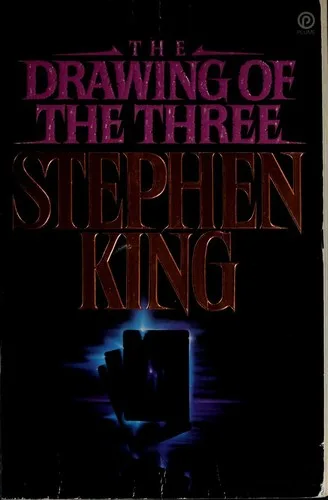

More Free Occult Philosophy Books
View all →