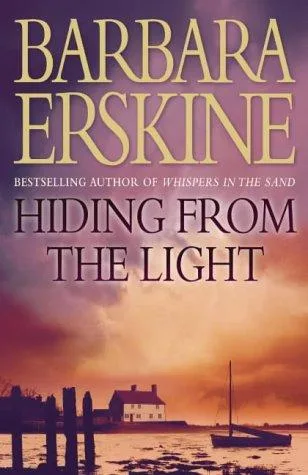
Hiding from the Light
 76
76

Hiding from the Light
Barbara Erskine's Hiding from the Light offers a potent exploration of how the past refuses to remain buried. The narrative’s strength lies in its atmospheric dread, masterfully building a sense of unease without resorting to cheap scares. Erskine excels at portraying characters haunted not just by ghosts, but by their own memories and the weight of inherited trauma. A particular passage detailing the oppressive atmosphere of an old house, described as 'breathing with the past,' captures this effectively.
However, the very interconnectedness of the narratives, while ambitious, can sometimes lead to a slightly convoluted feel, demanding close attention from the reader. The subtlety that marks its greatest successes occasionally verges on opacity, leaving some threads feeling less resolved than they might have been.
Read more ↓
Ultimately, Hiding from the Light is a compelling, if demanding, study of lingering shadows, both literal and metaphorical.
📝 Description
76
Barbara Erskine's 2009 novel, Hiding from the Light, examines how past traumas haunt the present.
Hiding from the Light is a 2009 novel by Barbara Erskine that weaves together elements of the supernatural and the psychological. The narrative is not linear, but rather a tapestry of interconnected events that demonstrate the lasting impact of history on contemporary lives. Erskine crafts a story for readers who enjoy fiction with psychological depth, especially those drawn to how unresolved past events and trauma can manifest in uncanny or spectral ways. The book appeals to those comfortable with unsettling subjects and who appreciate narratives that suggest more than they directly reveal.
The novel emerged in 2009, a time when gothic and supernatural fiction maintained a strong readership. Erskine's approach often shares common ground with authors like Susan Hill, who also depicted haunted settings and lingering presences. However, Erskine frequently adds a more intense, psychological dimension to her work. The story is built around the idea of psychic residue, where significant emotional experiences leave a lasting impression on places and objects. It also scrutinizes the porous boundary between sanity and delusion, the subjective nature of perception, and the ways ancestral legacies can influence an individual's fate across generations.
Erskine's work engages with the concept of psychic residue, a notion found in various occult traditions where strong emotions or events imprint themselves on locations or objects. This idea connects to hauntings and the persistence of the past. The novel also touches on the subjective nature of reality and the influence of ancestral karma or generational patterns, themes explored in occultism and esoteric psychology. The blurred lines between sanity and madness, and the idea that perception can be altered by unseen forces, are common threads in literature dealing with the occult and the uncanny.
💡 Why Read This Book?
• Understand the concept of 'psychic residue' as it manifests in locations and objects, offering a tangible way to view historical trauma. • Experience how Erskine constructs atmospheric tension through subjective perception, learning techniques for creating unease without overt supernatural events. • Explore the thematic link between ancestral burdens and present-day destiny, a concept that resonates in contemporary discussions of inherited trauma.
⭐ Reader Reviews
Honest opinions from readers who have explored this book.
❓ Frequently Asked Questions
What is the primary genre of Barbara Erskine's Hiding from the Light?
Hiding from the Light is primarily a supernatural suspense novel with strong gothic and psychological horror elements. It explores themes of hauntings, trauma, and the lingering effects of the past.
When was Hiding from the Light first published?
Barbara Erskine's Hiding from the Light was first published in 2009.
Does Hiding from the Light focus on a single protagonist?
No, the novel often employs multiple perspectives and interwoven storylines, reflecting how different individuals can experience or be affected by the same haunted phenomena or past events.
What kind of atmosphere does the book create?
The book cultivates an atmosphere of pervasive dread and psychological unease. It uses descriptions of old houses, unsettling coincidences, and characters' internal struggles to build suspense.
Are there specific historical periods referenced in Hiding from the Light?
Yes, the narrative often draws upon different historical periods to illustrate how past events, such as those from the Victorian era or earlier, continue to influence the present.
Is Hiding from the Light considered a traditional ghost story?
While it features supernatural elements and hauntings, it moves beyond a traditional ghost story by deeply integrating psychological trauma and the subjective experience of its characters into the narrative.
🔮 Key Themes & Symbolism
Psychic Residue and Environmental Hauntings
The novel posits that intense emotional events can leave an imprint on physical spaces, creating 'psychic residue.' This isn't merely about ghosts but about locations themselves becoming imbued with the past's suffering or trauma. Erskine explores how these residual energies can affect sensitive individuals, manifesting as unexplained phenomena or overwhelming emotional states. The architecture and history of old buildings, like the settings often depicted, become active participants in the haunting, absorbing and replaying moments of distress.
Inherited Trauma and Generational Curses
A significant theme is the way trauma can be passed down through generations, not as memories but as a palpable burden. Characters find themselves inexplicably drawn to certain places or repeating patterns of behavior that echo the suffering of their ancestors. The book suggests that unresolved historical pain can create a form of generational curse, influencing relationships, mental health, and life trajectories for those unaware of their ancestral legacy.
Subjectivity of Perception and Reality
Erskine masterfully blurs the lines between objective reality and subjective experience. What one character perceives as a supernatural event, another might dismiss as delusion or coincidence. This ambiguity forces the reader to question the nature of the hauntings. Is it truly the supernatural, or the result of deeply buried psychological issues manifesting externally? The narrative plays on this uncertainty, making the internal range of the characters as significant as any external spectral presence.
The Light and the Shadow Within
The title itself, 'Hiding from the Light,' suggests a core conflict between confronting truth and retreating into darkness, both literally and metaphorically. Characters may attempt to suppress painful memories or ignore unsettling truths, but the past, like a persistent shadow, inevitably resurfaces. The novel explores the human tendency to avoid painful self-reflection or the acknowledgment of dark histories, and the consequences of such evasion.
💬 Memorable Quotes
Direct passages from the work, attributed to the author.
“The house seemed to exhale the sorrow of centuries.”
— This phrase expresses the concept of psychic residue, suggesting that a location can absorb and passively emanate the intense emotions of its past inhabitants, creating an oppressive atmosphere.
“She carried the weight of her mother's unspoken fears.”
— This speaks to the theme of inherited trauma, illustrating how the emotional burdens and unresolved anxieties of one generation can unconsciously affect the next.
“Was it a ghost, or just the wind playing tricks on her mind?”
— This highlights the subjective nature of perception central to the book, questioning whether the phenomena are external supernatural events or internal psychological projections.
“The past was a shadow that lengthened with the setting sun.”
— A metaphorical statement on the persistent and often inescapable influence of history and past events on the present, particularly as acknowledged or confronted.
“Some doors, once opened, could never be fully closed.”
— This suggests that certain revelations, traumas, or connections to the supernatural, once experienced, irrevocably change an individual's reality or understanding.
🌙 Esoteric Significance
Tradition
While not strictly adhering to a single esoteric lineage, Hiding from the Light draws heavily from the Western esoteric tradition's interest in psychic phenomena, hauntings, and the power of place. It touches upon concepts akin to psychometry (reading the history of objects) and environmental hauntings found in spiritualist literature and certain occult theories that suggest consciousness can imprint itself upon its surroundings.
Symbolism
The recurring symbol of the old, imposing house functions as a nexus of past trauma and present influence, a common motif in gothic and esoteric literature. Light itself, often absent or obscured, symbolizes truth, awareness, and healing, the very things characters are 'hiding from.' Shadows represent the repressed, the unknown, and the lingering presence of the past, which must be confronted rather than avoided.
Modern Relevance
The novel's exploration of inherited trauma and psychic residue speaks to contemporary interest in ancestral healing, epigenetics, and the psychological impact of historical events. Thinkers and practitioners in fields like depth psychology and eco-spirituality, who examine how environments and past experiences shape us, find elements of Erskine's themes in their own work.
👥 Who Should Read This Book
• Readers interested in psychological suspense and atmospheric horror who appreciate narratives that explore the lingering effects of trauma. • Students of gothic literature and the supernatural genre seeking examples of how classic themes are updated with modern psychological insights. • Individuals drawn to the concept of 'place memory' and how historical events might manifest in tangible ways in the present day.
📜 Historical Context
Barbara Erskine's Hiding from the Light, published in 2009, arrived during a sustained resurgence of interest in supernatural and gothic fiction. This period saw authors like Sarah Waters and Susan Hill continuing to explore haunted settings and psychological suspense, building on a legacy that includes Shirley Jackson and Daphne du Maurier. Erskine's work fits within this milieu, often focusing on the psychological impact of hauntings and the idea that past traumas echo into the present. Unlike the more academic explorations of folklore or demonology that characterized some earlier occult literature, Erskine's approach is deeply character-driven, emphasizing the internal experience of fear and psychological disturbance. The reception of such works in 2009 generally favored their atmospheric qualities and emotional depth, aligning with a broader cultural fascination with the uncanny and the unresolved.
📔 Journal Prompts
The oppressive atmosphere of the old house described in the narrative.
The character's struggle with inherited trauma.
The ambiguity between supernatural events and psychological manifestations.
Moments where characters attempt to suppress or hide from difficult truths.
The symbolic meaning of light and shadow in the book's resolution.
🗂️ Glossary
Psychic Residue
The concept that intense emotional events or traumatic experiences can leave an energetic imprint on a location, object, or person, capable of influencing those who come into contact with it.
Inherited Trauma
The transmission of trauma from one generation to the next, not necessarily through direct experience but through psychological, emotional, or even potentially biological means.
Environmental Haunting
A type of haunting where the location itself, rather than a specific spirit, seems to be the source of supernatural phenomena, often due to past events absorbed by the environment.
Subjective Perception
The way reality is interpreted and experienced based on an individual's personal beliefs, emotions, memories, and mental state, often contrasting with objective reality.
Gothic Atmosphere
A literary style characterized by settings that evoke dread, mystery, and decay, often featuring old buildings, isolation, and a pervasive sense of unease or foreboding.
Ancestral Burden
A metaphorical or literal weight of unresolved issues, suffering, or negative patterns passed down from one's ancestors that can impact present-day life.
Psychic Imprint
Similar to psychic residue, this refers to the mark or effect left by a strong mental or emotional force on the physical world or another consciousness.
🔮 Readers Also Liked
Browse all →









More by Barbara Erskine
All books →





More Free Occult Philosophy Books
View all →