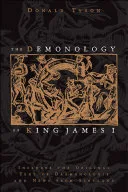
The Demonology of King James I
 81
81

The Demonology of King James I
Donald Tyson's modern rendering of King James I's "Demonology" is a commendable effort to excavate a crucial, albeit grim, historical document. The accessibility Tyson provides is invaluable; the original 1597 text, dense with Jacobean English and theological arguments, often remains a barrier. Tyson's annotations, while not exhaustive, do an admirable job of clarifying difficult passages, particularly concerning the legalistic framing of witchcraft accusations. The inclusion of the anonymous "Disquisition on the Daemonology of King James I" is a significant bonus, offering a contemporary critique. My only reservation lies in the inherent difficulty of sanitizing such a text without diminishing its historical impact; the book’s purpose was, after all, to condemn and persecute. It serves as a stark reminder of the intellectual climate and the profound fear that fueled the witch trials. This edition successfully bridges the linguistic gap, presenting the raw material of historical superstition and royal decree.
📝 Description
81
Donald Tyson's 2003 edition makes King James I's 1597 text on witchcraft accessible.
Donald Tyson's 2003 annotated edition presents King James I's "Demonology" in a modernized format. The original 1597 text, written by the Scottish monarch, examines beliefs and practices surrounding witchcraft and demonic influence in the late 16th century. Tyson's annotations clarify the language and provide historical context, making this significant document understandable for students of the occult and history.
This book is suited for scholars of early modern European history, students of demonology and witchcraft studies, and practitioners of Western esotericism who need primary source material. Readers interested in the intersection of religion, law, and superstition during the Renaissance will find it especially valuable. It also appeals to those who appreciate detailed scholarly notes that illuminate historical texts.
Published in 1597, "Demonology" appeared during a time of witch hunts across Europe and growing interest in the supernatural. The work reflects prevailing Calvinist theology and the legal views on heresy and witchcraft. James, concerned with threats to his rule, wrote this text to justify the persecution of accused witches, influencing legal actions and public sentiment.
King James I's "Demonology" is a key historical text within the study of Western esotericism, specifically concerning the historical perception and persecution of witchcraft. It reflects a period where theological interpretations of the Bible heavily influenced views on the supernatural, demonology, and the perceived reality of magic. The book details a framework for understanding demonic hierarchies and interactions, aligning with a worldview where spiritual forces were considered active participants in earthly affairs. This work is studied for its insight into the mindset that fueled witch trials, a dark chapter in the history of magical beliefs and their social consequences.
💡 Why Read This Book?
• Gain direct insight into the mindset that fueled the European witch trials by engaging with King James I's own arguments and classifications of demonic activity from his 1597 "Demonology." • Understand the specific theological and legal justifications for witch persecution during the late Renaissance, as detailed in the book's examination of "the forme of negromancy." • Access a critical contemporary perspective through the included anonymous "Disquisition," offering a secondary lens on King James's own work.
⭐ Reader Reviews
Honest opinions from readers who have explored this book.
❓ Frequently Asked Questions
What is the primary purpose of King James I's original 'Demonology'?
King James I's "Demonology," first published in 1597, aimed to educate readers about the nature of witchcraft and demonic activity, providing a theoretical framework and justification for the persecution of those believed to be in league with the Devil.
Who is Donald Tyson and why did he edit this book?
Donald Tyson is an occult scholar and author known for his work on various esoteric traditions. He modernized and annotated "Demonology" to make King James I's complex 16th-century text accessible to contemporary readers interested in historical occultism and demonology.
Does this edition include the original 1597 text?
Yes, Donald Tyson's edition meticulously annotates and modernizes the original 1597 text of "Demonology," preserving its core content while clarifying its archaic language for a modern audience.
What historical period does 'Demonology' by King James I cover?
The book primarily addresses the late 16th century, a period marked by widespread fear of witchcraft and significant witch trials across Europe, reflecting the prevailing religious and social anxieties of the time.
Is 'Demonology' by King James I a religious text?
Yes, "Demonology" is a significant religious and pseudoscientific text from the late Renaissance, reflecting the theological beliefs of King James I and the era's understanding of the Devil, demons, and witchcraft.
What is the 'Disquisition on the Daemonology of King James I' mentioned in the blurb?
The 'Disquisition' is an anonymous critique of King James I's "Demonology" that is deciphered and presented in Tyson's edition for the first time. It offers a contemporary counterpoint or analysis to the King's work.
🔮 Key Themes & Symbolism
The Nature of Demons
King James I's "Demonology" presents a detailed, albeit prejudiced, taxonomy of demonic entities. The work categorizes demons based on their perceived roles and ranks within a hierarchical infernal structure. It explores their supposed methods of temptation, possession, and influence over human affairs, particularly focusing on how they allegedly corrupt individuals and society. This section is crucial for understanding the theological underpinnings of early modern demonological beliefs and the perceived threat posed by supernatural malevolence.
Witchcraft and Diabolical Pacts
A central theme is the nature of witchcraft as a pact with the Devil. The book outlines what King James I considered the undeniable signs and practices of witches, including night-flying, familiars, and the renunciation of Christian faith. It details the mechanics of these alleged pacts, emphasizing the perceived reality of physical and spiritual communion between witches and demons. This theme directly informed legal proceedings and fueled the widespread fear and persecution of accused witches across Europe.
The Forms of Sorcery
The text systematically categorizes different forms of magical practice deemed diabolical, distinguishing between "necromancy" and other forms of sorcery. It discusses the perceived efficacy and dangers of these practices, from simple charms to more elaborate conjurations. King James I's approach is largely judicial and theological, aiming to provide a framework for identifying and prosecuting those who engaged in or were victims of these alleged arts, reflecting the era's anxieties about hidden powers.
Royal Authority and Divine Right
While not explicitly a primary theme, the work is deeply interwoven with King James I's concept of divinely ordained royal authority. By presenting himself as an expert on supernatural threats and a defender of the realm against demonic forces, James reinforced his legitimacy and the necessity of his rule. His treatise served to validate his actions, including his role in the North Berwick witch trials, and to assert his intellectual and spiritual leadership in matters of state security.
💬 Memorable Quotes
Direct passages from the work, attributed to the author.
“The Devil is the most anciently cursed creature, and therefore the proudest.”
— This statement expresses James's view of Satan as the ultimate antagonist, driven by an inherent, foundational pride. It positions the Devil not just as an adversary but as a being whose very nature is rebellion against divine order, making him the prime source of temptation and evil in the world.
“For as in a mad man, we are not to speake all that he sayeth, so are we not to beleeve all that the divell sayeth.”
— This analogy highlights James's approach to interpreting alleged demonic pronouncements or confessions. He cautions against literal belief, comparing the Devil to a madman whose words are unreliable. This suggests a need for discernment and critical analysis, even when dealing with supernatural claims, albeit within his own framework.
“The forme of negromancy... is the art of foretelling by the dead.”
— This defines a specific type of forbidden magic. James categorizes necromancy not just as communication with the dead, but specifically as a practice aimed at divination through them. This reflects a particular interpretation of occult arts prevalent in his time, focusing on their divinatory and potentially illicit aspects.
“There are two sorts of witches; the one is called a "poltron" by the French, and we "coward" by our selves, and the other is called a "witch."”
— This distinction, presented in Book II, separates those who merely dabble in superstition or minor charms (cowards, perhaps lacking true demonic commitment) from those who actively enter into pacts and perform malicious acts. It attempts to classify practitioners, though the line between them remains blurred and ultimately condemned.
“The crime of witchcraft is a crime of high treason against God.”
— This powerful assertion frames witchcraft not merely as a social or religious offense, but as the ultimate betrayal against divine authority. By equating it with high treason, James elevates the perceived severity of the crime, justifying extreme measures and aligning the persecution of witches with the defense of God's sovereignty.
🌙 Esoteric Significance
Tradition
While King James I's "Demonology" is primarily a product of Calvinist theology and early modern legal discourse, it intersects with esoteric traditions by engaging with the concept of occult powers and the existence of a structured demonic hierarchy. It can be seen as a distorted reflection or a fearful engagement with magical and spiritual forces that other traditions explored more directly. Its focus on the mechanics of demonic influence and pacts touches upon themes found in grimoires and ceremonial magic, albeit from a condemnatory perspective.
Symbolism
The text frequently discusses the symbolic manifestations of demonic influence. Familiars, often depicted as small animals (cats, toads, birds), serve as potent symbols of the witch's covenant with the Devil, representing a direct physical link to infernal powers. The act of the "mark of the witch"—a physical stigma supposedly insensitive to pain—functions as a symbolic signifier of demonic possession, serving as a supposed evidentiary marker for accusers and judges.
Modern Relevance
Contemporary occultists and historians of magic find "Demonology" essential for understanding the historical roots of Western demonology and the cultural context of the witch trials. The work's structured approach to classifying demons and their activities, though rooted in fear, has influenced later esoteric systems that explore angelic and demonic hierarchies. Modern practitioners studying historical grimoires or seeking to understand the psychological impact of religious dogma on magic often reference King James's text.
👥 Who Should Read This Book
• Students of Western Esotericism and Witchcraft History: Individuals seeking to understand the historical evolution of witchcraft beliefs and demonology from a primary source perspective. • Early Modern European Historians: Researchers interested in the intersection of religion, law, superstition, and royal authority in the 16th and 17th centuries. • Occult Scholars and Practitioners: Those exploring the historical foundations of demonology, angelology, and the cultural impact of religious doctrines on magical practices.
📜 Historical Context
King James I's "Demonology," first published in 1597, emerged during a period of intense religious upheaval and widespread fear of the supernatural across Europe. The late 16th century was a peak time for witch trials, fueled by Calvinist doctrines that emphasized the Devil's active role in the world and anxieties about social and political instability. James himself had a deep personal interest in the subject, particularly after his own experiences with alleged witchcraft during his return from Denmark in 1590, which informed the North Berwick witch trials. His work was not an isolated phenomenon; it participated in a broader intellectual current of demonological literature that included works by figures like Nicolas Rémy and Martin Antoine Delrio. "Demonology" provided a theological and pseudo-legal justification for the persecution of witches, influencing both popular belief and official policy. Its reception was significant, solidifying the King's reputation as an authority on the subject and contributing to the climate that would persist into the next century.
📔 Journal Prompts
The classification of "coward" witches versus "true" witches, as presented in Book II.
King James I's comparison of the Devil to a "mad man" in Book III.
The perceived methods of demonic temptation and the role of "fearful dreams."
The text's description of the "forme of negromancy" and its divinatory aspects.
Reflect on the societal anxieties that might have led to such a detailed cataloging of perceived demonic influence.
🗂️ Glossary
Demonology
The study of demons or beliefs about demons. In the context of King James I's work, it refers to the theological and pseudoscientific examination of the nature, hierarchy, and activities of evil spirits.
Witchcraft
The practice of magic or sorcery, especially when perceived as evil or malevolent. King James I's "Demonology" defines it as a pact with the Devil, leading to harmful acts against God and humanity.
Diabolical Pact
An agreement, often believed to be sealed with the Devil, in which a person receives supernatural power or knowledge in exchange for their soul or service.
Familiars
Supernatural entities, often appearing as animals, believed to attend upon witches, assisting them in their magical practices and acting as conduits for demonic influence.
Negromancy
A form of divination or sorcery involving communication with the dead, or the practice of magic through the invocation of the dead. King James I discusses it as a specific type of forbidden art.
Apparitions
Supernatural manifestations or visions, often attributed to spirits or demons. The book discusses how these can be used for deception or to instill fear.
Possession
The state of being controlled by a demon or evil spirit. "Demonology" details the signs and perceived causes of demonic possession in individuals.