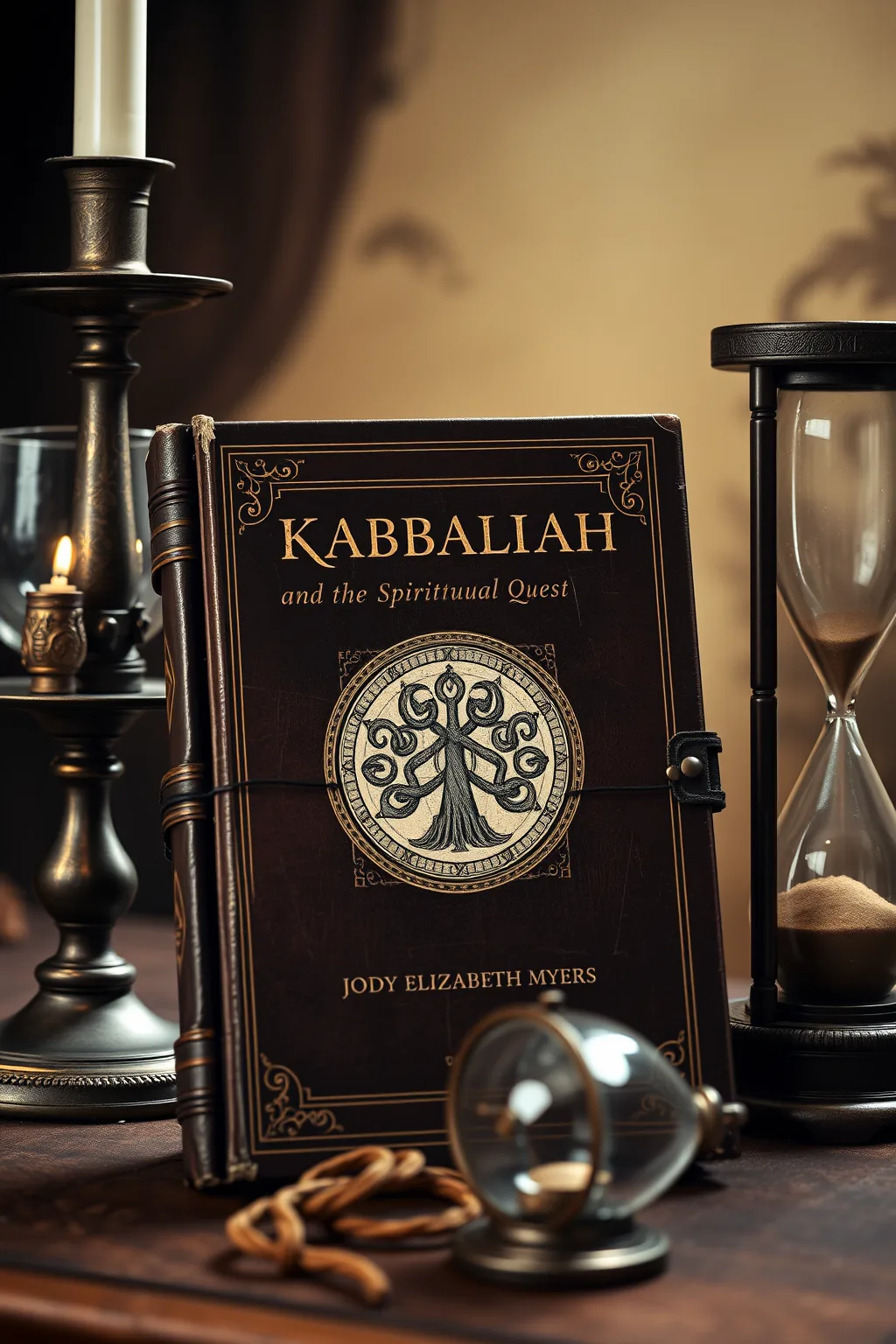
The Complete Idiot's Guide to Kabbalah

 62
62

The Complete Idiot's Guide to Kabbalah

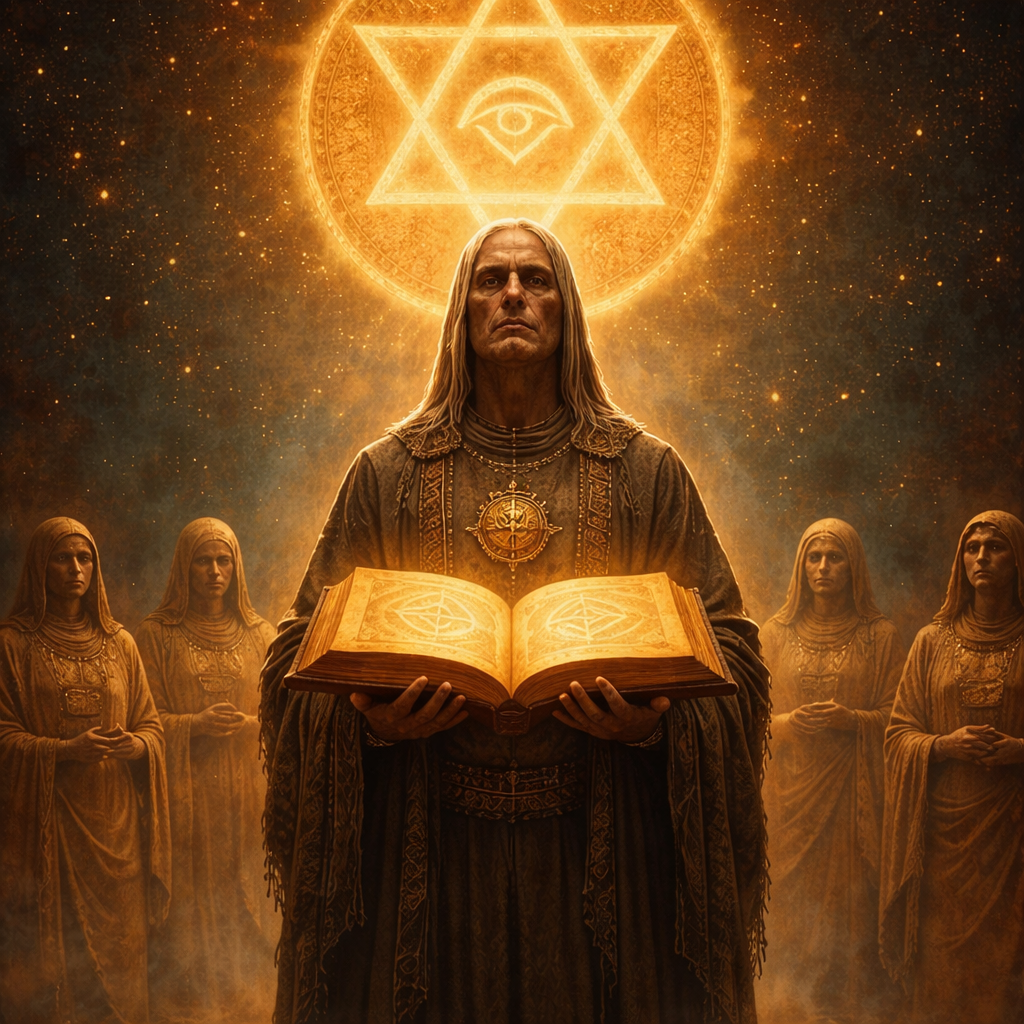

Isolde Whitaker, Sacred Texts Editor, writes: Rev. Michael Laitman's "The Complete Idiot's Guide to Kabbalah" offers a rare and authoritative exploration of this ancient mystical science. Dispelling common misconceptions, Laitman provides a clear, accessible pathway into the core principles of authentic Kabbalah. He masterfully bridges the gap between complex spiritual concepts and tangible life improvements, demonstrating how these teachings can truly enrich one's existence. This book is an essential resource for anyone seeking to move beyond superficial spiritual trends and engage with the profound, transformative power of genuine Kabbalistic wisdom. It is a beacon for the earnest seeker.
📝 Description
62
Rev. Michael Laitman's 2007 guide demystifies Kabbalah for the uninitiated.
Published in 2007, "The Complete Idiot's Guide to Kabbalah" by Rev. Michael Laitman aims to present Kabbalistic concepts without the common misunderstandings. The book breaks down this tradition, distinguishing it from popular culture's often superficial take. Laitman positions Kabbalah not just as a mystical philosophy but as a practical system for personal advancement and tangible outcomes.
Readers will encounter explanations of the Tree of Life, methods for interpreting sacred texts, and the underlying energetic principles of existence. The guide intends to offer a clear path toward understanding the origins of creation and fostering a connection with the divine. It suggests that applying these teachings can lead to personal transformation, attracting positive aspects like abundance and inner peace. The work seeks to bridge the gap between ancient esoteric knowledge and its relevance to contemporary life.
Kabbalah, a mystical tradition within Judaism, traditionally focuses on understanding the divine nature of reality and the creation of the universe. Its esoteric elements often involve complex symbolic systems, meditations, and interpretations of scripture to reveal hidden spiritual truths. This book places itself within that lineage, aiming to translate the dense theoretical and practical aspects of Kabbalah into accessible language. It seeks to connect the reader to this historical stream of esoteric thought, which often emphasizes a path of inner development and spiritual attainment.
💡 Why Read This Book?
This guide is essential for anyone seeking to understand the true essence of Kabbalah, moving beyond superficial interpretations. It offers a practical framework for spiritual growth and personal transformation, promising tangible improvements in wealth, relationships, and well-being. Ideal for sincere seekers, students of mysticism, and those ready to integrate ancient wisdom into their modern lives.
⭐ Reader Reviews
Honest opinions from readers who have explored this book.
❓ Frequently Asked Questions
What is the authentic Kabbalah according to this book?
This book defines authentic Kabbalah as an ancient, profound spiritual science focused on understanding the Creator and our connection to the divine, rather than a superficial trend or a path to mere material gain.
How does Kabbalah offer tangible benefits like money and love?
The book explains that by aligning oneself with universal spiritual laws and understanding the energetic forces of creation through Kabbalistic principles, one can create the conditions for attracting desired outcomes.
Is prior knowledge of Judaism required to read this book?
No, the book is designed for beginners and aims to make the complex concepts of Kabbalah accessible to a broad audience, regardless of their religious background or prior familiarity with Jewish mysticism.
What is the role of the Tree of Life in Kabbalah?
The Tree of Life is presented as a fundamental symbolic map of creation and the spiritual realms, illustrating the flow of divine energy and the interconnectedness of all things.
What distinguishes this guide from other Kabbalah books?
This guide emphasizes the authentic, original teachings of Kabbalah as taught by international authority Rev. Michael Laitman, contrasting it with popular, often diluted, interpretations.
🔮 Key Themes & Symbolism
The Tree of Life: A Cosmic Blueprint
The central metaphor of Kabbalah, the Tree of Life, is meticulously dissected, revealing its significance as a map of creation, consciousness, and the intricate pathways of divine emanation. Readers will learn how its ten Sephirot and twenty-two paths represent fundamental forces and connections within the universe, offering a profound understanding of existence and our place within it. This section illuminates the symbolic language of Kabbalah, empowering readers to decipher its deeper meanings and apply its principles to their spiritual journey.
Authentic Kabbalah vs. Popular Misconceptions
This theme directly addresses the prevalent understanding of Kabbalah, contrasting the superficial celebrity trends with the profound, ancient wisdom. Laitman clarifies that true Kabbalah is a spiritual science, a method for spiritual ascent and connection with the Divine Source, rather than mere ritual or superficial practices. The book aims to re-establish the integrity of Kabbalistic study, guiding readers toward an authentic engagement with its teachings and dispelling common misunderstandings that dilute its transformative power.
Manifesting Abundance Through Spiritual Alignment
Beyond its esoteric nature, the guide posits Kabbalah as a practical system for manifesting abundance in all areas of life – including financial prosperity, loving relationships, and vibrant health. This theme explores how by understanding and applying the principles of spiritual interconnectedness and the flow of divine energy, individuals can align themselves with the forces that bring forth desired outcomes. It offers a framework for conscious creation, empowering readers to actively participate in shaping their reality through inner transformation and spiritual attunement.
💬 Memorable Quotes
Direct passages from the work, attributed to the author.
“The Creator wants to bestow goodness upon His creations.”
— This fundamental Kabbalistic principle emphasizes the inherent benevolence of the Divine and the purpose of creation, offering a hopeful perspective.
“True fulfillment lies in giving and loving.”
— This highlights the ethical and altruistic dimension of Kabbalah, suggesting that spiritual growth and happiness are found in selfless actions and connection.
💡 Key Ideas
Editorial paraphrase of the work's core concepts — not direct quotes.
Kabbalah is not a religion, but a science of spirituality.
This quote highlights the book's stance on Kabbalah as an empirical and systematic approach to understanding the spiritual world, akin to scientific inquiry.
We are all interconnected threads in the fabric of reality.
This quote speaks to the core Kabbalistic concept of unity and the interconnectedness of all beings and phenomena, emphasizing collective responsibility.
The study of Kabbalah opens the eyes to the hidden reality.
This quote underscores the transformative and revealing nature of Kabbalistic study, promising a deeper perception of the world beyond its surface appearance.
🌙 Esoteric Significance
Tradition
This work studies the tradition of Kabbalah, an ancient Jewish mystical system focused on understanding the divine nature, the creation of the universe, and the spiritual path of humanity. It explores the esoteric interpretations of the Torah and the hidden wisdom intended to reveal the interconnectedness of all existence and the path to spiritual perfection.
Symbolism
Key symbols like the Tree of Life, the Hebrew alphabet, and divine names are central. The Tree of Life acts as a cosmic map, illustrating the flow of divine energy (emanations) and the structure of reality. The Hebrew letters are viewed as primordial building blocks of creation, each possessing unique spiritual power and meaning, crucial for understanding the universe's underlying language.
Modern Relevance
In contemporary society, Kabbalah offers a profound framework for navigating existential questions, seeking personal growth, and finding meaning. Its emphasis on interconnectedness appeals to global consciousness, while its principles of spiritual alignment provide tools for manifesting abundance and fostering well-being in an increasingly complex world.
👥 Who Should Read This Book
This guide is important for beginners eager to explore the authentic roots of Kabbalah, moving beyond popular trends. Scholars of religion and mysticism will appreciate its rigorous approach and authoritative insights. Spiritual seekers yearning for a deeper connection to the Divine and practical tools for transformation will find it profoundly rewarding. Practitioners of various spiritual disciplines may discover new perspectives and complementary practices within its teachings.
📜 Historical Context
Emerging from ancient Jewish tradition, Kabbalah flourished as a mystical interpretive method during the medieval period, particularly in Spain and Safed. While its roots are ancient, the modern era has seen a resurgence of interest, often fueled by popular culture. This book emerges within a context where esoteric knowledge is increasingly sought by individuals looking for deeper meaning and practical applications beyond mainstream religious dogma. The blend of traditional wisdom with New Age sensibilities reflects a contemporary desire to synthesize spiritual insights for personal empowerment and holistic well-being.
📔 Journal Prompts
How can the concept of divine emanation from the Tree of Life inform my understanding of my own creative potential?
In what ways do I currently perceive myself as disconnected, and how can Kabbalistic principles of unity help bridge that gap?
Reflect on a time you experienced abundance; how might an alignment with spiritual laws have contributed to it?
What 'hidden reality' does this book suggest is accessible, and what steps can I take to begin perceiving it?
How can the principle of 'giving and loving' be integrated more intentionally into my daily interactions to foster personal fulfillment?
🗂️ Glossary
Sephirah
One of the ten divine emanations or attributes through which the infinite Creator reveals Himself and sustains the universe, forming the structure of the Tree of Life.
Ein Sof
The Kabbalistic term for the infinite, unknowable essence of God, beyond all conception and definition, the primordial unity before creation.
Tzimtzum
The Kabbalistic concept of 'contraction' or 'withdrawal' by the Infinite Light to create a 'vacant space' for the emergence of creation and free will.
Kavanah
Intention or concentration, a crucial element in Kabbalistic practice, referring to the focused mental and spiritual attention required for prayer, meditation, or ritual.
Shekhinah
The Divine Feminine presence, often understood as God's immanent aspect dwelling among humanity, representing divine wisdom and nurturing energy.
This book appears in 1 collection
🔮 Readers Also Liked
Browse all →



![The history of England from the accession of James the Second [2/5]](/img/thumb/the-history-of-england-from-the-accession-of-james-the-second-2-5-thomas-babington-macaulay.webp)


From the “Kabbalah” Collection
View all →






![Kabbalah Dictionary [Hebrew To English].pdf (PDFy mirror)](/img/thumb/kabbalah-dictionary-hebrew-to-english-pdf-pdfy-mirror.webp)

![EBOOK COLLECTION ( PART 8) [ CSI][h 33t]](/img/thumb/ebook-collection-part-8-csi-h-33t.webp)
More Free Kabbalah & Jewish Mysticism Books
View all →