The Celestine Prophecy - An Adventure
 83
83

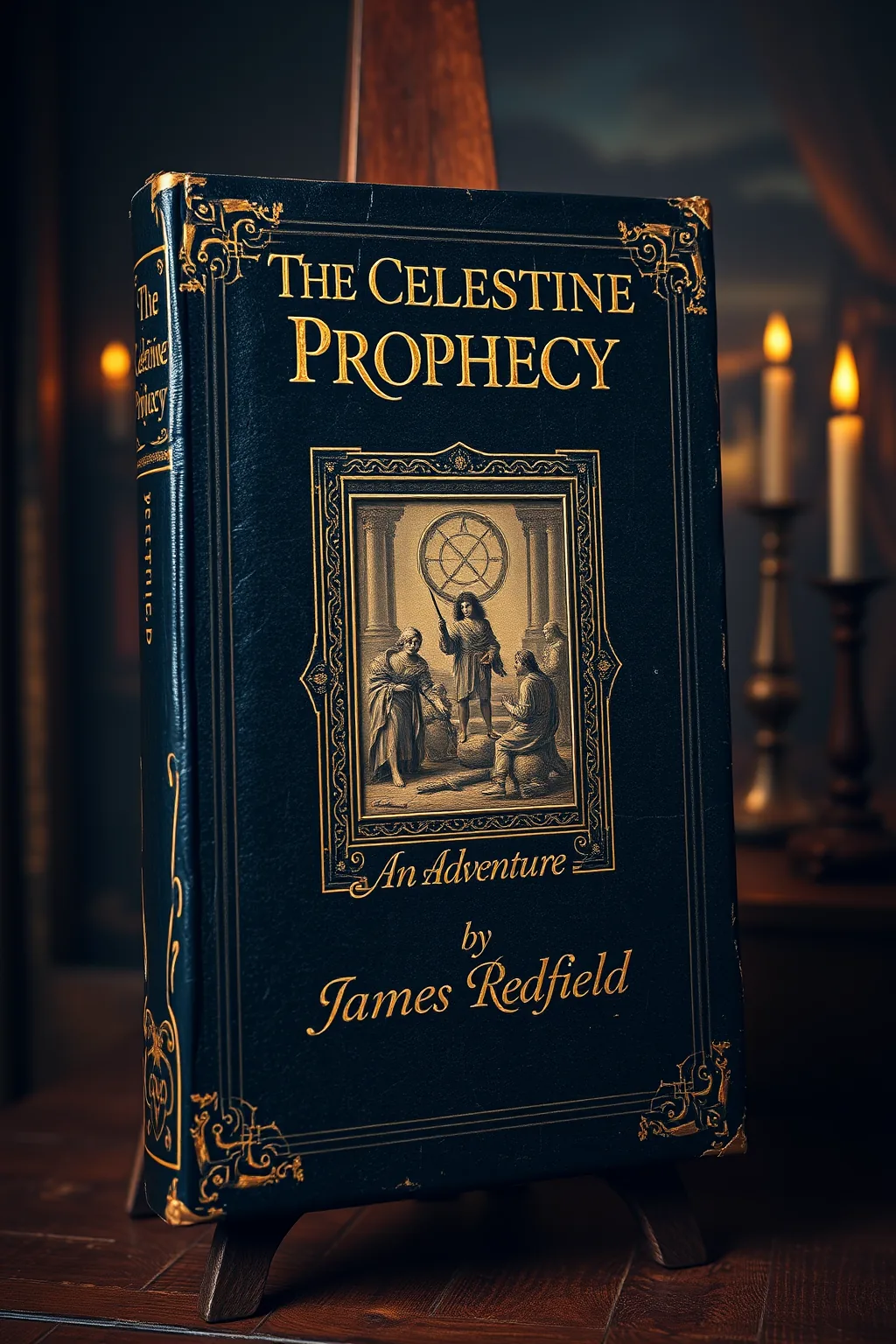
The Celestine Prophecy - An Adventure
James Redfield's The Celestine Prophecy, while undeniably a phenomenon in popular spirituality, presents its profound ideas through a narrative that often feels more like a lecture disguised as an adventure. The protagonist's journey through the Peruvian jungle, while picturesque, serves primarily as a backdrop for the exposition of the Nine Insights. The strength lies in its accessible presentation of complex metaphysical ideas—energy fields, synchronicity, and spiritual evolution—making them digestible for a broad audience. However, the plot's reliance on coincidences to propel the narrative forward sometimes strains credulity, and the character development remains secondary to the philosophical message. The descriptions of the manuscripts and the ancient wisdom they contain, particularly the concept of 'Moksha' as a conscious ascension, offer a compelling vision. Ultimately, it functions less as a literary masterpiece and more as a compelling, if somewhat didactic, spiritual primer.
📝 Description
83
James Redfield's 1993 novel, The Celestine Prophecy, frames spiritual discovery as an adventure.
The Celestine Prophecy follows an unnamed narrator on a quest through Peru. The goal is to find ancient manuscripts detailing nine insights into life, consciousness, and the universe. These revelations guide the protagonist's personal transformation and understanding of reality. The narrative serves as a fictional vehicle for concepts rooted in spiritual and philosophical traditions.
This book appeals to readers interested in personal growth, New Age thought, and fictional frameworks for exploring spiritual ideas. It may resonate with those seeking to understand synchronicity, energy fields, and human potential from an alternative viewpoint. The story combines adventure elements with a spiritual undercurrent, aiming to connect with individuals on a path of self-discovery.
Published in 1993, The Celestine Prophecy arrived during a resurgence of interest in New Age spirituality and alternative belief systems. Its narrative structure, focusing on sequential insights and spiritual evolution, echoes earlier works that blended narrative with esoteric teachings. The book's exploration of energy, synchronicity, and expanded consciousness aligns with themes found in movements like Theosophy and popular esoteric authors of the late 20th century.
💡 Why Read This Book?
• You will learn to recognize meaningful coincidences, or synchronicity, as guiding forces in your life, moving beyond mere chance encounters. This is crucial for understanding the narrative's central Peruvian quest. • You will explore the concept of human energy fields and their role in interpersonal dynamics, offering a new perspective on connection and conflict. This is directly tied to the 'First Insight' presented in the book. • You will gain an understanding of 'Moksha' as a state of spiritual evolution, encouraging a shift towards love and co-creation rather than competition. This concept forms a core part of the book's spiritual framework.
⭐ Reader Reviews
Honest opinions from readers who have explored this book.
❓ Frequently Asked Questions
What are the nine insights of The Celestine Prophecy?
The nine insights revealed in The Celestine Prophecy are: the growing human spiritual consciousness, the discovery of a critical mass of people having a spiritual awakening, the connection between all things and energy, the energy between people, the recognition of coincidences as synchronicity, the clear vision of life and the universe, the purpose of life's coincidences, the evolution of consciousness and the spiritual universe, and the pursuit of spiritual energy through love and service.
Where does the story of The Celestine Prophecy take place?
The primary setting for the narrative of The Celestine Prophecy is the dense jungles and ancient ruins of Peru, where the protagonist searches for ancient manuscripts.
Who is the author of The Celestine Prophecy?
The Celestine Prophecy was written by James Redfield, who also co-authored the sequel, The Tenth Insight: Holding the Vision. The book was first published in 1993.
Is The Celestine Prophecy based on real prophecies?
While the book presents its insights as ancient wisdom, it is a fictional narrative. The 'prophecies' are conceptual frameworks developed by the author, James Redfield, rather than actual historical or religious prophecies.
What is the main spiritual concept explored in The Celestine Prophecy?
The main spiritual concept is the evolution of human consciousness towards understanding and utilizing spiritual energy, recognizing synchronicity, and fostering connection through love and intention, as outlined in the book's Nine Insights.
How did The Celestine Prophecy become popular?
The Celestine Prophecy achieved widespread popularity through grassroots marketing and word-of-mouth, initially self-published before being picked up by a major publisher. Its accessible message of spiritual awakening resonated with a large audience.
🔮 Key Themes & Symbolism
Synchronicity and Meaning
The work posits that coincidences are not random but are meaningful events, or 'synchronicity,' that guide individuals toward their spiritual path. The narrative emphasizes paying attention to these occurrences, viewing them as messages or nudges from a higher consciousness. This concept is central to the protagonist's quest in Peru, where seemingly chance encounters and discoveries are crucial to uncovering the ancient manuscripts. The book encourages readers to reframe their perception of everyday events, seeing them as part of a larger, interconnected design.
Energy Fields and Connection
A core tenet explored is the existence of human energy fields that surround and interact with each other. The book suggests that individuals can perceive these fields, understanding them as indicators of emotional and spiritual states. This energetic perspective offers a framework for interpreting relationships, conflict, and connection. It proposes that evolving consciousness involves shifting from a state of fear-based competition for energy to a state of love-based co-creation and energetic sharing, fostering deeper empathy and understanding among people.
Spiritual Evolution and Consciousness
The Celestine Prophecy outlines a model for the evolution of human consciousness, moving towards a greater awareness of our interconnectedness with the universe and each other. It suggests that humanity is on the cusp of a significant spiritual awakening, moving beyond old paradigms of control and scarcity. The book describes this evolution as a process of 'Moksha'—a state of spiritual liberation and heightened awareness, achieved through understanding the Nine Insights and embracing a life guided by intention, love, and the recognition of universal energy.
The Quest for Ancient Wisdom
The narrative structure is built around a physical and spiritual quest for ancient manuscripts believed to contain profound truths about life. This journey through the Peruvian wilderness serves as an allegory for the inner journey of spiritual discovery. The search for these documents—and the insights they hold—mirrors humanity's ongoing search for meaning and enlightenment. The manuscripts represent lost or forgotten knowledge that, when rediscovered, can catalyze personal transformation and usher in a new era of spiritual understanding.
💬 Memorable Quotes
Direct passages from the work, attributed to the author.
“The first Insight is that a growing awareness is dawning in humanity.”
— This foundational concept introduces the idea that humanity is collectively awakening to a higher level of spiritual and conscious understanding, setting the stage for the subsequent revelations within the book.
“We are all connected, and we are all energy.”
— This expresses the theme of universal interconnectedness, suggesting that individual beings and all phenomena are part of a larger energetic field, dissolving the illusion of separation.
“Synchronicity is the universe guiding us.”
— This interpretation highlights the book's view of meaningful coincidences as deliberate signposts from the cosmos, directing individuals toward their growth and purpose.
“Intention can shape our reality.”
— This captures the essence of how focused thought and will, when aligned with universal energy, can influence and manifest desired outcomes in the physical world.
💡 Key Ideas
Editorial paraphrase of the work's core concepts — not direct quotes.
Moksha is a state of spiritual liberation.
This paraphrased concept defines 'Moksha' not merely as an end-state but as an active process of freeing oneself through spiritual understanding and energetic alignment.
🌙 Esoteric Significance
Tradition
While not strictly adhering to a single lineage, The Celestine Prophecy draws heavily from New Age interpretations of Gnostic and Hermetic principles, particularly regarding consciousness, energetic interaction, and the pursuit of hidden knowledge. It reinterprets concepts of spiritual awakening and universal energy in a modern, accessible narrative. The work departs from traditional esoteric structures by framing its insights within a fictional adventure, making complex metaphysical ideas palatable to a broad audience rather than initiates of established schools.
Symbolism
The ancient manuscripts found in Peru serve as a primary symbol, representing lost or suppressed spiritual wisdom crucial for humanity's evolution. The jungle setting itself symbolizes the unknown, the subconscious, and the challenging terrain of spiritual exploration. The concept of 'energy' functions symbolically, representing the interconnectedness of all life and the fundamental force that animates the universe, moving beyond purely material interpretations of reality.
Modern Relevance
Contemporary spiritual teachers and proponents of manifestation and law of attraction principles often cite or echo themes found in The Celestine Prophecy. Its ideas on energy fields, intention, and synchronicity continue to resonate with individuals exploring personal growth, mindfulness, and alternative healing modalities. Schools of thought focusing on consciousness studies and quantum spirituality frequently engage with the book's accessible explanations of interconnectedness and energetic principles.
👥 Who Should Read This Book
• Individuals seeking a narrative framework for understanding spiritual growth and the nature of consciousness, especially those drawn to New Age philosophies. • Readers interested in exploring concepts like synchronicity, energy fields, and personal transformation through an engaging adventure story. • Those curious about alternative perspectives on reality, interconnectedness, and the potential for human spiritual evolution beyond conventional paradigms.
📜 Historical Context
The Celestine Prophecy emerged in 1993, a period marked by a surge in New Age spirituality and a cultural appetite for self-discovery narratives. Its initial self-publication and subsequent word-of-mouth success mirrored the trajectory of other independent spiritual works that gained traction outside mainstream channels. The book tapped into a zeitgeist already influenced by thinkers like Marilyn Ferguson, whose 'The Aquarian Conspiracy' (1980) charted societal transformation, and the popularization of Eastern philosophies and mystical experiences by figures such as Shirley MacLaine. Unlike the structured academic discourse surrounding Hermeticism or Gnosticism, Redfield's work presented spiritual concepts in an accessible, adventure-driven format. The book’s reception was largely positive among its target audience, though some critics viewed its New Age tenets with skepticism, contrasting it with more established spiritual traditions.
📔 Journal Prompts
The discovery of the manuscripts and the first Insight.
Reflecting on the energy exchange between individuals in relationships.
Identifying instances of synchronicity in your own life.
The concept of 'Moksha' and its personal meaning.
How 'Intention' plays a role in manifesting desired outcomes.
🗂️ Glossary
Synchronicity
Meaningful coincidences that appear to be guided by a higher intelligence or purpose, suggesting an interconnectedness beyond random chance.
Energy Fields
The concept that all living beings emit and interact with subtle energetic fields, influencing emotional states, physical well-being, and interpersonal dynamics.
Moksha
A state of spiritual liberation and heightened consciousness, characterized by a shift from fear to love and a recognition of universal connection.
Intention
The focused direction of will and consciousness towards a specific outcome, believed to influence reality and attract desired experiences.
Spiritual Energy
The fundamental force or essence that connects all beings and phenomena, which can be consciously perceived and utilized for growth and well-being.
The Nine Insights
A sequence of revelations presented in the book that describe the nature of the universe, human consciousness, and spiritual evolution.
Coincidences
Events that occur together without an apparent causal connection, which the book reinterprets as significant markers of spiritual guidance.
🔮 Readers Also Liked
Browse all →









More by James Redfield
All books →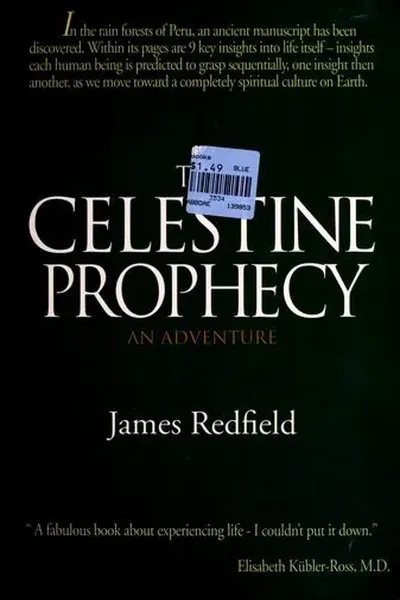





More Free Spiritual Development Books
View all →