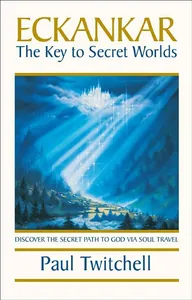
The Calling

 74
74

The Calling
Kelley Armstrong’s The Calling offers a compelling exploration of nascent paranormal abilities, grounding its fantastical elements in relatable human anxieties. The strength of the work lies in its nuanced portrayal of characters grappling with sudden, often terrifying, shifts in their perception of reality and their place within it. Armstrong avoids sensationalism, instead focusing on the psychological toll and the difficult choices that accompany the discovery of extraordinary gifts. A particularly effective passage involves the protagonist’s initial denial, a realistic reaction that underscores the profound disruption such revelations entail.
However, the narrative’s pacing occasionally falters, particularly in the middle sections, where the focus on internal conflict sometimes overshadows the external plot momentum. While the exploration of individual awakening is thorough, the broader implications of the "Calling" could have been further developed to create a more expansive mythos. Despite this minor reservation, The Calling is a skillfully written entry into the paranormal genre that prioritizes character authenticity.
📝 Description
74
Kelley Armstrong's The Calling, published in 2012, examines how latent supernatural abilities shape individual lives.
The Calling, released in 2012, centers on individuals who discover hidden paranormal abilities. These awakenings force protagonists to confront internal changes and external dangers. The book treats these powers not just as plot elements but as core to character growth and the story's meaning. Armstrong suggests these "callings" are often connected to specific family lines or predetermined fates, rather than being random events. The narrative follows characters as they grapple with these newfound identities and the responsibilities that come with them. It appeals to readers who enjoy speculative fiction that blends the supernatural with psychological depth. Those who prefer character focused stories, where protagonists deal with extraordinary circumstances, will find this work compelling. Urban fantasy and paranormal romance fans looking for a more thoughtful take on supernatural elements will also appreciate its introspective style.
This novel emerged in 2012, a time when paranormal fiction held significant public interest. Building on trends from the early 2000s, the era saw many books and shows featuring vampires, werewolves, and witches in modern settings. Armstrong's contribution to this literary sphere focused on the personal effects of developing psychic or magical talents. The book moves beyond simple supernatural creatures to question the fundamental changes that occur when individuals realize their hidden potentials.
The Calling engages with the concept of latent potential and predetermined paths, a theme common in various esoteric traditions. It touches upon the idea of a 'calling' or innate destiny, suggesting that individuals may be born with specific gifts or roles to fulfill. This aligns with notions found in philosophies that emphasize inherent spiritual or psychic aptitudes, and how these manifest in the material world. The narrative explores the personal impact of such awakenings, reflecting a common esoteric concern with the individual's relationship to unseen forces and their own inner nature.
💡 Why Read This Book?
• Learn how the "Calling" manifests as a personal crisis, offering a unique perspective on self-discovery distinct from typical superpower narratives, as seen in the protagonist’s initial struggles. • Understand the concept of "inherited potential" and its impact on destiny, a core theme that differentiates this work from random chance encounters with the supernatural. • Explore the dynamics of "dormant abilities" and their awakening, providing specific narrative arcs that illustrate the challenges and responsibilities these powers entail, as depicted in the book's plot.
⭐ Reader Reviews
Honest opinions from readers who have explored this book.
❓ Frequently Asked Questions
What is the central premise of Kelley Armstrong's The Calling?
The Calling revolves around individuals who discover they possess latent paranormal abilities, forcing them to confront personal transformations and external dangers tied to their newfound powers. It explores the concept of a "Calling" as an awakening of destiny.
When was The Calling originally published?
The book The Calling was first published in 2012, positioning it within a period of heightened interest in paranormal fiction.
Does The Calling feature romance elements?
While The Calling focuses on the discovery and development of paranormal abilities, it often incorporates relational dynamics and character connections that can appeal to fans of paranormal romance.
What kind of paranormal abilities are explored in The Calling?
The book explores a range of latent psychic or magical aptitudes. The specific nature of these "Callings" varies among characters, emphasizing personal awakening and inherited potential.
Is The Calling part of a series?
The Calling is often associated with broader works by Kelley Armstrong exploring supernatural themes, though its specific place within a series can depend on the interconnectedness of her universe.
What makes The Calling different from other paranormal books published around 2012?
Unlike many contemporaries focusing on established supernatural creatures, The Calling emphasizes the internal, psychological journey of discovering and managing nascent, often unique, paranormal gifts.
🔮 Key Themes & Symbolism
The Nature of the Calling
The "Calling" is presented not merely as a superpower but as an inherent aspect of an individual's being, often tied to ancestry and destiny. This theme explores the profound personal upheaval that accompanies the awakening of latent abilities, forcing characters to reconcile their ordinary lives with extraordinary potentials. It suggests that these awakenings are not random but are part of a larger, often unseen, order, prompting introspection on fate versus free will.
Inherited Potential and Destiny
A significant concept in The Calling is that extraordinary abilities are frequently inherited, linking present-day characters to a lineage of power. This theme interrogates the weight of ancestry and the inevitability, or perhaps the choice, that comes with fulfilling a destined role. The narrative examines how individuals respond to the realization that their lives are shaped by forces beyond their immediate control, often grappling with the responsibilities and isolation that accompany such a legacy.
Isolation and Community
The awakening of unique abilities often leads to profound isolation, as individuals find themselves unable to share their experiences or perceptions with the uninitiated. The Calling examines this solitude, highlighting the psychological strain of feeling fundamentally different. Conversely, it also explores the formation of unexpected communities among those who share similar "Callings," suggesting that shared extraordinary experiences can forge powerful bonds and provide mutual support.
Perception and Reality
Central to the narrative is the idea that the "Calling" fundamentally alters an individual's perception of reality. Characters begin to see, hear, or sense things that were previously hidden, challenging their understanding of the world. This theme explores the subjective nature of experience and how extraordinary awareness can lead to a reevaluation of what is considered normal. It touches upon the idea that there are unseen layers to existence, accessible only to those who have undergone a significant internal shift.
💬 Memorable Quotes
Direct passages from the work, attributed to the author.
“It wasn't a choice to be different; it was a discovery of what had always been there.”
— This interpretation highlights the theme of inherited potential and destiny, suggesting that the "Calling" is not an acquired trait but an inherent part of one's being that is revealed over time.
“They understood the weight of a secret that could never be shared with anyone who hadn't walked the same path.”
— This concept underscores the theme of isolation that arises from unique experiences, illustrating the difficulty of bridging the gap between those with "Callings" and the ordinary world.
“Finding others like herself was less about finding friends and more about finding anchors in a suddenly unfamiliar existence.”
— This highlights the formation of community as a means of survival and grounding when faced with extraordinary circumstances, emphasizing the practical necessity of connection over mere companionship.
💡 Key Ideas
Editorial paraphrase of the work's core concepts — not direct quotes.
The silence was the loudest part, a void where ordinary sounds should have been.
This paraphrase captures the sensory disorientation experienced by characters as their "Calling" alters their perception, emphasizing the profound internal shift that accompanies the awakening of extraordinary abilities.
The world hadn't changed, but their way of seeing it had, irrevocably.
This paraphrase focuses on the shift in perception, a core element of the "Calling," suggesting that the external reality remains, but the internal lens through which it is viewed is fundamentally transformed.
🌙 Esoteric Significance
Tradition
The Calling can be situated within the broader tradition of literature exploring nascent spiritual or psychic awakenings, a theme present in various esoteric lineages. While not strictly adhering to Hermeticism or Kabbalah, it echoes Gnostic narratives of hidden knowledge and inherent divinity within individuals. The concept of a "Calling" and inherited potential aligns with ideas found in Theosophy and certain New Age philosophies that posit pre-ordained paths or latent spiritual capacities within humanity, waiting to be activated.
Symbolism
The primary symbolism revolves around the "Calling" itself, representing the awakening of inner potential and a destined path. Silence, in its oppressive form, symbolizes the isolation and disorientation accompanying this awakening, a void where ordinary reality ceases. Conversely, the emergence of new sensory perceptions or abilities can symbolize a deeper connection to unseen forces or a heightened awareness of the world's hidden dimensions, akin to esoteric concepts of "gnosis" or spiritual sight.
Modern Relevance
Contemporary thinkers and practitioners interested in personal development, latent human potential, and the intersection of psychology and the paranormal find resonance in Armstrong's exploration. The book's focus on the individual journey of self-discovery through extraordinary means speaks to modern concepts of mindfulness, innate gifts, and the idea that humans possess capabilities beyond the mundane. It informs discussions on destiny versus free will in personal growth and the potential for collective consciousness among those experiencing similar "awakening" phenomena.
👥 Who Should Read This Book
• Aspiring paranormal fiction writers seeking models for character-driven narratives about supernatural awakening. • Readers interested in the psychological impact of discovering hidden abilities, offering a nuanced portrayal of internal conflict and self-acceptance. • Individuals exploring themes of destiny, inherited traits, and personal potential within speculative fiction narratives.
📜 Historical Context
The Calling, released in 2012, arrived at a peak in the popularity of paranormal fiction, a genre that had seen explosive growth since the early 2000s with series like *Twilight* and *The Vampire Diaries*. This period saw a saturation of stories featuring vampires, werewolves, and witches, often centered on romantic entanglements. Kelley Armstrong's work distinguished itself by focusing less on established mythological creatures and more on the internal, psychological experience of individuals discovering unique, often undefined, paranormal aptitudes—the "Calling." This approach offered a more introspective take on the genre, moving away from the prevalent supernatural romance toward a narrative that examined destiny, inherited traits, and the existential challenges of altered perception. While contemporaries like Charlaine Harris explored complex supernatural societies, Armstrong’s 2012 contribution emphasized the personal awakening and its immediate, often isolating, consequences.
📔 Journal Prompts
The initial manifestation of your "Calling" and the immediate sensory changes it brought.
Reflect on the concept of "inherited potential" and its influence on your life choices.
Analyze the moments of profound isolation and the subsequent search for connection.
Consider the balance between destiny and personal agency when faced with extraordinary circumstances.
Explore the symbolism of silence as a harbinger of change within the narrative.
🗂️ Glossary
The Calling
A narrative concept representing the spontaneous awakening of latent paranormal abilities within an individual, often tied to ancestry and a predetermined destiny.
Latent Abilities
Extraordinary or supernatural powers that an individual possesses but are not yet active or recognized, often dormant until a specific trigger or life event.
Inherited Potential
The idea that extraordinary capacities or destinies are passed down through family lines, suggesting that certain individuals are born with pre-existing, unmanifested powers.
Sensory Shift
A fundamental alteration in how an individual perceives the world, involving changes in sight, hearing, intuition, or other senses, often a hallmark of the "Calling."
Destined Role
A predetermined purpose or function in life that an individual is fated to fulfill, often linked to the manifestation of their "Calling" or inherited powers.
Unseen Forces
Entities, energies, or influences that exist beyond ordinary human perception, which may interact with or be drawn to individuals experiencing a "Calling."
Existential Disruption
The profound psychological and philosophical crisis that occurs when an individual's fundamental understanding of themselves and reality is challenged or overturned.
🔮 Readers Also Liked
Browse all →








More by Kelley Armstrong
All books →




More Free Occult Philosophy Books
View all →