The Book of Tea
 82
82

The Book of Tea
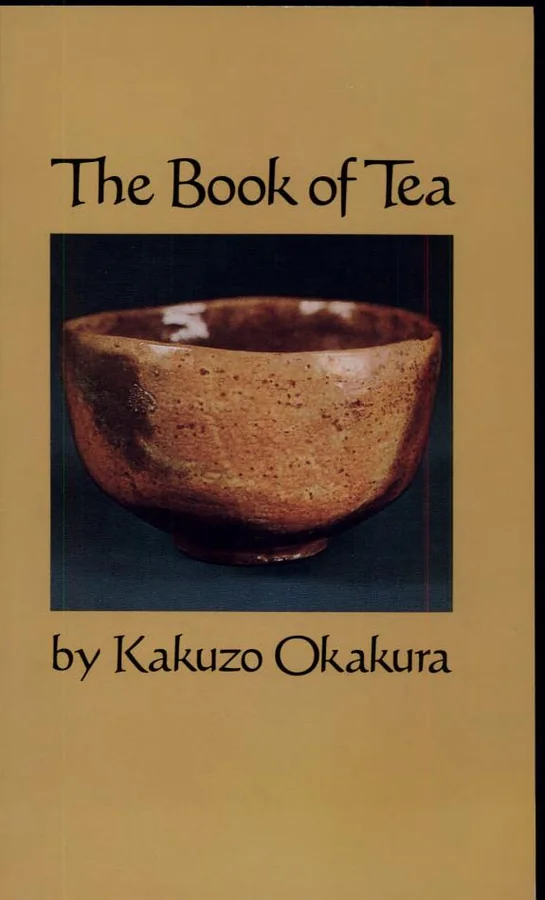
Okakura Kakuzo's *The Book of Tea* is less a guide to brewing a beverage and more a philosophical treatise masquerading as a cultural introduction. The work's brilliance lies in its ability to distill complex Japanese aesthetic and spiritual principles into accessible prose, using the tea ceremony as its central metaphor. Okakura masterfully connects the minutiae of preparing tea—the utensils, the setting, the precise movements—to profound concepts like Taoism, Zen, and the appreciation of natural imperfection. His argument that true beauty resides in the simple and the understated is particularly compelling. However, the translation and introduction by E. F. Bleiler, while informative, sometimes impose a Western academic framework that can feel slightly at odds with Okakura's organic presentation. A passage discussing the significance of a particular tea bowl, for instance, vividly illustrates how everyday objects can become vessels for deep contemplation, a core tenet of the book. Ultimately, *The Book of Tea* offers a refined perspective on finding harmony in the mundane.
📝 Description
82
Kakuzo Okakura published The Book of Tea in English in 1906 to introduce Japanese aesthetics to the West.
The Book of Tea is not merely a guide to brewing tea, but a philosophical and artistic examination of Japanese culture through the lens of Chanoyu, the traditional tea ceremony. Okakura argues that the Way of Tea embodies a harmony and simplicity fundamental to Japanese life, acting as a gateway to understanding this aesthetic.
Written in English for a Western audience during Japan's Meiji era, the book aimed to present the nation's spiritual and artistic dimensions beyond emerging industrialization and common exotic perceptions. Okakura, acting as a cultural ambassador, synthesizes elements of Taoism, Zen Buddhism, and Shinto within his discussion of Chanoyu. The text invites readers to appreciate the mindful application of ritual and minimalist design as paths to tranquility.
Kakuzo Okakura's work situates the Japanese tea ceremony within a broader context of Eastern contemplative traditions. He connects Chanoyu to Taoist principles of naturalness and Zen Buddhist concepts of mindfulness and emptiness. The book suggests that the ritual's focus on simplicity, impermanence, and the appreciation of the present moment aligns with esoteric practices that seek enlightenment through everyday actions and a refined sensibility, rather than solely through dogma.
💡 Why Read This Book?
• Gain an understanding of Chanoyu, the Japanese Way of Tea, as a ritualistic practice that integrates Taoist and Zen Buddhist principles, offering a framework for mindful living beyond the ceremony itself. • Appreciate the aesthetic philosophy of Wabi-sabi, learning how imperfection, impermanence, and austerity are celebrated as sources of beauty and tranquility, as exemplified in the description of tea room furnishings. • Discover how the meticulous practice of tea preparation, as detailed in the text, serves as a microcosm for cultivating inner peace and a deeper connection to nature and art in daily life.
⭐ Reader Reviews
Honest opinions from readers who have explored this book.
❓ Frequently Asked Questions
When was The Book of Tea originally published?
The Book of Tea by Kakuzo Okakura was first published in 1906, making it a significant work of early 20th-century cultural diplomacy.
What is the central theme of The Book of Tea?
The central theme is the Japanese tea ceremony (Chanoyu) as a vehicle for understanding Japanese aesthetics, philosophy, and a way of life, emphasizing simplicity, harmony, and mindfulness.
Who is E. F. Bleiler and what is his role in this edition?
E. F. Bleiler is the editor and annotator of this specific edition. He provides an introduction and notes, contextualizing Okakura's work for a Western readership.
What does 'Wabi-sabi' mean in the context of The Book of Tea?
Wabi-sabi, as explored in the book, refers to an aesthetic philosophy that finds beauty in imperfection, impermanence, and austerity, often seen in the natural world and simple, handcrafted objects.
Is The Book of Tea a literal guide to making tea?
No, while it discusses the tea ceremony, it is primarily a philosophical and cultural exposition. It uses the ceremony to explain deeper Japanese ideals rather than providing practical brewing instructions.
What esoteric or philosophical traditions influenced The Book of Tea?
The book is deeply influenced by Taoism and Zen Buddhism, integrating their principles of naturalness, simplicity, and mindful presence into the practice of the tea ceremony.
🔮 Key Themes & Symbolism
The Art of Chanoyu
Chanoyu, the Way of Tea, is presented not just as a ritual but as a comprehensive aesthetic and spiritual discipline. Okakura details its origins and evolution, highlighting how each element—from the choice of a tea bowl to the architecture of the tea room—contributes to an atmosphere of contemplative simplicity. The ceremony serves as a microcosm for living harmoniously with nature and one's surroundings, embodying principles derived from Zen Buddhism and Taoism to achieve a state of mindful presence and aesthetic appreciation.
Aesthetics of Wabi-sabi
The book is a primary Western introduction to the concept of Wabi-sabi. Okakura explains this complex aesthetic as a love for the imperfect, the impermanent, and the incomplete. It finds beauty in austerity, naturalness, and the patina of age, contrasting sharply with Western ideals of opulence and symmetry. This philosophy permeates the description of tea utensils, gardens, and even the human spirit, encouraging an appreciation for the understated and the ephemeral aspects of existence.
Simplicity and Purity
A core tenet explored is the pursuit of simplicity and purity as pathways to enlightenment and aesthetic satisfaction. Okakura argues that through the meticulous and uncluttered practice of tea, one can shed the superficialities of modern life and connect with fundamental truths. This emphasis on bareness and essentiality is reflected in the design of the tea house and the ritual itself, advocating for a return to natural states of being and a focus on the present moment.
Tea as a Social and Spiritual Bridge
Okakura positions the tea ceremony as a unique social institution capable of bridging divides—between individuals, between humanity and nature, and between East and West. The shared experience of tea fosters equality and intimacy, stripping away social pretenses. He intended the book itself to serve this bridging function, offering Western readers an accessible yet useful insights into the soul of Japanese culture, thereby fostering mutual understanding in the early 20th century.
💬 Memorable Quotes
Direct passages from the work, attributed to the author.
“Tea began as a medicinal herb in China.”
— This statement highlights the practical origins of tea, contrasting its humble beginnings as a remedy with its later elevation into a complex cultural and spiritual practice central to East Asian life.
“The history of tea is too important to be left to the historians.”
— This provocative assertion suggests that the significance of tea extends beyond mere historical documentation, encompassing its role in shaping philosophy, art, and daily life across cultures.
“The tea ceremony is an attempt to create an ideal world over a cup of tea.”
— This interpretation underscores the ritualistic and aspirational nature of Chanoyu, presenting it as a deliberate practice designed to foster harmony, beauty, and a sense of escape from the mundane.
“The world is a great tea garden.”
— This metaphorical statement frames the entirety of existence as a space for cultivation, contemplation, and the appreciation of natural beauty, akin to the carefully tended gardens surrounding tea houses.
💡 Key Ideas
Editorial paraphrase of the work's core concepts — not direct quotes.
Simplicity is the ultimate sophistication.
This paraphrased concept captures the essence of Okakura's aesthetic philosophy, suggesting that true elegance and depth are found not in complexity or ornamentation, but in purity and essential form.
🌙 Esoteric Significance
Tradition
While not strictly a Hermetic text, *The Book of Tea* aligns with perennialist philosophies and draws heavily from Eastern esoteric traditions, primarily Zen Buddhism and Taoism. It can be seen as a bridge text, interpreting these lineages for a Western audience in a way that speaks to Hermetic principles of correspondence, microcosm/macrocosm, and the pursuit of inner harmony through disciplined practice. Okakura presents the tea ceremony as a path to self-cultivation and aesthetic realization, akin to alchemical or meditative disciplines in Western esotericism.
Symbolism
The tea ceremony itself is a potent symbol. The tea room (Chashitsu) symbolizes a microcosm of the universe, stripped bare to essential elements, reflecting Taoist principles of emptiness and Zen concepts of no-mind. Utensils, often simple and aged, embody Wabi-sabi, symbolizing the beauty of impermanence and natural imperfection, encouraging the practitioner to find profundity in the ordinary and the transient.
Modern Relevance
Contemporary practitioners of mindfulness, minimalist design enthusiasts, and students of comparative religion find significant value in Okakura's work. Thinkers and artists who explore the intersection of aesthetics, spirituality, and daily life continue to draw inspiration from his articulation of Wabi-sabi and the contemplative aspects of ritual. Its influence can be seen in modern wellness movements and in design philosophies that prioritize intentionality and natural materials.
👥 Who Should Read This Book
• Students of Japanese culture and aesthetics seeking an accessible yet profound introduction to the philosophy behind the tea ceremony and its artistic expressions. • Practitioners of mindfulness and contemplative disciplines interested in how ritual can foster inner peace and aesthetic awareness in everyday life. • Readers of philosophy and comparative religion exploring the integration of Zen Buddhist and Taoist principles within a cultural practice.
📜 Historical Context
Published in 1906, *The Book of Tea* emerged during Japan's Meiji Restoration period, a time of intense Westernization and modernization. Okakura Kakuzo, writing in English for an international audience, aimed to present the spiritual and aesthetic essence of traditional Japanese culture, which he feared was being overshadowed by industrial progress. He sought to counter simplistic Western perceptions of Japan, which often focused on its military or economic might. The book arrived at a moment when Orientalism was prevalent, yet Okakura offered a sophisticated internal perspective on Japanese philosophy and art. He engaged with intellectual currents influenced by Transcendentalism and the Arts and Crafts movement in the West, finding parallels in their emphasis on nature and craftsmanship. While no major censorship events are widely documented for this specific work, its very success in bridging cultures made it a notable cultural artifact of its era, contrasting with more purely academic or religious texts on Eastern thought.
📔 Journal Prompts
The aesthetic of Wabi-sabi and its presence in everyday objects.
Chanoyu as a practice for cultivating presence.
Reflecting on the symbolism of the tea room's simplicity.
The connection between nature and the tea ceremony.
How the pursuit of purity can inform daily actions.
🗂️ Glossary
Chanoyu
The Japanese Way of Tea; a ritualized art form centered on the preparation and serving of matcha (powdered green tea), embodying aesthetic and spiritual principles.
Wabi-sabi
A Japanese aesthetic philosophy centered on the acceptance of transience and imperfection, finding beauty in the imperfect, impermanent, and incomplete.
Matcha
Finely ground powder of specially grown and processed green tea leaves, used in the Japanese tea ceremony.
Chashitsu
A traditional Japanese tea room, typically small and simple, designed to foster an atmosphere of tranquility and contemplation for the tea ceremony.
Taoism
An ancient Chinese philosophy emphasizing living in harmony with the Tao (the Way), advocating for simplicity, spontaneity, and naturalness.
Zen Buddhism
A school of Mahayana Buddhism emphasizing meditation, intuition, and the direct experience of enlightenment, often influencing Japanese arts and culture.
Kakuzo Okakura
The author of The Book of Tea, a Japanese scholar, art critic, and philosopher who sought to explain Japanese culture and aesthetics to the Western world.
This book appears in 1 collection
🔮 Readers Also Liked
Browse all →









From the “Zen Buddhism” Collection
View all →





More Free Occult Philosophy Books
View all →