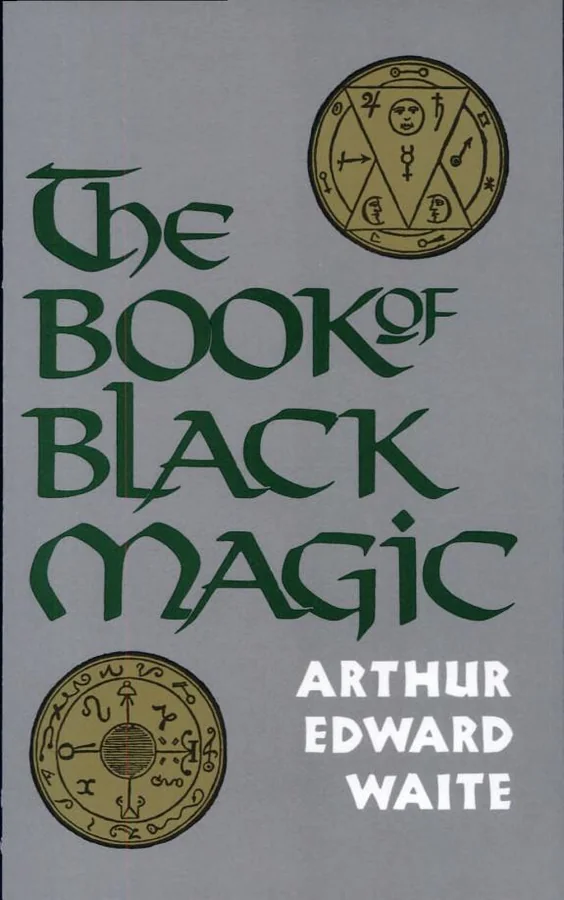
The Book of Black Magic
 84
84

The Book of Black Magic
Arthur Edward Waite's "The Book of Black Magic" is less a grimoire for modern practitioners and more a critical academic survey of historical occult texts, particularly those concerning Goetia. Its strength lies in Waite's meticulous research and his attempt to contextualize these practices within a broader Western esoteric tradition. The inclusion of original magical figures is invaluable for understanding the visual language of these rites. However, Waite's inherent skepticism and sometimes dismissive tone towards the efficacy of the magical operations themselves can be a limitation for readers seeking practical instruction or a sympathetic exploration. The section detailing "Rituals of Black Magic" offers a stark, almost clinical, overview that, while informative, lacks the visceral engagement one might expect from the subject matter. Ultimately, this is a foundational text for understanding the history and theory of ceremonial magic, best approached with a critical academic eye.
📝 Description
84
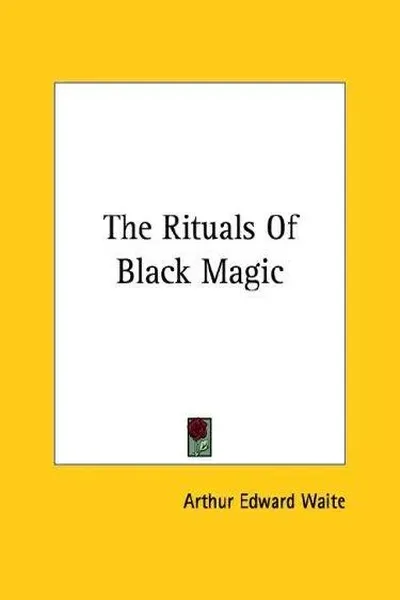
Arthur Edward Waite published The Book of Black Magic in 1972, examining Western esotericism's darker currents.
First issued in 1972, Arthur Edward Waite's The Book of Black Magic provides a scholarly look at what is commonly called 'black magic.' The text details the rites, rituals, and theories behind these practices, with a focus on Goetic traditions. Waite systematically addresses infernal necromancy and sorcery, presenting them as occult disciplines. This work is not a guide for beginners learning spells. Instead, it is a historical and philosophical study for those with a strong background in occult philosophy and comparative religion.
Researchers interested in Western esotericism, hermeticism, and the history of magic will find Waite's detailed appendices and analyses useful. The book appeals to individuals who want to grasp the theoretical structure of these arts rather than their practical application. Waite's approach, while academic, is shaped by his extensive research into grimoires and magical texts.
Waite's book emerged during a period of significant interest in occultism. As a known figure in magical societies, Waite aimed to analyze traditions often obscured by secrecy or sensationalism. His academic yet deeply researched perspective, drawn from grimoires and magical texts, placed him in conversation with peers like Aleister Crowley, though Waite often adopted a more critical viewpoint.
💡 Why Read This Book?
• Gain understanding of the "Descending Hierarchy" of entities described in historical grimoires, a core concept in ceremonial magic that informs many occult systems. • Learn about the "Preparation of the Operator," a crucial element often overlooked, detailing the psychological and spiritual requirements for engaging with advanced magical rites. • Examine the "Antiquity of Magical Rituals," providing historical context for the development of Western magical practices and their roots in older traditions.
⭐ Reader Reviews
Honest opinions from readers who have explored this book.
❓ Frequently Asked Questions
What is Goetia as discussed in Waite's Book of Black Magic?
In "The Book of Black Magic," Goetia refers to a specific branch of ceremonial magic focused on the evocation of spirits, often considered infernal or demonic entities, as detailed in grimoires like the "Lesser Key of Solomon."
Does Arthur Edward Waite's book provide actual spells for black magic?
While "The Book of Black Magic" describes various rites and rituals, Arthur Edward Waite's primary intent was scholarly analysis and historical documentation rather than providing a practical spellbook for modern use.
What is the 'Key of Solomon' mentioned in the book?
The 'Key of Solomon' refers to a significant grimoire, a magical textbook attributed to King Solomon, which details methods of summoning spirits and performing various magical operations, extensively analyzed within Waite's work.
Is this book suitable for beginners in occult studies?
No, "The Book of Black Magic" is dense and scholarly, best suited for advanced students or researchers of esoteric history and philosophy, not for those new to occultism.
What distinguishes 'Goetic theurgy' from other forms of magic in Waite's text?
Goetic theurgy, as presented by Waite, involves the ritualistic invocation and command of spirits, often from a perceived infernal hierarchy, distinct from other magical systems focused on elemental forces or divine communion.
When was Arthur Edward Waite's 'The Book of Black Magic' originally published?
Arthur Edward Waite's "The Book of Black Magic" was first published in 1972, though it draws upon research and texts from much earlier periods.
🔮 Key Themes & Symbolism
Goetic Therugy and Necromancy
This theme centers on the practices and theories surrounding the evocation of spirits, particularly those of a supposedly infernal nature, as detailed in historical grimoires. Waite meticulously analyzes the rites and supposed efficacy of "infernal necromancy" and "Goetic theurgy," providing historical context for these controversial magical operations. The work explores the structure of these rituals, the preparation required, and the symbolic language employed in summoning and controlling entities.
The Structure of Magical Rituals
Waite dissects the components of magical rituals, examining everything from the "Preparation of the Operator" to the "Initial Rites and Ceremonies." He differentiates between various types of rituals, including transcendental and composite forms, and places significant emphasis on the "Key of Solomon" and "Lesser Key of Solomon" as foundational texts. This theme highlights the systematic and often complex nature of ceremonial magic as codified in historical occult literature.
The Esoteric Framework of Black Magic
This theme explores the underlying philosophy and cosmology that supports what is termed 'black magic.' Waite explores concepts like the "Descending Hierarchy" and the "Mysteries of the Sanctum Regnum" to illustrate the theoretical architecture of these practices. The focus is on understanding the traditional beliefs and systems that gave rise to such rites, rather than their practical application.
Historical Grimoires and Their Contents
Central to the book is the examination of specific grimoires, such as the "Complete Grimoire" and the "Lesser Key of Solomon." Waite analyzes their contents, including magical figures, rituals, and hierarchies of spirits. This theme underscores the importance of primary source material in understanding the evolution and nature of Western magical traditions, providing critical commentary on these influential texts.
💬 Memorable Quotes
Direct passages from the work, attributed to the author.
“The rites and mysteries of Goetic therugy, sorcery and infernal necromancy.”
— This phrase expresses the core subject matter of the book, highlighting Waite's focus on specific, often darker, branches of ceremonial magic and their associated secret knowledge.
“Antiquity of Magical Rituals.”
— This indicates Waite's scholarly approach, emphasizing the historical depth and lineage of magical practices, suggesting that current rites have ancient roots that he intends to explore and document.
“Preparation of the Operator.”
— This concept underscores the importance of the magician's internal state and readiness, suggesting that successful engagement with magical forces requires specific psychological, spiritual, or ethical conditioning.
“Descending Hierarchy.”
— This refers to the structured organization of spirits or entities as perceived within certain occult cosmologies, often depicted as a ladder or pyramid of powers that a magician might seek to interact with.
“Mysteries of Goetic Theurgy.”
— This points to the hidden or secret knowledge associated with Goetia, suggesting that the practice involves more than mere ritual, but a deeper understanding of spiritual forces and their manipulation.
🌙 Esoteric Significance
Tradition
Waite's work is situated within the broader tradition of Western Esotericism, specifically engaging with Hermeticism and ceremonial magic. While he critically analyzes practices often labeled 'black magic,' his research draws heavily from the grimoire tradition, which includes texts influenced by Kabbalah, alchemy, and Neoplatonism. He attempts to place these practices within a historical lineage, tracing their roots and theoretical underpinnings, often separating them from purely religious or folk magic traditions.
Symbolism
The book is replete with magical figures, sigils, and diagrams that serve as focal points for ritual and symbolic representation. These symbols, such as the pentagrams, hexagrams, and specific spirit seals found in grimoires like the "Lesser Key of Solomon," are presented not merely as decorations but as essential tools for invocation, protection, and the visualization of spiritual hierarchies. They represent divine or infernal powers, planetary influences, and the magician's own will.
Modern Relevance
Contemporary practitioners and scholars of Western Esotericism continue to reference Waite's meticulous research into historical grimoires. His work provides a foundational, albeit critical, overview of Goetic magic and related practices, influencing modern interpretations of ceremonial magic. Thinkers and groups exploring the history of magic, comparative occultism, and the philosophical underpinnings of grimoire traditions often engage with Waite's analyses as a point of departure or comparison.
👥 Who Should Read This Book
• Academic researchers of Western Esotericism and the history of magic, seeking a scholarly overview of historical grimoires and their associated rites. • Advanced students of Hermeticism and ceremonial magic who wish to understand the theoretical frameworks and historical context of practices like Goetia. • Comparative religion scholars interested in the study of occult traditions and their place within broader religious and philosophical movements.
📜 Historical Context
Arthur Edward Waite's "The Book of Black Magic" emerged from the fertile ground of late Victorian and Edwardian occult revivalism. This era saw a surge of interest in spiritualism, Theosophy, and ceremonial magic, fueled by figures like Helena Blavatsky and the Hermetic Order of the Golden Dawn, of which Waite was a prominent, albeit often contentious, member. Published posthumously in 1972, it reflects Waite's lifelong engagement with esoteric traditions, often characterized by a desire to critically examine and codify occult lore, distinguishing it from more sensationalist or purely practical magical texts. His work stood in contrast to, and sometimes in direct opposition to, the more radical magical philosophies espoused by contemporaries like Aleister Crowley, particularly regarding the practical application and interpretation of grimoires. Waite's meticulous scholarship aimed to provide a historical and philosophical framework for understanding these practices, positioning himself as a critic and historian within the occult landscape.
📔 Journal Prompts
The "Preparation of the Operator" as a precursor to "Rituals of Black Magic."
Analyzing the "Descending Hierarchy" presented in the context of Goetic spirits.
Reflecting on the "Antiquity of Magical Rituals" and their evolution.
The symbolic meaning of the "magical figures" within the "Lesser Key of Solomon."
Comparing Waite's interpretation of "Goetic therugy" with other historical accounts.
🗂️ Glossary
Goetia
A branch of ceremonial magic concerned with the evocation of spirits, often of a demonic or infernal nature, as described in historical grimoires like the "Lesser Key of Solomon."
Therugy
A form of divine magic or religious rite, often involving the invocation of deities or spirits for purposes of communion or manipulation, as distinct from lower forms of magic.
Infernal Necromancy
A type of magic focused on communicating with or raising the dead, specifically involving entities or forces considered to be of hellish or demonic origin.
Grimoire
A textbook of magic or witchcraft, typically containing instructions on how to create magical objects, cast spells, and summon supernatural beings.
Key of Solomon
A famous grimoire attributed to King Solomon, detailing instructions for invoking spirits, creating talismans, and performing various magical operations.
Lesser Key of Solomon
A collection of five grimoires from the mid-17th century, containing detailed information on demonology, angelology, and various magical rites, considered a significant source for Goetic magic.
Sanctum Regnum
Literally 'Holy Kingdom,' this term likely refers to a sacred space or a state of spiritual authority within a magical system, possibly related to the magician's command over spirits.
This book appears in 1 collection
🔮 Readers Also Liked
Browse all →







From the “Ceremonial Magic” Collection
View all →


More Free Magic & Ritual Books
View all →