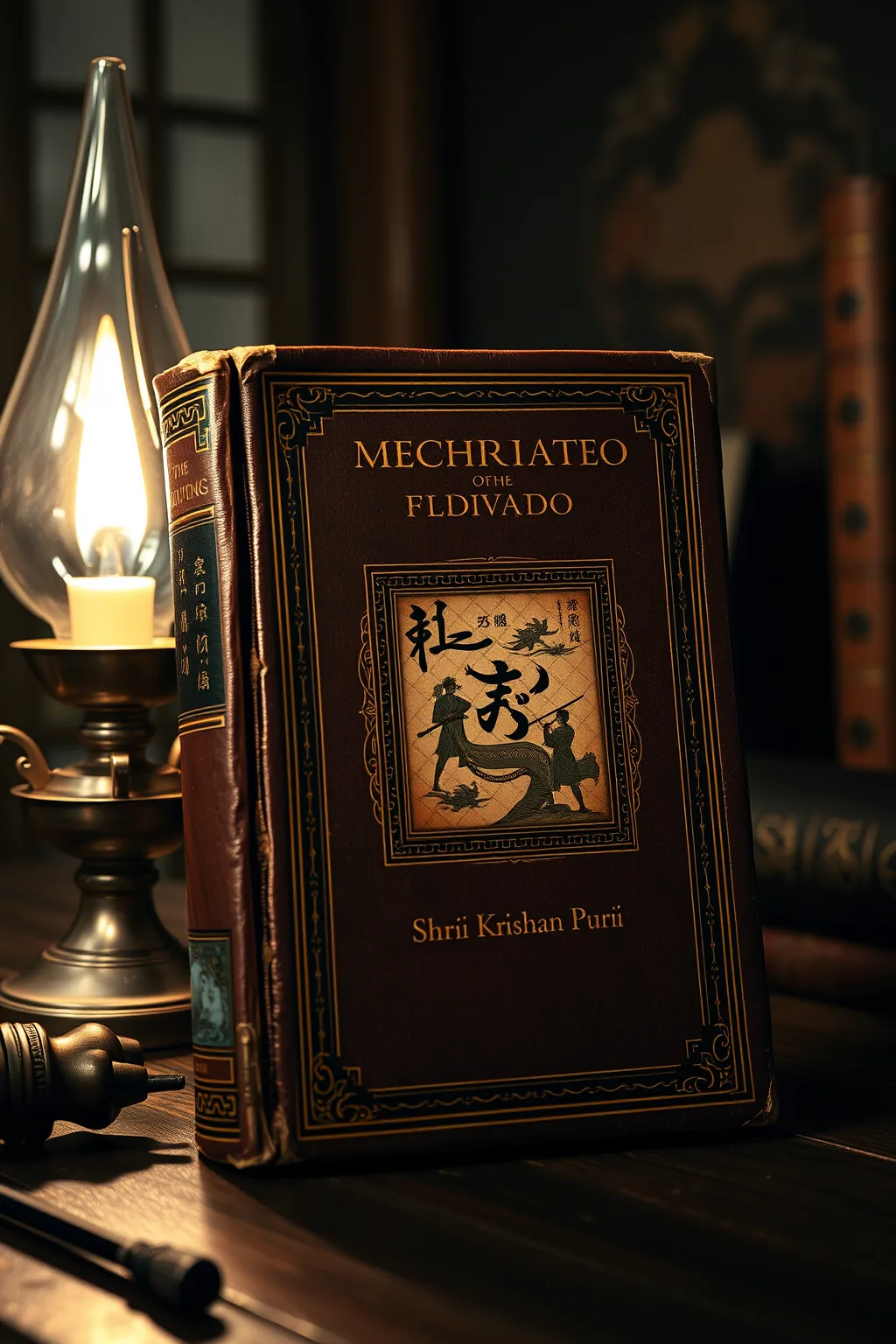
The Basic Principles Of The Fuchiyado Meditation The Samurai Blowgun Martial Art
 77
77

The Basic Principles Of The Fuchiyado Meditation The Samurai Blowgun Martial Art



Celeste Moreau (Divination & Symbolism Reviewer) — Shri Krishan Puri's "The Basic Principles of the Fuchiyado Meditation" is a revelatory text, shedding profound esoteric light on the art of Fukiya. Puri doesn't just teach the mechanics of the blowgun; he unlocks its spiritual core, revealing it as a potent vehicle for Zen-like mindfulness and disciplined self-mastery. The book’s strength lies in its ability to connect the precise, often deadly, practice of Fukiya to universal principles of breath control, focus, and inner stillness. This work is indispensable for practitioners of martial arts seeking deeper spiritual dimensions, scholars of esoteric Japanese culture, and anyone drawn to ancient wisdom traditions that bridge the physical and the metaphysical. It’s a rare glimpse into a discipline where the breath becomes a mantra and the dart, a focused intention.
📝 Description
77
Shri Krishan Puri's 1994 book details the Fuchiyado meditation, a samurai blowgun martial art.
This text examines the Fuchiyado meditation, a martial art centered on the Japanese blowgun, or fukiya. Shri Krishan Puri details its history and spiritual aspects, connecting it to monastic warriors of the past. The book focuses on how the practice cultivates meditative states, intent, and breath control, turning the blowgun into an extension of the practitioner's will.
Beyond physical technique, the fukiya art is presented as a route to inner quiet and increased awareness. Puri connects the discipline to philosophical traditions, including Zen Buddhism and Shinto nature reverence, alongside a warrior's quest for mastery. It aims to reveal the link between breath, mind, and the wider world, offering a path for those seeking self-discipline and spiritual growth through this specific martial art.
The Fuchiyado meditation belongs to a tradition of esoteric martial practices that emphasize internal cultivation alongside external skill. Like certain forms of Zen archery (Kyudo) or sword arts (Iaido), it uses a specific discipline as a vehicle for spiritual development. The focus on breath control and focused intent aligns with internal alchemy principles found in various Eastern traditions, aiming to unify mind, body, and spirit. This approach views the martial art not as a means of combat, but as a structured path toward self-realization and heightened consciousness.
✍️ Author
Shri Krishan Puri in
This is a list of people affiliated with the Panjab University at Chandigarh. The list excludes people whose only connection with Panjab University is that they were awarded an honorary degree.
💡 Why Read This Book?
Uncover the hidden spiritual dimensions of the Samurai blowgun art, Fukiya. This book offers a unique path to enhanced mindfulness, discipline, and inner peace through ancient meditative techniques. Ideal for seekers of esoteric knowledge, martial arts practitioners, and those fascinated by Japanese mystical traditions. Discover how breath control and focused intent can transform a deadly art into a profound spiritual practice.
⭐ Reader Reviews
Honest opinions from readers who have explored this book.
❓ Frequently Asked Questions
What is Fukiya and its historical significance?
Fukiya is an ancient Japanese martial art utilizing a blowgun. Historically, it was a precise and deadly skill mastered by dedicated monks, blending martial prowess with deep meditative practice, and now exists as a popular national sport in Japan.
What are the core principles of Fuchiyado meditation?
The Fuchiyado meditation emphasizes focused breath control, unwavering concentration, and the cultivation of inner stillness. It teaches practitioners to achieve a state of heightened awareness and intent, transforming the act of blowing into a profound spiritual discipline.
Is prior martial arts experience necessary to read this book?
No, prior martial arts experience is not strictly necessary. The book is designed to guide individuals, from beginners to seasoned practitioners, through the foundational principles of Fuchiyado meditation and its connection to the blowgun art.
How does Fukiya relate to spiritual development?
Fukiya's rigorous demands on breath, focus, and mental discipline mirror core tenets of spiritual growth, such as mindfulness, patience, and the mastery of one's internal state. It offers a tangible practice for achieving inner calm and self-awareness.
What makes this book unique among martial arts literature?
This book uniquely bridges the gap between a physical martial art and deep esoteric philosophy. It reveals the spiritual and meditative secrets of Fukiya, offering insights often overlooked in purely technical martial arts texts, providing a holistic approach to self-cultivation.
🔮 Key Themes & Symbolism
The Breath as a Spiritual Conduit
The book intricately explores the breath not merely as a biological function but as a vital conduit for spiritual energy and focused intent. It examines the nuanced control of exhalation, transforming it into a meditative act that aligns the mind, body, and spirit. This section illuminates how precise breathwork in Fukiya cultivates inner stillness, enhances concentration, and allows practitioners to tap into a deeper reservoir of inner power, moving beyond mere physical exertion to a state of profound energetic attunement. The understanding of breath becomes the central to mastering both the martial art and the self.
Zen Principles in Action: Discipline and Impermanence
Fundamentally, Fuchiyado Meditation is a practical application of Zen Buddhist philosophy. The text elucidates how the disciplined precision required for Fukiya—the steady hand, the unwavering gaze, the controlled exhalation—mirrors the Zen pursuit of enlightenment through focused, present-moment awareness. It explores the concept of impermanence as seen in the fleeting trajectory of the dart, encouraging acceptance and detachment. This theme highlights the martial art as a living meditation, where each practice session becomes an opportunity to confront the ego, cultivate equanimity, and understand the transient nature of existence, fostering a path towards inner freedom.
The Warrior Monk's Path: Mind-Body Integration
This theme examines the archetype of the warrior monk, a figure who harmonizes martial ferocity with profound spiritual insight. The book details how the Fuchiyado tradition embodies this integration, teaching that true strength lies not just in physical prowess but in the cultivated mind and the disciplined spirit. It explores the esoteric understanding of how mastering the blowgun requires an almost telepathic connection between the practitioner's intent and the projectile's path, a proof of the ultimate unity of mind and body. This path is presented as a journey of self-discovery, where external discipline leads to internal liberation and a holistic approach to life.
💬 Memorable Quotes
Direct passages from the work, attributed to the author.
“Stillness within the storm; power in the exhale.”
— This highlights the paradoxical nature of the art, where tranquility is found amidst tension, and true strength is unleashed through controlled, deliberate exhalation.
“Every dart, a focused thought released.”
— This metaphor illustrates the mental discipline required, framing the projectile's flight as the tangible manifestation of a pure, concentrated intention.
“The blowgun whispers ancient secrets of focus.”
— This poetic phrase suggests the instrument itself is a repository of forgotten wisdom, teaching profound lessons in concentration and mindful action.
💡 Key Ideas
Editorial paraphrase of the work's core concepts — not direct quotes.
The breath is the anchor of the soul.
This quote emphasizes the profound connection between respiration and one's inner essence, suggesting breath control is fundamental to spiritual stability and self-awareness.
Master the breath, master the self.
A core tenet of the practice, this quote expresses the idea that internal control through breath is the ultimate key to personal mastery and spiritual attainment.
🌙 Esoteric Significance
Tradition
The Fuchiyado meditation is deeply rooted in esoteric Japanese spiritual traditions, particularly Zen Buddhism and Shinto. It draws parallels with the meditative practices of Zen monks, emphasizing mindfulness, present-moment awareness, and the pursuit of enlightenment through disciplined action. The Shinto reverence for nature and the interconnectedness of all things also subtly informs the art, suggesting a harmonious relationship between the practitioner and their environment. This tradition views the blowgun not merely as a weapon but as a tool for spiritual refinement, where the controlled release of breath and projectile becomes a ritualistic act connecting the earthly to the ethereal.
Symbolism
The blowgun itself is a potent symbol within the Fuchiyado tradition. The act of blowing through it represents the expulsion of negative thoughts and attachments, purifying the mind. The dart symbolizes focused intent and the swift, precise execution of one's will. The breath, the unseen force that propels the dart, represents the vital life energy (ki or prana) that connects the physical and spiritual realms. The Fuchiyado meditation imbues these elements with deep symbolic meaning, transforming a physical practice into a profound exploration of self-mastery, intention, and the manifestation of inner power in the external world.
Modern Relevance
In the fast-paced, often chaotic modern world, the principles of Fuchiyado meditation offer a vital sanctuary for cultivating inner peace and mental fortitude. The emphasis on breath control and focused attention provides practical tools for managing stress, enhancing concentration, and fostering mindfulness in daily life. For practitioners of martial arts, it offers a path to deeper spiritual engagement beyond physical techniques. For those seeking personal growth, it presents an accessible yet profound method for developing discipline, patience, and a more profound connection with their own inner reserves of strength and tranquility, making ancient wisdom directly applicable to contemporary challenges.
👥 Who Should Read This Book
This profound text is essential for spiritual seekers yearning to explore unique paths to self-discovery, particularly those drawn to Eastern philosophies and esoteric practices. Martial arts practitioners, from beginners to advanced students, will find invaluable insights into the meditative and philosophical underpinnings of their discipline, enriching their practice with a deeper sense of purpose. Scholars of Japanese culture, history, and religion will appreciate the detailed historical and spiritual context provided for the Fukiya art. Furthermore, anyone seeking to cultivate greater focus, discipline, and inner peace through ancient, yet highly practical, techniques will benefit immensely from the wisdom contained within.
📜 Historical Context
Written in 2011 by Shri Krishan Puri, 'The Basic Principles of the Fuchiyado Meditation' emerges in an era where interest in traditional Eastern practices and their spiritual applications has seen a global resurgence. The book situates the ancient art of Fukiya within its historical Japanese context, a discipline that evolved from practical hunting and warfare into a refined art form, particularly within monastic communities. This period saw a growing appreciation for disciplines that offered not just physical training but also mental and spiritual development, aligning with a broader cultural trend of seeking deeper meaning and ancient wisdom. Puri's work taps into this interest, presenting Fukiya not just as a historical curiosity but as a living tradition with profound contemporary relevance for self-cultivation. The book bridges the gap between the feudal past of the samurai and the modern seeker, offering a tangible link to centuries of disciplined practice.
📔 Journal Prompts
Reflect on a moment where your breath significantly influenced your emotional state. How could you harness this power more consciously?
Consider the concept of 'focused intent.' How can you apply this principle to a specific goal or challenge in your life?
What does 'inner stillness' mean to you? How might the practice of Fuchiyado meditation help you achieve it?
Explore the relationship between discipline and freedom in your life. Where do you see room for more conscious discipline leading to greater liberation?
How can the act of releasing something (like a dart, or a breath) symbolize letting go of something in your life?
🗂️ Glossary
Fukiya
An ancient Japanese martial art and sport involving the use of a blowgun, characterized by precision, discipline, and meditative focus.
Fuchiyado
Refers to the specific lineage or school of Fukiya practice discussed in the book, emphasizing its meditative and spiritual principles.
Ki
A fundamental concept in Japanese philosophy and martial arts, referring to vital life force energy or spirit that flows through all things.
Zen Buddhism
A school of Mahayana Buddhism emphasizing rigorous meditation, self-discipline, and the attainment of enlightenment through direct experience and mindfulness.
Shinto
The indigenous religion of Japan, focusing on the worship of kami (spirits or deities) found in nature and the observance of rituals.
This book appears in 8 collections
🔮 Readers Also Liked
Browse all →









From the “Meditation” Collection
View all →








More Free Spiritual Development Books
View all →