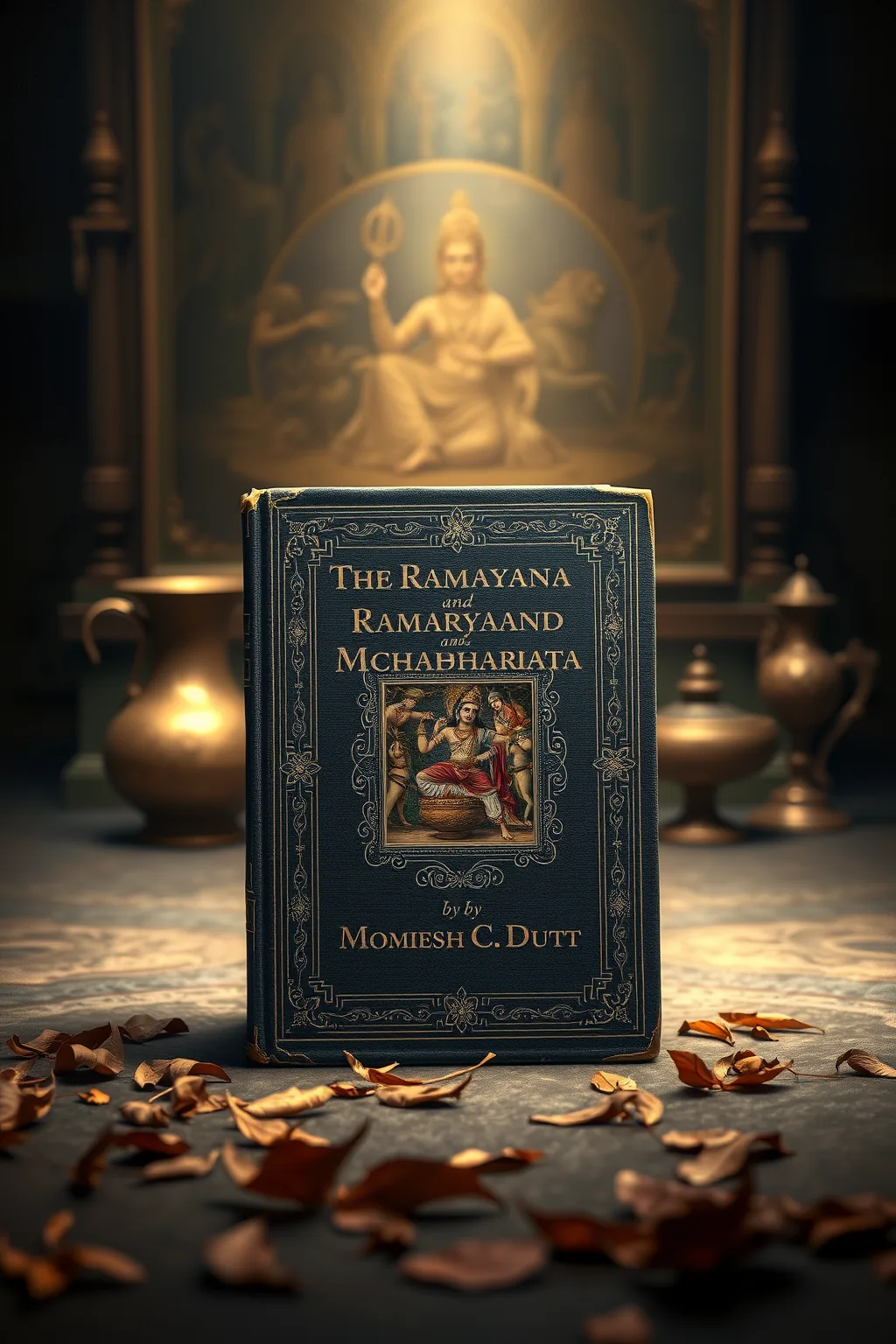
The Ramayana and Mahabharata
 73
73

The Ramayana and Mahabharata


Sophia Crane (Associate Editor) — Romesh C. Dutt’s "The Ramayana and Mahabharata" is an indispensable gateway to the profound spiritual and philosophical underpinnings of Indian civilization. Dutt's genius lies in his ability to distill the essence of these monumental epics into concise, elegant English verse, making their intricate wisdom accessible without sacrificing their inherent grandeur. For the discerning reader seeking to understand the archetypal journeys of Rama and the Pandavas, this work offers a clear lens into concepts of dharma, karma, and the divine dance of creation. Its accessibility belies the depth of its esoteric insights, making it a cornerstone for anyone interested in comparative mythology, spiritual development, and the universal quest for meaning.
📝 Description
73
Romesh C. Dutt published his English verse retelling of the Ramayana and Mahabharata in 1899.
This 1899 edition by Romesh C. Dutt renders the Sanskrit epics, the Ramayana and Mahabharata, into English verse. Dutt, a scholar and administrator, aimed to make these complex narratives accessible to a Western readership. The book presents the stories, focusing on themes of divine action and the conflict between dharma and adharma. These epics are treated not just as stories but as sources of spiritual and philosophical understanding. Dutt's translation seeks to convey the insights into human life, reality, and spiritual freedom found in the original texts. The translation aims for clarity and evocative power, reflecting the spiritual ideas of ancient Indian yogis and seers. It invites contemplation on the forces that influence existence and the inner life.
This work translates core narratives of Hinduism into a format understandable to a non-Indian audience of its time. The Ramayana and Mahabharata are foundational texts within Indian spiritual traditions, detailing concepts like karma, reincarnation, and the pursuit of moksha (liberation). Dutt's effort makes these complex theological and philosophical ideas, often expressed through allegory and myth, available in English. His translation aims to preserve the spiritual and ethical teachings embedded within the epic poems, connecting them to a broader understanding of human spiritual development.
✍️ Author
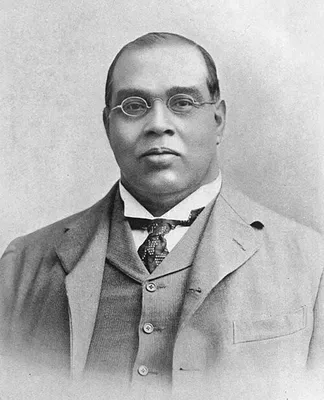
Romesh C Dutt
Romesh Chunder Dutt ; 13 August 1848 – 30 November 1909) was an Indian civil servant, economic historian, translator of Ramayana and Mahabharata. He was one of the prominent proponents of Indian economic nationalism.
💡 Why Read This Book?
This book is essential for seekers of ancient wisdom, spiritual scholars, and practitioners of Eastern philosophies. It offers a concise yet profound introduction to foundational Hindu epics, revealing universal truths about duty, destiny, and the human spirit. Uncover esoteric symbolism, archetypal patterns, and timeless lessons for personal growth and ethical living.
⭐ Reader Reviews
Honest opinions from readers who have explored this book.
❓ Frequently Asked Questions
What is the primary purpose of Romesh C. Dutt's retelling?
To introduce the grand Sanskrit epics, Ramayana and Mahabharata, to a Western audience in an accessible English verse format, preserving their spiritual essence and narrative power.
Are these full translations of the epics?
No, Dutt's work is a concise retelling in verse, focusing on the core narratives and philosophical themes rather than a word-for-word translation.
What kind of spiritual insights can be found in these epics?
The epics explore concepts of dharma (righteousness), karma (action and consequence), divine justice, the nature of the soul, and the path to liberation through virtuous living and devotion.
Who was Romesh C. Dutt?
A prominent Indian civil servant, historian, economist, and poet who played a significant role in introducing Indian culture and literature to the West through his writings.
Is this book suitable for beginners interested in Indian mythology?
Absolutely. Dutt's accessible style makes it an ideal starting point for those unfamiliar with Indian mythology or Sanskrit literature, offering a clear and engaging entry into these epic narratives.
🔮 Key Themes & Symbolism
The Battle of Dharma and Adharma
At the core of both epics lies the eternal struggle between righteousness (dharma) and unrighteousness (adharma). This theme explores the consequences of moral choices, the cosmic order, and the persistent human inclination towards both virtue and vice. The narratives serve as profound allegories, illustrating how adherence to dharma leads to prosperity and liberation, while its transgression invites suffering and chaos. This cosmic duality is not just a plot device but a foundational principle for understanding the spiritual and ethical fabric of existence.
Archetypal Journeys of the Soul
The protagonists, Rama and the Pandava brothers, embody archetypal journeys of self-discovery, resilience, and spiritual evolution. Their trials, tribulations, and ultimate victories offer profound lessons on duty, sacrifice, loyalty, and the unwavering pursuit of truth. These characters are not merely historical figures but symbolic representations of the human soul working through the complexities of life, facing inner demons, and striving for enlightenment. Their narratives provide a blueprint for spiritual growth and the realization of one's divine potential.
Divine Intervention and Cosmic Justice
The presence of deities and divine intervention underscores the belief in a guiding cosmic order. The epics illustrate that actions have far-reaching consequences, often orchestrated by a higher power to maintain balance and ensure justice. This theme examines concepts of karma, destiny, and the interconnectedness of all beings within the grand design. It suggests that even amidst apparent chaos, there is an underlying intelligence and purpose that guides events towards their ultimate resolution.
💬 Memorable Quotes
Direct passages from the work, attributed to the author.
“Truth is the only God.”
— This potent statement emphasizes the supreme importance of truth as the ultimate divine principle, a guiding light for righteous living and spiritual realization.
“For what is a man profited, if he shall gain the whole world, and lose his own soul?”
— A profound reminder that material possessions pale in comparison to the eternal value of one's inner spiritual state and moral integrity.
“The world is a battle-field, and man is the soldier.”
— This metaphor highlights the inherent challenges and conflicts of life, framing human existence as a constant struggle for virtue and self-mastery.
“The past is gone, the future is yet to come, and the present is the only time we have.”
— An essential teaching on mindfulness and the importance of living fully in the present moment, recognizing its fleeting yet crucial nature.
“Dharma is the only refuge.”
— This emphasizes the paramount significance of righteousness and duty as the ultimate sanctuary and guiding force in a turbulent existence.
🌙 Esoteric Significance
Tradition
These epics are deeply rooted in the Vedic and Puranic traditions of Hinduism, serving as reservoirs of philosophical thought, cosmology, and spiritual practices. They expound upon concepts central to Vedanta, yoga, and the pursuit of moksha (liberation), offering allegorical representations of the divine, the human psyche, and the intricate workings of karma and reincarnation.
Symbolism
The narratives are replete with profound symbolism. Rivers often represent the flow of consciousness or life force, forests symbolize periods of spiritual retreat or exile, and divine weapons embody spiritual powers or knowledge. Characters like Hanuman represent selfless devotion and strength, while demons embody primal desires and ignorance, making the epics a body of allegorical meaning.
Modern Relevance
In a world grappling with ethical dilemmas, existential questions, and the search for inner peace, the timeless wisdom of the Ramayana and Mahabharata remains remarkably relevant. Their exploration of dharma, duty, conflict resolution, and the pursuit of a meaningful life offers guidance for personal development, societal harmony, and spiritual awakening in the 21st century.
👥 Who Should Read This Book
This book is ideal for anyone seeking a profound introduction to the spiritual and philosophical heart of India. Beginners will find Dutt's verse an accessible entry point into complex narratives. Scholars of comparative mythology and religion will appreciate the concise yet insightful presentation. Spiritual seekers and practitioners will discover timeless lessons on dharma, karma, and the human condition, offering useful insights for personal growth and ethical living.
📜 Historical Context
Published in 1899, Romesh C. Dutt's "The Ramayana and Mahabharata" emerged during an important era of British colonial rule in India. This period saw a burgeoning intellectual movement among Indians seeking to reclaim and re-articulate their rich cultural heritage. Dutt, a scholar and nationalist, aimed to bridge the cultural divide, presenting these foundational epics to a Western audience with clarity and respect. His work contributed to a growing global appreciation for Indian literature and philosophy, while simultaneously serving as a cultural touchstone for Indians themselves, reinforcing the enduring power of their ancient narratives in a rapidly changing world.
📔 Journal Prompts
Reflect on a character's adherence to dharma in the face of adversity. How does this resonate with your own life?
Consider the concept of karma as presented in these epics. How do your actions today shape your future?
What archetypal journey do you see yourself currently undertaking? What lessons can you draw from Rama's or the Pandavas' experiences?
Analyze the symbolism of a particular element or character. What deeper spiritual meaning does it represent?
How can the principles of righteousness (dharma) be applied to modern challenges and ethical dilemmas in your own community?
🗂️ Glossary
Dharma
Cosmic law, righteousness, duty, moral order, and the inherent nature of things. It is the foundation of ethical conduct and spiritual living.
Karma
The principle of cause and effect, where actions (karma) create consequences that shape present and future lives. It is a fundamental law governing existence.
Moksha
Liberation from the cycle of birth, death, and rebirth (samsara). It is the ultimate spiritual goal, characterized by freedom and union with the divine.
Adharma
The opposite of dharma; unrighteousness, injustice, chaos, and deviation from the cosmic order. It leads to suffering and disintegration.
Avatar
A divine incarnation or manifestation of a deity on Earth, such as Rama, who descends to restore dharma and protect the righteous.
This book appears in 1 collection
🔮 Readers Also Liked
Browse all →









From the “Transcendental Meditation” Collection
View all →







More Free Spiritual Development Books
View all →