The Babylonian Prophecies and the Astrological Traditions of Mesopotamia
 80
80

The Babylonian Prophecies and the Astrological Traditions of Mesopotamia



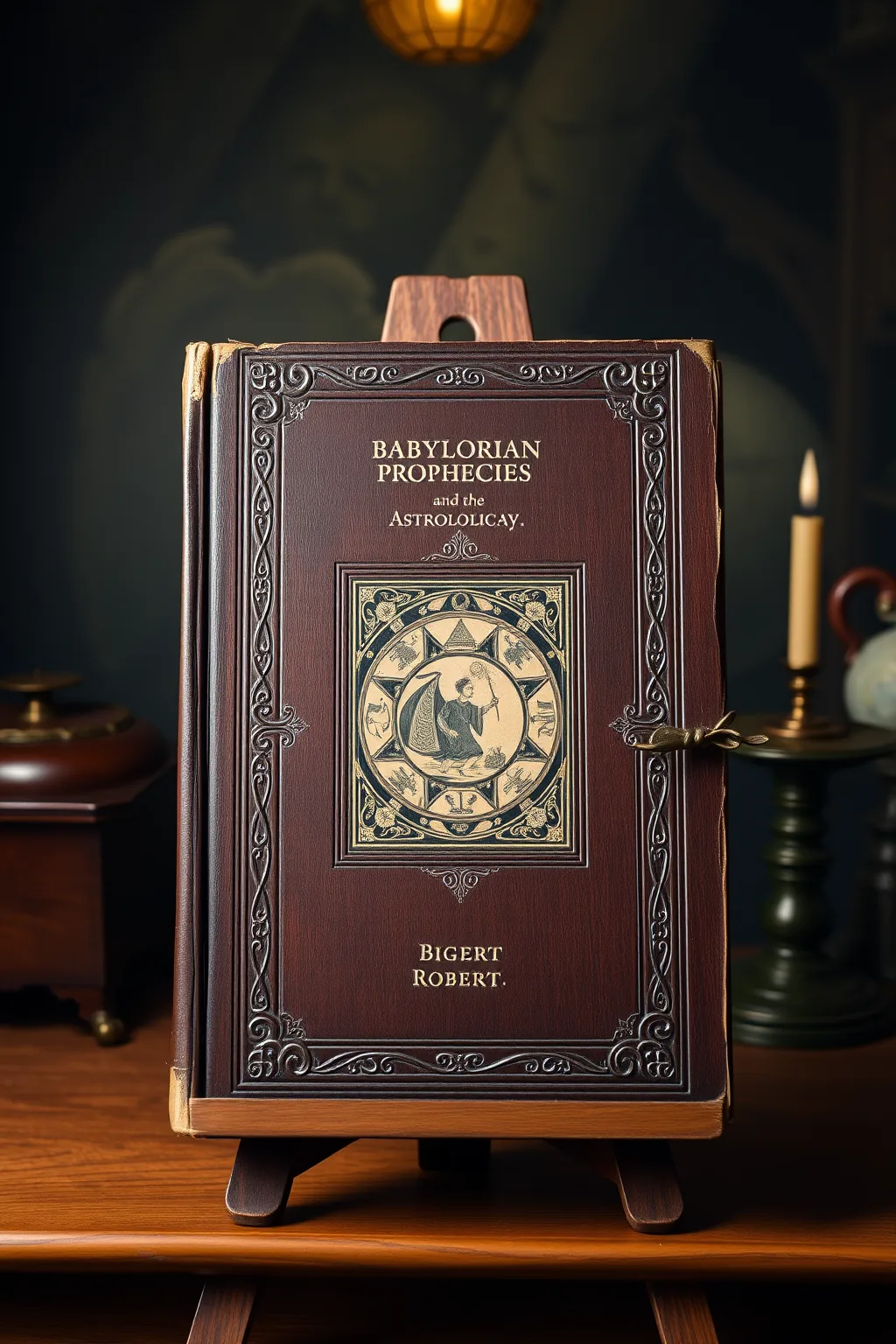
'The Babylonian Prophecies and the Astrological Traditions of Mesopotamia' by Robert Biggs is a treasure trove for modern esoteric seekers. Published in the Journal of Cuneiform Studies, this work provides a detailed examination of the astrological practices that were central to Mesopotamian culture. Biggs' thorough research and clear writing style make complex historical and astronomical concepts accessible to a wide audience. The book's exploration of how the Babylonians used astrology to guide their lives offers valuable insights into the enduring power of celestial observation. For those interested in the esoteric traditions of the ancient world, this text is an essential read. It not only enriches our understanding of Mesopotamian society but also highlights the timeless appeal of astrology.
📝 Description
80
Robert Biggs' 1982 book examines Babylonian astrology and prophecy.
This work by Robert Biggs details the astrological and prophetic traditions of ancient Mesopotamia. It covers the cuneiform tablets that record these practices, including the astronomical observations and their interpretations. Biggs discusses the structure of Mesopotamian divination, which involved observing celestial phenomena and omens. The book looks at how these beliefs influenced Babylonian society and its understanding of the cosmos.
Readers will find an examination of the specific divinatory texts and the methods used by Babylonian priests and scribes. This includes a focus on the ritualistic aspects and the symbolic language employed. The book aims to clarify the historical development and the conceptual frameworks behind these ancient practices.
Babylonian astrology forms a significant root for many later esoteric traditions. Its systematic observation of the heavens and the belief in celestial influence on earthly events laid groundwork for Hellenistic astrology, which in turn shaped Western esoteric thought for centuries. The Mesopotamian focus on omens and prophecy also connects to broader themes of divination found across diverse ancient cultures, demonstrating an early human attempt to understand cosmic order and its relation to human destiny.
💡 Why Read This Book?
Reading 'The Babylonian Prophecies and the Astrological Traditions of Mesopotamia' today offers a unique opportunity to connect with the ancient roots of astrology. This book provides a deeper understanding of how celestial bodies have influenced human thought and behavior for millennia. Whether you are a scholar, an astrologer, or simply curious about the occult, this text will enrich your knowledge and appreciation of esoteric traditions. It serves as a bridge between the past and the present, showing how ancient practices continue to resonate in modern times.
⭐ Reader Reviews
Honest opinions from readers who have explored this book.
❓ Frequently Asked Questions
What is the primary focus of 'The Babylonian Prophecies'?
The primary focus is the astrological traditions of ancient Mesopotamia, including how the Babylonians used celestial observations to predict future events and guide their lives.
Who should read this book?
This book is ideal for scholars of ancient history, astrologers, and anyone interested in the esoteric and occult traditions of the ancient world.
Is this book suitable for beginners in astrology?
While it provides valuable insights, the book is more suited for those with some prior knowledge of astrology and ancient history.
🔮 Key Themes & Symbolism
Celestial Omens
The book examines the intricate world of celestial omens, revealing how the Babylonians interpreted the movements of the stars and planets to predict future events. These omens were not merely astrological; they were deeply intertwined with religious and mystical beliefs, offering a glimpse into the spiritual range of ancient Mesopotamia.
Symbolism of the Stars
Biggs explores the strong symbolism associated with the stars and constellations in Babylonian culture. Each celestial body held a unique meaning, and their alignments were seen as messages from the divine. Understanding this symbolism provides a deeper appreciation for the esoteric practices of the ancient world.
Philosophical Significance
The Babylonian Prophecies offers a philosophical exploration of how ancient astrology shaped the worldview of the Babylonians. It reveals the profound connection between the cosmos and human existence, highlighting the enduring influence of these mystical beliefs on modern esoteric traditions.
💡 Key Ideas
Editorial paraphrase of the work's core concepts — not direct quotes.
The stars are the language of the gods, speaking to those who know how to listen.
This quote underscores the mystical belief that celestial bodies hold divine messages.
Each omen is a thread in the range of fate, woven by the hands of the cosmos.
This passage highlights the interconnectedness of celestial events and human destiny.
The heavens above are a mirror to the soul, reflecting the mysteries of existence.
This quote emphasizes the spiritual significance of astrology in Babylonian culture.
In the dance of the planets, we find the rhythm of our own lives.
This line underscores the belief that celestial movements influence human affairs.
The wisdom of the stars is an ancient whisper, echoing through the ages.
This quote highlights the enduring legacy of Babylonian astrology in modern esoteric traditions.
🌙 Esoteric Significance
Tradition
This book belongs to the Hermetic tradition, which emphasizes the connection between the macrocosm and the microcosm. It explores how the celestial movements and omens of the Babylonians reflect deeper spiritual truths and esoteric knowledge.
Symbolism
Key symbols in this work include the zodiac constellations, planetary alignments, and celestial omens. Each symbol holds a unique meaning, representing the divine messages that the Babylonians believed governed their lives. These symbols are rich in mystical significance, offering a window into the esoteric beliefs of ancient Mesopotamia.
Modern Relevance
The insights provided in this book are still relevant today, as modern practitioners of astrology and esoteric traditions continue to draw upon the ancient wisdom of the Babylonians. This work serves as a bridge between the past and present, highlighting the enduring legacy of Babylonian astrology in contemporary spiritual practices.
👥 Who Should Read This Book
Beginners in the field of astrology will find this book accessible and enlightening, offering a foundational understanding of ancient practices. Scholars of ancient cultures will appreciate the meticulous research and historical context provided. Spiritual seekers will be drawn to the mystical and esoteric themes, while practitioners of modern astrology will find valuable insights into the traditions that shaped their field.
📜 Historical Context
Written in 1985, 'The Babylonian Prophecies and the Astrological Traditions of Mesopotamia' provides a comprehensive look at the astrological practices of ancient Mesopotamia. During this era, Babylonian astrology was a core part of their culture, influencing everything from religious rituals to political decisions. Biggs' work was instrumental in shedding light on the mystical and esoteric aspects of these practices, revealing their philosophical significance and enduring influence. The book has since become a foundational text for scholars and practitioners of ancient astrology, offering a rich historical context for understanding the mystical traditions of the ancient world.
📔 Journal Prompts
Reflect on how the celestial omens of the Babylonians might influence your understanding of modern astrology?
Consider the symbolism of the stars in your own spiritual practice and how it aligns with ancient beliefs?
Explore the philosophical significance of the connection between the cosmos and human existence.
How do the ancient practices of Babylonian astrology continue to influence your spiritual journey?
Reflect on the enduring legacy of Babylonian astrology in contemporary esoteric traditions.
🗂️ Glossary
Celestial Omen
A divine message or sign interpreted from the movements of celestial bodies.
Zodiac
A belt-shaped region of the sky that extends approximately 8 degrees north and south of the ecliptic, divided into 12 constellations.
Planetary Alignment
The arrangement of planets in the sky, believed to hold significant astrological meaning.
Macrocosm
The large-scale universe, often contrasted with the microcosm, or the individual.
Microcosm
The individual, seen as a reflection of the larger universe.
This book appears in 1 collection
🔮 Readers Also Liked
Browse all →








From the “Astrology” Collection
View all →








More Free Astrology & Cosmology Books
View all →