Fruits Basket, Vol. 5

 75
75

Fruits Basket, Vol. 5
Volume 5 of *Fruits Basket* showcases Natsuki Takaya's continued skill in balancing the whimsical premise with genuine emotional weight. The interactions between Tohru and the various Sohma family members, especially Kyo and Yuki, are rendered with a sensitivity that makes their struggles palpable. One notable strength is the subtle deepening of the curse's implications, hinting at the generations of pain it has inflicted. However, the pacing can occasionally feel slow, with some narrative threads taking a backseat to extended character introspection, which might frustrate readers eager for plot progression. The exploration of Shigure's enigmatic behavior, for instance, remains somewhat opaque, leaving the reader wanting more concrete answers. Despite this, the volume remains a compelling chapter in Tohru's journey to heal the fractured Sohma family.
📝 Description
75
Fruits Basket, Vol. 5, published in 2004, continues Tohru Honda's entanglement with the cursed Sohma family.
This volume of Natsuki Takaya's manga follows Tohru Honda as she continues to learn the secrets of the Sohma family. The members of this family are cursed to transform into the animals of the Chinese zodiac when embraced by someone of the opposite sex. The narrative progresses the emotional development of characters like Kyo and Yuki Sohma, detailing their internal struggles and their evolving connections with Tohru. The story focuses on the interpersonal dynamics and emotional depth of the characters, rather than overt action or plot resolution.
This installment is for readers who have followed the series since its beginning and are invested in how the characters develop and the supernatural premise unfolds. It will appeal to those who enjoy shojo manga that mixes everyday life scenes with deeper psychological issues and elements of magical realism. Those looking for a direct plot or quick answers might find this volume concentrates more on the characters' relationships and emotional states.
Published in 2004, Fruits Basket Vol. 5 touches on themes that resonate with broader cultural interests in Eastern philosophies and spiritualism. The Sohma family's zodiac curse mirrors concepts of predestination and the impact of ancestral patterns on present lives. Takaya's work, while a work of fiction, engages with the symbolism of the zodiac and the idea of hidden identities and emotional burdens, aligning with spiritual explorations of self discovery and the reconciliation of inner and outer selves that were popular in the late 20th and early 21st centuries.
💡 Why Read This Book?
• Gain insight into the psychological impact of inherited curses, as seen with Kyo Sohma's ostracization due to his true form, offering a unique perspective on social isolation. • Experience Tohru Honda's empathetic approach to healing trauma, providing a model for compassionate interpersonal dynamics within the context of the Sohma family's unique supernatural affliction. • Understand the symbolic weight of the Chinese zodiac animals as presented in Volume 5, specifically how the curse manifests and influences the characters' personalities and interactions.
⭐ Reader Reviews
Honest opinions from readers who have explored this book.
❓ Frequently Asked Questions
When was Fruits Basket, Vol. 5 originally published in Japan?
Fruits Basket, Vol. 5 was originally published in Japan in 2004, continuing the serialization of Natsuki Takaya's popular shojo manga series.
What is the central supernatural element in Fruits Basket?
The central supernatural element is the Sohma family's curse, where members transform into animals of the Chinese zodiac when hugged by someone of the opposite sex.
Who is the author of Fruits Basket?
The author of Fruits Basket is Natsuki Takaya, who created the beloved shojo manga series.
Does Fruits Basket, Vol. 5 introduce new zodiac characters?
While Volume 5 deepens the interactions with existing characters tied to the zodiac, its primary focus is on the emotional development of characters already introduced, rather than introducing entirely new zodiac-afflicted members.
What themes are explored in Fruits Basket, Vol. 5?
Volume 5 explores themes of familial curses, inherited trauma, acceptance, empathy, and the struggle against fate, primarily through the lens of the Sohma family's relationships.
Is Fruits Basket, Vol. 5 suitable for new readers?
This volume is best enjoyed by readers who have followed the series from the beginning, as it builds upon established character relationships and plot points introduced in earlier volumes.
🔮 Key Themes & Symbolism
The Zodiac Curse and Its Toll
The core of *Fruits Basket*, particularly in Volume 5, lies in the profound psychological and social toll of the Sohma family's zodiac curse. This isn't merely a physical transformation but a deeply ingrained aspect of their identity, fostering isolation and emotional repression. Takaya meticulously illustrates how this inherited burden shapes their interactions, creating barriers to genuine connection. The volume emphasizes that the curse affects not just the afflicted individuals but also their families and those who become entangled with them, highlighting themes of inherited trauma and the struggle for self-acceptance against a seemingly inescapable fate.
Tohru's Empathetic Influence
Tohru Honda's unwavering kindness and empathy serve as a central thematic counterpoint to the Sohma family's despair. In Volume 5, her persistent efforts to understand and connect with Kyo and Yuki, despite their defenses, highlight the transformative power of genuine compassion. Her perspective challenges the characters' ingrained beliefs about their cursed existence, suggesting that acceptance and love can begin to unravel the generational pain. This theme positions empathy not as a weakness, but as a potent force capable of fostering healing and breaking cycles of negativity within the family.
Family Bonds and Isolation
The narrative critically examines the nature of family, contrasting the idealized notion with the fractured reality of the Sohma household. Volume 5 showcases the intense isolation experienced by many family members, particularly those whose zodiac forms are considered less desirable or who struggle with their imposed roles. The curse acts as a physical manifestation of this estrangement, forcing members into secrecy and fear. Yet, Tohru's presence begins to foster alternative bonds, suggesting that chosen family and genuine emotional support can offer solace and a path toward reconciliation, even within such a dysfunctional structure.
Destiny Versus Free Will
A persistent theme throughout *Fruits Basket* is the tension between destiny and individual free will, a concept amplified in Volume 5. The zodiac curse represents a predetermined fate that dictates much of the characters' lives and emotional states. However, the narrative consistently questions whether this fate is immutable. Tohru's influence and the characters' burgeoning desires for a different life suggest that agency and conscious choice can challenge even the most powerful curses. This exploration invites readers to consider their own perceived limitations and the possibility of forging their own paths.
💬 Memorable Quotes
Direct passages from the work, attributed to the author.
““I want to be with you. I want to be with everyone.””
— This sentiment, often expressed by Tohru Honda, expresses her core motivation. It speaks to a deep desire for belonging and connection, not just for herself but for those she cares about, particularly the isolated members of the Sohma family.
““I’m not human.””
— A recurring statement from characters like Kyo Sohma, reflecting the internal conflict and shame associated with their cursed transformations, signifying a rejection of their true selves and a feeling of being monstrous or fundamentally different.
““Why can’t I just disappear?””
— Voiced by characters grappling with immense emotional pain and social isolation, this question reflects a deep weariness and a desire to escape the burdens of their existence, particularly the curse and its consequences.
““Don’t touch me!””
— This sharp rejection, often aimed at Tohru by the more guarded Sohma members, illustrates the deep-seated fear of intimacy and the potential exposure of their cursed nature, showcasing the emotional barriers they've erected.
💡 Key Ideas
Editorial paraphrase of the work's core concepts — not direct quotes.
“Even if it’s just a little bit, if I can make someone happy, I want to do that.”
This paraphrase captures Tohru's altruistic drive. It highlights her simple yet profound philosophy of finding purpose and joy in contributing positively to the lives of others, acting as a gentle force against the despair surrounding her.
🌙 Esoteric Significance
Tradition
While not explicitly adhering to a single esoteric tradition, *Fruits Basket* draws heavily on the symbolic framework of the Chinese Zodiac, which has deep roots in Daoism and folk beliefs. The concept of inherited curses and familial spiritual burdens can be loosely aligned with themes found in various Gnostic or ancestral veneration traditions, where lineage and spiritual contamination play significant roles. Takaya uses these elements less as doctrine and more as a narrative device to explore universal human experiences of trauma, belonging, and self-discovery.
Symbolism
The primary symbolism revolves around the twelve animals of the Chinese Zodiac. Each animal represents not just a birth year but also associated personality traits and archetypes, which are exaggerated and weaponized by the Sohma curse. The Cat, notably absent from the zodiac but central to Kyo's cursed form, symbolizes ostracization and a connection to a darker, rejected aspect of the self. Tohru Honda herself acts as a symbol of purity, unconditional love, and the potential for spiritual renewal, akin to a bodhisattva figure, offering solace and breaking cycles of suffering.
Modern Relevance
Contemporary manga and anime continue to explore themes of inherited trauma and supernatural curses, often with a similar blend of psychological depth and fantastical elements seen in *Fruits Basket*. Thinkers in positive psychology and trauma-informed care might find Tohru's methods of empathy and validation relevant, albeit within a fictional context. The series' enduring popularity demonstrates a continued cultural fascination with finding meaning in ancient symbolic systems like the zodiac and applying them to modern emotional and psychological landscapes.
👥 Who Should Read This Book
• Readers interested in the psychological impact of curses and familial trauma, seeking narratives that explore deep emotional healing through empathy and acceptance. • Fans of shojo manga who appreciate character-driven stories with supernatural elements, particularly those who enjoy exploring complex relationships and internal character conflicts. • Students of comparative mythology and symbolism, especially those intrigued by the application of the Chinese Zodiac and its archetypes within a modern narrative context.
📜 Historical Context
Serialized in *Hana to Yume* from 1998 to 2006, Natsuki Takaya's *Fruits Basket* emerged during a period of significant evolution in shojo manga. The late 1990s and early 2000s saw a move beyond purely romantic narratives towards explorations of psychological depth, familial issues, and even trauma. While *Fruits Basket* didn't engage directly with specific esoteric movements like Theosophy or Kabbalah in an academic sense, its use of the Chinese zodiac and its focus on inherited curses tapped into a broader cultural interest in symbolism and spiritual underpinnings. This era also saw authors like CLAMP pushing boundaries in genre-bending manga. The series achieved considerable mainstream success, demonstrating a public appetite for stories that combined supernatural elements with relatable emotional struggles, unlike more traditional fantasy or slice-of-life genres of the time.
📔 Journal Prompts
The nature of Kyo Sohma's ostracization due to his cursed form.
Tohru Honda's unwavering belief in the good of others.
The isolation experienced by Shigure Sohma and his motivations.
The symbolic meaning of the Cat's exclusion from the zodiac.
Momiji Sohma's cheerful demeanor contrasted with his past.
🗂️ Glossary
Chinese Zodiac
A cyclical classification scheme based on twelve years, each represented by an animal and its reputed behavioral characteristics. In *Fruits Basket*, this is manifested as a supernatural curse affecting the Sohma family.
Shojo Manga
A category of Japanese comics primarily aimed at a young female audience, often featuring romance, drama, and emotional character development alongside various genres.
Curse
In the context of *Fruits Basket*, this refers to the supernatural affliction binding the Sohma family members to zodiac animals, causing them to transform upon physical contact with the opposite sex.
Empathy
The ability to understand and share the feelings of another. Tohru Honda's profound empathy is a key force driving the narrative and character development.
Inherited Trauma
The transmission of painful experiences or emotional wounds from one generation to the next. This is a central theme explored through the Sohma family's generational curse.
Archetype
A symbolic character, theme, or pattern of behavior found in the collective unconscious across cultures. The zodiac animals in the book function as archetypes.
Belonging
The state of being accepted or fitting in. This is a core desire for many characters, particularly the Sohma family members alienated by their curse.
🔮 Readers Also Liked
Browse all →









More by 高屋奈月
All books →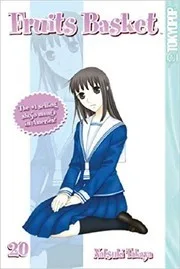





More Free Astrology & Cosmology Books
View all →