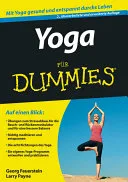
Yoga für Dummies
 79
79

Yoga für Dummies
Georg Feuerstein and Larry Payne’s "Yoga für Dummies" attempts to distill the vast ocean of yogic practice into a digestible format for the uninitiated. Its primary strength lies in its clear, step-by-step visual guides to fundamental asanas, making the physical practice accessible. The book’s pragmatic approach to stress reduction and breathwork, particularly the detailed explanation of techniques for conscious breathing, is commendable. However, the work occasionally feels oversimplified, potentially glossing over the deeper philosophical underpinnings that Feuerstein himself has explored in more scholarly works. For instance, while the concept of 'pranayama' is introduced, its intricate connection to subtle energy channels (nadis) is only touched upon lightly. Despite this, for a reader primarily seeking practical application and stress relief, the book delivers a functional introduction. It serves as a competent entry point, though seasoned practitioners might find its depth wanting.
📝 Description
79
Published in 2011, Yoga für Dummies aimed to clarify yoga's principles for Westerners.
Yoga für Dummies, by Georg Feuerstein and Larry Payne, offers a clear introduction to yoga practice. The authors break down fundamental elements, focusing on how yoga can aid physical relaxation and mental clarity. The book functions as a practical guide, presenting techniques in manageable steps.
This guide is suited for those new to yoga, providing illustrated instructions on basic poses and an overview of different styles. It also offers advice for those with some experience looking to build a personal practice. The book addresses the pressures of modern life, suggesting yoga as a structured method for improving well-being.
Feuerstein, a scholar of yoga, and Payne, a practitioner, collaborated on this work. They present a contemporary take on ancient practices, aligning with the trend of adapting Eastern philosophies for Western health markets. The book covers core concepts like asana, pranayama, and dhyana, stressing the mind-body connection as central to yoga.
Yoga für Dummies situates itself within the popularization of Eastern spiritual traditions in the West. While the "For Dummies" series generally aims for accessibility, Feuerstein's background as a yoga scholar lends a degree of authenticity to the presentation of concepts like asana, pranayama, and dhyana. The book bridges the gap between the commercialized wellness trends of the early 21st century and the historical roots of yogic philosophy, offering a structured approach to practices often presented in more fragmented ways.
💡 Why Read This Book?
• Gain practical, illustrated instructions for foundational yoga postures (asanas) and breathing exercises (pranayama), directly from the guidance provided in the book. • Understand how to select a suitable yoga style from various traditions, as explained by Georg Feuerstein and Larry Payne in their comparative sections. • Learn specific techniques for stress reduction and mental calm, as detailed in the book's approach to conscious breathing and meditation.
⭐ Reader Reviews
Honest opinions from readers who have explored this book.
❓ Frequently Asked Questions
When was "Yoga für Dummies" by Georg Feuerstein and Larry Payne first published?
The book "Yoga für Dummies" by Georg Feuerstein and Larry Payne was first published on September 6, 2011.
What are the main benefits of yoga presented in this book?
The book highlights physical relaxation, mental tranquility, stress reduction, conscious breathing techniques, and meditation as key benefits of practicing yoga.
Does "Yoga für Dummies" explain different types of yoga?
Yes, Georg Feuerstein and Larry Payne explain various yoga directions to help beginners find a style that suits them best, covering foundational differences.
Is this book suitable for experienced yoga practitioners?
While primarily aimed at beginners, the book also offers guidance for advanced practitioners on developing their personal yoga programs, adapting existing routines.
What is Georg Feuerstein known for in the field of yoga studies?
Georg Feuerstein is a respected scholar of yoga history and philosophy, known for his extensive research and writings on the subject.
How does the book approach teaching yoga poses?
The book uses illustrated step-by-step instructions to guide readers through the fundamental yoga postures, making them easy to follow and replicate.
🔮 Key Themes & Symbolism
Holistic Well-being
The work emphasizes yoga as a system for integrating mind and body, moving beyond mere physical exercise. It presents techniques for stress reduction and mental clarity as integral components of overall health. The book posits that by practicing asanas and pranayama, individuals can achieve a balanced state, fostering self-awareness and a deeper connection to their inner selves, aligning with ancient yogic philosophies.
Accessible Practice
A central theme is making yoga approachable for everyone, regardless of prior experience. Georg Feuerstein and Larry Payne use clear language and detailed illustrations to clarify postures and practices. The "For Dummies" format itself signifies a commitment to breaking down complex information into easily understandable steps, empowering beginners to start their yoga journey confidently.
Personalized Yoga
The book guides readers not only through basic practices but also toward developing a personal yoga program. It explores different yoga lineages, enabling individuals to identify styles that best suit their needs, physical condition, and goals. This focus on customization empowers practitioners to create a sustainable and effective routine tailored to their unique circumstances.
Mindful Breathing
Conscious breathing, or pranayama, is presented as a fundamental pillar of yoga for achieving both physical relaxation and mental focus. The text details specific breathing techniques designed to calm the nervous system, reduce anxiety, and enhance meditative states. This highlights the wide impact of breath control on overall well-being and self-awareness within the yogic framework.
💬 Memorable Quotes
Direct passages from the work, attributed to the author.
“Yoga as a path to stress reduction, conscious breathing, and meditation.”
— This core statement captures the book's primary aim: to present yoga not just as physical postures, but as a comprehensive system for managing modern life's pressures through breath and focused awareness.
“Beginners learn basic exercises in illustrated step-by-step instructions.”
— This highlights the book's practical, visual approach. The emphasis on step-by-step guidance with illustrations is key to making yoga accessible to those with no prior experience.
“Finding the right yoga direction for oneself.”
— This points to the book's utility in helping readers read through the diverse field of yoga styles, ensuring they find a practice that aligns with their personal needs and preferences.
“Advanced practitioners learn how to create a personal yoga program.”
— This demonstrates the book's value extends beyond novices, offering guidance for those seeking to deepen their practice and structure a routine that suits their evolving needs.
“Seeking physical relaxation and mental peace in everyday life.”
— This phrase captures the fundamental human desire that yoga, as presented in this book, aims to fulfill: a respite from the chaos of daily existence through ancient practices.
🌙 Esoteric Significance
Tradition
While "Yoga für Dummies" broadly introduces yogic principles, its primary lineage is that of Hatha Yoga, adapted for a Western audience. It draws from classical yoga texts but focuses on the physical (asana) and breath (pranayama) aspects often emphasized in contemporary practice. It departs from more strictly traditional or devotional lineages by prioritizing accessibility and practical application for health and stress management, aligning with the modern adaptation of ancient wisdom for secular contexts.
Symbolism
The book primarily focuses on the practical application of asanas and pranayama, with less emphasis on symbolic interpretation. However, the recurring motif of the lotus flower, often depicted in yoga imagery, symbolizes purity, spiritual awakening, and enlightenment within yogic traditions. The concept of 'prana' itself, vital life force, is central, representing the energetic dimension of existence that yoga seeks to cultivate and balance.
Modern Relevance
This work remains relevant today as countless individuals continue to seek accessible introductions to yoga for physical and mental well-being. Contemporary yoga instructors and wellness coaches often recommend such foundational texts. Its approach influences modern yoga studios that prioritize clear instruction and stress-reduction benefits, making it a touchstone for those engaging with yoga as a secular practice for self-improvement.
👥 Who Should Read This Book
• Absolute beginners interested in starting a yoga practice for physical fitness and mental calm, seeking clear, illustrated guidance. • Individuals experiencing stress or anxiety who want to learn practical techniques for relaxation and mindfulness through breathwork and gentle movement. • Those curious about different yoga styles but unsure where to begin, looking for an overview to help them choose a path aligned with their goals.
📜 Historical Context
Published in 2011, "Yoga für Dummies" arrived in a Western world deeply engaged with yoga and Eastern wellness practices. The "For Dummies" series, known for its accessible approach to complex subjects, aimed to democratize yoga's teachings. Georg Feuerstein, a prominent scholar of yoga history and philosophy, brought academic rigor, while Larry Payne provided practical instruction. This era saw a burgeoning academic interest in yoga's historical roots, contrasting with its widespread popularization as a fitness and stress-relief regimen. Contemporaries like T.K.V. Desikachar, who emphasized adapting yoga to the individual, represent a parallel but distinct pedagogical approach. The book's publication coincided with a broader cultural trend of seeking holistic health solutions, positioning yoga as a key component of modern self-care, distinct from earlier esoteric movements like Theosophy.
📔 Journal Prompts
Reflecting on the foundational asanas presented, which pose offers the most immediate sense of release?
Considering the principles of pranayama, how can conscious breathing be integrated into daily routines beyond formal practice?
Exploring the concept of finding a personal yoga direction, what initial preferences emerge from the descriptions?
Analyzing the book's approach to stress reduction, which technique seems most applicable to current life challenges?
Contemplating the mind-body connection as detailed in the text, what is one small step to foster greater awareness?
🗂️ Glossary
Asana
A physical posture or pose in yoga, traditionally understood as a steady and comfortable position for meditation, but widely practiced today for physical and mental health benefits.
Pranayama
The yogic practice of breath control, involving various techniques to regulate inhalation, exhalation, and retention, aimed at controlling vital life force (prana).
Dhyana
A state of deep meditative absorption or contemplation, often considered the seventh limb of Ashtanga yoga, leading towards Samadhi (enlightenment).
Hatha Yoga
A branch of yoga that typically involves physical postures (asanas) and breathing techniques (pranayama), often considered a preparatory path for more advanced yogic practices.
Vinyasa
A dynamic style of yoga characterized by flowing sequences of postures linked together with breath, creating a continuous movement.
Stressreduzierung
The German term for stress reduction, a key benefit highlighted in the book, achieved through yogic practices like deep breathing and mindful movement.
Meditation
A practice where an individual uses a technique – such as mindfulness, or to train attention and awareness – to achieve a mentally clear and emotionally calm state.