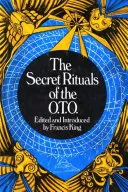
Tarot for Your Self
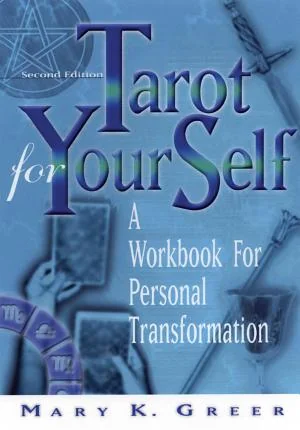
 78
78

Tarot for Your Self
Mary K. Greer's "Tarot for Your Self" distinguishes itself by prioritizing the user's internal experience over external dogma. Its strength lies in providing a structured yet flexible system for self-teaching, making the often-intimidating Tarot accessible for sustained personal exploration. The revised interpretations for the Minor Arcana, particularly the integration of astrological elements, offer a welcome depth beyond common interpretations found in many contemporary guides. One notable aspect is its emphasis on developing a personal lexicon for the cards, encouraging a dialog rather than a dictation of meaning. A potential limitation for some might be the sheer breadth of integrated systems (numerology, astrology, occult metaphysics), which could feel overwhelming without prior familiarity. However, the work's enduring appeal is its capacity to transform the Tarot deck into a potent tool for self-awareness and ongoing personal development.
📝 Description
78
Mary K. Greer's 2002 book, Tarot for Your Self, moves beyond memorization to foster an intuitive Tarot practice.
Tarot for Your Self, published in 2002, offers a structured method for personal Tarot study that emphasizes intuition over rote memorization. Mary K. Greer presents revised interpretations for the Minor Arcana, incorporating astrological and numerological correspondences. The book guides readers to develop their own way of working with the Tarot, using interactive exercises and reflective practices to encourage self-discovery. It functions as both a workbook and a reference, promoting a personal connection with the symbolic language of the cards.
This book is for individuals aiming to build an independent Tarot practice beyond basic meanings. It appeals to those interested in the psychological and spiritual aspects of divination, particularly those who value self-reflection and personal growth. Readers familiar with astrology, numerology, or occult metaphysics will find connections drawn to Tarot imagery. Experienced practitioners can also use it to refine their understanding or find new interpretive approaches.
Emerging in the early 21st century, Tarot for Your Self responded to the widespread, often simplified, dissemination of Tarot by the New Age movement. Greer's work advocated for a more rigorous, self-directed approach, aligning with a growing interest in psychological depth and esoteric traditions. Building on foundational texts, it shifted emphasis towards individual experiential learning, reflecting a broader trend toward personalized spiritual exploration within contemporary esoteric thought.
💡 Why Read This Book?
• Discover techniques for a more intuitive and personalized Tarot reading practice, moving beyond memorized meanings to foster genuine insight. • Integrate your existing knowledge of astrology, numerology, or occult metaphysics with Tarot symbolism, revealing deeper layers of meaning and connection. • Develop a consistent, reflective approach to Tarot study that supports ongoing self-discovery and psychological exploration, turning the cards into a personal growth companion.
⭐ Reader Reviews
Honest opinions from readers who have explored this book.
❓ Frequently Asked Questions
When was "Tarot for Your Self" originally published?
"Tarot for Your Self" by Mary K. Greer was first published on January 1, 2002, marking its entry into the esoteric literature landscape of the early 21st century.
What distinguishes Mary K. Greer's approach to Tarot interpretation?
Greer emphasizes self-teaching techniques and personal insight, encouraging readers to develop their own unique relationship with the Tarot rather than relying solely on external interpretations.
Does the book cover astrological or numerological connections to Tarot?
Yes, the book provides revised interpretations for the Minor Arcana and explicitly covers connections to astrology and numerology, integrating them into the study of Tarot symbolism.
Is "Tarot for Your Self" suitable for absolute beginners?
While it offers a comprehensive guide, its focus on personal insight and integration with other esoteric systems makes it particularly valuable for those ready to move beyond basic definitions and engage in deeper self-study.
What kind of exercises does the book include?
The book incorporates self-teaching techniques, journaling prompts, and reflective practices designed to foster a personal connection with the Tarot cards and their symbolic language.
Can this book help with understanding the Minor Arcana specifically?
Absolutely. A significant portion of the book is dedicated to providing revised and enriched interpretations for all the Minor Arcana cards, enhancing their depth and usability.
🔮 Key Themes & Symbolism
Personalized Tarot Interpretation
The core of Greer's methodology is the cultivation of an individual interpretive lens for the Tarot. Moving beyond established doctrines, the book guides readers to find personal resonance and meaning within each card. This is achieved through exercises that encourage introspection, journaling about card draws, and developing a unique symbolic language. The emphasis is on the Tarot as a tool for self-dialogue and psychological exploration, where the reader's own experiences and intuition are paramount in understanding the cards' messages. This approach empowers individuals to become their own authority on Tarot interpretation.
Integration of Esoteric Systems
Greer skillfully interweaves Tarot with other key esoteric disciplines, notably astrology and numerology. The book provides revised interpretations for the Minor Arcana that incorporate planetary rulers, zodiacal correspondences, and numerical values. This integration offers a multi-dimensional understanding of the cards, revealing how different symbolic systems inform and enrich one another. It encourages readers to see the Tarot not in isolation, but as part of a larger symbolic cosmos, enhancing the depth and complexity of readings and personal study.
Tarot as a Tool for Self-Discovery
Fundamentally, "Tarot for Your Self" presents the Tarot deck as a powerful instrument for introspection and psychological growth. The book advocates for using the cards as a mirror to the subconscious, facilitating the recognition of inner patterns, challenges, and potentials. Through specific self-teaching techniques, meditation, and reflective practices, readers are encouraged to engage with the archetypal energies of the Tarot to gain self-awareness. The goal is not merely prediction, but a deeper understanding of the self and one's life path.
Developing Intuitive Faculty
This work champions the development of intuitive perception as central to Tarot mastery. Greer suggests that while knowledge of traditional symbolism is foundational, true insight arises from a direct, felt connection with the cards. The book offers methods to hone this intuitive faculty, encouraging readers to trust their gut feelings and personal associations with the imagery and symbolism. By fostering this connection, individuals can unlock a more profound and nuanced understanding of Tarot readings, making them more personally relevant and impactful.
💬 Memorable Quotes
Direct passages from the work, attributed to the author.
“The Tarot is a mirror of the soul.”
— This concise statement expresses Greer's core philosophy: that the Tarot's primary function is to reflect the inner state of the individual, providing insights into their psychology and spiritual journey.
“Learn to ask questions that open doors, not ones that lock them.”
— This highlights the active, intentional nature of effective Tarot work. It suggests that the quality of one's inquiry directly influences the depth and usefulness of the answers received from the cards.
“The meanings of the cards are not fixed; they are fluid and responsive to the querent's situation.”
— This emphasizes the dynamic and context-dependent nature of Tarot interpretation, moving away from rigid, one-size-fits-all definitions towards a more personalized and situational understanding.
“Your personal associations with the cards are as valid as any scholarly interpretation.”
— This encourages self-trust and personal authority in Tarot study, validating the reader's unique connection to the imagery and symbolism as a legitimate source of meaning.
“The Tarot can guide you through the labyrinth of your own psyche.”
— This metaphorical interpretation positions the Tarot as an essential tool for working through the complexities of the inner self, aiding in self-understanding and personal growth.
🌙 Esoteric Significance
Tradition
This work is firmly rooted in the Western Esoteric Tradition, particularly drawing from Hermeticism and psychological archetypism influenced by Carl Jung. It functions as a modern grimoire for personal development, extending the Hermetic principle of 'As Above, So Below' to the internal landscape. While not strictly Kabbalistic or Theosophical, it utilizes symbolic correspondences common within these traditions, particularly astrology and numerology, to enrich the Tarot's application as a tool for self-initiation and understanding.
Symbolism
Central to the book's symbolism is the Tarot deck itself, viewed not as a divinatory tool alone, but as a map of the human psyche and spiritual journey. The Major Arcana are presented as archetypal stages or forces, while the Minor Arcana represent the unfolding of these energies in the material world. The integration of astrological symbols (planets, signs) and numerological values (1-10, court cards) provides a layered interpretive framework, allowing for a richer understanding of the interplay between cosmic influences and personal experience.
Modern Relevance
Greer's emphasis on self-directed learning and psychological depth continues to influence contemporary Tarot practitioners and esoteric educators. Her approach speaks to modern movements focused on mindfulness, personal growth, and therapeutic applications of divination. Thinkers and practitioners interested in Jungian psychology, modern Hermeticism, and the integration of esoteric tools for self-awareness find "Tarot for Your Self" a foundational text for developing an authentic, personalized spiritual practice.
👥 Who Should Read This Book
• Individuals seeking to deepen their personal connection with the Tarot beyond basic card meanings, fostering intuitive understanding and self-reflection. • Students of Western Esotericism, comparative religion, or Jungian psychology interested in exploring the symbolic language of Tarot and its integration with astrology and numerology. • Those starting a path of self-discovery and psychological exploration who wish to utilize a structured yet flexible system for gaining self-awareness and personal insight.
📜 Historical Context
Mary K. Greer's "Tarot for Your Self," published in 2002, emerged during a period of significant expansion and diversification within esoteric studies. The preceding decades had seen the popularization of Tarot through New Age channels, often leading to simplified interpretations. Greer’s work responded by advocating for a more profound, self-directed approach, aligning with a growing academic and practitioner interest in psychological depth and personal gnosis. It built upon the legacy of earlier Tarot scholars like A.E. Waite, whose "The Pictorial Key to the Tarot" (1910) provided foundational imagery and interpretations. However, Greer shifted the focus from historical reconstruction or predictive accuracy towards experiential learning and self-actualization. Her emphasis on integrating Tarot with other esoteric frameworks like astrology and numerology reflected a broader trend in contemporary occultism towards syncretism and personalized spiritual paths, distinguishing it from earlier, more rigidly defined systems.
📔 Journal Prompts
How does the imagery of the 'Four of Swords' personally reflect periods of necessary rest or withdrawal in my life?
Which Minor Arcana suit (Wands, Cups, Swords, Pentacles) currently feels most dominant in my daily experiences, and why?
Reflect on a recent challenge: which Tarot card or archetype seems to offer guidance or a mirror to this situation?
How can I apply the principle of 'asking questions that open doors' to my next Tarot reading session?
Consider the numerological significance of my birth date and how it might relate to the Tarot cards.
🗂️ Glossary
Minor Arcana
The four suits (Wands, Cups, Swords, Pentacles) of the Tarot deck, typically numbering from Ace to 10, plus the Page, Knight, Queen, and King. They are often seen as representing the mundane events and experiences of daily life.
Astrological Correspondences
The system of associating specific Tarot cards with planets, signs of the Zodiac, or astrological houses, thereby enriching their interpretive meaning through astrological symbolism.
Numerology
The study of the mystical or symbolic significance of numbers. In Tarot, this involves understanding the inherent meanings of numbers 1 through 10 and their relation to card interpretations.
Self-Teaching Techniques
Methods and exercises designed for independent learning and personal development, as applied in the book to the study and practice of Tarot reading.
Archetypes
Universal, primal symbols or images that recur across cultures and time, representing fundamental human experiences or patterns of behavior. The Tarot is often viewed as a system of archetypes.
Querent
The person for whom a Tarot reading is being performed. The term emphasizes the active role of the questioner in the divination process.
Occult Metaphysics
The philosophical study of the fundamental nature of reality, existence, and the occult, often exploring concepts beyond the purely material or empirically verifiable.
This book appears in 1 collection
🔮 Readers Also Liked
Browse all →








From the “Tarot” Collection
View all →




More Free Occult Philosophy Books
View all →