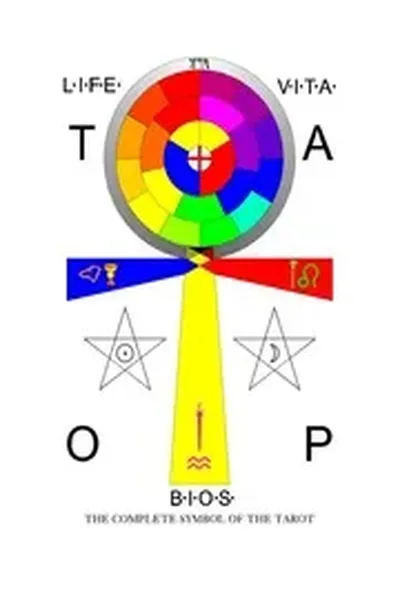
Tarot for life

 78
78

Tarot for life
Paul Quinn’s "Tarot for Life" presents the tarot not as a mystical oracle dictating fate, but as a sophisticated symbolic system for understanding the self. The work’s strength lies in its systematic breakdown of the 78 cards, moving from the archetypal journeys of the Major Arcana to the nuanced details of the Minor Arcana. Quinn avoids sensationalism, instead offering a grounded perspective that aligns tarot interpretation with psychological insight. A particularly effective section details the progression through the suit of Swords, illustrating how abstract concepts manifest as concrete challenges and lessons. However, the book occasionally feels dense; its analytical rigor, while a virtue, might leave readers seeking more immediate, intuitive guidance wanting. It requires dedicated study rather than passive consumption. Quinn’s "Tarot for Life" is a valuable resource for serious students of tarot seeking depth over mystification.
📝 Description
78
Paul Quinn's 2009 book, Tarot for Life, treats the tarot as a symbolic language for personal growth.
Tarot for Life, published in 2009, provides a structured method for understanding and using the tarot beyond simple fortune-telling. Quinn frames the 78 cards of the Major and Minor Arcana as a symbolic system for self-reflection and personal development.
This book is for readers who want a more analytical engagement with the tarot, moving beyond surface interpretations. It is especially useful for those studying esoteric symbolism and how archetypal patterns apply to life. Quinn's approach aims to connect tarot use with psychological and philosophical inquiry, distinguishing it from purely divinatory or occult practices.
The book highlights the tarot as a reflection of the psyche. It details how the archetypal figures and narrative flow of the Major Arcana map onto universal human experiences. Quinn also breaks down the symbolism of the Minor Arcana, making the suits and numbered cards accessible for understanding daily life and personal challenges. His method emphasizes building an intuitive yet informed grasp of the cards' relationships.
Published in 2009, Tarot for Life arrived during a resurgence of interest in practical esoteric applications. Quinn's work follows early 20th-century figures like A.E. Waite and Pamela Colman Smith. His approach responds to the tarot's popularization by grounding its use in psychological and philosophical thought, setting it apart from earlier occultist or strictly divinatory traditions.
💡 Why Read This Book?
• Gain a structured understanding of the 78 tarot cards, moving beyond simple divination to see them as archetypal maps of the human psyche, as detailed in Quinn's exploration of the Major Arcana. • Learn to apply the symbolism of the Minor Arcana, particularly the suit progressions, to analyze everyday challenges and opportunities, as demonstrated through specific card examples. • Develop a more analytical and self-reflective approach to tarot interpretation, informed by Quinn's emphasis on the cards as tools for personal growth rather than predictive devices.
⭐ Reader Reviews
Honest opinions from readers who have explored this book.
❓ Frequently Asked Questions
What is the primary focus of Paul Quinn's 'Tarot for Life'?
The book's primary focus is on using the tarot as a symbolic language for personal development and self-reflection, rather than solely for fortune-telling. It offers a structured framework for understanding the archetypal patterns within the cards.
Who is Paul Quinn and when was 'Tarot for Life' first published?
Paul Quinn is the author of 'Tarot for Life,' which was first published in 2009. The book presents his unique approach to tarot interpretation.
Does 'Tarot for Life' cover both the Major and Minor Arcana?
Yes, the book provides a comprehensive overview of all 78 cards, detailing the archetypal narratives of the Major Arcana and the symbolic structures of the Minor Arcana.
Is 'Tarot for Life' suitable for beginners or experienced tarot readers?
It is suitable for both. Beginners can benefit from its structured approach, while experienced readers may find its analytical depth and focus on self-reflection offers new perspectives.
What is the historical context of 'Tarot for Life's' publication?
Published in 2009, the book emerged during a time of renewed interest in practical esoteric applications, offering a contemporary perspective that grounds tarot in psychological inquiry.
What distinguishes Quinn's approach from traditional tarot readings?
Quinn emphasizes the tarot as a mirror to the psyche and a tool for personal growth, moving away from purely predictive or occultist interpretations common in earlier traditions.
🔮 Key Themes & Symbolism
Archetypal Journeys
The book frames the Major Arcana as a symbolic representation of the soul's journey, mirroring universal human experiences and developmental stages. Quinn explores how figures like The Fool, The Magician, and The World embody fundamental aspects of the psyche and the challenges encountered on the path to self-realization. This approach invites readers to see their own life narratives reflected in these potent archetypes, offering a framework for understanding personal growth through symbolic progression.
The Language of the Minor Arcana
Quinn dissects the Minor Arcana, emphasizing the narrative and symbolic significance of the four suits (Wands, Cups, Swords, Pentacles) and the numbered cards. The work details how these cards represent the unfolding of events, emotions, thoughts, and material circumstances in daily life. By analyzing the progression from Ace to Ten within each suit, readers learn to interpret the subtle interplay of elements and how they manifest as specific situations and internal states.
Tarot as a Mirror to the Psyche
A central theme is the tarot's function as a mirror reflecting the reader's inner landscape. The book moves beyond fortune-telling to position the cards as a tool for psychological insight and self-awareness. Quinn encourages an introspective approach, where card readings illuminate unconscious patterns, internal conflicts, and potential pathways for personal evolution. This perspective aligns tarot study with modern psychological principles of introspection and symbolic interpretation.
Structured Symbolic Interpretation
Quinn advocates for a systematic method of tarot interpretation, grounded in the inherent structure and symbolism of the cards. He provides a framework for understanding the relationships between cards, the flow of energy across a spread, and the deeper meanings embedded within the imagery. This emphasis on a structured approach allows for a more consistent and insightful reading practice, building a solid foundation for both analytical and intuitive understanding.
💬 Memorable Quotes
Direct passages from the work, attributed to the author.
“The tarot is a symbolic language that maps the territories of the human psyche.”
— This statement captures Quinn's core philosophy: viewing the tarot not as a predictive tool, but as a sophisticated system for understanding internal states and developmental processes.
“The progression through the numbered cards of a suit mirrors the unfolding of a specific life theme.”
— This highlights the book's focus on the narrative structure within the Minor Arcana, suggesting that the sequence from Ace to Ten offers a story arc relevant to understanding challenges and growth in everyday life.
“Archetypes in the Major Arcana represent universal patterns of human experience.”
— This interpretation emphasizes the book's grounding of tarot in Jungian psychology, positioning figures like The Hermit or The Devil as symbolic representations of fundamental human potentials and struggles.
“Interpreting the tarot requires both analytical understanding and intuitive connection.”
— This suggests that Quinn's method seeks a balance between intellectual study of card meanings and the development of personal, intuitive responses to the symbolic imagery.
“The cards act as a mirror, reflecting aspects of ourselves we may not consciously acknowledge.”
— This conveys the book's central idea of the tarot as a tool for self-discovery, encouraging readers to use the cards to gain insight into their own subconscious thoughts and behaviors.
🌙 Esoteric Significance
Tradition
Quinn's work draws implicitly from Western Esotericism, particularly its integration with depth psychology. While not strictly adhering to Hermetic, Kabbalistic, or Theosophical doctrines, it engages with their symbolic language, especially the archetypal framework found in the Major Arcana. It departs from traditional occultism by foregrounding psychological interpretation over ritualistic or magical application, aligning more with modern psychological and philosophical explorations of symbolism.
Symbolism
Key symbols include the Fool's journey, representing the initiation and unfolding of potential, and the progression through the four suits (Wands, Cups, Swords, Pentacles), which symbolize different spheres of human experience: spirit/action, emotion/relationships, intellect/conflict, and material world/manifestation. Quinn interprets these as maps for navigating life's challenges and opportunities.
Modern Relevance
Contemporary practitioners of tarot, particularly those focused on Jungian psychology, archetypal studies, and personal development, find Quinn's analytical approach highly relevant. His work influences modern tarot educators and readers who seek to integrate the cards into therapeutic or coaching practices, moving beyond purely predictive interpretations to focus on self-understanding and growth.
👥 Who Should Read This Book
['• Students of Jungian psychology and archetypal symbolism seeking to apply theoretical concepts to a practical symbolic system.', '• Tarot readers who wish to deepen their practice beyond fortune-telling and explore the cards as tools for self-analysis and personal growth.', '• Esoteric practitioners interested in a structured, analytical approach to understanding symbolic languages and their application to modern life.']
📜 Historical Context
Paul Quinn's "Tarot for Life," published in 2009, entered a landscape significantly shaped by mid-20th-century esoteric thought and the burgeoning New Age movement. While authors like A.E. Waite and Pamela Colman Smith had established the Rider-Waite-Smith deck as a standard in the early 1900s, and figures like Carl Jung explored archetypes, Quinn's work arrived when tarot was widely popular but often superficially understood. It appeared in an era where psychological and self-help applications of esoteric tools were gaining traction, distinguishing itself from earlier, more strictly divinatory or ceremonial traditions. The book can be seen as a contemporary response to the commodification of tarot, aiming to re-center its study on intellectual and personal growth, aligning with intellectual currents that favoured practical application of symbolic systems, a contrast to the more purely mystical approaches prevalent in earlier occult revivals.
📔 Journal Prompts
Reflect on the Fool's journey as represented in the Major Arcana and its connection to your current life path.
Analyze the progression of the suit of Swords through three specific cards and their relevance to a recent challenge.
Consider the archetypal figures encountered in the Major Arcana and which resonates most with your present internal state.
Explore the symbolic meaning of the four suits in relation to different aspects of your daily life.
Map the unfolding narrative of the Minor Arcana's numbered cards to a specific project or life phase.
🗂️ Glossary
Major Arcana
The 22 trump cards of the tarot deck, typically representing significant life events, spiritual lessons, and major archetypal forces that influence human experience.
Minor Arcana
The 56 cards of the tarot deck, divided into four suits, which represent the everyday events, circumstances, and challenges encountered in life.
Archetype
In Jungian psychology, a universal, inherited pattern of thought or imagery derived from the collective unconscious, often expressed in myths and symbols.
Suit
One of the four divisions within the Minor Arcana (Wands, Cups, Swords, Pentacles), each associated with a different element and sphere of life.
Symbolic Language
A system of communication that uses symbols or images to convey deeper meanings, often related to psychological states, spiritual concepts, or universal patterns.
Divination
The practice of seeking knowledge of the future or the unknown by supernatural means, often associated with methods like tarot card reading.
Psychological Interpretation
An approach to understanding symbols or experiences through the lens of psychological theories, focusing on internal states, motivations, and personal development.
🔮 Readers Also Liked
Browse all →







More by Paul Quinn
All books →
More Free Divination & Tarot Books
View all →